Christian Galan – författare
Visar alla böcker från författaren Christian Galan. Handla med fri frakt och snabb leverans.
15 produkter
I'm Learning Japanese!
Learn to Speak, Read and Write the Basics
Häftad, 2019, 9-12 år
157 kr
Lägg i varukorg
This is a fun and entertaining beginner level children's Japanese language book (9 years old and up) that is also appropriate for adults.I'm Learning Japanese! takes a lighthearted approach to the Japanese language by using fun anime-style manga characters to teach Japanese. The book starts out …
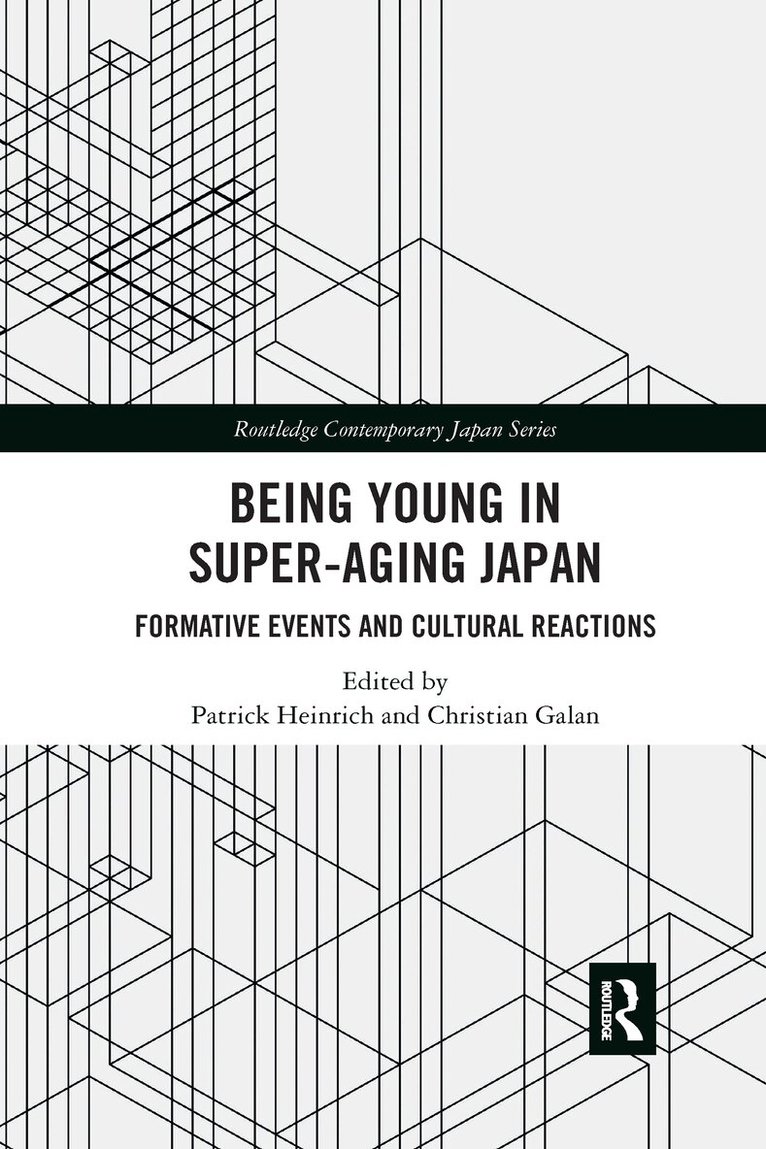
Being Young in Super-Aging Japan
Formative Events and Cultural Reactions
Av Patrick Heinrich, Christian Galan
Häftad, 2021
689 kr
Lägg i varukorg
Japan is not only the oldest society in the world today, but also the oldest society to have ever existed. This aging trend, however, presents many challenges to contemporary Japan, as it permeates all areas of life, from the economy and welfare to social cohesion and population decline. Nobody is …
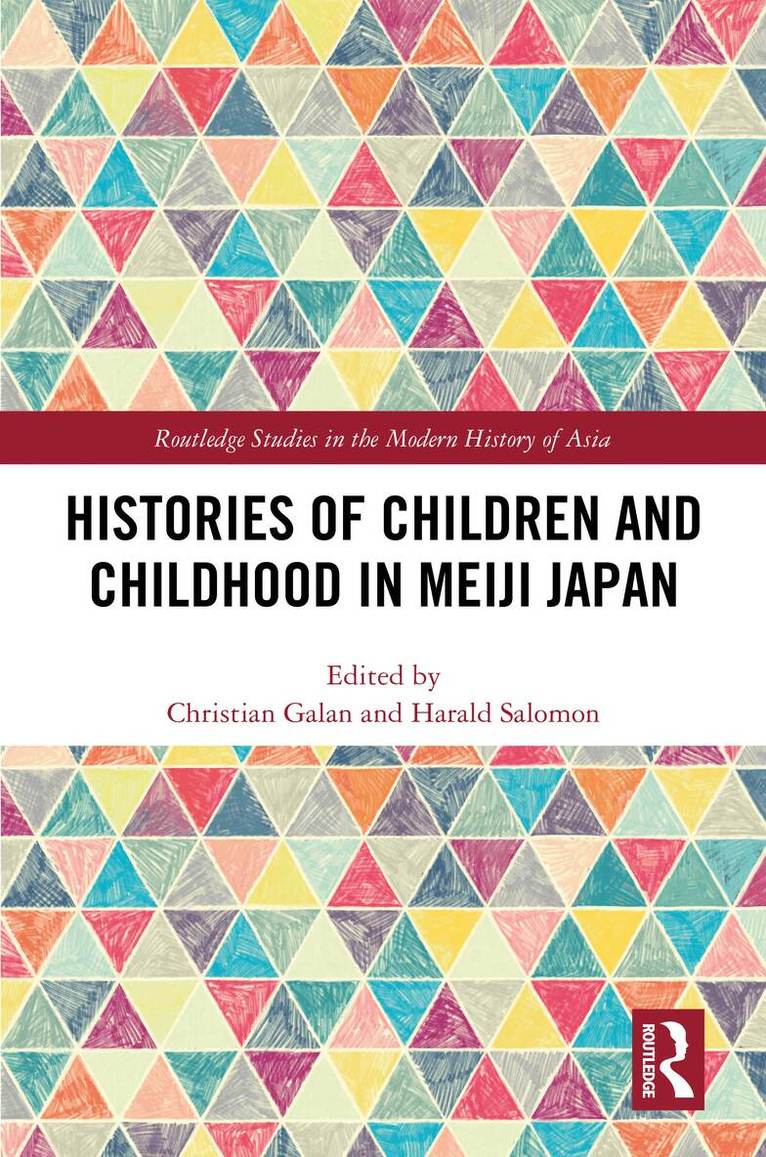
Histories of Children and Childhood in Meiji Japan
Av Christian Galan, Harald Salomon
Inbunden, 2024
2578 kr
Lägg i varukorg
This book bridges the gap between historical research on Japan and the field of childhood history by writing children and childhood into the general historical record of the Meiji period.To explore the widely varying circumstances of childhood during the Japanese transition to modernity, the volume …
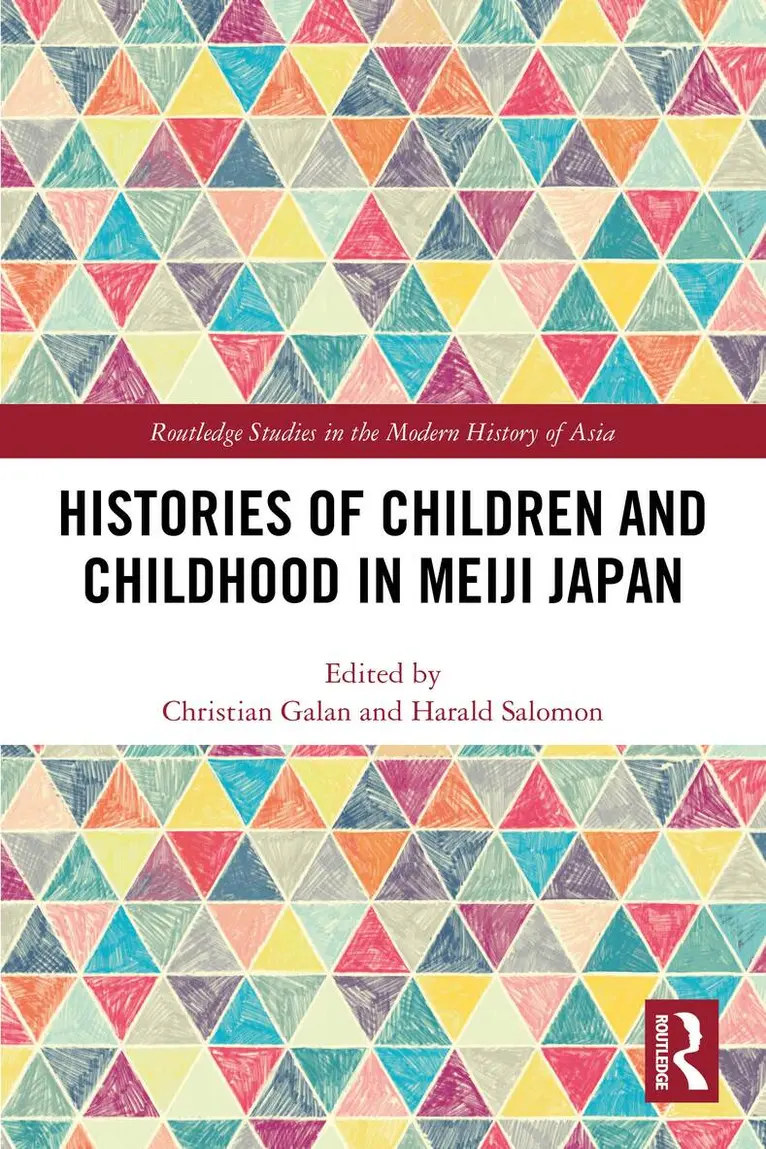
Histories of Children and Childhood in Meiji Japan
Av Christian Galan, Harald Salomon
Häftad, 2025
725 kr
Lägg i varukorg
This book bridges the gap between historical research on Japan and the field of childhood history by writing children and childhood into the general historical record of the Meiji period.To explore the widely varying circumstances of childhood during the Japanese transition to modernity, the volume …
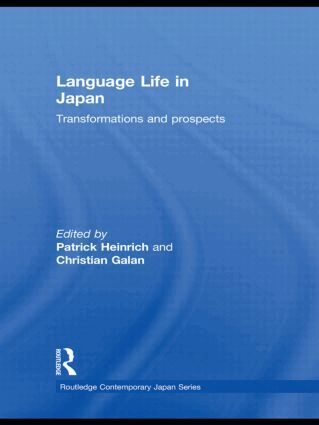
Language Life in Japan
Transformations and Prospects
Av Patrick Heinrich, Christian Galan
Inbunden, 2010
2578 kr
Lägg i varukorg
Despite its monolingual self-image, Japan is multilingual and growing more so due to indigenous minority language revitalization and as an effect of migration. Besides Japan's autochthonous languages such as the Ainu and Ryukyuan languages, there are more than 75,000 immigrant children in the …
Language Life in Japan
Transformations and Prospects
Av Patrick Heinrich, Christian Galan
Häftad, 2013
934 kr
Lägg i varukorg
Despite its monolingual self-image, Japan is multilingual and growing more so due to indigenous minority language revitalization and as an effect of migration. Besides Japan's autochthonous languages such as the Ainu and Ryukyuan languages, there are more than 75,000 immigrant children in the …
Histories of Children and Childhood in Meiji Japan
Av Harald Salomon, Christian Galan
E-bok, 2024
838 kr
Lägg i varukorg
This book bridges the gap between historical research on Japan and the field of childhood history by writing children and childhood into the general historical record of the Meiji period. To explore the widely varying circumstances of childhood during the Japanese transition to modernity, the …
Histories of Children and Childhood in Meiji Japan
Av Harald Salomon, Christian Galan
E-bok, 2024
838 kr
Lägg i varukorg
This book bridges the gap between historical research on Japan and the field of childhood history by writing children and childhood into the general historical record of the Meiji period. To explore the widely varying circumstances of childhood during the Japanese transition to modernity, the …
Language Life in Japan
Transformations and Prospects
Av Christian Galan, Patrick Heinrich
E-bok, 2010
1082 kr
Lägg i varukorg
Despite its monolingual self-image, Japan is multilingual and growing more so due to indigenous minority language revitalization and as an effect of migration. Besides Japan''s autochthonous languages such as the Ainu and Ryukyuan languages, there are more than 75,000 immigrant children in the …
Language Life in Japan
Transformations and Prospects
Av Christian Galan, Patrick Heinrich
E-bok, 2010
1082 kr
Lägg i varukorg
Despite its monolingual self-image, Japan is multilingual and growing more so due to indigenous minority language revitalization and as an effect of migration. Besides Japan''s autochthonous languages such as the Ainu and Ryukyuan languages, there are more than 75,000 immigrant children in the …
Being Young in Super-Aging Japan
Formative Events and Cultural Reactions
Av Patrick Heinrich, Christian Galan
Inbunden, 2018
2504 kr
Lägg i varukorg
Japan is not only the oldest society in the world today, but also the oldest society to have ever existed. This aging trend, however, presents many challenges to contemporary Japan, as it permeates all areas of life, from the economy and welfare to social cohesion and population decline. Nobody is …
Being Young in Super-Aging Japan
Formative Events and Cultural Reactions
Av Christian Galan, Patrick Heinrich
E-bok, 2018
814 kr
Lägg i varukorg
Japan is not only the oldest society in the world today, but also the oldest society to have ever existed. This aging trend, however, presents many challenges to contemporary Japan, as it permeates all areas of life, from the economy and welfare to social cohesion and population decline. Nobody is …
Being Young in Super-Aging Japan
Formative Events and Cultural Reactions
Av Christian Galan, Patrick Heinrich
E-bok, 2018
814 kr
Lägg i varukorg
Japan is not only the oldest society in the world today, but also the oldest society to have ever existed. This aging trend, however, presents many challenges to contemporary Japan, as it permeates all areas of life, from the economy and welfare to social cohesion and population decline. Nobody is …
I'm Learning Japanese!
A Language Adventure for Young People
E-bok, 2019
221 kr
Lägg i varukorg
This is a fun and entertaining beginner level children''s Japanese language book (9 years old and up) that is also appropriate for adults. I''m Learning Japanese! takes a lighthearted approach to the Japanese language by using fun anime-style manga characters to teach Japanese. The book starts out …
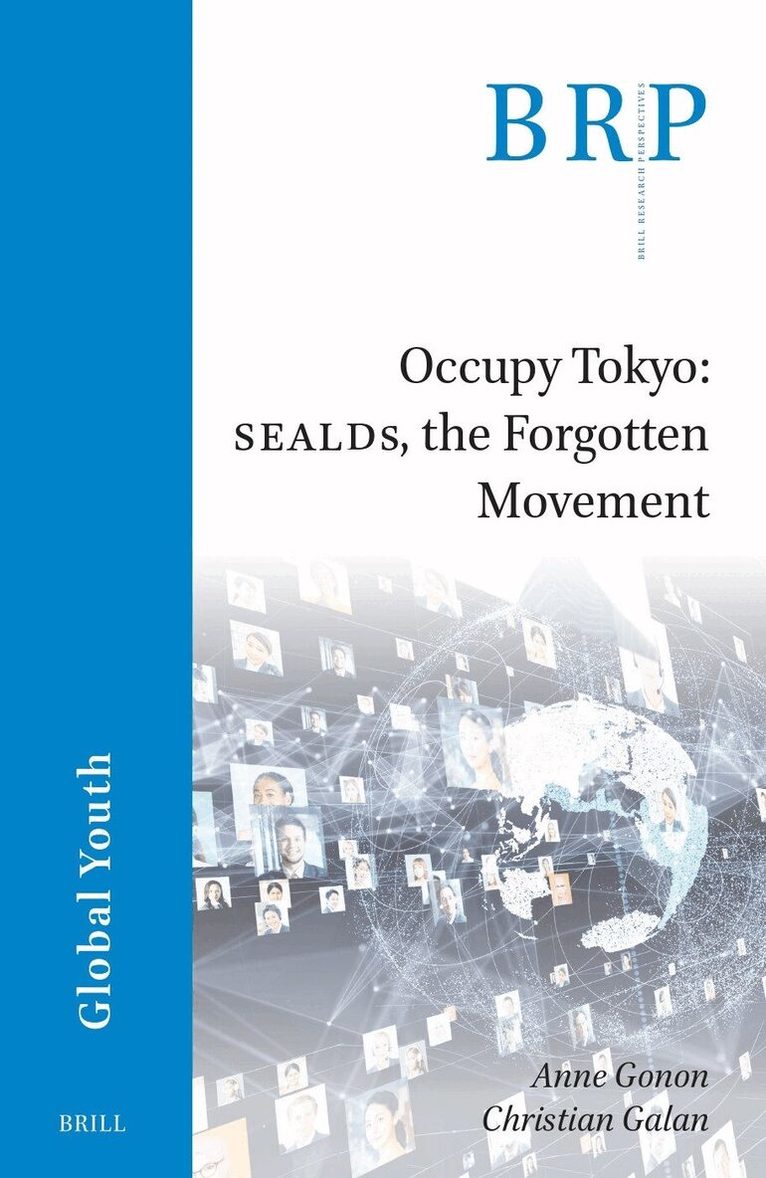
Occupy Tokyo: SEALDs, the Forgotten Movement
Av Anne Gonon, Christian Galan
Häftad, 2023
1136 kr
Lägg i varukorg
Japanese youth, like everywhere else, are trying to build their future despite the crises that are shaking their world, the latest being the triple disaster of Fukushima. Often considered to be more focused on a personal or even hedonistic life, they surprised the media when a student movement took …