Christian Sumi - Böcker
Visar alla böcker från författaren . Handla med fri frakt och snabb leverans.
5 produkter
5 produkter
346 kr
Skickas inom 7-10 vardagar
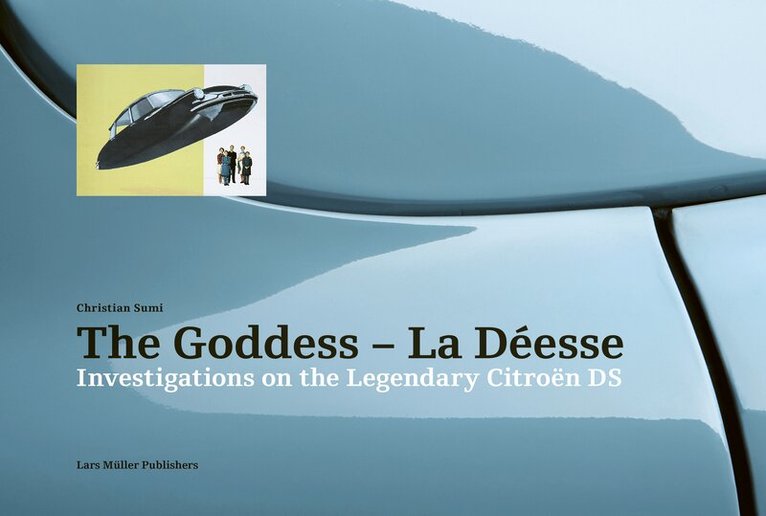
At its presentation in 1955, the Citroën DS was a sensation and a magnet for designers, philosophers, and politicians alike. No other automobile was able to combine form and technology so coherently and seemingly effortlessly. Radical in its implementation and revolutionary in terms of comfort and safety, the DS is one of the most innovative design icons of the 20th century.In collaboration with Lars Müller Publishers, the Swiss architect Christian Sumi published the new edition of AS in DS by Alison and Peter Smithson in 2001. In this new book, he now analytically examines the characteristics of this classic vehicle, which he documents in carefully arranged picture series and with drawings by Flaminio Bertoni and the Citroën design team, such as of the body, the chassis, or the legendary hydraulics. Using image essays from advertising campaigns for the Citroën DS, Sumi critically examines its iconization and reception, along with theories that discuss the phenomenon in both a contemporary and philosophical context.
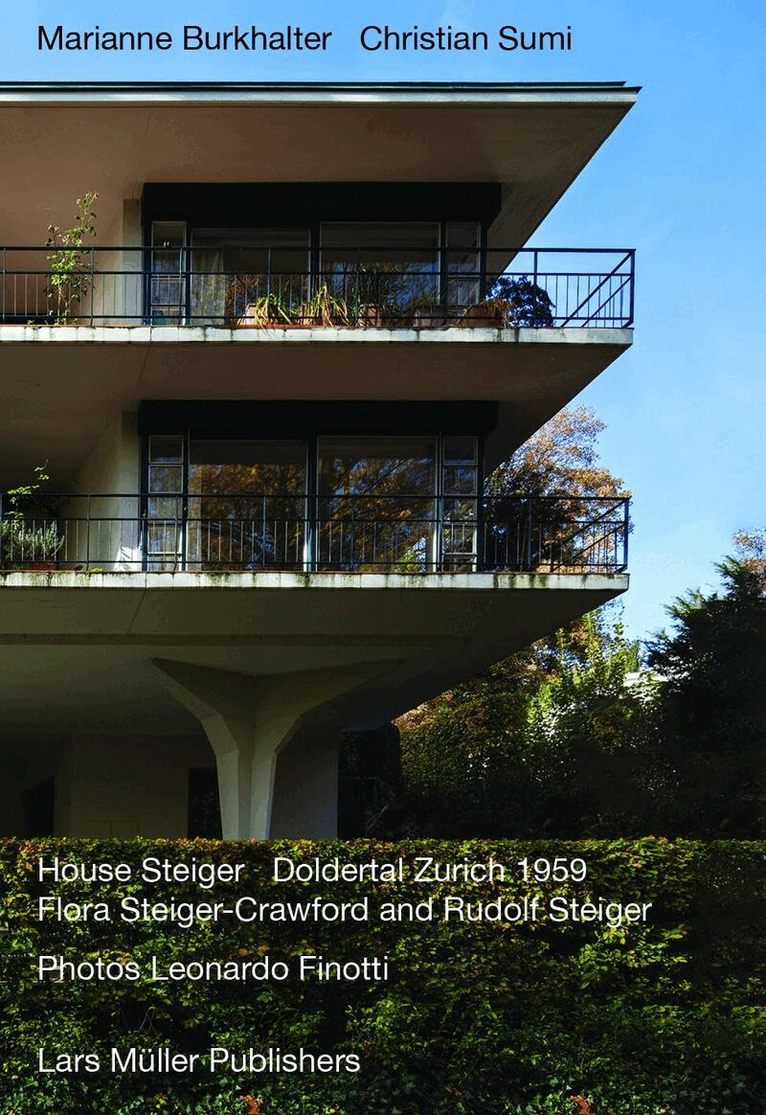
Steiger House Doldertal Zurich 1959: Flora Steiger-Crawford and Rudolf Steiger
Häftad, Engelska, 2024
383 kr
Skickas inom 7-10 vardagar
521 kr
Skickas inom 3-6 vardagar
195 kr
Skickas inom 7-10 vardagar
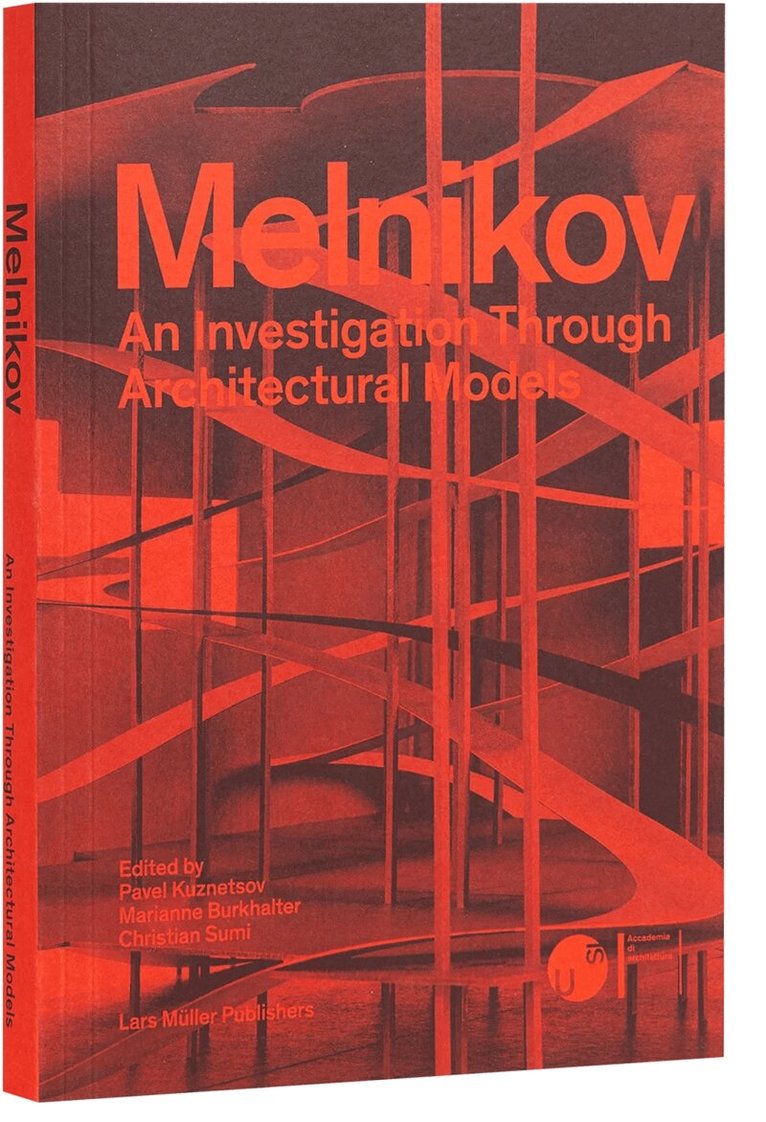
The architecture of the Soviet Union in the 1920s and 1930s was integral to shaping twentieth century modernism. Russian architect Konstantin Melnikov (1890–1974) was a key figure of this movement, with many of his realized projects becoming icons of modernism. Because he refused to conform to architectural standards after Stalin’s cultural turn in 1932, his works were largely forgotten for several decades. He was rehabilitated and received public recognition for his imaginative constructions only a few years prior to his death in 1974. This publication presents models of Konstantin Melnikov’s built and unbuilt works, created under the direction of Pavel Kuznetsov by the students of the Accademia di Architettura in Mendrisio. The models are accompanied by photographs, sketches and project descriptions expanding on Melnikov’s work. An essay by Pavel Kuznetsov situates the architect in his historical context, shedding light on an under-appreciated figure of architectural history.
546 kr
Skickas inom 7-10 vardagar
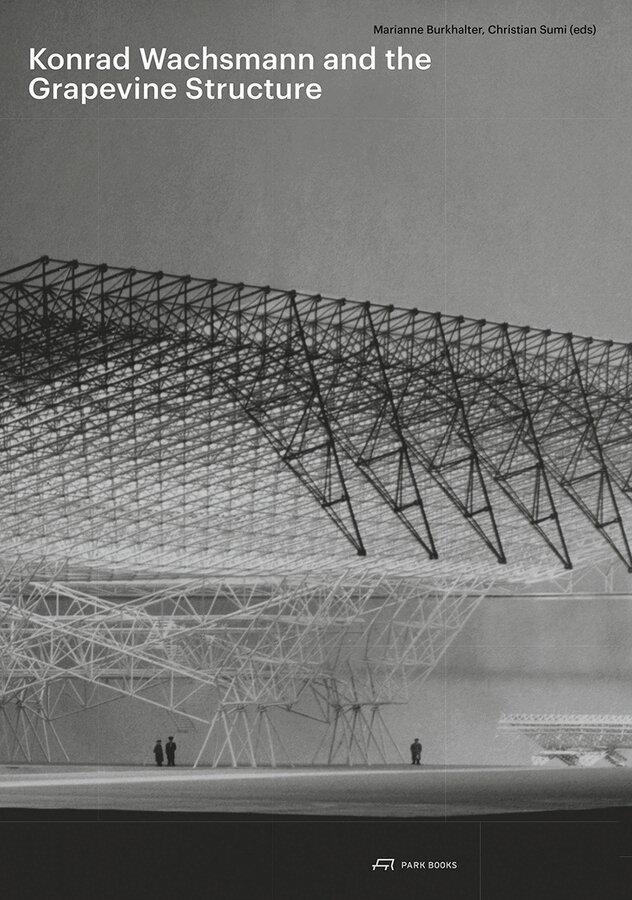
This book sheds new light on the work of German-born modernist architect Konrad Wachsmann (1901-1980) and his legendary knotted joints. It is based on years of research on Wachsmann's work by Swiss architect Christian Sumi.At the core of this book is Wachsmann's dynamic 'Grapevine Structure', a universal construction element developed with students in the early 1950s at the Chicago Institute of Design. The book also investigates the 'Local Orientation Manipulator' (LOM), an apparatus developed in 1969 by Wachsmann at the University of Southern California in Los Angeles that anticipated the robotic assembly of building components. Moreover, it explores Wachsmann's 'Packaged House System' and his designs for relocatable hangars for the US Air Force. The book features these through concise texts and rich illustrated material, the majority of which are published here for the first time.Fabio Gramazio, Matthias Kohler, and Hannes Mayer (Gramazio Kohler Research, ETH Zurich) revisit Wachsmann's ideas from a contemporary perspective where robotic building processes become increasingly common. An essay by neuroscientist Andreas Burkhalter looks at the phenomenon of knotted joints in the context of similar structures in the human brain. Architectural historian Marko Pogacnik highlights the significance of Wachsmann's lectures at the Salzburg Summer Academy in the late 1950s.Published to accompany the 16th International Architecture Exhibition of the Venice Biennale, 26 May - 25 November 2018.