Christian U. Grosse – författare
Visar alla böcker från författaren Christian U. Grosse. Handla med fri frakt och snabb leverans.
5 produkter
5 produkter
2 433 kr
Skickas inom 10-15 vardagar
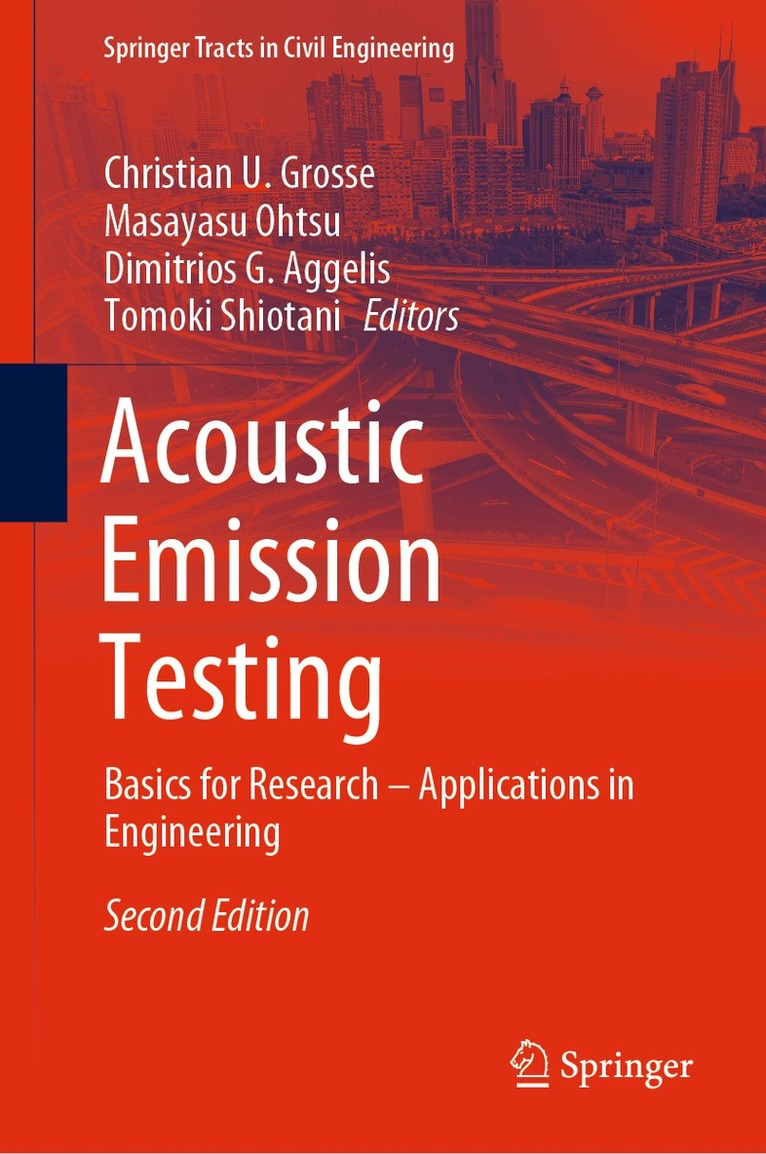
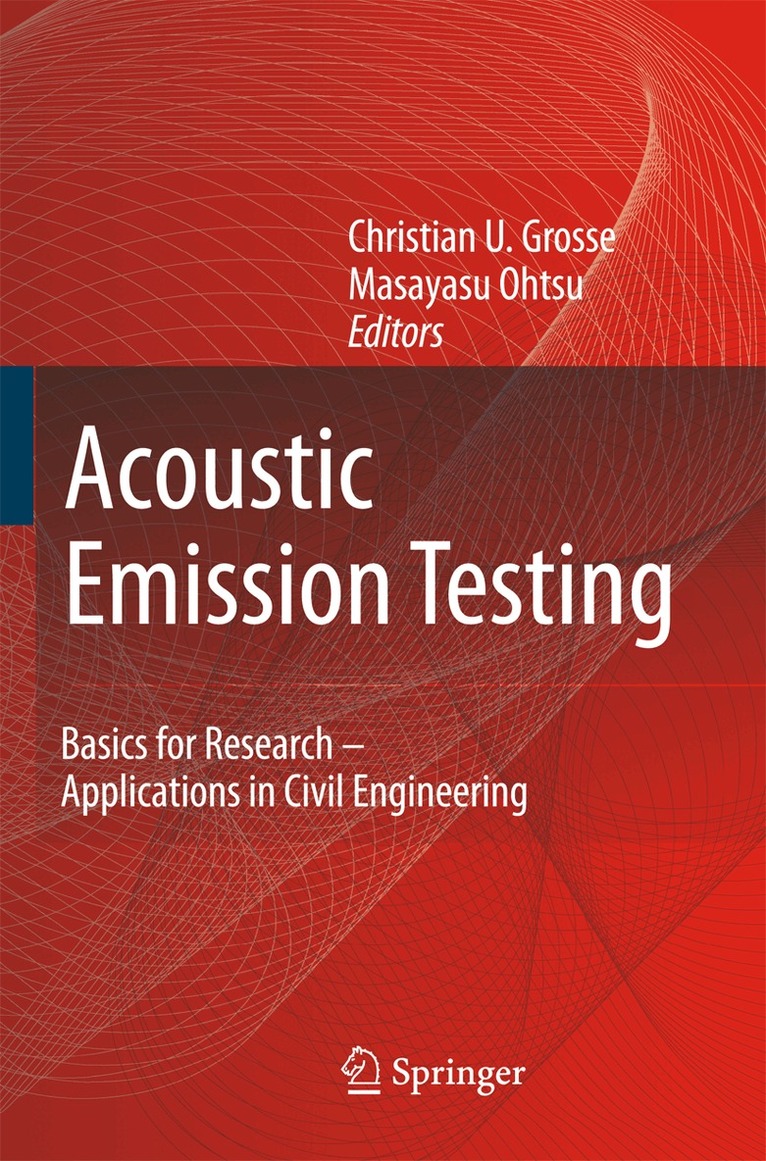
This book provides an introduction to Acoustic Emission Testing and its applications to different materials like concrete, steel, ceramics, geotechnical materials, polymers, biological structures and wood. Acoustic Emission Techniques (AET) techniques have been studied in engineering for a long time. The techniques are applied more and more to practical investigations and are more and more standardized in codes. This is because the degradation of structures due to ageing urgently demand for maintenance and rehabilitation of structures in service. It results in the need for the development of advanced and efficient inspection techniques. In mechanical engineering and concerning the monitoring of machines and mechanical components, AE is a widely accepted observing deterioration in the frame of structural health monitoring. The advantages of AE like sensitivity, damage localization potential, non-intrusive nature as well as developments in signal analysis and data transmission allow applications that could not be considered decades ago.As such, AE techniques draw great attention to diagnostic applications and in material testing. This book covers all levels from the description of AE basics for AE beginners (level of a student) to sophisticated AE algorithms and applications to real large-scale structures as well as the observation of the cracking process in laboratory specimen to study fracture processes. This book has proved its worth over the past twelve years. Now in its second edition, it will be a resource that sets the standard and equips readers for the future. All chapters from the 1st edition have been updated and rewritten and eight extra chapters (e.g also regarding AE tomography, AE in plate-like structures and AE for investigations of hardening of fresh concrete) have been added.
1 748 kr
Skickas inom 10-15 vardagar
This book provides an introduction to Acoustic Emission Testing and its applications to different materials like concrete, steel, ceramics, geotechnical materials, polymers, biological structures and wood. Acoustic Emission Techniques (AET) techniques have been studied in engineering for a long time. The techniques are applied more and more to practical investigations and are more and more standardized in codes. This is because the degradation of structures due to ageing urgently demand for maintenance and rehabilitation of structures in service. It results in the need for the development of advanced and efficient inspection techniques. In mechanical engineering and concerning the monitoring of machines and mechanical components, AE is a widely accepted observing deterioration in the frame of structural health monitoring. The advantages of AE like sensitivity, damage localization potential, non-intrusive nature as well as developments in signal analysis and data transmission allow applications that could not be considered decades ago.As such, AE techniques draw great attention to diagnostic applications and in material testing. This book covers all levels from the description of AE basics for AE beginners (level of a student) to sophisticated AE algorithms and applications to real large-scale structures as well as the observation of the cracking process in laboratory specimen to study fracture processes. This book has proved its worth over the past twelve years. Now in its second edition, it will be a resource that sets the standard and equips readers for the future. All chapters from the 1st edition have been updated and rewritten and eight extra chapters (e.g also regarding AE tomography, AE in plate-like structures and AE for investigations of hardening of fresh concrete) have been added.
2 028 kr
Skickas inom 5-8 vardagar
Acoustic Emission (AE) techniques have been studied in civil engineering for a long time. The techniques are recently going to be more and more applied to practical applications and to be standardized in the codes. This is because the increase of aging structures and disastrous damages due to recent earthquakes urgently demand for maintenance and retrofit of civil structures in service for example. It results in the need for the development of advanced and effective inspection techniques. Thus, AE techniques draw a great attention to diagnostic applications and in material testing. The book covers all levels from the description of AE basics for AE beginners (level of a student) to sophisticated AE algorithms and applications to real large-scale structures as well as the observation of the cracking process in laboratory specimen to study fracture processes.
2 117 kr
Skickas inom 10-15 vardagar
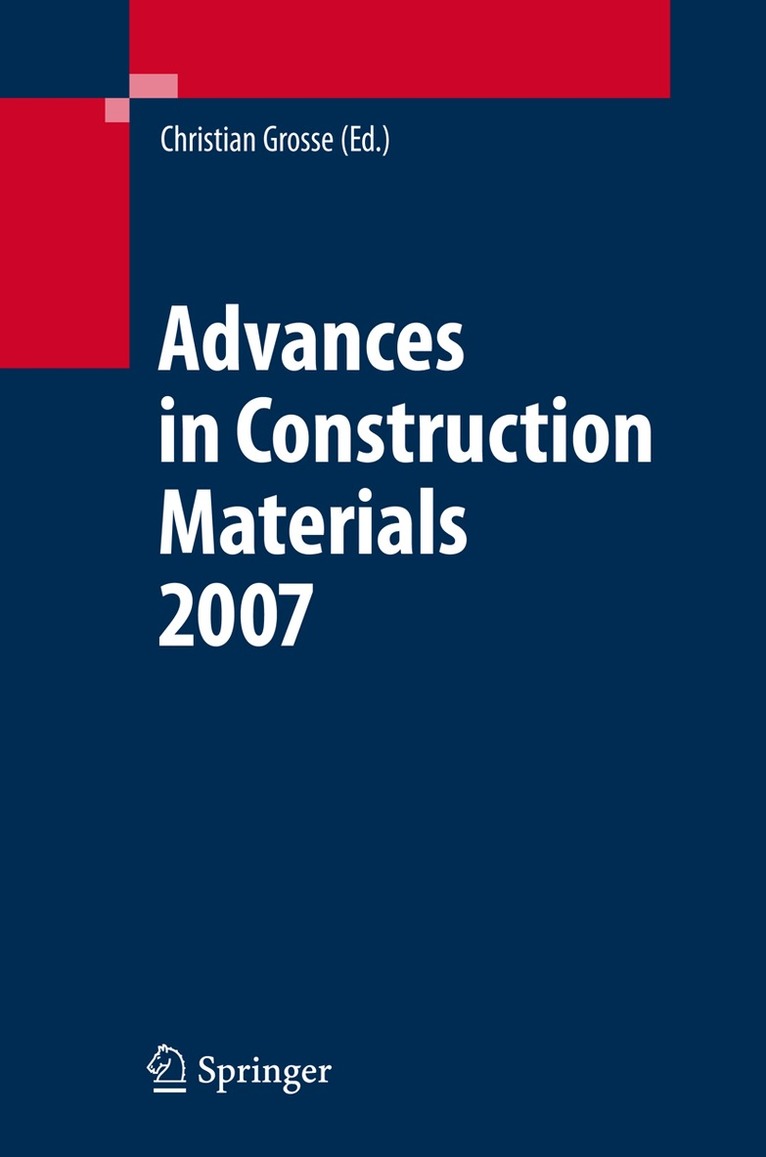
This book addresses one of the most important material categories: Materials used for constructions. A large percentage of the gross national product of most co- tries goes into infrastructure and buildings. This statement is true not only for the present but for most other periods in history, and for most cultures. This explains why understanding the behavior of construction materials has always been the - ject of intense investigations. The construction industry consumes extreme v- umes of material, and the growing demand for quality and safety require conti- ous improvement of materials and material compositions. A deep understanding of material behavior is essential to enable efficient construction: light-weight or heavily burdened structures ask for the development of innovative composites or new material compositions. Rapid economic growth and a dense and growing population require sensitive and sustainable use of resources. Finally efficient use of resources means extending the usage of existing structures, so non-destructive testing methods are needed to assess the safety and utility of these structures. Civil Engineers and Material Scientists from all over the world are openly d- cussing ideas for new materials, and for structural health monitoring. Over the last decade many innovations have come to fruition, primarily in the field of comp- ites but also for improving the design of existing material. This is especially true for concrete, perhaps the most used material in the world – broadening its range of applications and improving performance.
2 117 kr
Skickas inom 10-15 vardagar
This book addresses one of the most important material categories: Materials used for constructions. A large percentage of the gross national product of most co- tries goes into infrastructure and buildings. This statement is true not only for the present but for most other periods in history, and for most cultures. This explains why understanding the behavior of construction materials has always been the - ject of intense investigations. The construction industry consumes extreme v- umes of material, and the growing demand for quality and safety require conti- ous improvement of materials and material compositions. A deep understanding of material behavior is essential to enable efficient construction: light-weight or heavily burdened structures ask for the development of innovative composites or new material compositions. Rapid economic growth and a dense and growing population require sensitive and sustainable use of resources. Finally efficient use of resources means extending the usage of existing structures, so non-destructive testing methods are needed to assess the safety and utility of these structures. Civil Engineers and Material Scientists from all over the world are openly d- cussing ideas for new materials, and for structural health monitoring. Over the last decade many innovations have come to fruition, primarily in the field of comp- ites but also for improving the design of existing material. This is especially true for concrete, perhaps the most used material in the world – broadening its range of applications and improving performance.