Christiane Kruse – författare
Visar alla böcker från författaren Christiane Kruse. Handla med fri frakt och snabb leverans.
9 produkter
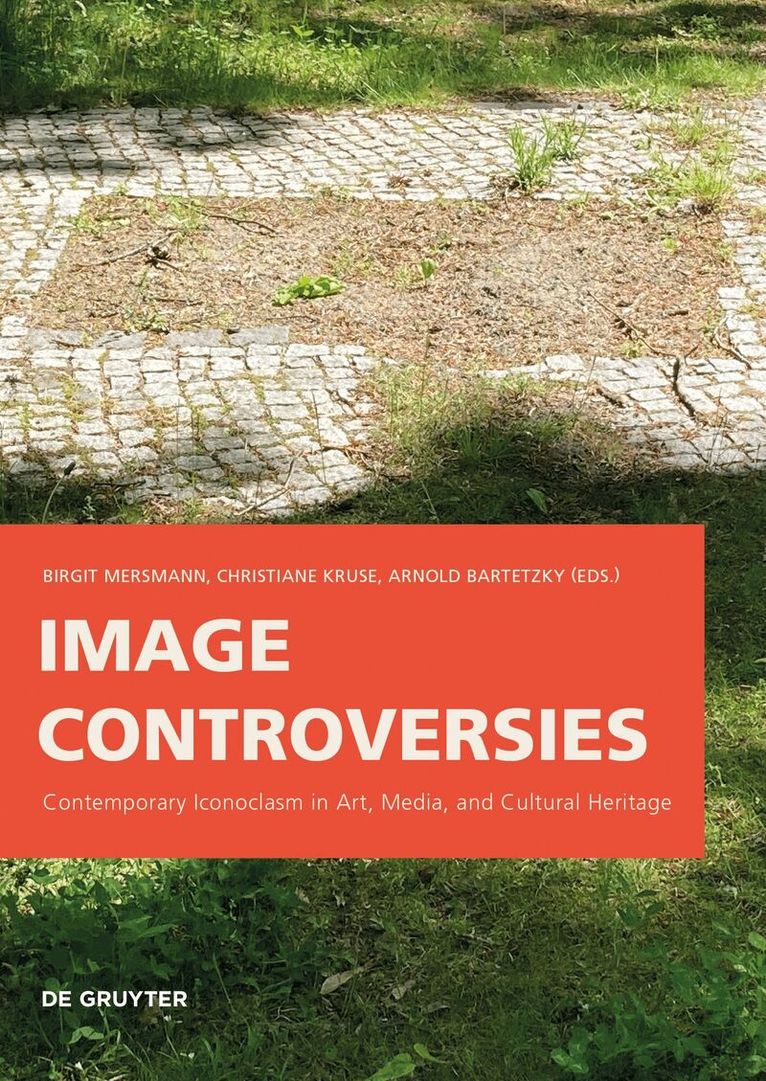
Image Controversies
Contemporary Iconoclasm in Art, Media, and Cultural Heritage
Av Birgit Mersmann, Christiane Kruse m. fl.
Häftad, 2024
932 kr
Lägg i varukorg
In many contemporary societies we encounter iconoclasm breaking out with renewed violence. Iconoclastic actions against objects of visual material culture and testimonials of history act as dynamite in the public sphere. They are expressions of political, religious, national, and identity …
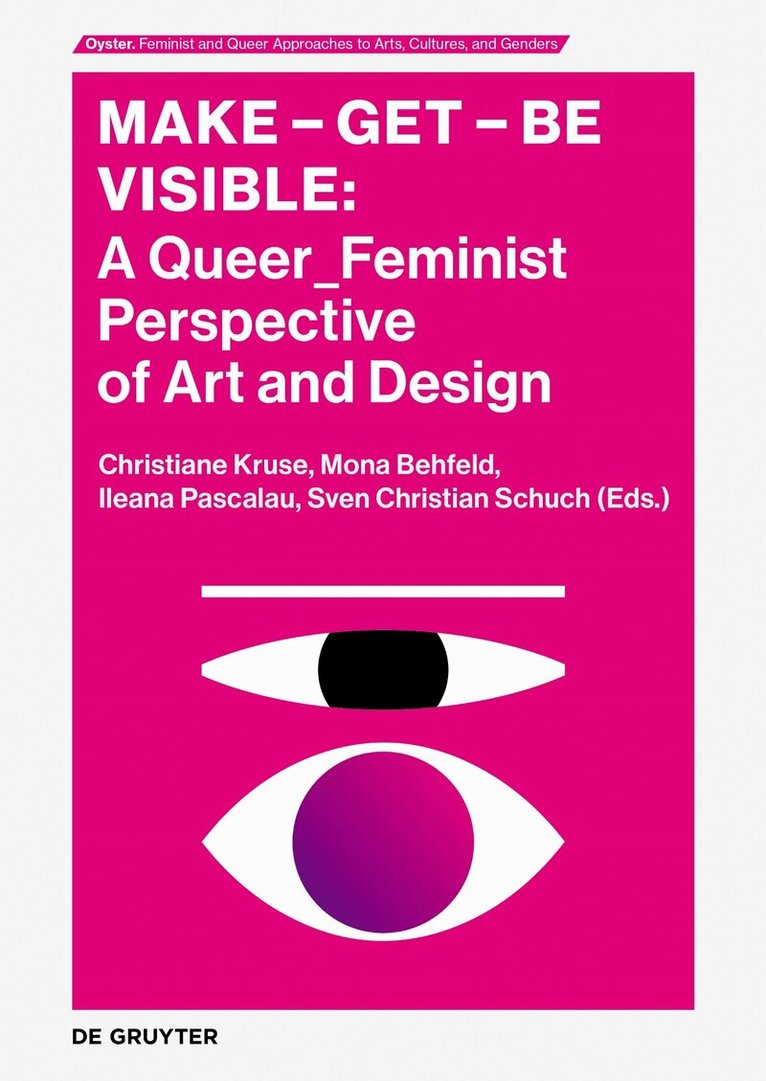
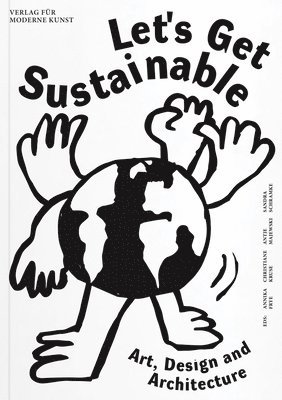
Make - Get - Be Visible
A Queer_Feminist Perspective of Art and Design
Av Christiane Kruse, Sven Christian Schuch m. fl.
Häftad, 2025
777 kr
Lägg i varukorg
Die Sichtbarmachung queerer und feministischer Positionen in der Kunst ist eine ästhetische Strategie mit politischer Wirkung, die den Übergang von einem Zustand unsichtbarer Ohnmacht zu machtvoller Sichtbarkeit und politischer Relevanz markiert. Der Band vereint theoretische Beiträge und …
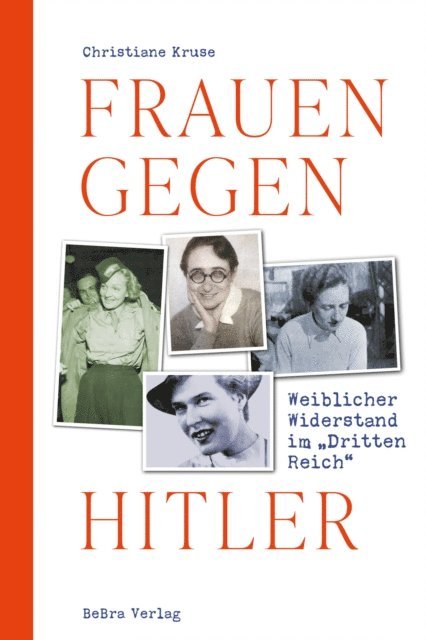
Frauen gegen Hitler
Weiblicher Widerstand im "Dritten Reich"
E-bok, 2024
223 kr
Lägg i varukorg
Christiane Kruse stellt in diesem Buch fünfzig mutige Frauen aus verschiedenen gesellschaftlichen Schichten vor, die sich unter Lebensgefahr in Untergrundorganisationen engagierten, Verfolgte versteckten oder ihnen zur Flucht verhalfen, Flugblätter verteilten oder Treffpunkte organisierten.Ruth …
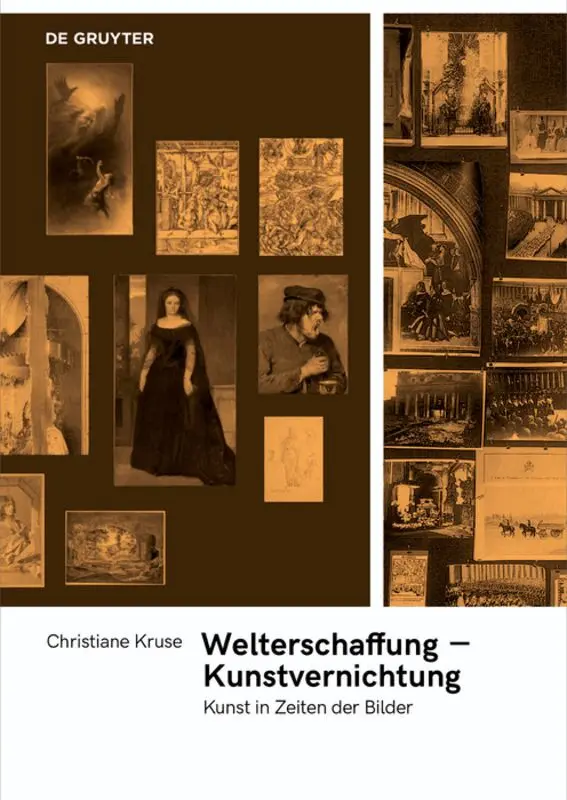
Welterschaffung – Kunstvernichtung
Kunst in Zeiten der Bilder
Häftad, 2020
573 kr
Tillfälligt slut
The present is an age of images. But what becomes of a culture in which only very few pictures are still made by hand, in which people no longer draw or paint, in which hardly anyone still works as a sculptor? And how does the individual’s power of imagination change when everything is made …
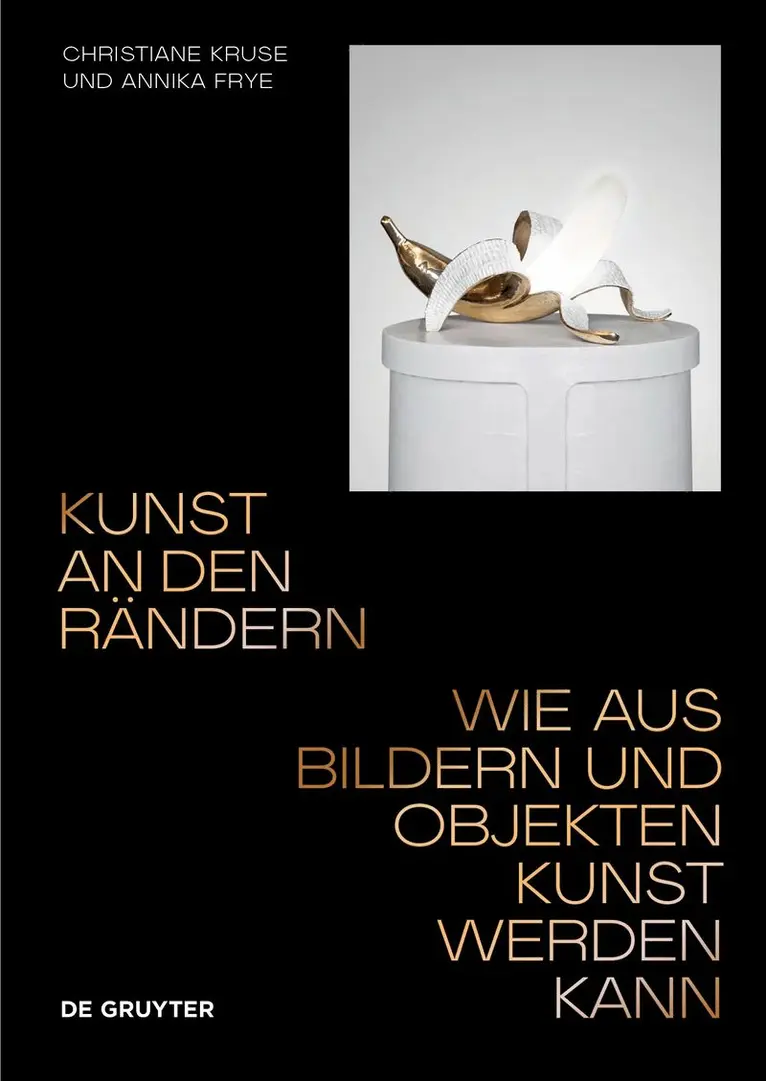
Kunst an den Rändern
Wie aus Bildern und Objekten Kunst werden kann
Av Christiane Kruse, Annika Frye
Häftad, 2021
515 kr
Tillfälligt slut
Images are not born as art. With his ready-mades Marcel Duchamp embro-iled the art business in a debate about the inclusion and exclusion of every-day objects in ‘high’ art. Since then, it has been possible to cite Arthur Danto and talk of the „end of art“. In retros-pect it becomes clear that …