Christina M. Gschwandtner - Böcker
Visar alla böcker från författaren Christina M. Gschwandtner. Handla med fri frakt och snabb leverans.
15 produkter
15 produkter
688 kr
Skickas inom 7-10 vardagar
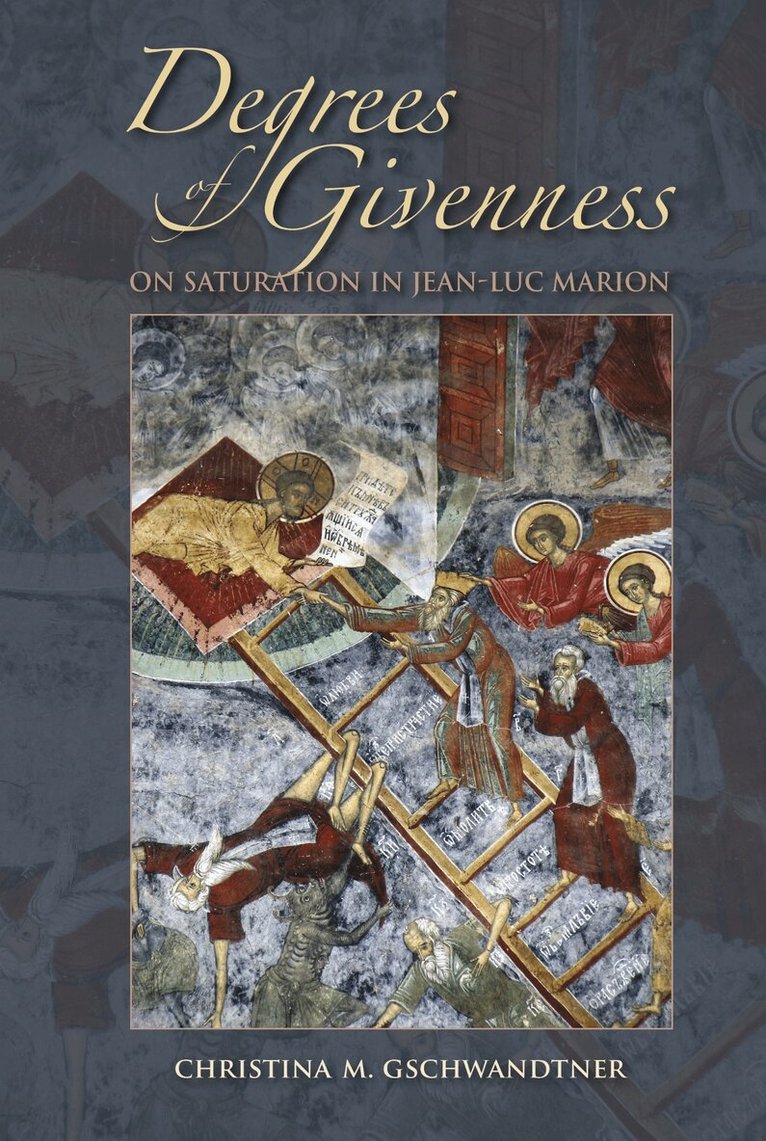
The philosophical work of Jean-Luc Marion has opened new ways of speaking about religious convictions and experiences. In this exploration of Marion's philosophy and theology, Christina M. Gschwandtner presents a comprehensive and critical analysis of the ideas of saturated phenomena and the phenomenology of givenness. She claims that these phenomena do not always appear in the excessive mode that Marion describes and suggests instead that we consider degrees of saturation. Gschwandtner covers major themes in Marion's work—the historical event, art, nature, love, gift and sacrifice, prayer, and the Eucharist. She works within the phenomenology of givenness, but suggests that Marion himself has not considered important aspects of his philosophy.
282 kr
Skickas inom 7-10 vardagar
The work of French philosopher and theologian Jean-Luc Marion has been recognized as among the most suggestive and productive in the philosophy of religion today. In Reading Marion, Christina M. Gschwandtner provides the first comprehensive introduction to Marion's large and conceptually dense corpus. Gschwandtner gives particular attention to Marion's early work on Descartes and follows thematic threads through to his most recent publications on charity and eroticism. She explores in detail three prominent topics in Marion's thought: the desire to overcome metaphysics, his reflections on the divine, and his reconsideration of the relation of the self to the other in love. Gschwandtner reveals Marion's thought as a unified whole and provides context for his theological and phenomenological writings. Readers at all levels will find insight into the work of one of the world's most provocative thinkers.
448 kr
Skickas inom 5-8 vardagar
Jean-Luc Marion’s early work on Descartes and his more recent writings in phenomenology have not only elicited huge interest in France and the US, but also created huge potential in the field of theology. This book is organised around central questions about the divine raised by Marion’s work: how to speak of God, how to approach God, how to experience God, how to receive God, how to believe in God, how to worship God. Within that context it deals with the important aspects of his philosophical work: the inspiration of his writings in what he calls Descartes’ “white theology” and its late medieval context as well as the apophatic theology associated with Dionysius the Areopagite; his important claims about idolatrous and iconic ways of speaking of the divine; his notion of the saturated phenomenon or a phenomenology of revelation and givenness, and his extensive writings on love. Christina M. Gschwandtner also considers Marion’s explicitly theological writings and establishes their relationship to his larger phenomenological oeuvre. Overall, it approaches Marion’s work not only as a philosophy of religion, but with specifically theological questions in mind. It hence shows how Marion’s extensive historical and phenomenological work can be profitable and inspiring for theology today, for both systematic questions and for concerns of spirituality, in a way that holds the theoretical and the practical together.
1 486 kr
Skickas inom 5-8 vardagar
Jean-Luc Marion’s early work on Descartes and his more recent writings in phenomenology have not only elicited huge interest in France and the US, but also created huge potential in the field of theology. This book is organised around central questions about the divine raised by Marion’s work: how to speak of God, how to approach God, how to experience God, how to receive God, how to believe in God, how to worship God. Within that context it deals with the important aspects of his philosophical work: the inspiration of his writings in what he calls Descartes’ “white theology” and its late medieval context as well as the apophatic theology associated with Dionysius the Areopagite; his important claims about idolatrous and iconic ways of speaking of the divine; his notion of the saturated phenomenon or a phenomenology of revelation and givenness, and his extensive writings on love. Christina M. Gschwandtner also considers Marion’s explicitly theological writings and establishes their relationship to his larger phenomenological oeuvre. Overall, it approaches Marion’s work not only as a philosophy of religion, but with specifically theological questions in mind. It hence shows how Marion’s extensive historical and phenomenological work can be profitable and inspiring for theology today, for both systematic questions and for concerns of spirituality, in a way that holds the theoretical and the practical together.
1 015 kr
Skickas inom 10-15 vardagar
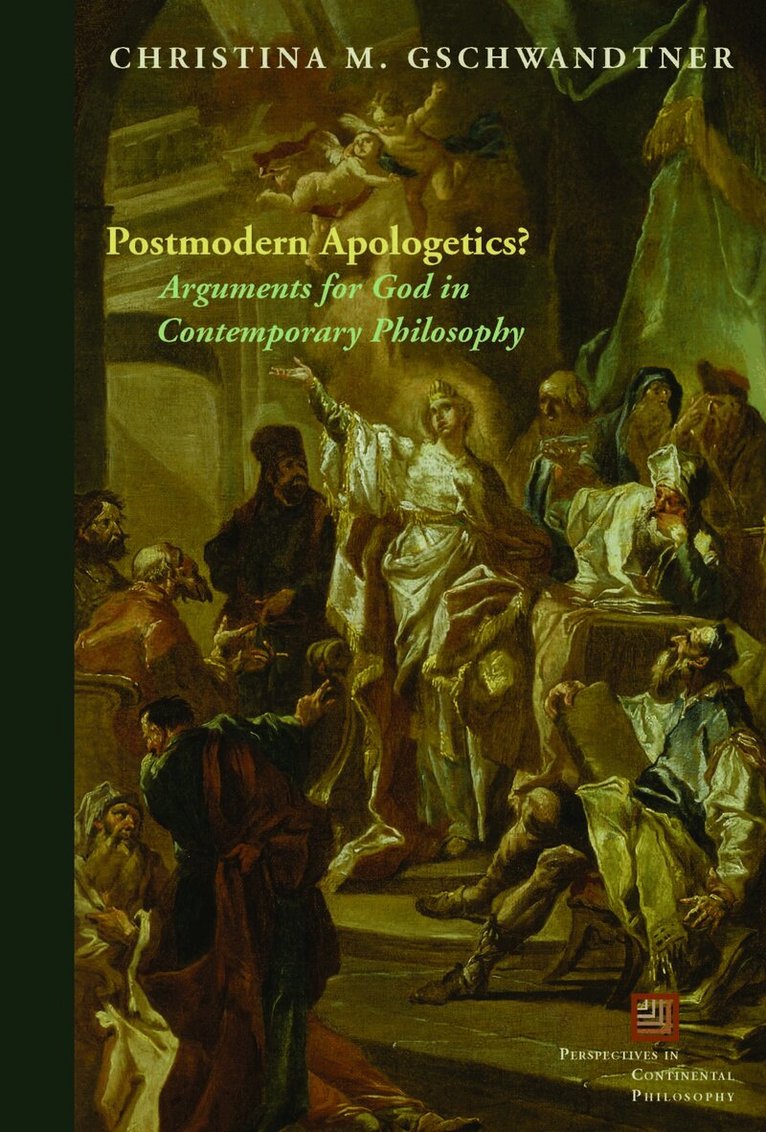
This book provides an introduction to the emerging field of continental philosophy of religion by treating the thought of its most important representatives, including its appropriations by several thinkers in the United States.Part I provides context by examining religious aspects of the thought of Martin Heidegger, Emmanuel Levinas, and Jacques Derrida. Christina Gschwandtner contends that, although the work of these thinkers is not apologetic in nature (i.e., it does not provide an argument for religion, whether Christianity or Judaism), it prepares the ground for the more religiously motivated work of more recent thinkers by giving religious language and ideas some legitimacy in philosophical discussions.Part II devotes a chapter to each of the contemporary French thinkers who articulate a phenomenology of religious experience: Paul Ricoeur, Jean-Luc Marion, Michel Henry, Jean-Louis Chrétien, Jean-Yves Lacoste, and Emmanuel Falque. In it, the author argues that their respective philosophies can be read as an apologetics of sorts—namely, as arguments for the coherence of thought about God and the viability of religious experience—though each thinker does so in a different fashion and to a different degree.Part III considers the three major thinkers who have popularized and extended this phenomenology in the U.S. context: John D. Caputo, Merold Westphal, and Richard Kearney.The book thus both provides an introduction to important contemporary thinkers, many of whom have not yet received much treatment in English, and also argues that their philosophies can be read as providing an argument for Christian faith.
365 kr
Skickas inom 10-15 vardagar
This book provides an introduction to the emerging field of continental philosophy of religion by treating the thought of its most important representatives, including its appropriations by several thinkers in the United States.Part I provides context by examining religious aspects of the thought of Martin Heidegger, Emmanuel Levinas, and Jacques Derrida. Christina Gschwandtner contends that, although the work of these thinkers is not apologetic in nature (i.e., it does not provide an argument for religion, whether Christianity or Judaism), it prepares the ground for the more religiously motivated work of more recent thinkers by giving religious language and ideas some legitimacy in philosophical discussions.Part II devotes a chapter to each of the contemporary French thinkers who articulate a phenomenology of religious experience: Paul Ricoeur, Jean-Luc Marion, Michel Henry, Jean-Louis Chrétien, Jean-Yves Lacoste, and Emmanuel Falque. In it, the author argues that their respective philosophies can be read as an apologetics of sorts—namely, as arguments for the coherence of thought about God and the viability of religious experience—though each thinker does so in a different fashion and to a different degree.Part III considers the three major thinkers who have popularized and extended this phenomenology in the U.S. context: John D. Caputo, Merold Westphal, and Richard Kearney.The book thus both provides an introduction to important contemporary thinkers, many of whom have not yet received much treatment in English, and also argues that their philosophies can be read as providing an argument for Christian faith.
1 466 kr
Skickas inom 10-15 vardagar
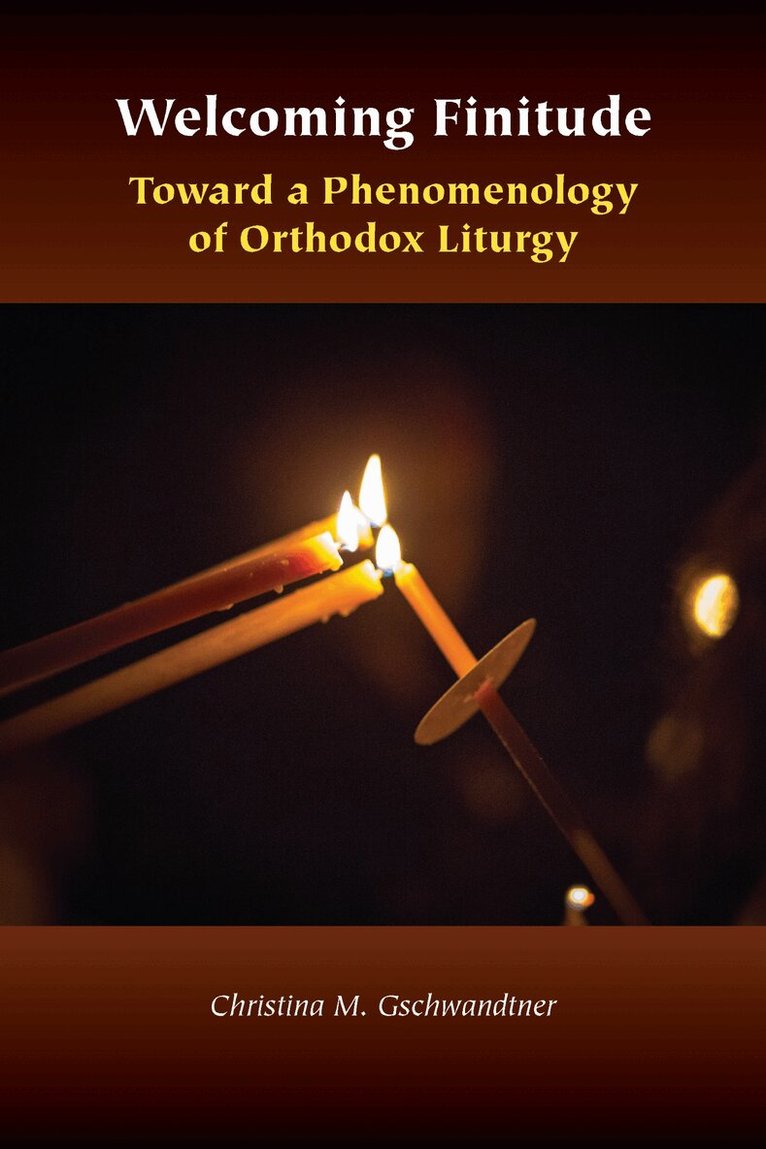
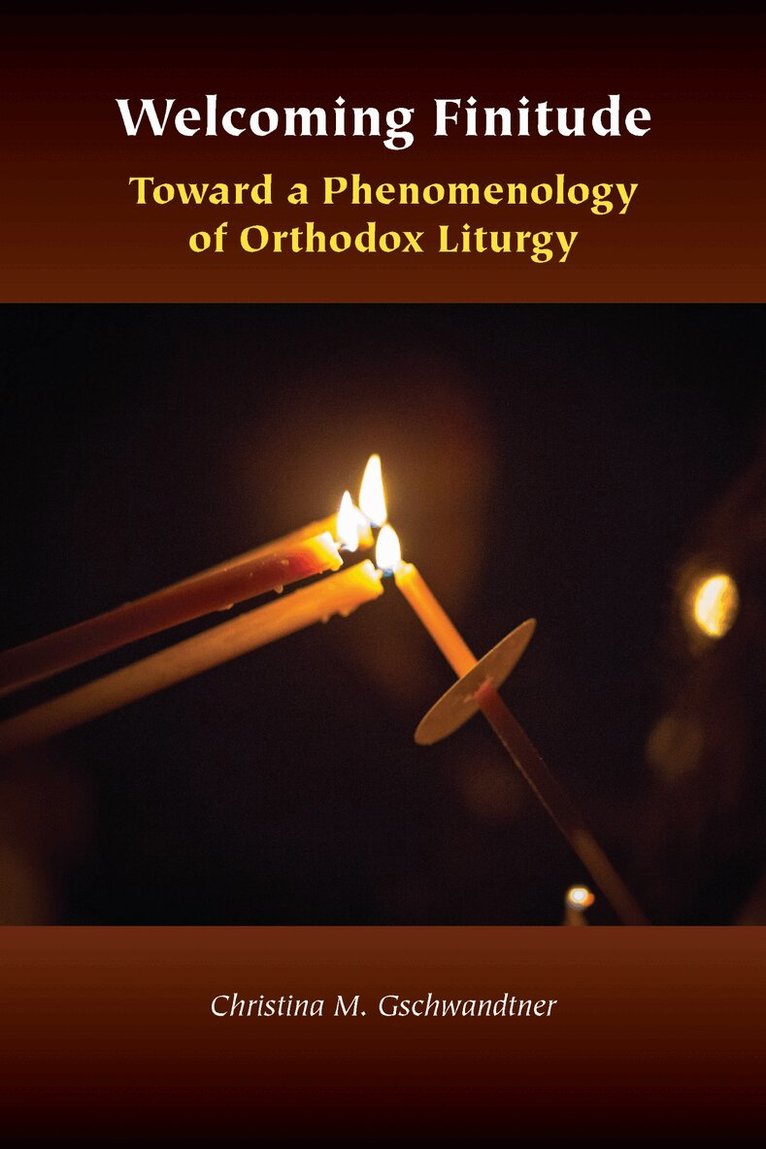
What does it mean to experience and engage in religious ritual? How does liturgy structure time and space? How do our bodies move within liturgy, and what impact does it have on our senses? How does the experience of ritual affect us and shape our emotions or dispositions? How is liturgy experienced as a communal event, and how does it form the identity of those who participate in it? Welcoming Finitude explores these broader questions about religious experience by focusing on the manifestation of liturgical experience in the Eastern Christian tradition. Drawing on the methodological tools of contemporary phenomenology and on insights from liturgical theology, the book constitutes a philosophical exploration of Orthodox liturgical experience.
399 kr
Skickas inom 7-10 vardagar
What does it mean to experience and engage in religious ritual? How does liturgy structure time and space? How do our bodies move within liturgy, and what impact does it have on our senses? How does the experience of ritual affect us and shape our emotions or dispositions? How is liturgy experienced as a communal event, and how does it form the identity of those who participate in it? Welcoming Finitude explores these broader questions about religious experience by focusing on the manifestation of liturgical experience in the Eastern Christian tradition. Drawing on the methodological tools of contemporary phenomenology and on insights from liturgical theology, the book constitutes a philosophical exploration of Orthodox liturgical experience.
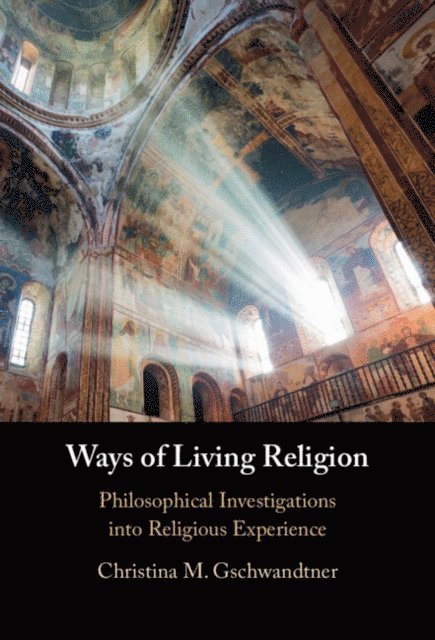
Ways of Living Religion
Philosophical Investigations into Religious Experience
Inbunden, Engelska, 2024
1 324 kr
Skickas inom 7-10 vardagar
Ways of Living Religion provides a philosophical analysis of different types of religious experience - ascetic, liturgical, monastic, mystical, devotional, compassionate, fundamentalist - that focuses on the lived experience of religion rather than reducing it to mere statements of belief or doctrine. Using phenomenology, Christina M. Gschwandtner distinguishes between different kinds of religious experiences by examining their central characteristics and defining features, as well as showing their continuity with human experience more broadly. The book is the first philosophical examination of several of these types, thus breaking new ground in philosophical thinking about religion. It is neither a confessional treatment nor a reduction of the lived experience to psychological or sociological phenomena. While Gschwandtner's treatment focuses on Christian forms of expression of these different types, it opens the path to broader examinations of ways of living religion that might enable scholars to give a more nuanced account of their similarities and differences.
1 142 kr
Skickas inom 10-15 vardagar
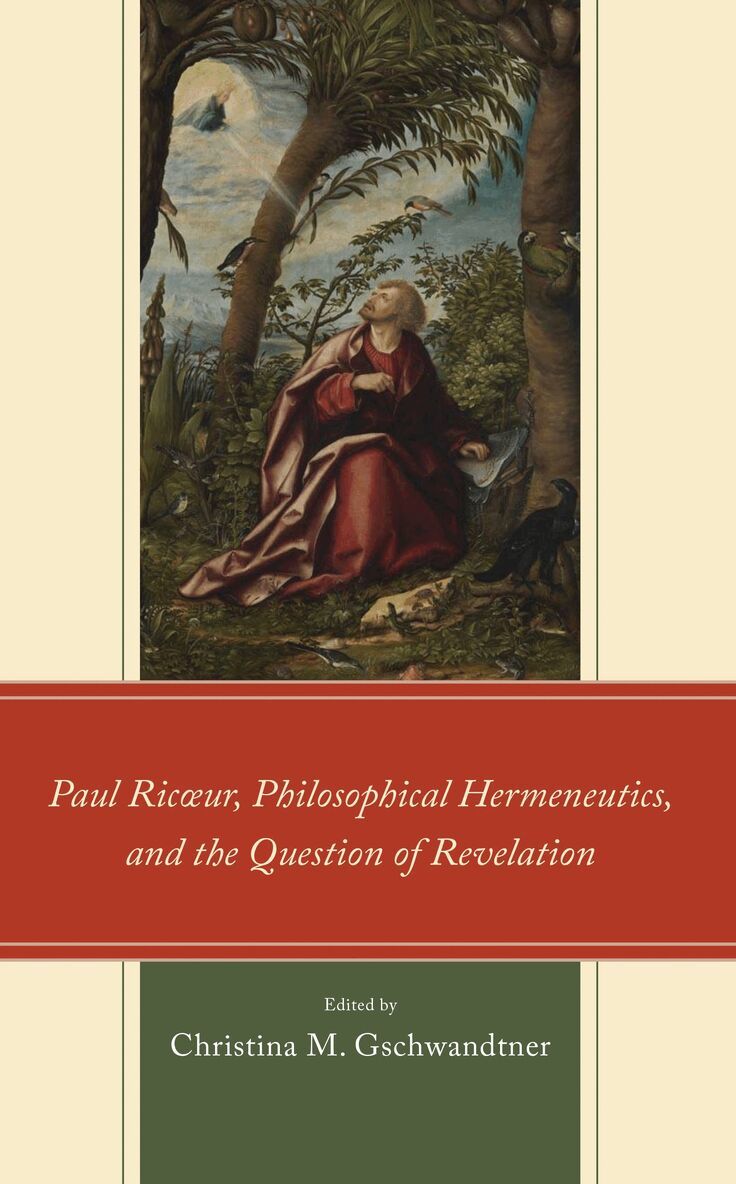
The topic of revelation is fundamental to any account of religious experience, playing a special role in the Judeo-Christian tradition where the texts of Scripture are regarded as revealed. Yet, any reflection on the revealed status of a given message or text requires interpretation. Paul Ricœur, one of the most important hermeneutic philosophers of the twentieth century, provides crucial insights on how such interpretation might proceed and what it might mean for texts to be revealed. Edited by Christina M. Gschwandtner, Paul Ricoeur, Philosophical Hermeneutics, and the Question of Revelation brings together major scholars of Ricœur’s work on the topic of revelation, showing both the role it already plays in his work and how his thinking might be taken further. Several contributors trace the development of his thought in regard to the concept of revelation. Others discuss the revelatory dimensions of Ricœur’s hermeneutics of the self, especially for such issues as identity, trauma, and forgiveness. Several contributions also place his work in conversation with that of other seminal thinkers on the topic of revelation, such as Karl Barth and Paul Tillich.
1 276 kr
Skickas inom 10-15 vardagar
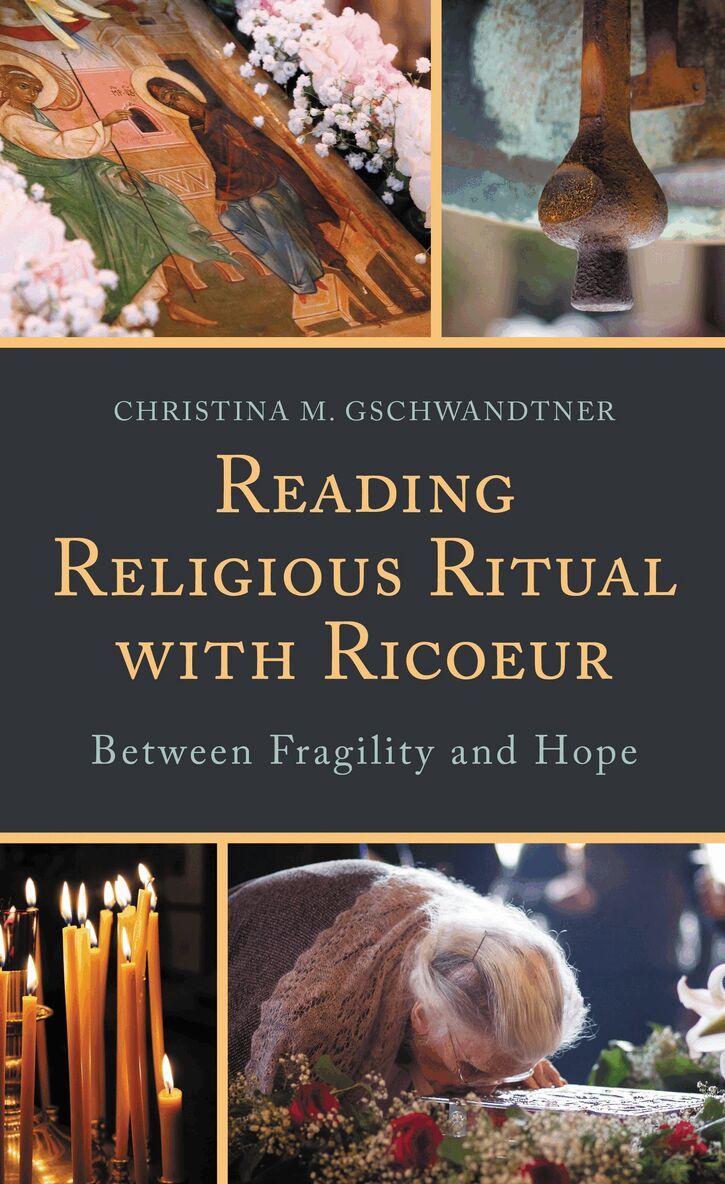
Reading Religious Ritual with Ricoeur: Between Fragility and Hope creates a dialogue between Ricœur’s hermeneutic philosophy and the interpretation of human ritual practices, especially as such practices are manifested within the context of Christian liturgy. In the first part of the book, Christina M. Gschwandtner shows that Ricœur’s account of religion would be deepened if it were to take into account not only the biblical texts but also forms of liturgical expression and ritual actions. She challenges Ricœur’s early reading of the symbol and second naïveté, broadens his interpretation of biblical texts and faith to consider religious actions more fully, and suggests that ritual can enhance human capacities. The second part of the book employs Ricœur’s hermeneutics in order to shed light on the analysis of liturgy, demonstrating that his accounts of truth, of the world of the text, of religious language, of the imagination, and of the formation of identity are all eminently applicable to liturgical experience. Reading Religious Ritual with Ricoeur shows that one of the most significant themes in Ricœur’s work—the tension between fragility and hope—is especially helpful for understanding what liturgy does and how it functions. Seeing how liturgy and ritual configure fragility and hope also enriches Ricœur’s account of the role and function of religion in human experience.
1 518 kr
Skickas inom 7-10 vardagar
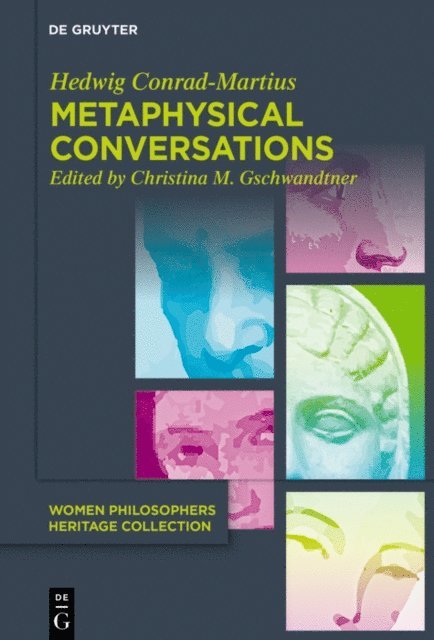
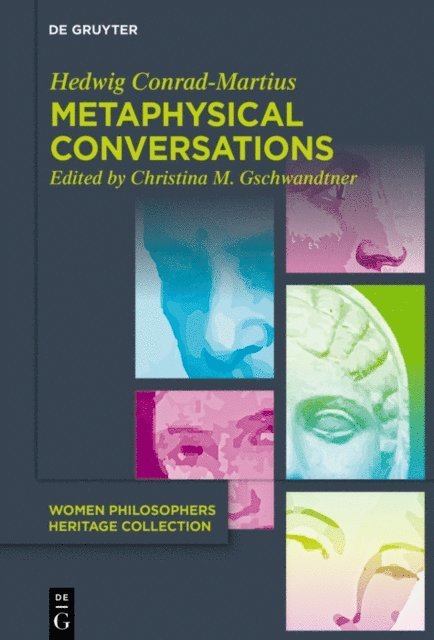
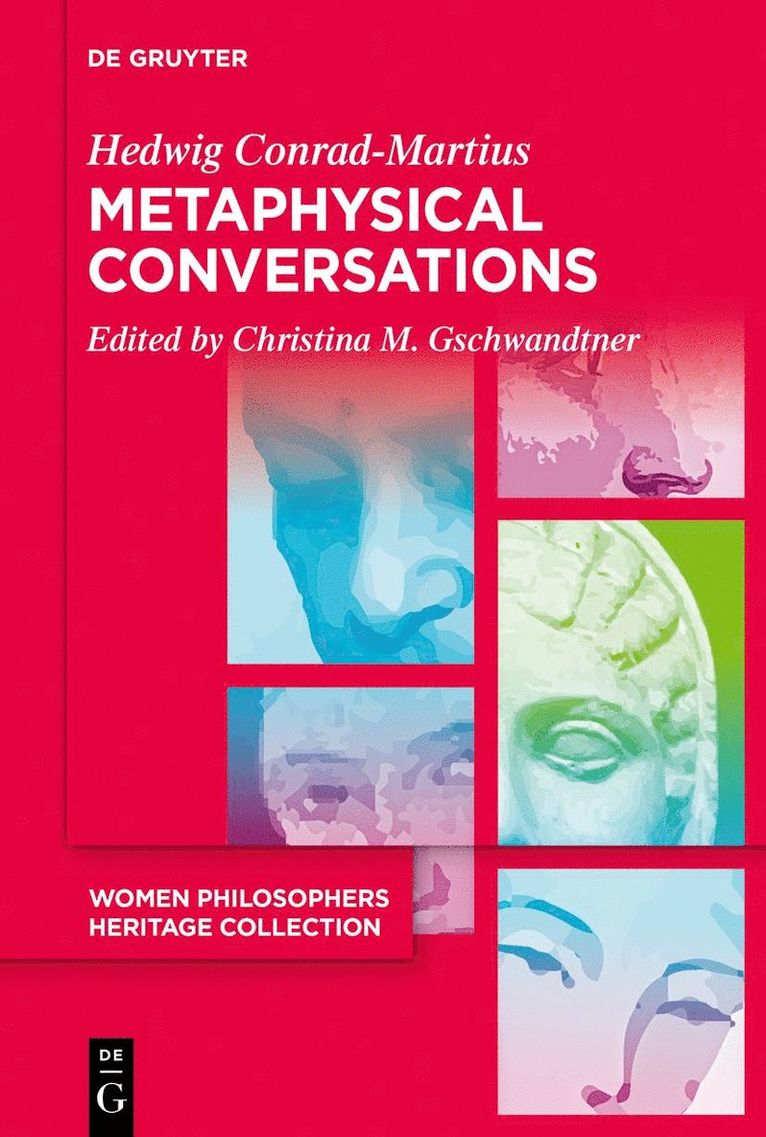
This is the first translation into English of early phenomenologist Hedwig Conrad-Martius’ Metaphysical Conversations, originally published in 1921. Conrad-Martius was one of Husserl’s first students, an important part of the Göttingen Phenomenology Circle and mentor to Edith Stein, Jean Héring, and other early phenomenologists. The present volume provides the full German and English texts of the conversations, a phenomenological discussion of the nature of the human, examining the nature of body, soul, and spirit, and drawing distinctions between plants, animals, humans, and various other beings. The volume also includes two important essays on phenomenology, in which Conrad-Martius distinguishes between the phenomenological approaches of Husserl, Heidegger, and the more ontological approach of the Göttingen school of phenomenology. She is critical of Husserl’s "transcendental" and Heidegger’s "existential" approach. The conversations illustrate her use of the phenomenological method for fundamental investigations into the nature (or Wesen) of things. Also available as paperback: https://www.degruyter.com/document/isbn/9783110764390/html
259 kr
Skickas inom 5-8 vardagar
This is the first translation into English of early phenomenologist Hedwig Conrad-Martius’ Metaphysical Conversations, originally published in 1921. Conrad-Martius was one of Husserl’s first students, an important part of the Göttingen Phenomenology Circle and mentor to Edith Stein, Jean Héring, and other early phenomenologists. The present volume provides the full German and English texts of the conversations, a phenomenological discussion of the nature of the human, examining the nature of body, soul, and spirit, and drawing distinctions between plants, animals, humans, and various other beings. The volume also includes two important essays on phenomenology, in which Conrad-Martius distinguishes between the phenomenological approaches of Husserl, Heidegger, and the more ontological approach of the Göttingen school of phenomenology. She is critical of Husserl’s "transcendental" and Heidegger’s "existential" approach. The conversations illustrate her use of the phenomenological method for fundamental investigations into the nature (or Wesen) of things.
397 kr
Kommande
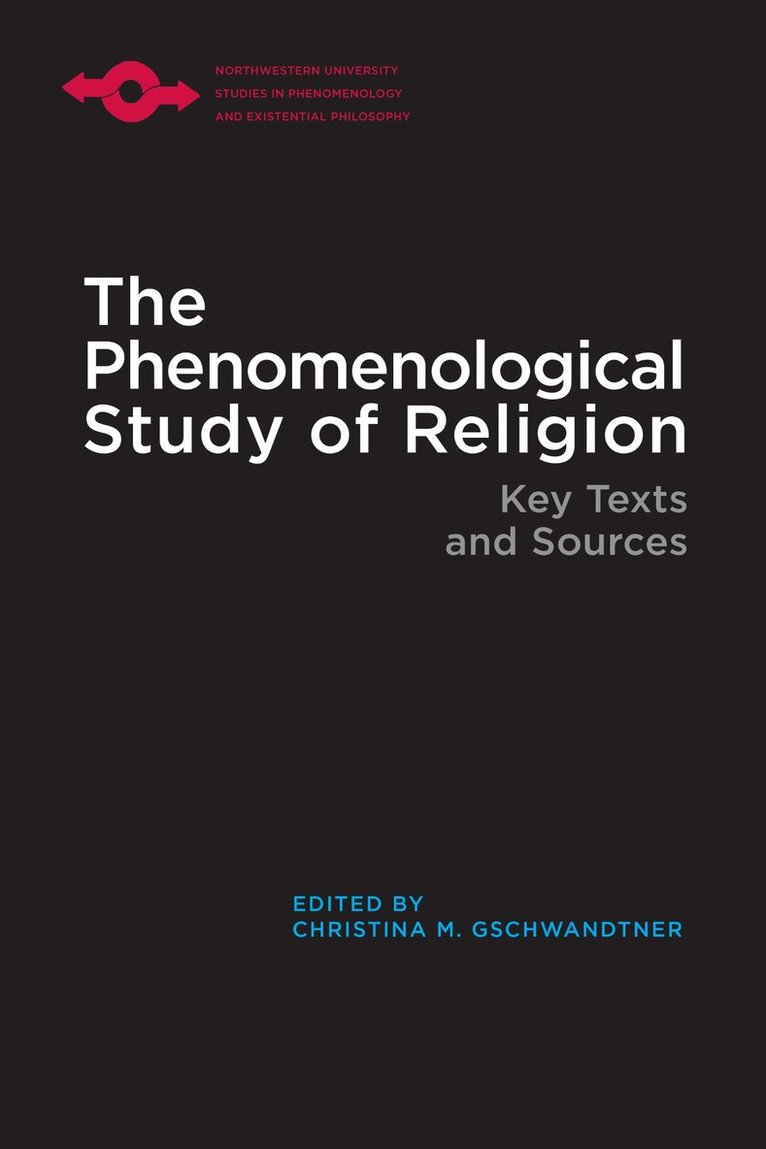
Presenting a wide-ranging selection of works and commentary in religious phenomenologyPhenomenology is a central method employed to study religious phenomena within religious studies, philosophy of religion, and philosophical theology. This expertly edited collection brings together historical sources and newly commissioned essays from various ways of investigating religion phenomenologically both to diversify the field and to make available important works that have not been previously translated into English. The Phenomenological Study of Religion includes not only representative texts from well-known phenomenological philosophers and scholars of religion but also selections from significant thinkers that have not been studied as widely, along with contributions from leading contemporary voices. This volume offers scholars and students at all levels of expertise broad exposure to the various configurations of the phenomenological study of religion.
1 308 kr
Kommande
Presenting a wide-ranging selection of works and commentary in religious phenomenologyPhenomenology is a central method employed to study religious phenomena within religious studies, philosophy of religion, and philosophical theology. This expertly edited collection brings together historical sources and newly commissioned essays from various ways of investigating religion phenomenologically both to diversify the field and to make available important works that have not been previously translated into English. The Phenomenological Study of Religion includes not only representative texts from well-known phenomenological philosophers and scholars of religion but also selections from significant thinkers that have not been studied as widely, along with contributions from leading contemporary voices. This volume offers scholars and students at all levels of expertise broad exposure to the various configurations of the phenomenological study of religion.