The United States has long resisted reckoning with its past atrocities. In recent years, however, a full-fledged "politics of regret" has finally coalesced to challenge canonical narratives of national innocence and exceptionalism. In The Reverberating Past, Christina Simko chronicles how the politics of regret emerged out of a pervasive trauma culture that supplanted a future-oriented faith in progress. At new sites of racial reckoning, such as the Alabama-based National Memorial for Peace and Justice, designers have fused the language of trauma and terror with a lineage of Black thought that has consistently testified to the enduring presence of the past, including the afterlives of slavery, in the United States. Yet as the politics of regret solidified, a populist nostalgia has also arisen to contest the boundaries of the past, similarly rooted in trauma culture. Instead of mourning the reverberating legacies of violence or vowing to eradicate them, populist nostalgia promises to restore a lost past, often through the very symbols and structures that have perpetuated racial violence and inequality.By exploring the modern legacy of trauma in U.S. memorial sites and museums, The Reverberating Past reveals what is at stake in the tense—and, at times, violent—confrontation between nostalgia and regret, and how representations of the past shape our capacity to imagine alternative futures.
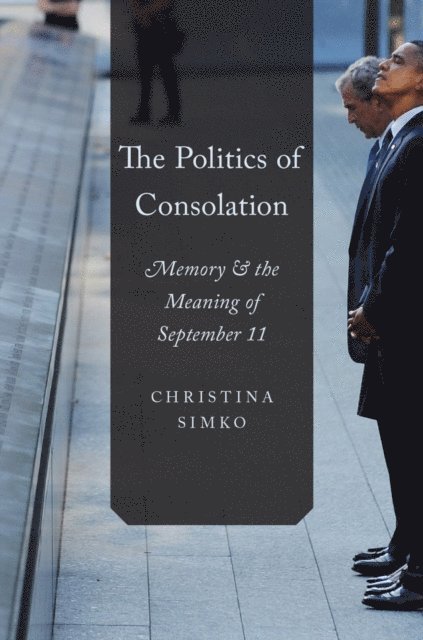
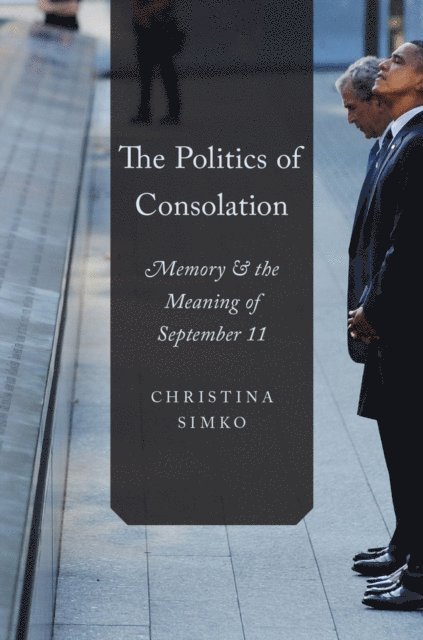
What meaning can be found in calamity and suffering? This question is in some sense perennial, reverberating through the canons of theology, philosophy, and literature. Today, The Politics of Consolation reveals, it is also a significant part of American political leadership. Faced with uncertainty, shock, or despair, Americans frequently look to political leaders for symbolic and existential guidance, for narratives that bring meaning to the confrontation with suffering, loss, and finitude. Politicians, in turn, increasingly recognize consolation as a cultural expectation, and they often work hard to fulfill it. The events of September 11, 2001 raised these questions of meaning powerfully. How were Americans to make sense of the violence that unfolded on that sunny Tuesday morning? This book examines how political leaders drew upon a long tradition of consolation discourse in their effort to interpret September 11, arguing that the day's events were mediated through memories of past suffering in decisive ways. It then traces how the struggle to define the meaning of September 11 has continued in foreign policy discourse, commemorative ceremonies, and the contentious redevelopment of the World Trade Center site in lower Manhattan.
What meaning can be found in calamity and suffering? This question is in some sense perennial, reverberating through the canons of theology, philosophy, and literature. Today, The Politics of Consolation reveals, it is also a significant part of American political leadership. Faced with uncertainty, shock, or despair, Americans frequently look to political leaders for symbolic and existential guidance, for narratives that bring meaning to the confrontation with suffering, loss, and finitude. Politicians, in turn, increasingly recognize consolation as a cultural expectation, and they often work hard to fulfill it. The events of September 11, 2001 raised these questions of meaning powerfully. How were Americans to make sense of the violence that unfolded on that sunny Tuesday morning? This book examines how political leaders drew upon a long tradition of consolation discourse in their effort to interpret September 11, arguing that the day''s events were mediated through memories of past suffering in decisive ways. It then traces how the struggle to define the meaning of September 11 has continued in foreign policy discourse, commemorative ceremonies, and the contentious redevelopment of the World Trade Center site in lower Manhattan.