Christina Staudt – författare
Visar alla böcker från författaren Christina Staudt. Handla med fri frakt och snabb leverans.
5 produkter
5 produkter
E-bok
Engelska, 20131 747 kr
Läs direkt efter köp
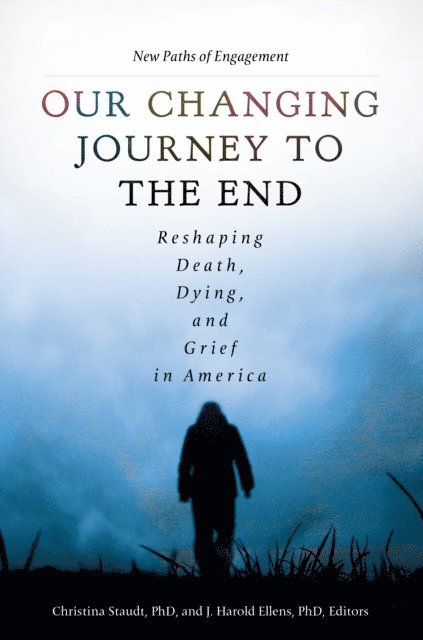
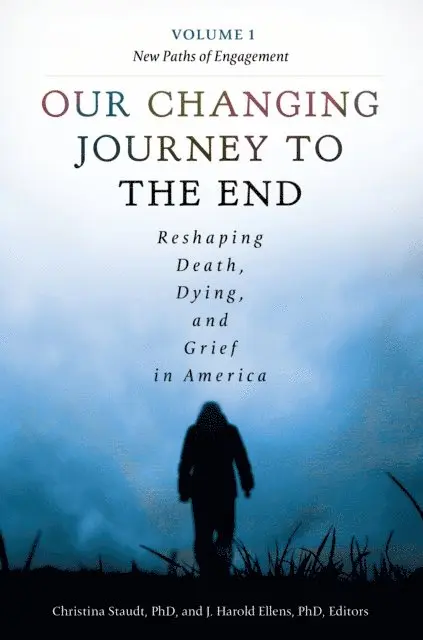
This novel, cross-disciplinary collection explains how dying, death, and grieving have changed in America, for better or worse, since the turn of the millennium.What does dying with dignity mean in a diverse society with rapidly advancing technology, an aging population, and finite resources? In this fascinating collection, scholars from across the nation illuminate the remarkable changes that have taken place in recent years, are now underway, and loom on the horizon as they lead readers on an exploration of the ways Americans think about and handle dying and death. Volume 1, New Paths of Engagement, addresses changes in the circumstances and expressions of death, dying, and grief in 21st-century America. Volume 2, New Venues in the Search for Dignity and Grace, delves into the challenges inherent in creating a medical and social system that allows for an optimal end-of-life experience for all and proposes ways in which society can be reshaped to move toward that ideal.
Inbunden, Engelska, 2021
859 kr
Skickas inom 10-15 vardagar
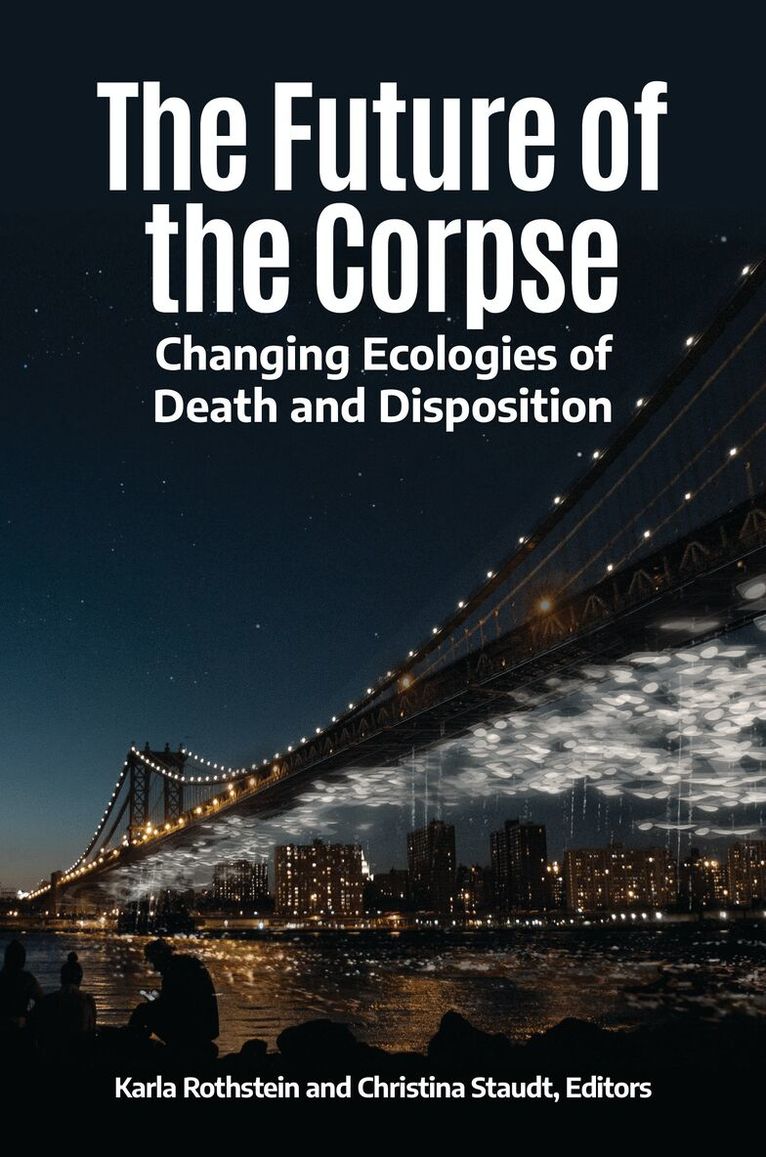
This book reviews the spectrum of death, from when the living person turns to corpse until the person lives in the memory of mourners, and its impact on the ecology of the socio-cultural community and physical environment.This book demonstrates that American society today is in a pivotal period for re-imaging end-of-life care, funerary services, human disposition methods, memorializing, and mourning. The editors and contributors outline the past, present, and future of death care rituals, pointing to promising new practices and innovative projects that show how we can better integrate the dying and dead with the living and create positive change that supports sustainable stewardship of our environment. Individual chapters describe prevailing practices and issues in different settings where people die and in postmortem rituals; disposition and current ecologically and, in urban areas, spatially unsustainable methods; law of human remains; customs and trends among key stakeholders, such as cemeteries and funeral directors; and relevant technological advances. The book culminates in a presentation of emerging sustainable disposition technologies and innovative designs for proposed public memorial projects that respond to shifting values, beliefs, and priorities among an increasingly diverse population.
E-bok
Engelska, 2021876 kr
Läs direkt efter köp
This book reviews the spectrum of death, from when the living person turns to corpse until the person lives in the memory of mourners, and its impact on the ecology of the socio-cultural community and physical environment.This book demonstrates that American society today is in a pivotal period for re-imaging end-of-life care, funerary services, human disposition methods, memorializing, and mourning. The editors and contributors outline the past, present, and future of death care rituals, pointing to promising new practices and innovative projects that show how we can better integrate the dying and dead with the living and create positive change that supports sustainable stewardship of our environment. Individual chapters describe prevailing practices and issues in different settings where people die and in postmortem rituals; disposition and current ecologically and, in urban areas, spatially unsustainable methods; law of human remains; customs and trends among key stakeholders, such as cemeteries and funeral directors; and relevant technological advances. The book culminates in a presentation of emerging sustainable disposition technologies and innovative designs for proposed public memorial projects that respond to shifting values, beliefs, and priorities among an increasingly diverse population.
E-bok
Engelska, 2021911 kr
Läs direkt efter köp
This book reviews the spectrum of death, from when the living person turns to corpse until the person lives in the memory of mourners, and its impact on the ecology of the socio-cultural community and physical environment.This book demonstrates that American society today is in a pivotal period for re-imaging end-of-life care, funerary services, human disposition methods, memorializing, and mourning. The editors and contributors outline the past, present, and future of death care rituals, pointing to promising new practices and innovative projects that show how we can better integrate the dying and dead with the living and create positive change that supports sustainable stewardship of our environment. Individual chapters describe prevailing practices and issues in different settings where people die and in postmortem rituals; disposition and current ecologically and, in urban areas, spatially unsustainable methods; law of human remains; customs and trends among key stakeholders, such as cemeteries and funeral directors; and relevant technological advances. The book culminates in a presentation of emerging sustainable disposition technologies and innovative designs for proposed public memorial projects that respond to shifting values, beliefs, and priorities among an increasingly diverse population.
E-bok
Engelska, 20131 786 kr
Läs direkt efter köp
This novel, cross-disciplinary collection explains how dying, death, and grieving have changed in America, for better or worse, since the turn of the millennium.What does dying with dignity mean in a diverse society with rapidly advancing technology, an aging population, and finite resources? In this fascinating collection, scholars from across the nation illuminate the remarkable changes that have taken place in recent years, are now underway, and loom on the horizon as they lead readers on an exploration of the ways Americans think about and handle dying and death. Volume 1, New Paths of Engagement, addresses changes in the circumstances and expressions of death, dying, and grief in 21st-century America. Volume 2, New Venues in the Search for Dignity and Grace, delves into the challenges inherent in creating a medical and social system that allows for an optimal end-of-life experience for all and proposes ways in which society can be reshaped to move toward that ideal.