Christine Frison – författare
Visar alla böcker från författaren Christine Frison. Handla med fri frakt och snabb leverans.
10 produkter
10 produkter
Häftad, Engelska, 2020
605 kr
Skickas inom 10-15 vardagar
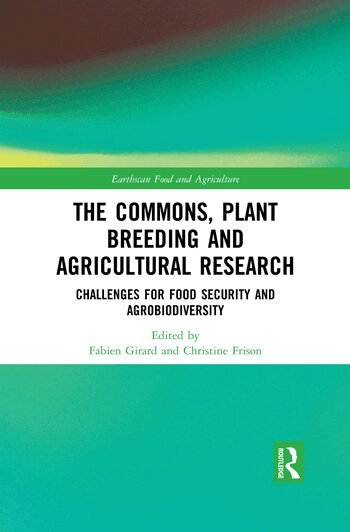
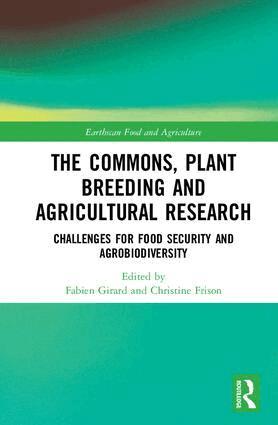
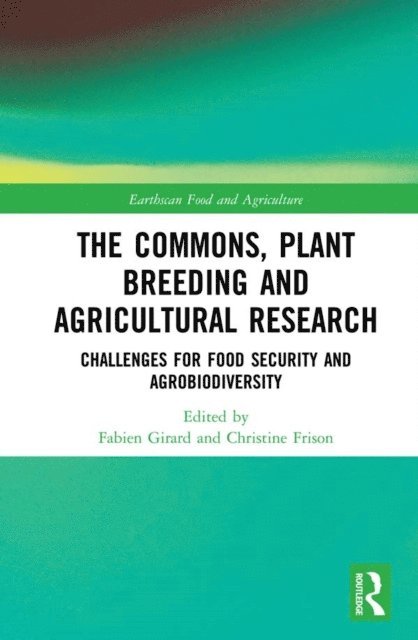
The joint challenges of population increase, food security and conservation of agrobiodiversity demand a rethink of plant breeding and agricultural research from a different perspective. While more food is undeniably needed, the key question is rather about how to produce it in a way that sustains biological diversity and mitigates climate change. This book shows how social sciences, and more especially law, can contribute towards reconfiguring current legal frameworks in order to achieving a better balance between the necessary requirements of agricultural innovation and the need for protection of agrobiodiversity. On the assumption that the concept of property can be rethought against the background of the 'right to include', so as to endow others with a common 'right to access' genetic resources, several international instruments and contractual arrangements drawn from the plant-breeding field (including the Convention on Biological Diversity, technology exchange clearing houses and open sources licenses) receive special consideration. In addition, the authors explore the tension between ownership and the free circulation and exchange of germplasm and issues such as genetic resources managed by local and indigenous communities, the ITPGRFA and participatory plant-breeding programmes. As a whole, the book demonstrates the relevance of the 'Commons' for plant breeding and agricultural innovation.
Häftad, Engelska, 2020
579 kr
Skickas inom 10-15 vardagar
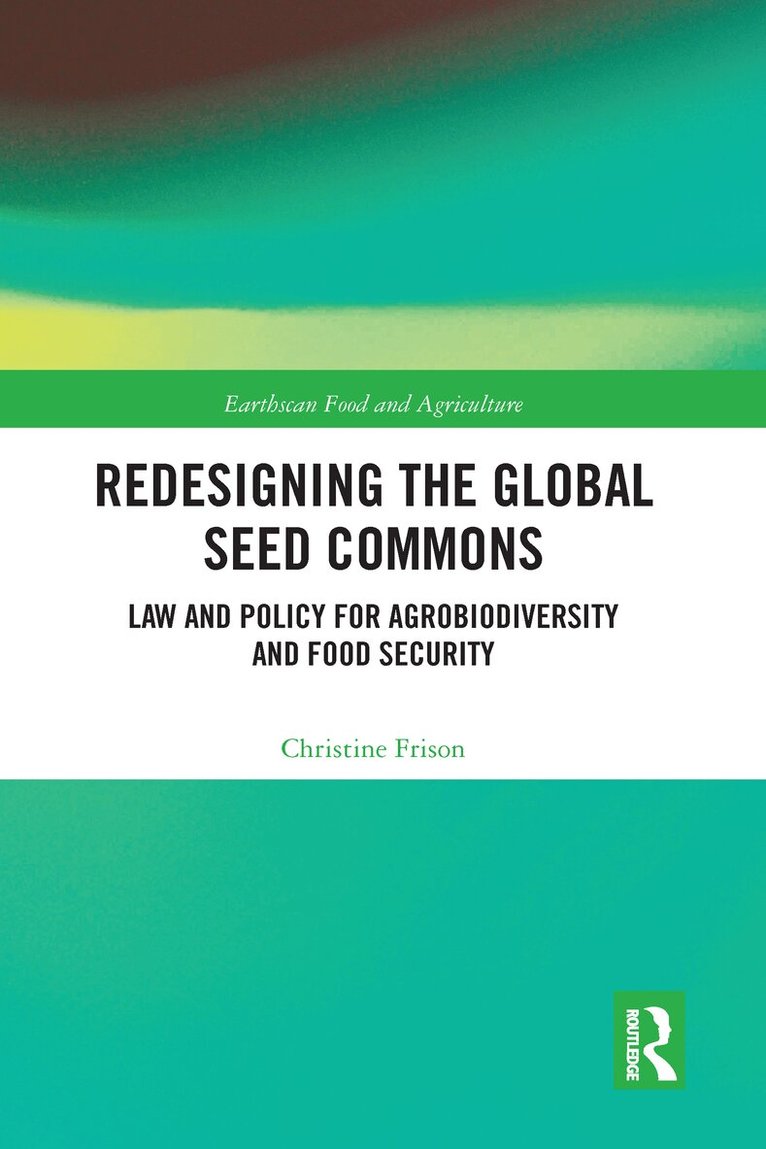
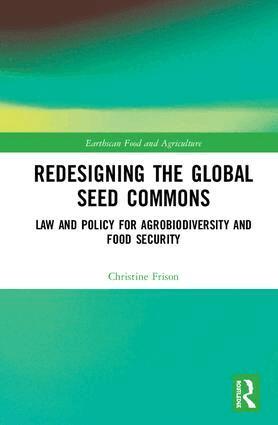
There is much current controversy over whether the rights to seeds or plant genetic resources should be owned by the private sector or be common property. This book addresses the legal and policy aspects of the multilateral seed management regime. First, it studies in detail the International Treaty on Plant Genetic Resources for Food and Agriculture (the Treaty) in order to understand and identify its dysfunctions. Second, it proposes solutions - using recent developments of the "theory of the commons" - to improve the collective seed management system of the Treaty, a necessary condition for its member states to reach the overall food security and sustainable agriculture goals. Redesigning the Global Seed Commons provides a significant contribution to the current political and academic debates on agrobiodiversity law and governance, and on food security and food sovereignty, by analyzing key issues under the Treaty that affect the design and implementation of regulatory instruments managing seeds as a commons. It also examines the practical, legal, political and economic problems encountered in the attempt to implement these obligations in contemporary settings. In particular, it considers how to improve the Treaty implementation by proposing ways for Contracting Parties to better reach the Treaty’s objectives taking a holistic view of the human-seed ecosystem. Following the tenth anniversary of the functioning the Treaty’s multilateral system of access and benefit-sharing, which is currently under review by its Contracting Parties, this book is well-timed to examine recent developments in the field and guide the current review process to design a truly Global Seed Commons.
Häftad, Engelska, 2022
512 kr
Skickas inom 10-15 vardagar
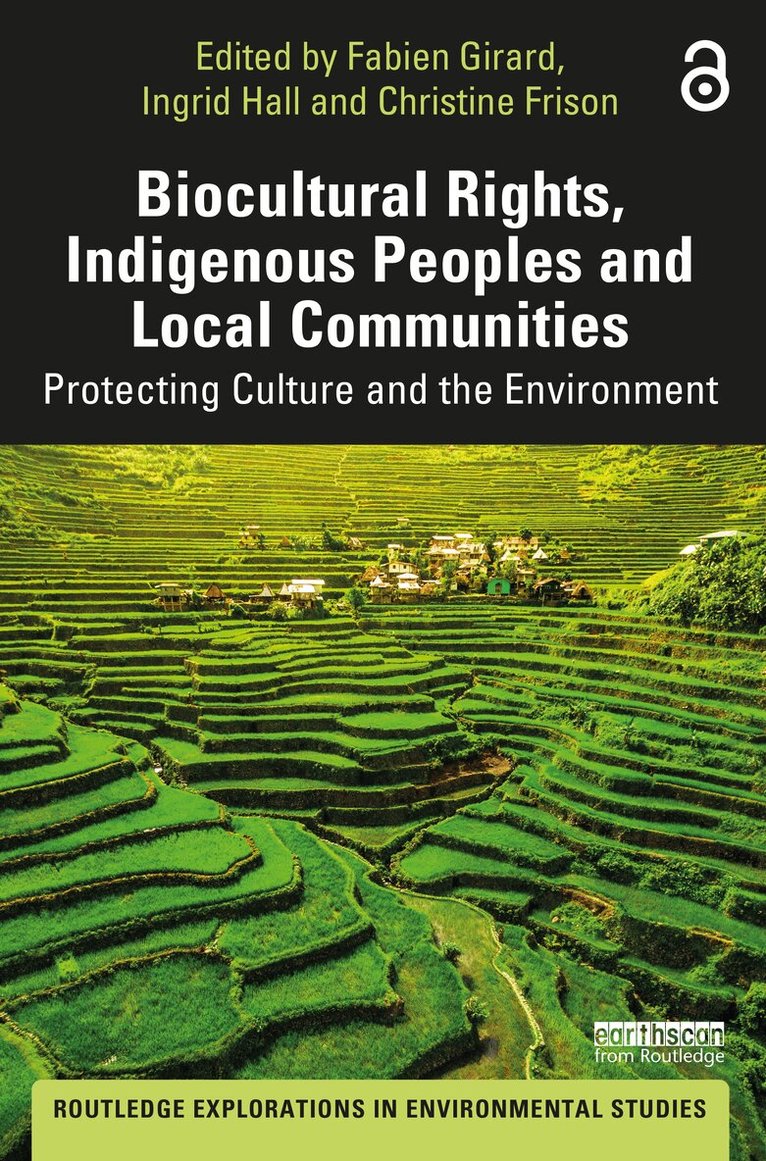
This volume presents a comprehensive overview of biocultural rights, examining how we can promote the role of indigenous peoples and local communities as environmental stewards and how we can ensure that their ways of life are protected. With Biocultural Community Protocols (BCPs) or Community Protocols (CPs) being increasingly seen as a powerful way of tackling this immense challenge, this book investigates these new instruments and considers the lessons that can be learnt about the situation of indigenous peoples and local communities. It opens with theoretical insights which provide the reader with foundational concepts such as biocultural diversity, biocultural rights and community rule-making. In Part Two, the book moves on to community protocols within the Access Benefit Sharing (ABS) context, while taking a glimpse into the nature and role of community protocols beyond issues of access to genetic resources and traditional knowledge. A thorough review of specific cases drawn from field-based research around the world is presented in this part. Comprehensive chapters also explore the negotiation process and raise stimulating questions about the role of international brokers and organizations and the way they can use BCPs/CPs as disciplinary tools for national and regional planning or to serve powerful institutional interests. Finally, the third part of the book considers whether BCPs/CPs, notably through their emphasis on "stewardship of nature" and "tradition", can be seen as problematic arrangements that constrain indigenous peoples within the Western imagination, without any hope of them reconstructing their identities according to their own visions, or whether they can be seen as political tools and representational strategies used by indigenous peoples in their struggle for greater rights to their land, territories and resources, and for more political space. This volume will be of great interest to students and scholars of environmental law, indigenous peoples, biodiversity conservation and environmental anthropology. It will also be of great use to professionals and policymakers involved in environmental management and the protection of indigenous rights.The Open Access version of this book, available at www.taylorfrancis.com, has been made available under a Creative Commons Attribution-Non Commercial-No Derivatives 4.0 license
Inbunden, Engelska, 2022
1 966 kr
Skickas inom 10-15 vardagar
This volume presents a comprehensive overview of biocultural rights, examining how we can promote the role of indigenous peoples and local communities as environmental stewards and how we can ensure that their ways of life are protected. With Biocultural Community Protocols (BCPs) or Community Protocols (CPs) being increasingly seen as a powerful way of tackling this immense challenge, this book investigates these new instruments and considers the lessons that can be learnt about the situation of indigenous peoples and local communities. It opens with theoretical insights which provide the reader with foundational concepts such as biocultural diversity, biocultural rights and community rule-making. In Part Two, the book moves on to community protocols within the Access Benefit Sharing (ABS) context, while taking a glimpse into the nature and role of community protocols beyond issues of access to genetic resources and traditional knowledge. A thorough review of specific cases drawn from field-based research around the world is presented in this part. Comprehensive chapters also explore the negotiation process and raise stimulating questions about the role of international brokers and organizations and the way they can use BCPs/CPs as disciplinary tools for national and regional planning or to serve powerful institutional interests. Finally, the third part of the book considers whether BCPs/CPs, notably through their emphasis on "stewardship of nature" and "tradition", can be seen as problematic arrangements that constrain indigenous peoples within the Western imagination, without any hope of them reconstructing their identities according to their own visions, or whether they can be seen as political tools and representational strategies used by indigenous peoples in their struggle for greater rights to their land, territories and resources, and for more political space. This volume will be of great interest to students and scholars of environmental law, indigenous peoples, biodiversity conservation and environmental anthropology. It will also be of great use to professionals and policymakers involved in environmental management and the protection of indigenous rights.The Open Access version of this book, available at www.taylorfrancis.com, has been made available under a Creative Commons Attribution-Non Commercial-No Derivatives 4.0 license
Inbunden, Engelska, 2013
1 702 kr
Skickas inom 7-10 vardagar
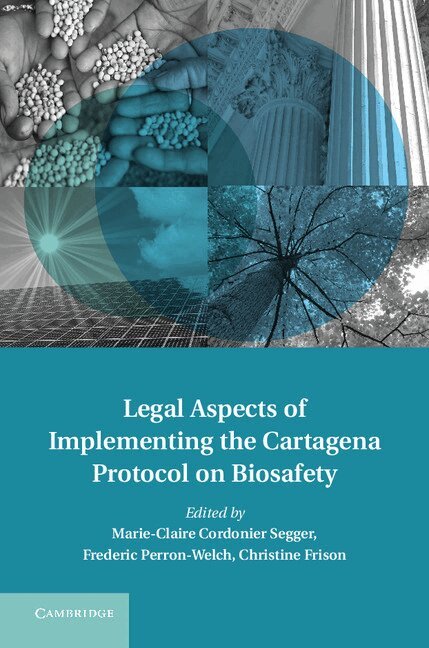
This book, the first in a series that focuses on treaty implementation for sustainable development, examines key legal aspects of implementing the Cartagena Protocol on Biosafety to the UN Convention on Biological Diversity (CBD) at national and international levels. The volume provides a serious contribution to the current legal and political academic debates on biosafety by discussing key issues under the Cartagena Protocol on Biosafety that affect the further design of national and international law on biosafety, and analyzing progress in the development of domestic regulatory regimes for biosafety. In the year of the fifth UN Meeting of the Parties to the Cartagena Protocol on Biosafety, at the signature of a new Nagoya-Kuala Lumpur Protocol on Liability and Redress, this timely book examines developments in biosafety law and policy.
Häftad, Engelska, 2014
615 kr
Skickas inom 7-10 vardagar
This book, the first in a series that focuses on treaty implementation for sustainable development, examines key legal aspects of implementing the Cartagena Protocol on Biosafety to the UN Convention on Biological Diversity (CBD) at national and international levels. The volume provides a serious contribution to the current legal and political academic debates on biosafety by discussing key issues under the Cartagena Protocol on Biosafety that affect the further design of national and international law on biosafety, and analyzing progress in the development of domestic regulatory regimes for biosafety. In the year of the fifth UN Meeting of the Parties to the Cartagena Protocol on Biosafety, at the signature of a new Nagoya-Kuala Lumpur Protocol on Liability and Redress, this timely book examines developments in biosafety law and policy.
Inbunden, Engelska, 2018
2 043 kr
Skickas inom 10-15 vardagar
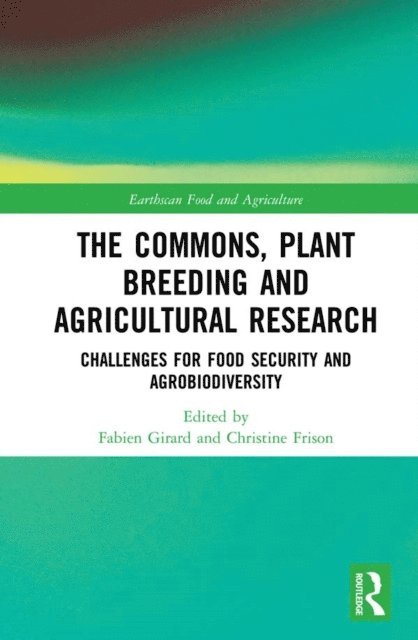
The joint challenges of population increase, food security and conservation of agrobiodiversity demand a rethink of plant breeding and agricultural research from a different perspective. While more food is undeniably needed, the key question is rather about how to produce it in a way that sustains biological diversity and mitigates climate change. This book shows how social sciences, and more especially law, can contribute towards reconfiguring current legal frameworks in order to achieving a better balance between the necessary requirements of agricultural innovation and the need for protection of agrobiodiversity. On the assumption that the concept of property can be rethought against the background of the 'right to include', so as to endow others with a common 'right to access' genetic resources, several international instruments and contractual arrangements drawn from the plant-breeding field (including the Convention on Biological Diversity, technology exchange clearing houses and open sources licenses) receive special consideration. In addition, the authors explore the tension between ownership and the free circulation and exchange of germplasm and issues such as genetic resources managed by local and indigenous communities, the ITPGRFA and participatory plant-breeding programmes. As a whole, the book demonstrates the relevance of the 'Commons' for plant breeding and agricultural innovation.
Inbunden, Engelska, 2018
1 979 kr
Skickas inom 10-15 vardagar
There is much current controversy over whether the rights to seeds or plant genetic resources should be owned by the private sector or be common property. This book addresses the legal and policy aspects of the multilateral seed management regime. First, it studies in detail the International Treaty on Plant Genetic Resources for Food and Agriculture (the Treaty) in order to understand and identify its dysfunctions. Second, it proposes solutions - using recent developments of the "theory of the commons" - to improve the collective seed management system of the Treaty, a necessary condition for its member states to reach the overall food security and sustainable agriculture goals. Redesigning the Global Seed Commons provides a significant contribution to the current political and academic debates on agrobiodiversity law and governance, and on food security and food sovereignty, by analyzing key issues under the Treaty that affect the design and implementation of regulatory instruments managing seeds as a commons. It also examines the practical, legal, political and economic problems encountered in the attempt to implement these obligations in contemporary settings. In particular, it considers how to improve the Treaty implementation by proposing ways for Contracting Parties to better reach the Treaty’s objectives taking a holistic view of the human-seed ecosystem. Following the tenth anniversary of the functioning the Treaty’s multilateral system of access and benefit-sharing, which is currently under review by its Contracting Parties, this book is well-timed to examine recent developments in the field and guide the current review process to design a truly Global Seed Commons.
Inbunden, Engelska, 2011
2 170 kr
Skickas inom 10-15 vardagar
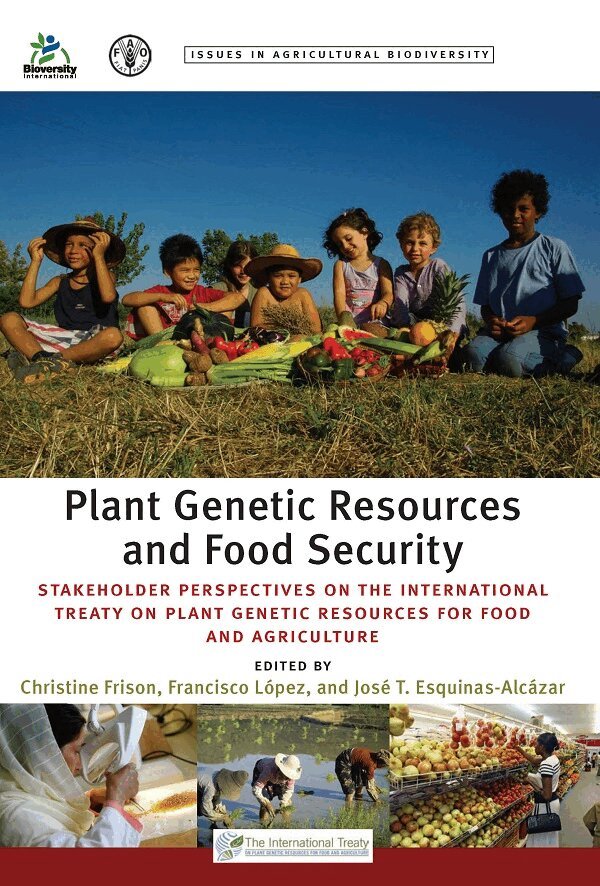
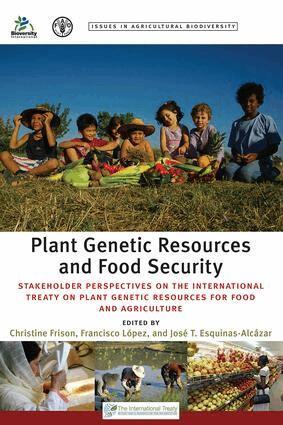
The International Treaty on Plant Genetic Resources for Food and Agriculture (ITPGRFA) is a pivotal piece of recent legislation, providing a route map for the use of such resources for sustainable agriculture and food security. Plant Genetic Resources and Food Security explains clearly the different interests and views at stake between all players in the global food chain. It touches upon many issues such as international food governance and policy, economic aspects of food and seed trade, conservation and sustainable use of food and agricultural biodiversity, hunger alleviation, ecological concerns, consumers' protection, fairness and equity between nations and generations, plant breeding techniques and socio-economic benefits related to food local economies. The book shows that despite the conflicting interests at stake, players managed to come to an agreement on food and agriculture for the sake of food security and hunger alleviation in the world. Published with the Food and Agriculture Organization (FAO) of the United Nations and with Bioversity International.
Häftad, Engelska, 2011
681 kr
Skickas inom 10-15 vardagar
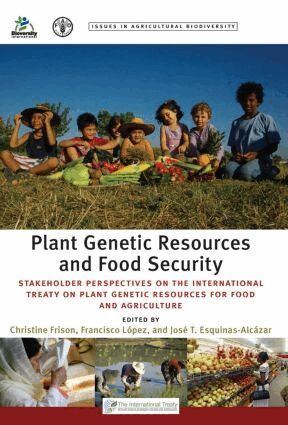
The International Treaty on Plant Genetic Resources for Food and Agriculture (ITPGRFA) is a pivotal piece of recent legislation, providing a route map for the use of such resources for sustainable agriculture and food security. Plant Genetic Resources and Food Security explains clearly the different interests and views at stake between all players in the global food chain. It touches upon many issues such as international food governance and policy, economic aspects of food and seed trade, conservation and sustainable use of food and agricultural biodiversity, hunger alleviation, ecological concerns, consumers' protection, fairness and equity between nations and generations, plant breeding techniques and socio-economic benefits related to food local economies. The book shows that despite the conflicting interests at stake, players managed to come to an agreement on food and agriculture for the sake of food security and hunger alleviation in the world. Published with the Food and Agriculture Organization (FAO) of the United Nations and with Bioversity International.