Christine Reh – författare
Visar alla böcker från författaren Christine Reh. Handla med fri frakt och snabb leverans.
13 produkter
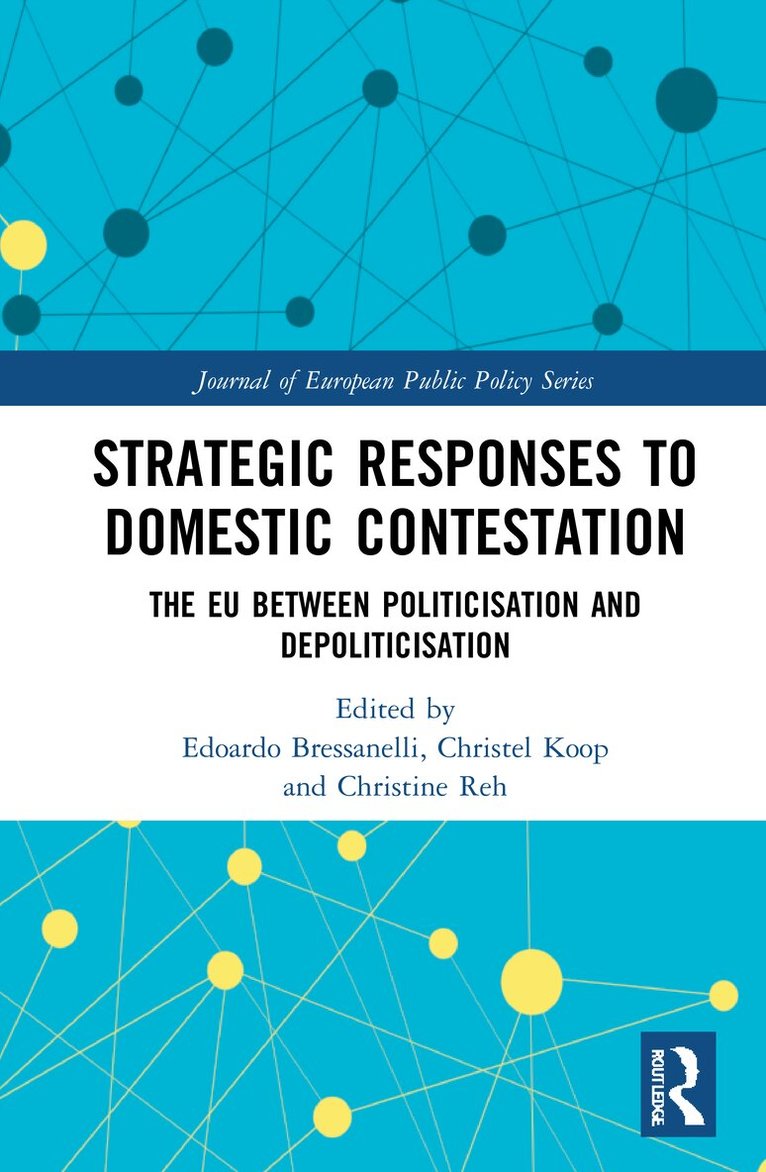
Strategic Responses to Domestic Contestation
The EU Between Politicisation and Depoliticisation
Av Edoardo Bressanelli, Christel Koop m. fl.
Inbunden, 2021
2314 kr
Lägg i varukorg
How have EU-level actors responded to the increase in salience and contestation across the member states? This volume explores and explains the actors’ strategic responses and emphasises that domestic pressure has triggered both depoliticisation and politicisation.Long gone are the times when EU …
Strategic Responses to Domestic Contestation
The EU Between Politicisation and Depoliticisation
Av Edoardo Bressanelli, Christel Koop m. fl.
Häftad, 2023
637 kr
Lägg i varukorg
How have EU-level actors responded to the increase in salience and contestation across the member states? This volume explores and explains the actors’ strategic responses and emphasises that domestic pressure has triggered both depoliticisation and politicisation.Long gone are the times when EU …
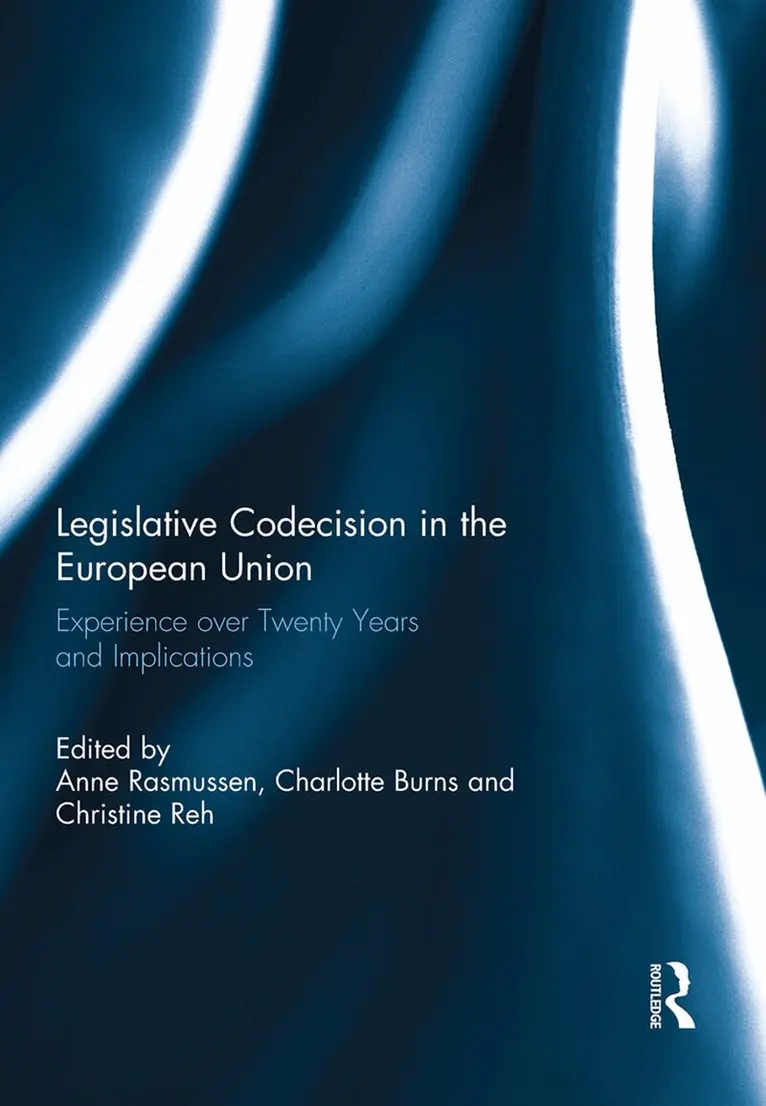
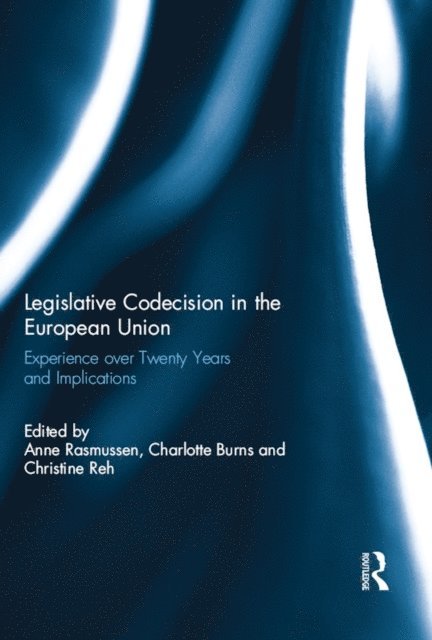
Legislative Codecision in the European Union
Experience over Twenty Years and Implications
Av Anne Rasmussen, Charlotte Burns m. fl.
Inbunden, 2014
2515 kr
Lägg i varukorg
This volume takes stock of twenty years of practising and studying codecision in the European Union (EU) and examines the procedure’s long-term implications for the EU’s institutions, politics and policies. The introduction of co-legislation between the Council of Ministers and the European …
Strategic Responses to Domestic Contestation
The EU Between Politicisation and Depoliticisation
Av Christine Reh, Christel Koop m. fl.
E-bok, 2021
814 kr
Lägg i varukorg
How have EU-level actors responded to the increase in salience and contestation across the member states? This volume explores and explains the actors’ strategic responses and emphasises that domestic pressure has triggered both depoliticisation and politicisation. Long gone are the times when EU …
Strategic Responses to Domestic Contestation
The EU Between Politicisation and Depoliticisation
Av Christine Reh, Christel Koop m. fl.
E-bok, 2021
788 kr
Lägg i varukorg
How have EU-level actors responded to the increase in salience and contestation across the member states? This volume explores and explains the actors’ strategic responses and emphasises that domestic pressure has triggered both depoliticisation and politicisation. Long gone are the times when EU …
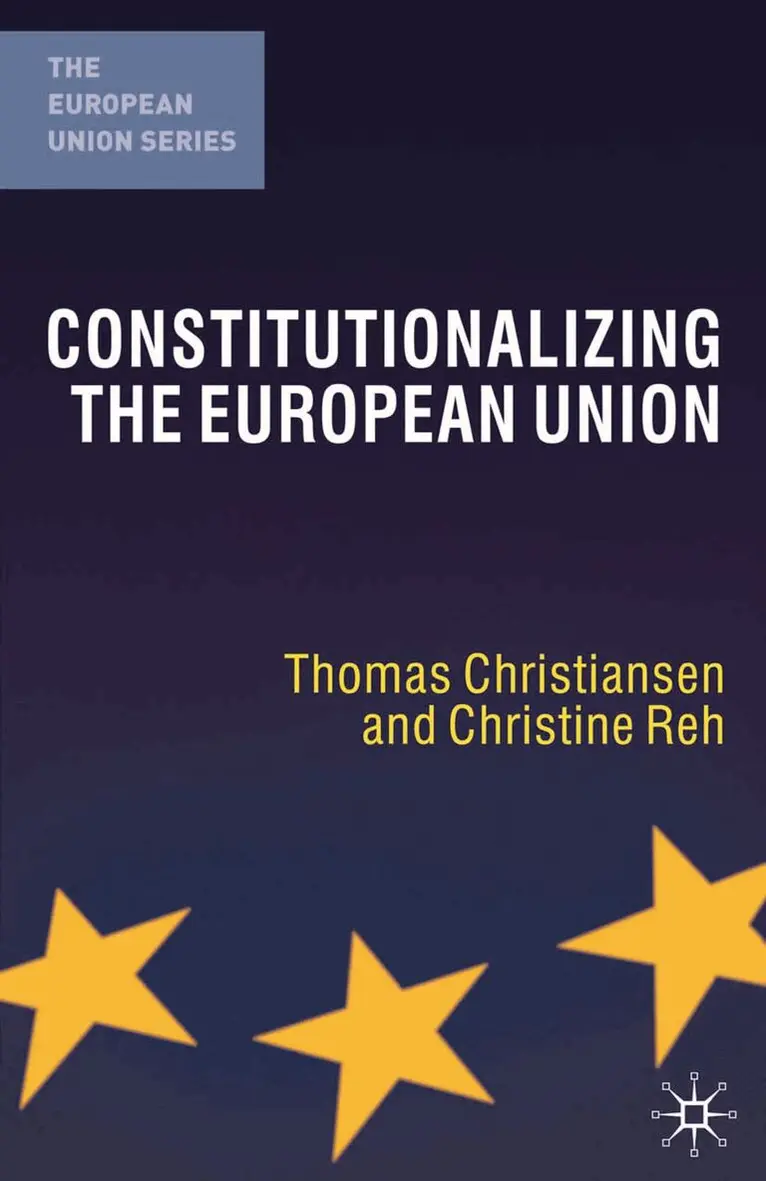
Constitutionalizing the European Union
Av Thomas Christiansen, Christine Reh
E-bok, 2009
655 kr
Lägg i varukorg
Enlargement and treaty reform have moved Europe''s constitutional debate into the political spotlight. This important new text outlines the main themes of constitutional debate in the EU, analyzes formal and informal constitution-building since the early days of European integration, and introduces …
Legislative Codecision in the European Union
Experience over Twenty Years and Implications
Av Anne Rasmussen, Charlotte Burns m. fl.
Häftad, 2015
722 kr
Lägg i varukorg
This volume takes stock of twenty years of practising and studying codecision in the European Union (EU) and examines the procedure’s long-term implications for the EU’s institutions, politics and policies. The introduction of co-legislation between the Council of Ministers and the European …
Legislative Codecision in the European Union
Experience over Twenty Years and Implications
Av Christine Reh, Charlotte Burns m. fl.
E-bok, 2017
764 kr
Lägg i varukorg
This volume takes stock of twenty years of practising and studying codecision in the European Union (EU) and examines the procedure‘s long-term implications for the EU‘s institutions, politics and policies. The introduction of co-legislation between the Council of Ministers and the European …
Legislative Codecision in the European Union
Experience over Twenty Years and Implications
Av Christine Reh, Charlotte Burns m. fl.
E-bok, 2017
781 kr
Lägg i varukorg
This volume takes stock of twenty years of practising and studying codecision in the European Union (EU) and examines the procedure‘s long-term implications for the EU‘s institutions, politics and policies. The introduction of co-legislation between the Council of Ministers and the European …
Constitutionalizing the European Union
Av Thomas Christiansen, Christine Reh
Inbunden, 2009
1959 kr
Lägg i varukorg
Enlargement and treaty reform have moved Europe's constitutional debate into the political spotlight. This important new text outlines the main themes of constitutional debate in the EU, analyzes formal and informal constitution-building since the early days of European integration, and introduces …
Constitutionalizing the European Union
Av Thomas Christiansen, Christine Reh
Häftad, 2009
553 kr
Lägg i varukorg
Enlargement and treaty reform have moved Europe's constitutional debate into the political spotlight. This important new text outlines the main themes of constitutional debate in the EU, analyzes formal and informal constitution-building since the early days of European integration, and introduces …
Geheimnis des alten Sekretärs
Ein wahres romantisches Zeitdokument
Inbunden, 2017
561 kr
Lägg i varukorg
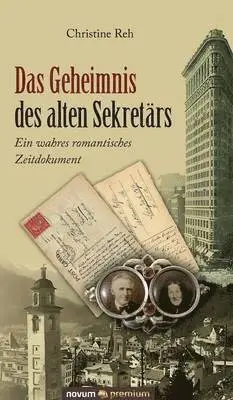
Das Geheimnis des alten Sekretärs
Ein wahres romantisches Zeitdokument
E-bok, 2016
237 kr
Lägg i varukorg
Ein alter Sekretär birgt ein unerwartetes Geheimnis, welches das Leben der Finder auf ungeahnte Weise verändert. Sie entdecken in einem Versteck den spannenden Dialog eines Liebespaares aus dem frühen 20. Jahrhundert und tauchen in eine längst vergessene Welt ein - eine Welt, wie sie vor 100 Jahren …