Christof Parnreiter – författare
Visar alla böcker från författaren Christof Parnreiter. Handla med fri frakt och snabb leverans.
6 produkter
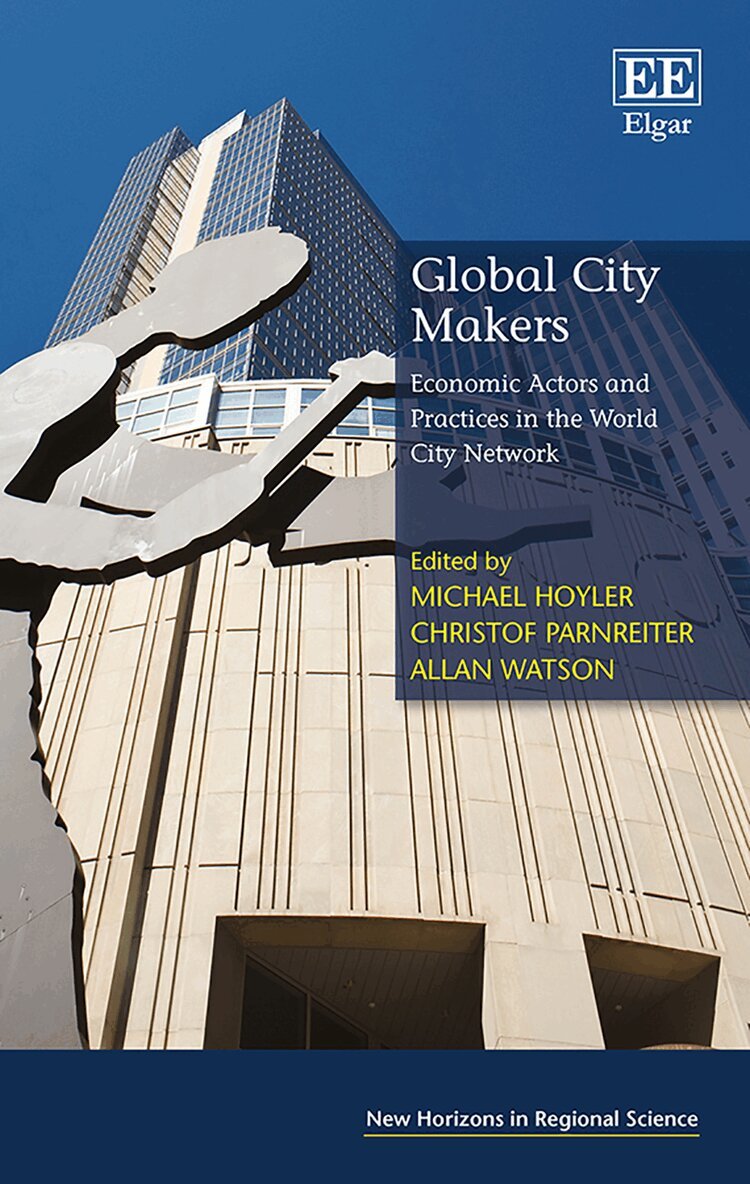
Global City Makers
Economic Actors and Practices in the World City Network
Av Michael Hoyler, Christof Parnreiter m. fl.
Inbunden, 2018
1810 kr
Lägg i varukorg
'This is a truly refreshing take on the phenomenon of global cities. For far too long we've been seduced by the flows and networks that reproduce global cities without considering the actors, individuals, organisations, institutions, that make and shape the global-local dynamics of such spaces in …
Global City Makers
Economic Actors and Practices in the World City Network
Av Allan Watson, Christof Parnreiter m. fl.
E-bok, 2018
459 kr
Lägg i varukorg
''This is a truly refreshing take on the phenomenon of global cities. For far too long we''ve been seduced by the flows and networks that reproduce global cities without considering the actors, individuals, organisations, institutions, that make and shape the global-local dynamics of such spaces in …
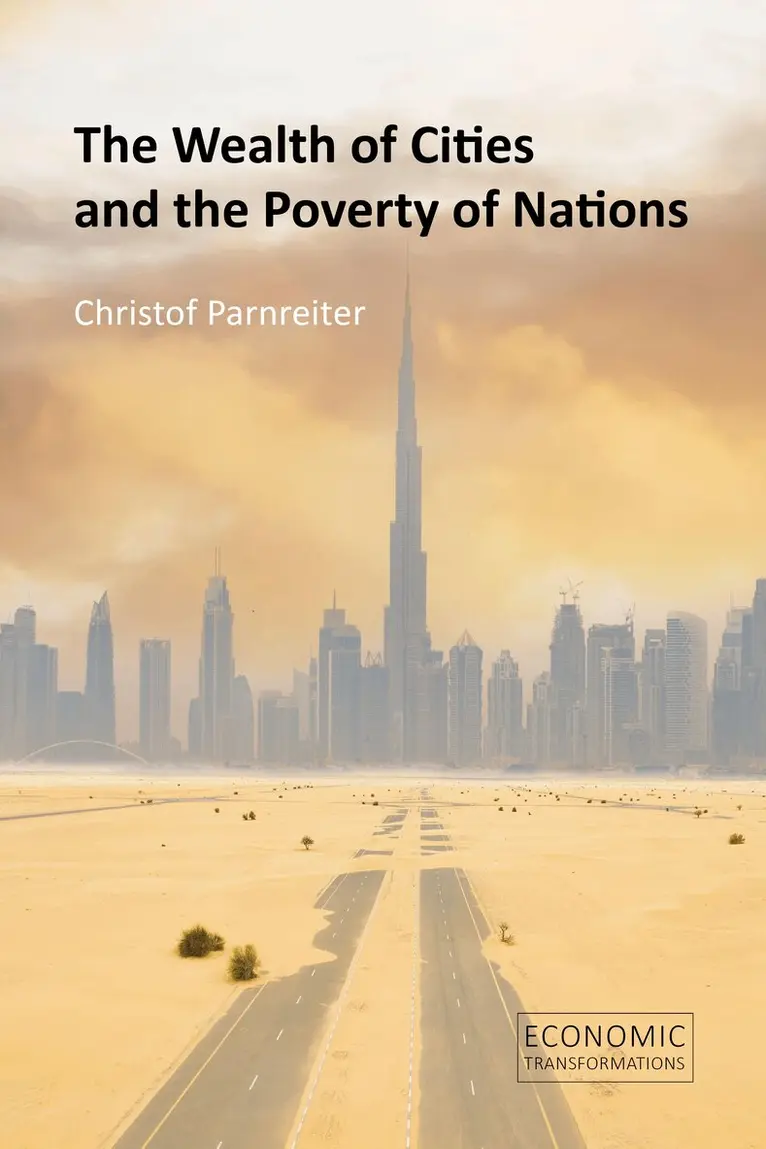
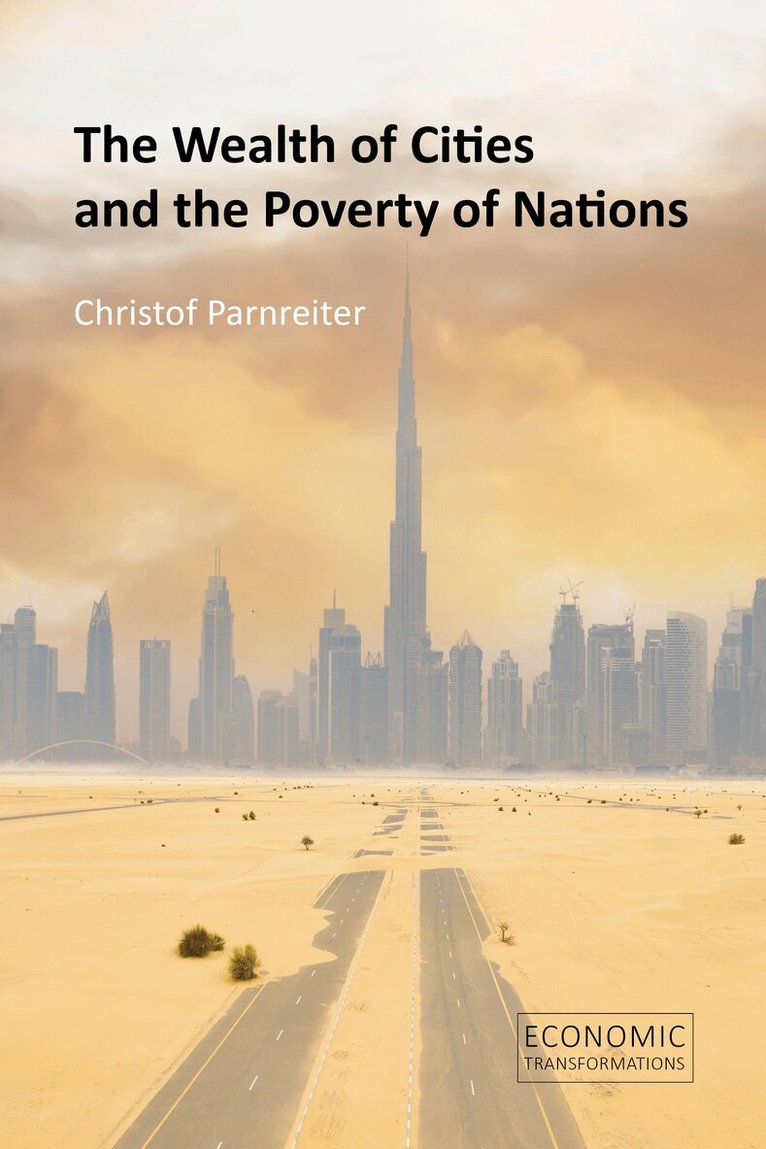
Wealth of Cities and the Poverty of Nations
Inbunden, 2024
1265 kr
Lägg i varukorg
Cities are seen as essentially “good”: innovative, pro-growth, poverty-reducing. In a challenging corrective to this common portrayal, Christof Parnreiter argues that the same urban properties which make cities so extraordinarily proficient at producing the “good” innovations – agglomeration …
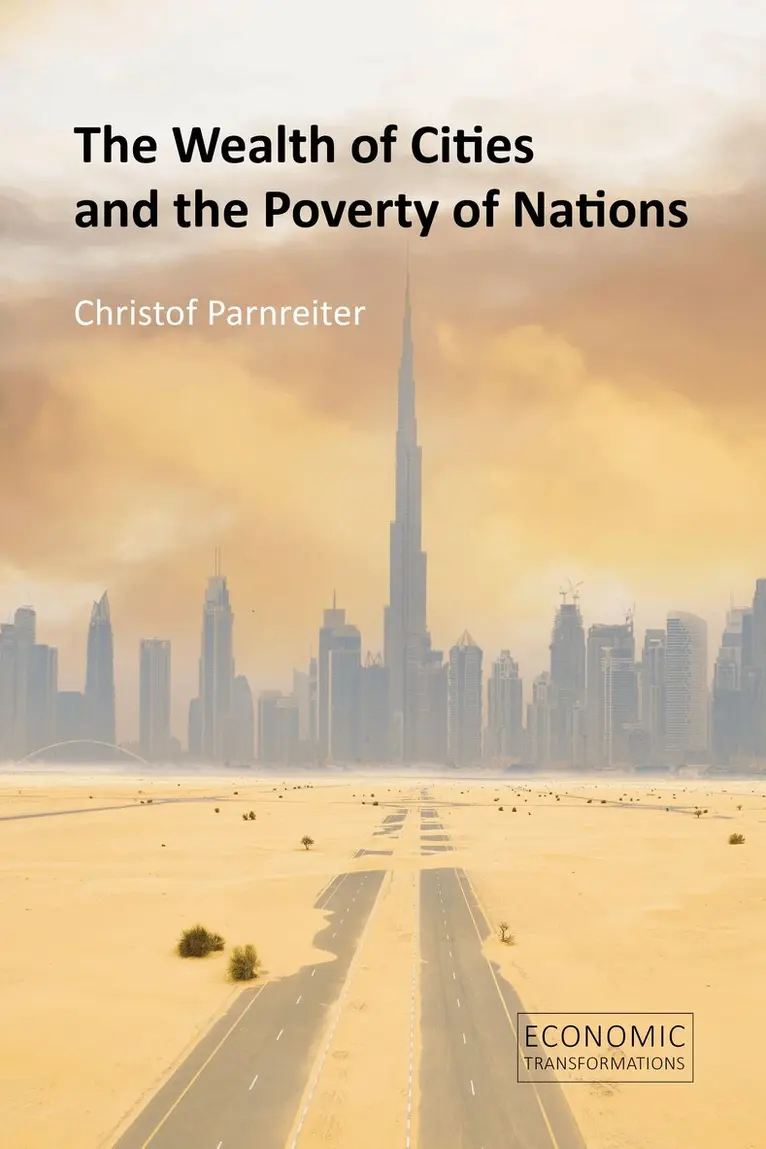
Wealth of Cities and the Poverty of Nations
Häftad, 2024
331 kr
Lägg i varukorg
Cities are seen as essentially “good”: innovative, pro-growth, poverty-reducing. In a challenging corrective to this common portrayal, Christof Parnreiter argues that the same urban properties which make cities so extraordinarily proficient at producing the “good” innovations – agglomeration …
Wealth of Cities and the Poverty of Nations
E-bok, 2024
374 kr
Lägg i varukorg
Cities are seen as essentially “good”: innovative, pro-growth, poverty-reducing. In a challenging corrective to this common portrayal, Christof Parnreiter argues that the same urban properties which make cities so extraordinarily proficient at producing the “good” innovations – agglomeration …
Wealth of Cities and the Poverty of Nations
E-bok, 2024
382 kr
Lägg i varukorg
Cities are seen as essentially “good”: innovative, pro-growth, poverty-reducing. In a challenging corrective to this common portrayal, Christof Parnreiter argues that the same urban properties which make cities so extraordinarily proficient at producing the “good” innovations – agglomeration …