2 367 kr
Läs direkt efter köp
2 367 kr
Läs direkt efter köp
738 kr
Skickas inom 5-8 vardagar
1 836 kr
Skickas
2 248 kr
Läs direkt efter köp
2 248 kr
Läs direkt efter köp
2 248 kr
Läs direkt efter köp
2 248 kr
Läs direkt efter köp
2 155 kr
Skickas inom 11-20 vardagar
2 534 kr
Läs direkt efter köp
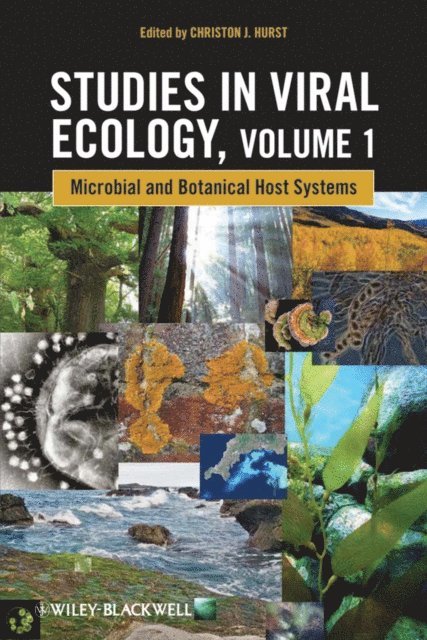
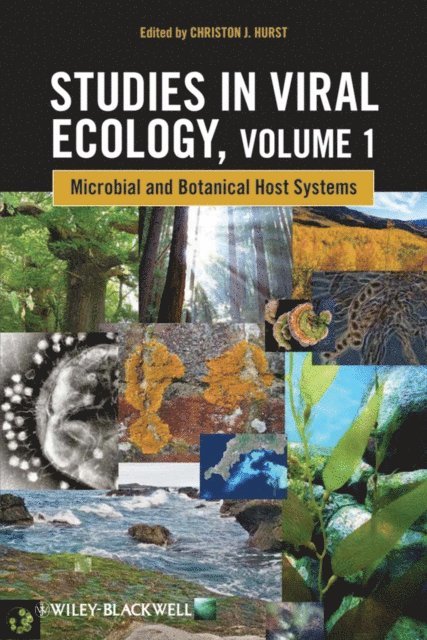
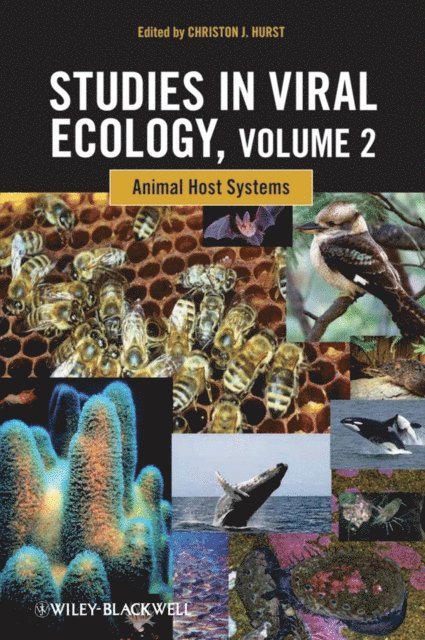
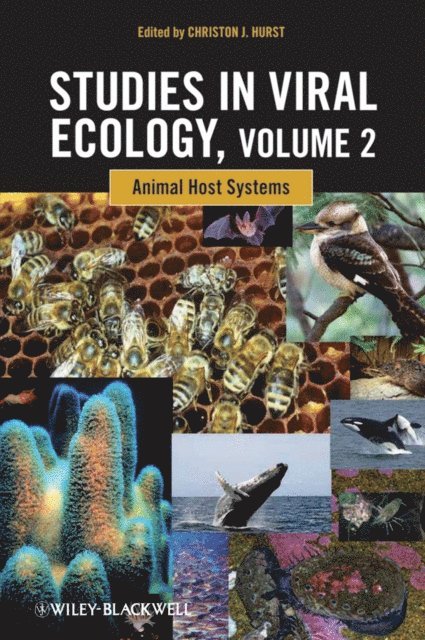
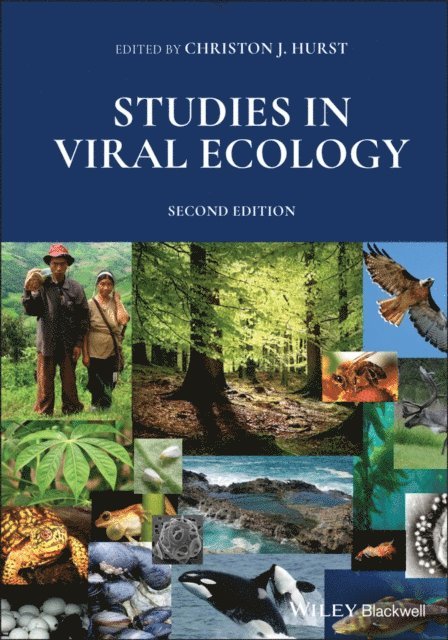
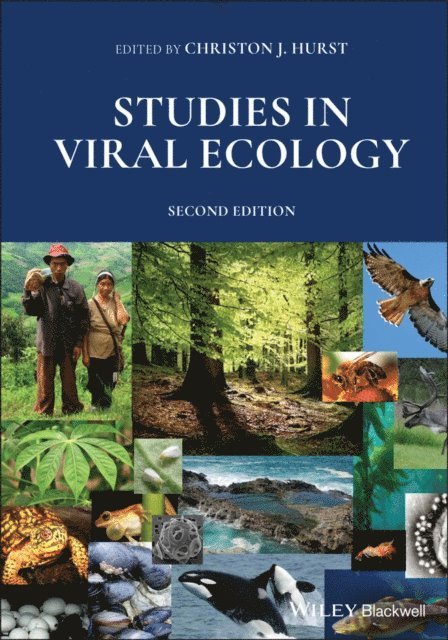
As with the first edition, this book explains the ecology of viruses by examining their interactive dynamics with their hosting species (covering both animals and plants), including the types of transmission cycles that viruses have evolved encompassing principal and alternate hosts, vehicles and vectoring species. Examining virology from an organismal biology approach and focusing on the concept that viral infections represent areas of overlap in the ecologies of the involved species, Viral Ecology is essential for students and professionals who either may be non-virologists or virologists whose previous familiarity has been very specialized.This second edition of Studies in Viral Ecology is designed to serve as a means of updating the knowledge of virologists regarding the broader aspects of viral ecology.
As with the first edition, this book explains the ecology of viruses by examining their interactive dynamics with their hosting species (covering both animals and plants), including the types of transmission cycles that viruses have evolved encompassing principal and alternate hosts, vehicles and vectoring species. Examining virology from an organismal biology approach and focusing on the concept that viral infections represent areas of overlap in the ecologies of the involved species, Viral Ecology is essential for students and professionals who either may be non-virologists or virologists whose previous familiarity has been very specialized.
Now in its second edition, Studies in Viral Ecology explores the intricate interactions between viruses and other organisms from a “virocentric” perspective. Divided into five sections, the book opens with a thorough introduction to the ecology of all viruses, followed by detailed examinations that individually consider the viruses of other microorganisms, viruses of vascular plants, and viruses of vertebrate and invertebrate animals. The chapters have been written by leading scientists in their respective research fields and cover topics such as the evolution of fungal viruses, viruses affecting insects, viruses of terrestrial and marine mammals, and the relationship between humans, their viruses, and prions.Studies in Viral Ecology, Second Edition remains required reading for virologists and virology instructors and students who study the interactions between virus and host at the individual species and higher taxonomic levels.

2 508 kr
Läs direkt efter köp
As with the first edition, this book explains the ecology of viruses by examining their interactive dynamics with their hosting species (covering both animals and plants), including the types of transmission cycles that viruses have evolved encompassing principal and alternate hosts, vehicles and vectoring species. Examining virology from an organismal biology approach and focusing on the concept that viral infections represent areas of overlap in the ecologies of the involved species, Viral Ecology is essential for students and professionals who either may be non-virologists or virologists whose previous familiarity has been very specialized.This second edition of Studies in Viral Ecology is designed to serve as a means of updating the knowledge of virologists regarding the broader aspects of viral ecology.
As with the first edition, this book explains the ecology of viruses by examining their interactive dynamics with their hosting species (covering both animals and plants), including the types of transmission cycles that viruses have evolved encompassing principal and alternate hosts, vehicles and vectoring species. Examining virology from an organismal biology approach and focusing on the concept that viral infections represent areas of overlap in the ecologies of the involved species, Viral Ecology is essential for students and professionals who either may be non-virologists or virologists whose previous familiarity has been very specialized.
Now in its second edition, Studies in Viral Ecology explores the intricate interactions between viruses and other organisms from a “virocentric” perspective. Divided into five sections, the book opens with a thorough introduction to the ecology of all viruses, followed by detailed examinations that individually consider the viruses of other microorganisms, viruses of vascular plants, and viruses of vertebrate and invertebrate animals. The chapters have been written by leading scientists in their respective research fields and cover topics such as the evolution of fungal viruses, viruses affecting insects, viruses of terrestrial and marine mammals, and the relationship between humans, their viruses, and prions.Studies in Viral Ecology, Second Edition remains required reading for virologists and virology instructors and students who study the interactions between virus and host at the individual species and higher taxonomic levels.
1 977 kr
Läs direkt efter köp
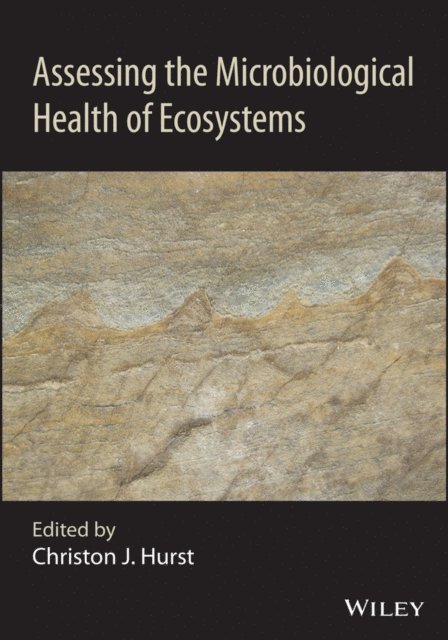
A timely exploration of the coordinated functions of microbiological communities and the impacts of global climate change on microbial life
Ecosystems function like interlocking puzzles and ultimately the health of an ecosystem depends upon the niche activities of its microbial communities.
Assessing the Microbiological Health of Ecosystems summarizes our understanding of how microbial community processes are organized and the mechanisms by which activities of their constituent species are coordinated. The authors collectively present a basis for understanding what produces healthy microbial components of an ecosystem, thereby supplying a foundation for achieving one of the eventual future goals of environmental microbiology: to diagnose and correct the integrative nature of microbial activities when ecosystems fail. Assessing the Microbiological Health of Ecosystems will prove to be a valuable resource to environmental microbiologists, ecologists and integrative biologists. The book will:
help researchers and students to understand the commonalities of processes, techniques, and discoveries in the study of microbial communities contribute to understandings of how microbial communities coordinate their function, discussing how the relative rates and effective integration of community microbial processes are currently measured provide insights into the composition of a healthy microbial ecosystemBy learning to recognize what constitutes and produces a healthy microbial ecosystem, we gain significant ground on the path towards being able to diagnose and correct the health of ailing microbial ecosystems. Assessing the Microbiological Health of Ecosystems will help new generations of scientists discern new ways to carry these efforts forward.
1 956 kr
Läs direkt efter köp
A timely exploration of the coordinated functions of microbiological communities and the impacts of global climate change on microbial life
Ecosystems function like interlocking puzzles and ultimately the health of an ecosystem depends upon the niche activities of its microbial communities.
Assessing the Microbiological Health of Ecosystems summarizes our understanding of how microbial community processes are organized and the mechanisms by which activities of their constituent species are coordinated. The authors collectively present a basis for understanding what produces healthy microbial components of an ecosystem, thereby supplying a foundation for achieving one of the eventual future goals of environmental microbiology: to diagnose and correct the integrative nature of microbial activities when ecosystems fail. Assessing the Microbiological Health of Ecosystems will prove to be a valuable resource to environmental microbiologists, ecologists and integrative biologists. The book will:
help researchers and students to understand the commonalities of processes, techniques, and discoveries in the study of microbial communities contribute to understandings of how microbial communities coordinate their function, discussing how the relative rates and effective integration of community microbial processes are currently measured provide insights into the composition of a healthy microbial ecosystemBy learning to recognize what constitutes and produces a healthy microbial ecosystem, we gain significant ground on the path towards being able to diagnose and correct the health of ailing microbial ecosystems. Assessing the Microbiological Health of Ecosystems will help new generations of scientists discern new ways to carry these efforts forward.
1 356 kr
Skickas
2 010 kr
Skickas inom 5-8 vardagar
2 319 kr
Läs direkt efter köp
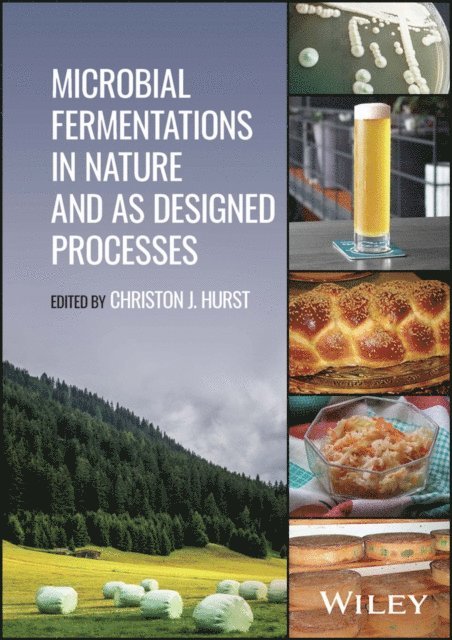
Fermentation is one of the most important metabolic tools that biology has developed and microorganisms in many ways seem to have become the true masters of fermentative metabolism. Each of the fermentative microbial functions evolved to fit an energetic opportunity, and each function has ecological value.
This book provides its readers with:
Understanding regarding the commonalities and distinctions between aerobic and anaerobic fermentations as performed by microorganisms. A summary of knowledge regarding the ways in which animals and plants depend upon symbiotic interactions with their fermenting microbial partners including the deconstruction of complex polysaccharides. Information is also included about how those natural technologies constitute adaptation into designed processes for anaerobic degradation of lignocellulosic materials. The important role of rhizosphere microbes that facilitate availability of inorganic and organic phosphates for plants. These phosphates get stored in the plant’s seeds. After ruminant animals ingest the seeds, enzymes produced by gastrointestinal microbial fermentation allow the animals to utilize their dietary phosphates. History of how microbial fermentation has been harnessed from prehistoric times to the present for processing and preserving food products for humans and fodder for our domesticated animals. Insight into the ways that microbial fermentations are used as an engineering tool for producing chemicals, including enzymes and pharmaceuticals, which improve the health of ourselves and our domesticated animals. Perspectives on possible future research directions for the field of applied microbial fermentation that will help to advance agriculture and industry.2 343 kr
Läs direkt efter köp
Fermentation is one of the most important metabolic tools that biology has developed and microorganisms in many ways seem to have become the true masters of fermentative metabolism. Each of the fermentative microbial functions evolved to fit an energetic opportunity, and each function has ecological value.
This book provides its readers with:
Understanding regarding the commonalities and distinctions between aerobic and anaerobic fermentations as performed by microorganisms. A summary of knowledge regarding the ways in which animals and plants depend upon symbiotic interactions with their fermenting microbial partners including the deconstruction of complex polysaccharides. Information is also included about how those natural technologies constitute adaptation into designed processes for anaerobic degradation of lignocellulosic materials. The important role of rhizosphere microbes that facilitate availability of inorganic and organic phosphates for plants. These phosphates get stored in the plant’s seeds. After ruminant animals ingest the seeds, enzymes produced by gastrointestinal microbial fermentation allow the animals to utilize their dietary phosphates. History of how microbial fermentation has been harnessed from prehistoric times to the present for processing and preserving food products for humans and fodder for our domesticated animals. Insight into the ways that microbial fermentations are used as an engineering tool for producing chemicals, including enzymes and pharmaceuticals, which improve the health of ourselves and our domesticated animals. Perspectives on possible future research directions for the field of applied microbial fermentation that will help to advance agriculture and industry.2 202 kr
Skickas inom 10-15 vardagar
1 653 kr
Skickas inom 10-15 vardagar
2 065 kr
Läs direkt efter köp
1 982 kr
Skickas inom 10-15 vardagar
2 543 kr
Läs direkt efter köp
1 872 kr
Skickas inom 10-15 vardagar
2 366 kr
Läs direkt efter köp
This collection of essays discusses fascinating aspects of the concept that microbes are at the root of all ecosystems. The content is divided into seven parts, the first of those emphasizes that microbes not only were the starting point, but sustain the rest of the biosphere and shows how life evolves through a perpetual struggle for habitats and niches. Part II explains the ways in which microbial life persists in some of the most extreme environments, while Part III presents our understanding of the core aspects of microbial metabolism. Part IV examines the duality of the microbial world, acknowledging that life exists as a balance between certain processes that we perceive as being environmentally supportive and others that seem environmentally destructive. In turn, Part V discusses basic aspects of microbial symbioses, including interactions with other microorganisms, plants and animals. The concept of microbial symbiosis as a driving force in evolution is covered in Part VI. In closing, Part VII explores the adventure of microbiological research, including some reminiscences from and perspectives on the lives and careers of microbe hunters.
Given its mixture of science and philosophy, the book will appeal to scientists and advanced students of microbiology, evolution and ecology alike.
1 872 kr
Skickas inom 10-15 vardagar
1 872 kr
Skickas inom 10-15 vardagar
2 384 kr
Läs direkt efter köp
This book answers the question “What is it that viruses do?” by presenting three aspects of viral ecology.
The first aspect explains how viruses affect the population diversity and energetics of their host communities. Perhaps the most notable example of this concept is our understanding that primary production within ecosystems often depends upon those viruses which serve as controllers of nutrient recycling, connecting the aquatic and terrestrial realms in ways that can be assessed locally and globally.
The second aspect describes genetic partnerships which exist between hosts and their viruses. These include processes termed endogeny and lysogeny by which the host carries at least a partial genomic copy of the virus. Fluidity of these collective genomes is expressed on an evolutionary time scale and the mutual life cycles which they produce represent a forging of shared genomic fate that obligates partnership of the virus and its host. The viral sequences represent a source of potential benefit as well as potential peril for the host and can implement phenotypic changes in the host. Hosts often use those changes as tools. As humans, the most notable example would be that mammals rely upon temporary activation of their endogenous viral genes in order to successfully develop a placenta.
The third aspect is defending the health of a host, which relies upon activity in two directions. Hosts often use their captured viral genes to identify and subsequently direct battle against invading viruses. This natural concept has been engineered for combating cancer, is useful for suppressing the detrimental consequences of genetic diseases, and has been developed to create targeted antiviral vaccines. But, the defense has to work in two directions and the host can use other symbiotic microorganisms as protection against its viruses.
This book will appeal to a wide readership by providing a broad perspective ofviral ecology, and all scientists will find it helpful for gaining a view of fields beyond their specialization.
1 982 kr
Skickas inom 10-15 vardagar
2 543 kr
Läs direkt efter köp
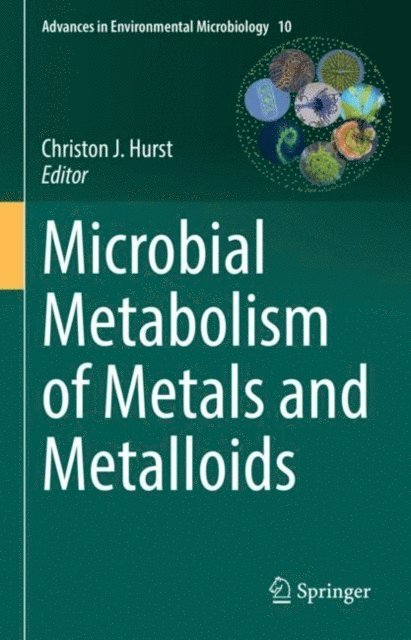
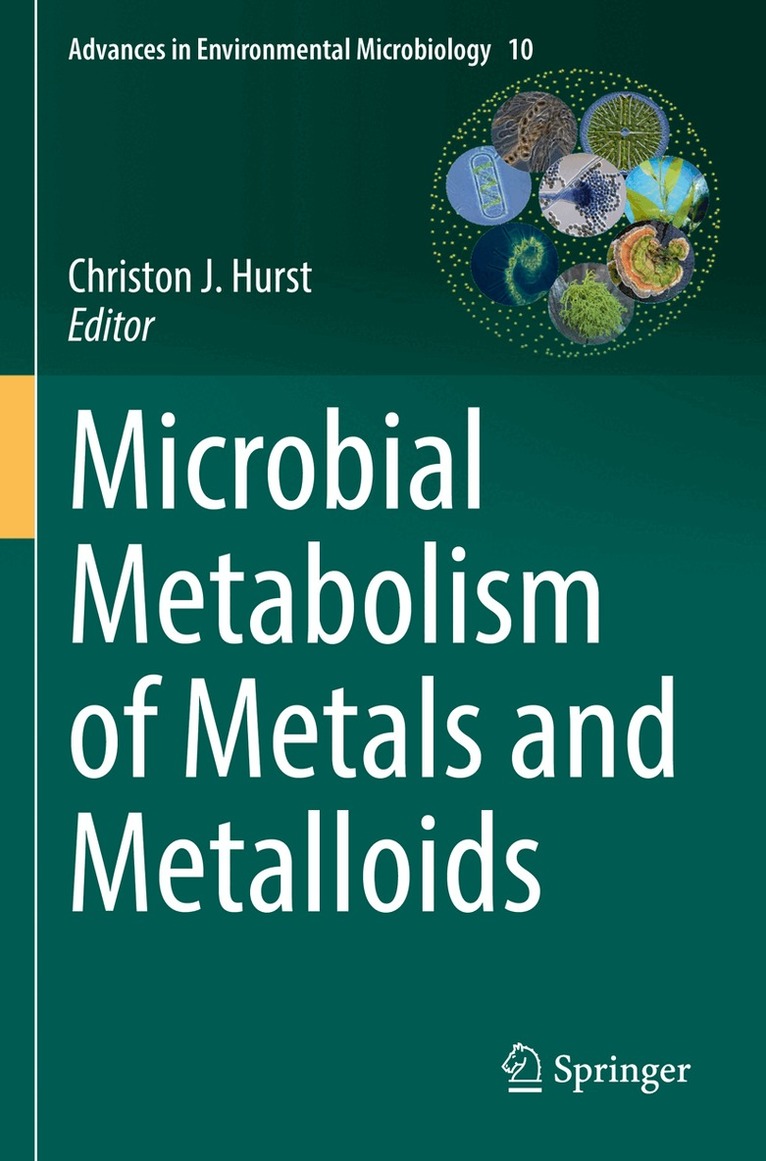
This book explains the metabolic processes by which microbes obtain and control the intracellular availability of their required metal and metalloid ions. The book also describes how intracellular concentrations of unwanted metal and metalloid ions successfully are limited. Its authors additionally provide information about the ways that microbes derive metabolic energy by changing the charge states of metal and metalloid ions.
Part one of this book provides an introduction to microbes, metals and metalloids. It also helps our readers to understand the chemical constraints for transition metal cation allocation.
Part two explains the basic processes which microbes use for metal transport. That section also explains the uses, as well as the challenges, associated with metal-based antimicrobials.
Part three gives our readers an understanding that because of microbial capabilities to process metals and metalloids, the microbes have become our best tools for accomplishing many jobs. Their applications in chemical technology include the design of microbial consortia for use in bioleaching processes that recover metal and metalloid ions from industrial wastes. Many biological engineering tasks, including the synthesis of metal nanoparticles and similar metalloid structures, also are ideally suited for the microbes.
Part four describes unique attributes associated with the microbiology of these elements, progressing through the alphabet from antimony and arsenic to zinc.
1 982 kr
Skickas inom 10-15 vardagar
1 649 kr
Skickas inom 10-15 vardagar
2 367 kr
Läs direkt efter köp
738 kr
Skickas inom 5-8 vardagar
1 836 kr
Skickas
2 248 kr
Läs direkt efter köp
2 248 kr
Läs direkt efter köp
2 248 kr
Läs direkt efter köp
2 248 kr
Läs direkt efter köp
2 155 kr
Skickas inom 11-20 vardagar
2 534 kr
Läs direkt efter köp
As with the first edition, this book explains the ecology of viruses by examining their interactive dynamics with their hosting species (covering both animals and plants), including the types of transmission cycles that viruses have evolved encompassing principal and alternate hosts, vehicles and vectoring species. Examining virology from an organismal biology approach and focusing on the concept that viral infections represent areas of overlap in the ecologies of the involved species, Viral Ecology is essential for students and professionals who either may be non-virologists or virologists whose previous familiarity has been very specialized.This second edition of Studies in Viral Ecology is designed to serve as a means of updating the knowledge of virologists regarding the broader aspects of viral ecology.
As with the first edition, this book explains the ecology of viruses by examining their interactive dynamics with their hosting species (covering both animals and plants), including the types of transmission cycles that viruses have evolved encompassing principal and alternate hosts, vehicles and vectoring species. Examining virology from an organismal biology approach and focusing on the concept that viral infections represent areas of overlap in the ecologies of the involved species, Viral Ecology is essential for students and professionals who either may be non-virologists or virologists whose previous familiarity has been very specialized.
Now in its second edition, Studies in Viral Ecology explores the intricate interactions between viruses and other organisms from a “virocentric” perspective. Divided into five sections, the book opens with a thorough introduction to the ecology of all viruses, followed by detailed examinations that individually consider the viruses of other microorganisms, viruses of vascular plants, and viruses of vertebrate and invertebrate animals. The chapters have been written by leading scientists in their respective research fields and cover topics such as the evolution of fungal viruses, viruses affecting insects, viruses of terrestrial and marine mammals, and the relationship between humans, their viruses, and prions.Studies in Viral Ecology, Second Edition remains required reading for virologists and virology instructors and students who study the interactions between virus and host at the individual species and higher taxonomic levels.
2 508 kr
Läs direkt efter köp
As with the first edition, this book explains the ecology of viruses by examining their interactive dynamics with their hosting species (covering both animals and plants), including the types of transmission cycles that viruses have evolved encompassing principal and alternate hosts, vehicles and vectoring species. Examining virology from an organismal biology approach and focusing on the concept that viral infections represent areas of overlap in the ecologies of the involved species, Viral Ecology is essential for students and professionals who either may be non-virologists or virologists whose previous familiarity has been very specialized.This second edition of Studies in Viral Ecology is designed to serve as a means of updating the knowledge of virologists regarding the broader aspects of viral ecology.
As with the first edition, this book explains the ecology of viruses by examining their interactive dynamics with their hosting species (covering both animals and plants), including the types of transmission cycles that viruses have evolved encompassing principal and alternate hosts, vehicles and vectoring species. Examining virology from an organismal biology approach and focusing on the concept that viral infections represent areas of overlap in the ecologies of the involved species, Viral Ecology is essential for students and professionals who either may be non-virologists or virologists whose previous familiarity has been very specialized.
Now in its second edition, Studies in Viral Ecology explores the intricate interactions between viruses and other organisms from a “virocentric” perspective. Divided into five sections, the book opens with a thorough introduction to the ecology of all viruses, followed by detailed examinations that individually consider the viruses of other microorganisms, viruses of vascular plants, and viruses of vertebrate and invertebrate animals. The chapters have been written by leading scientists in their respective research fields and cover topics such as the evolution of fungal viruses, viruses affecting insects, viruses of terrestrial and marine mammals, and the relationship between humans, their viruses, and prions.Studies in Viral Ecology, Second Edition remains required reading for virologists and virology instructors and students who study the interactions between virus and host at the individual species and higher taxonomic levels.
1 977 kr
Läs direkt efter köp
A timely exploration of the coordinated functions of microbiological communities and the impacts of global climate change on microbial life
Ecosystems function like interlocking puzzles and ultimately the health of an ecosystem depends upon the niche activities of its microbial communities.
Assessing the Microbiological Health of Ecosystems summarizes our understanding of how microbial community processes are organized and the mechanisms by which activities of their constituent species are coordinated. The authors collectively present a basis for understanding what produces healthy microbial components of an ecosystem, thereby supplying a foundation for achieving one of the eventual future goals of environmental microbiology: to diagnose and correct the integrative nature of microbial activities when ecosystems fail. Assessing the Microbiological Health of Ecosystems will prove to be a valuable resource to environmental microbiologists, ecologists and integrative biologists. The book will:
help researchers and students to understand the commonalities of processes, techniques, and discoveries in the study of microbial communities contribute to understandings of how microbial communities coordinate their function, discussing how the relative rates and effective integration of community microbial processes are currently measured provide insights into the composition of a healthy microbial ecosystemBy learning to recognize what constitutes and produces a healthy microbial ecosystem, we gain significant ground on the path towards being able to diagnose and correct the health of ailing microbial ecosystems. Assessing the Microbiological Health of Ecosystems will help new generations of scientists discern new ways to carry these efforts forward.
1 956 kr
Läs direkt efter köp
A timely exploration of the coordinated functions of microbiological communities and the impacts of global climate change on microbial life
Ecosystems function like interlocking puzzles and ultimately the health of an ecosystem depends upon the niche activities of its microbial communities.
Assessing the Microbiological Health of Ecosystems summarizes our understanding of how microbial community processes are organized and the mechanisms by which activities of their constituent species are coordinated. The authors collectively present a basis for understanding what produces healthy microbial components of an ecosystem, thereby supplying a foundation for achieving one of the eventual future goals of environmental microbiology: to diagnose and correct the integrative nature of microbial activities when ecosystems fail. Assessing the Microbiological Health of Ecosystems will prove to be a valuable resource to environmental microbiologists, ecologists and integrative biologists. The book will:
help researchers and students to understand the commonalities of processes, techniques, and discoveries in the study of microbial communities contribute to understandings of how microbial communities coordinate their function, discussing how the relative rates and effective integration of community microbial processes are currently measured provide insights into the composition of a healthy microbial ecosystemBy learning to recognize what constitutes and produces a healthy microbial ecosystem, we gain significant ground on the path towards being able to diagnose and correct the health of ailing microbial ecosystems. Assessing the Microbiological Health of Ecosystems will help new generations of scientists discern new ways to carry these efforts forward.
1 356 kr
Skickas
2 010 kr
Skickas inom 5-8 vardagar
2 319 kr
Läs direkt efter köp
Fermentation is one of the most important metabolic tools that biology has developed and microorganisms in many ways seem to have become the true masters of fermentative metabolism. Each of the fermentative microbial functions evolved to fit an energetic opportunity, and each function has ecological value.
This book provides its readers with:
Understanding regarding the commonalities and distinctions between aerobic and anaerobic fermentations as performed by microorganisms. A summary of knowledge regarding the ways in which animals and plants depend upon symbiotic interactions with their fermenting microbial partners including the deconstruction of complex polysaccharides. Information is also included about how those natural technologies constitute adaptation into designed processes for anaerobic degradation of lignocellulosic materials. The important role of rhizosphere microbes that facilitate availability of inorganic and organic phosphates for plants. These phosphates get stored in the plant’s seeds. After ruminant animals ingest the seeds, enzymes produced by gastrointestinal microbial fermentation allow the animals to utilize their dietary phosphates. History of how microbial fermentation has been harnessed from prehistoric times to the present for processing and preserving food products for humans and fodder for our domesticated animals. Insight into the ways that microbial fermentations are used as an engineering tool for producing chemicals, including enzymes and pharmaceuticals, which improve the health of ourselves and our domesticated animals. Perspectives on possible future research directions for the field of applied microbial fermentation that will help to advance agriculture and industry.2 343 kr
Läs direkt efter köp
Fermentation is one of the most important metabolic tools that biology has developed and microorganisms in many ways seem to have become the true masters of fermentative metabolism. Each of the fermentative microbial functions evolved to fit an energetic opportunity, and each function has ecological value.
This book provides its readers with:
Understanding regarding the commonalities and distinctions between aerobic and anaerobic fermentations as performed by microorganisms. A summary of knowledge regarding the ways in which animals and plants depend upon symbiotic interactions with their fermenting microbial partners including the deconstruction of complex polysaccharides. Information is also included about how those natural technologies constitute adaptation into designed processes for anaerobic degradation of lignocellulosic materials. The important role of rhizosphere microbes that facilitate availability of inorganic and organic phosphates for plants. These phosphates get stored in the plant’s seeds. After ruminant animals ingest the seeds, enzymes produced by gastrointestinal microbial fermentation allow the animals to utilize their dietary phosphates. History of how microbial fermentation has been harnessed from prehistoric times to the present for processing and preserving food products for humans and fodder for our domesticated animals. Insight into the ways that microbial fermentations are used as an engineering tool for producing chemicals, including enzymes and pharmaceuticals, which improve the health of ourselves and our domesticated animals. Perspectives on possible future research directions for the field of applied microbial fermentation that will help to advance agriculture and industry.2 202 kr
Skickas inom 10-15 vardagar
1 653 kr
Skickas inom 10-15 vardagar
2 065 kr
Läs direkt efter köp
1 982 kr
Skickas inom 10-15 vardagar
2 543 kr
Läs direkt efter köp
1 872 kr
Skickas inom 10-15 vardagar
2 366 kr
Läs direkt efter köp
This collection of essays discusses fascinating aspects of the concept that microbes are at the root of all ecosystems. The content is divided into seven parts, the first of those emphasizes that microbes not only were the starting point, but sustain the rest of the biosphere and shows how life evolves through a perpetual struggle for habitats and niches. Part II explains the ways in which microbial life persists in some of the most extreme environments, while Part III presents our understanding of the core aspects of microbial metabolism. Part IV examines the duality of the microbial world, acknowledging that life exists as a balance between certain processes that we perceive as being environmentally supportive and others that seem environmentally destructive. In turn, Part V discusses basic aspects of microbial symbioses, including interactions with other microorganisms, plants and animals. The concept of microbial symbiosis as a driving force in evolution is covered in Part VI. In closing, Part VII explores the adventure of microbiological research, including some reminiscences from and perspectives on the lives and careers of microbe hunters.
Given its mixture of science and philosophy, the book will appeal to scientists and advanced students of microbiology, evolution and ecology alike.
1 872 kr
Skickas inom 10-15 vardagar
1 872 kr
Skickas inom 10-15 vardagar
2 384 kr
Läs direkt efter köp
This book answers the question “What is it that viruses do?” by presenting three aspects of viral ecology.
The first aspect explains how viruses affect the population diversity and energetics of their host communities. Perhaps the most notable example of this concept is our understanding that primary production within ecosystems often depends upon those viruses which serve as controllers of nutrient recycling, connecting the aquatic and terrestrial realms in ways that can be assessed locally and globally.
The second aspect describes genetic partnerships which exist between hosts and their viruses. These include processes termed endogeny and lysogeny by which the host carries at least a partial genomic copy of the virus. Fluidity of these collective genomes is expressed on an evolutionary time scale and the mutual life cycles which they produce represent a forging of shared genomic fate that obligates partnership of the virus and its host. The viral sequences represent a source of potential benefit as well as potential peril for the host and can implement phenotypic changes in the host. Hosts often use those changes as tools. As humans, the most notable example would be that mammals rely upon temporary activation of their endogenous viral genes in order to successfully develop a placenta.
The third aspect is defending the health of a host, which relies upon activity in two directions. Hosts often use their captured viral genes to identify and subsequently direct battle against invading viruses. This natural concept has been engineered for combating cancer, is useful for suppressing the detrimental consequences of genetic diseases, and has been developed to create targeted antiviral vaccines. But, the defense has to work in two directions and the host can use other symbiotic microorganisms as protection against its viruses.
This book will appeal to a wide readership by providing a broad perspective ofviral ecology, and all scientists will find it helpful for gaining a view of fields beyond their specialization.
1 982 kr
Skickas inom 10-15 vardagar
2 543 kr
Läs direkt efter köp
This book explains the metabolic processes by which microbes obtain and control the intracellular availability of their required metal and metalloid ions. The book also describes how intracellular concentrations of unwanted metal and metalloid ions successfully are limited. Its authors additionally provide information about the ways that microbes derive metabolic energy by changing the charge states of metal and metalloid ions.
Part one of this book provides an introduction to microbes, metals and metalloids. It also helps our readers to understand the chemical constraints for transition metal cation allocation.
Part two explains the basic processes which microbes use for metal transport. That section also explains the uses, as well as the challenges, associated with metal-based antimicrobials.
Part three gives our readers an understanding that because of microbial capabilities to process metals and metalloids, the microbes have become our best tools for accomplishing many jobs. Their applications in chemical technology include the design of microbial consortia for use in bioleaching processes that recover metal and metalloid ions from industrial wastes. Many biological engineering tasks, including the synthesis of metal nanoparticles and similar metalloid structures, also are ideally suited for the microbes.
Part four describes unique attributes associated with the microbiology of these elements, progressing through the alphabet from antimony and arsenic to zinc.
1 982 kr
Skickas inom 10-15 vardagar
1 649 kr
Skickas inom 10-15 vardagar