
Christoph Baumer – författare
Visar alla böcker från författaren . Handla med fri frakt och snabb leverans.
21 produkter
21 produkter
Inbunden, Engelska, 2023
514 kr
Skickas inom 3-6 vardagar
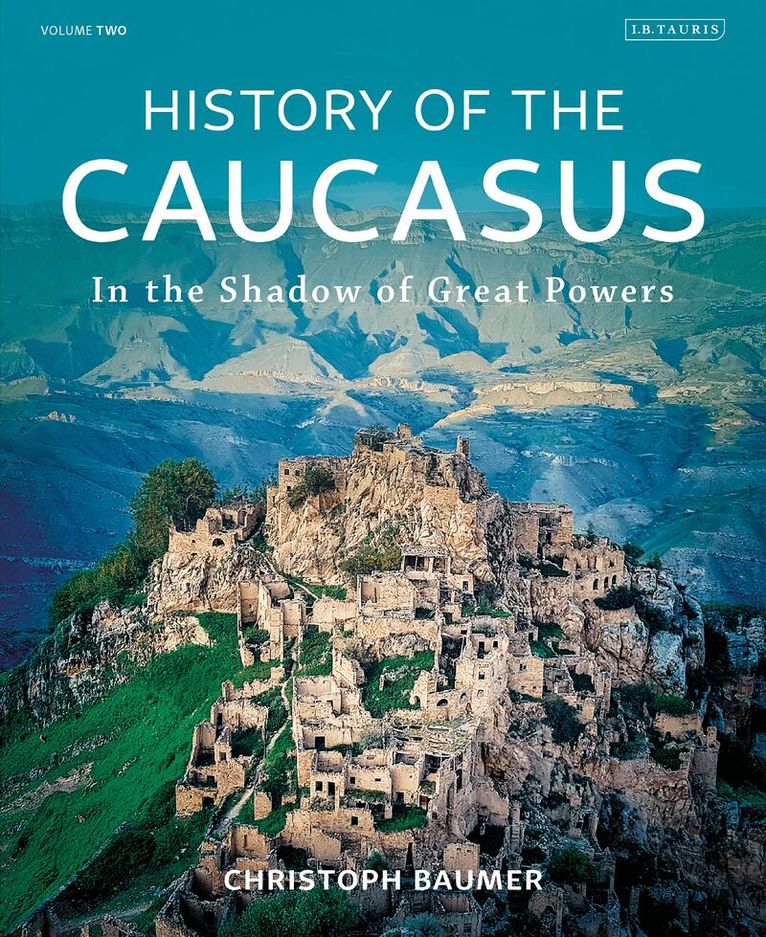
In the Shadow of Great Powers is the second volume of Christoph Baumer’s History of the Caucasus. It covers the period from the Seljuk domination of the Southern Caucasus around 1050 CE to the present day. After the Kingdom of Georgia’s golden age of independent power and cultural blossoming in the 12th and early 13th centuries, the Caucasus was overrun by the Mongols and soon disintegrated into innumerable smaller kingdoms, principalities and khanates. At the same time, an Armenian kingdom in exile maintained a precarious independence in Cilicia, today’s southern Turkey, by applying a three-way diplomatic policy balanced between the Mongol Il-Khanate, the Crusader states and, to a lesser degree, the Mameluke Empire. Then followed four centuries during which the highly fragmented polities of the North and South Caucasus became political pawns of the regional great powers, above all the Ottomans, Iran and Russia. In the wake of World War I the South Caucasus enjoyed a short-lived independence whereas its northern neighbours were engulfed by the Russian civil wars. But by 1921 the Soviet Union had re-established Russian dominance over the whole region and, from a Western perspective, the region ‘disappeared’ behind the Iron Curtain. Nevertheless, the Caucasian nations kept their pronounced identities even under Soviet rule, giving rise at the dissolution of the Soviet Union to a number of internecine conflicts. Whereas the Russian Federation managed to maintain its supremacy over the North Caucasus – albeit at the cost of bloody wars and insurrections – Armenia, Azerbaijan and Georgia succeeded in more or less gaining control over their destiny. Of these three republics, only Azerbaijan secured a wide-ranging independence thanks to its fossil fuel resources. Following Russian interference, Georgia lost control over two of its provinces while Armenia remains dependent on Russian support in the face of its notoriously antagonistic relations with neighbouring Azerbaijan and Turkey over the unresolved issue of Karabakh. In the Shadow of Great Powers includes some 200 full-colour images and maps which further bring the turbulent history of this region to light.
E-bok
PDF, Engelska, 2023606 kr
Läs direkt efter köp
In the Shadow of Great Powers is the second volume of Christoph Baumer's History of the Caucasus. It covers the period from the Seljuk domination of the Southern Caucasus around 1050 CE to the present day. After the Kingdom of Georgia's golden age of independent power and cultural blossoming in the 12th and early 13th centuries, the Caucasus was overrun by the Mongols and soon disintegrated into innumerable smaller kingdoms, principalities and khanates. At the same time, an Armenian kingdom in exile maintained a precarious independence in Cilicia, today's southern Turkey, by applying a three-way diplomatic policy balanced between the Mongol Il-Khanate, the Crusader states and, to a lesser degree, the Mameluke Empire. Then followed four centuries during which the highly fragmented polities of the North and South Caucasus became political pawns of the regional great powers, above all the Ottomans, Iran and Russia. In the wake of World War I the South Caucasus enjoyed a short-lived independence whereas its northern neighbours were engulfed by the Russian civil wars. But by 1921 the Soviet Union had re-established Russian dominance over the whole region and, from a Western perspective, the region 'disappeared' behind the Iron Curtain. Nevertheless, the Caucasian nations kept their pronounced identities even under Soviet rule, giving rise at the dissolution of the Soviet Union to a number of internecine conflicts. Whereas the Russian Federation managed to maintain its supremacy over the North Caucasus – albeit at the cost of bloody wars and insurrections – Armenia, Azerbaijan and Georgia succeeded in more or less gaining control over their destiny. Of these three republics, only Azerbaijan secured a wide-ranging independence thanks to its fossil fuel resources. Following Russian interference, Georgia lost control over two of its provinces while Armenia remains dependent on Russian support in the face of its notoriously antagonistic relations with neighbouring Azerbaijan and Turkey over the unresolved issue of Karabakh. In the Shadow of Great Powers includes some 200 full-colour images and maps which further bring the turbulent history of this region to light.
E-bok
PDF, Engelska, 2021454 kr
Läs direkt efter köp
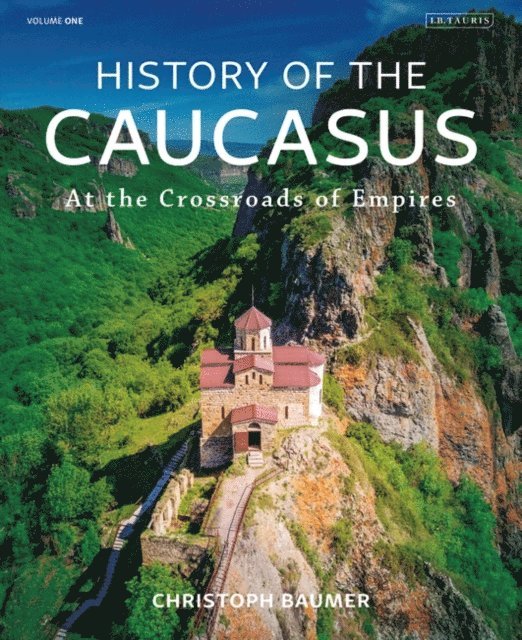
“Magnificent [and] wondrous.” The Spectator "Rich and illuminating." Literary Review"Phenomenally accurate." History Today "Stunning." The Morning Star"Sweeping." The New European"A wonderful book." Current World Archaeology "In a class of its own." The Caspian Post A landscape of high mountains and narrow valleys stretching from the Black to the Caspian Seas, the Caucasus region has been home to human populations for nearly 2 million years. In this richly illustrated 2-volume series, historian and explorer Christoph Baumer tells the story of the region's history through to the present day. It is a story of encounters between many different peoples, from Scythians, Turkic and Mongol peoples of the East to Greeks and Romans from the West, from Indo-European tribes from the West as well as the East, and to Arabs and Iranians from the South. It is a story of rival claims by Empires and nations and of how the region has become home to more than 50 languages that can be heard within its borders to this very day.This first volume charts the period from the emergence of the earliest human populations in the region – the first known human populations outside Africa - to the Seljuk conquests of 1050CE. Along the way the book charts the development of Neolithic, Iron and Bronze Age cultures, the first recognizable Caucasian state and the arrival of a succession of the great transnational Empires, from the Greeks, the Romans and the Armenian to competing Christian and Muslim conquerors. The History of the Caucasus: Volume 1 also includes more than 200 full colour images and maps bringing the changing cultures of these lands vividly to life.
Inbunden, Engelska, 2025
406 kr
Skickas inom 5-8 vardagar
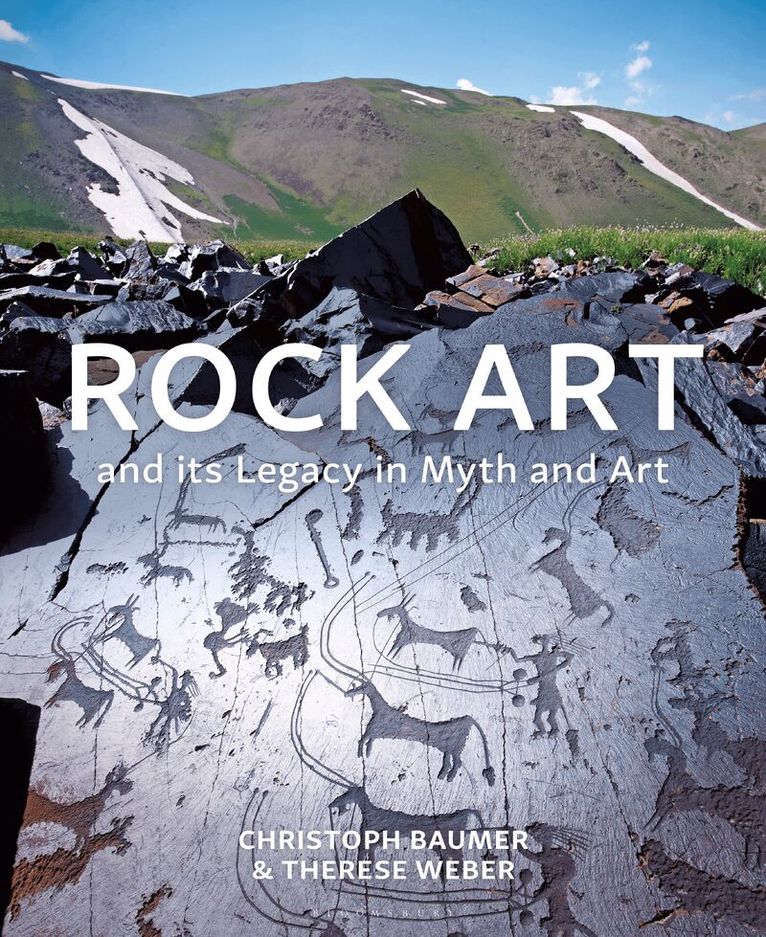
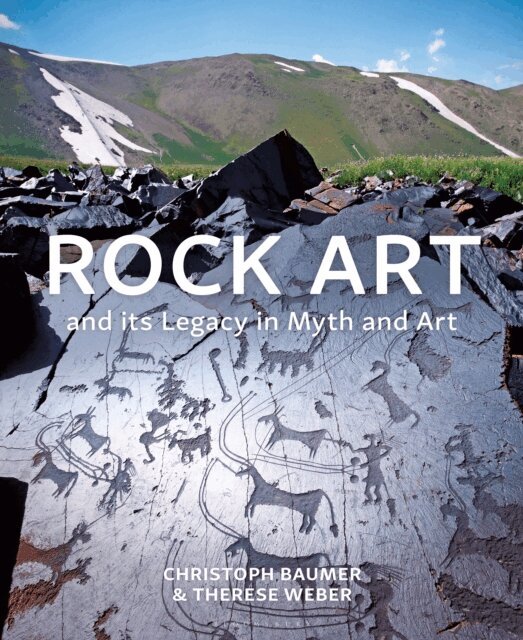
Rock art is mankind’s oldest artistic expression. The first creation of rock carvings (petroglyphs) and rock paintings (pictographs) by Homo sapiens represented on multiple counts a quantum leap in mental performance.In Rock Art and its Legacy in Myth and Art Christoph Baumer tells the story of these remarkable creations of early human imagination in Eurasia, Arabia and the Sahara. Petroglyphs not only reflect societal and economic adaptations to climate changes but also encapsulate the worldviews, myths and rituals that prevailed for tens of thousands of years, and even down to the present. In a final chapter the artist Therese Weber describes the work of contemporary artists from different cultures who engage with rock art and introduces her own work which is inspired by her exploration of petroglyphs. Vividly illustrated throughout with 340 full colour images and 10 maps, this book is a celebration of the legacy of petroglyphs as a means of expression and of recording events and coded messages, as well as a source of inspiration for modern-day artists.

E-bok
Engelska, 2026468 kr
Läs direkt efter köp
Rock art is mankind's oldest artistic expression. The first creation of rock carvings (petroglyphs) and rock paintings (pictographs) by Homo sapiens represented on multiple counts a quantum leap in mental performance.In Rock Art and its Legacy in Myth and Art Christoph Baumer tells the story of these remarkable creations of early human imagination in Eurasia, Arabia and the Sahara. Petroglyphs not only reflect societal and economic adaptations to climate changes but also encapsulate the worldviews, myths and rituals that prevailed for tens of thousands of years, and even down to the present. In a final chapter the artist Therese Weber describes the work of contemporary artists from different cultures who engage with rock art and introduces her own work which is inspired by her exploration of petroglyphs. Vividly illustrated throughout with 340 full colour images and 10 maps, this book is a celebration of the legacy of petroglyphs as a means of expression and of recording events and coded messages, as well as a source of inspiration for modern-day artists.
E-bok
PDF, Engelska, 2026468 kr
Läs direkt efter köp
Rock art is mankind's oldest artistic expression. The first creation of rock carvings (petroglyphs) and rock paintings (pictographs) by Homo sapiens represented on multiple counts a quantum leap in mental performance.In Rock Art and its Legacy in Myth and Art Christoph Baumer tells the story of these remarkable creations of early human imagination in Eurasia, Arabia and the Sahara. Petroglyphs not only reflect societal and economic adaptations to climate changes but also encapsulate the worldviews, myths and rituals that prevailed for tens of thousands of years, and even down to the present. In a final chapter the artist Therese Weber describes the work of contemporary artists from different cultures who engage with rock art and introduces her own work which is inspired by her exploration of petroglyphs. Vividly illustrated throughout with 340 full colour images and 10 maps, this book is a celebration of the legacy of petroglyphs as a means of expression and of recording events and coded messages, as well as a source of inspiration for modern-day artists.
E-bok
PDF, Engelska, 2008315 kr
Läs direkt efter köp
For five millennia, the peoples and cultures of East and West have met and mingled in Central Asia. For explorers and travellers it is a promised land, a region of white spaces on the map, forgotten cities and archaeological treasures. Christoph Baumer has spent a lifetime travelling through the countries of Central Asia, making extraordinary discoveries along the way. "Traces in the Desert" follows in his intrepid footsteps as he finds evidence of Indo-Europeans in the steppes of Western Mongolia, discovers lost oasis cities in the Taklamakan and unearths art treasures in Tibet. He embarks on a quest to find Genghis Khan's long-lost tomb and has numerous, occasionally hair-raising, encounters with shamans, Iranian politicians and armed Tibetan bandits. Enlightening and full of adventure, "Traces in the Desert" uniquely illuminates the hidden parts of Central Asia that have not just disappeared beneath the shifting sands, but also from the horizon of our memory.
Inbunden, Engelska, 2012
1 282 kr
Skickas inom 5-8 vardagar
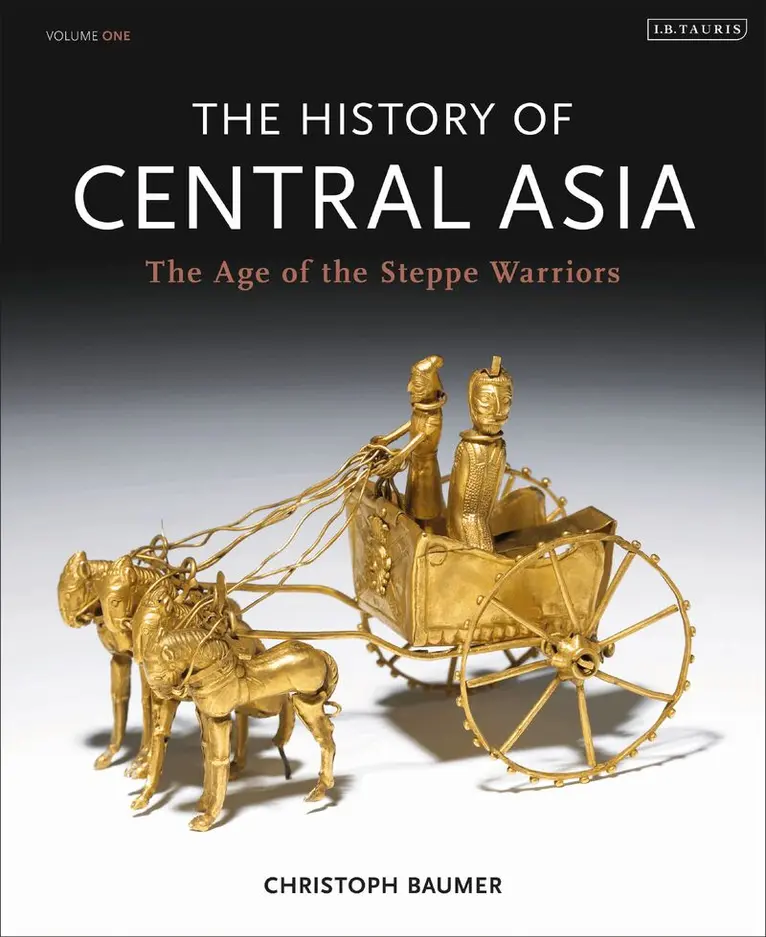
The epic plains and arid deserts of Central Asia have witnessed some of the greatest migrations, as well as many of the most transformative developments, in the history of civilization. Christoph Baumer's ambitious four-volume treatment of the region charts the 3000-year drama of Scythians and Sarmatians; Soviets and transcontinental Silk Roads; trade routes and the transmission of ideas across the steppes; and the breathless and brutal conquests of Alexander the Great and Chinghiz Khan. Masterfully interweaving the stories of individuals and peoples, the author's engaging prose is richly augmented throughout by colour photographs taken on his own travels. For all the complexity of the history, Dr Baumer, a noted authority on Central Asia, never loses sight of the sweeping grandeur of its overall setting. Volume 1 focuses on the geography of the area now occupied by present-day Kazakhstan, Uzbekistan, Turkmenistan, Kyrgyzstan, Tajikistan, northern Afghanistan, western and central Mongolia and parts of southern Russia and northern China.Discussing the changing climates of the Palaeolithic, Mesolithic, Neolithic and Bronze Ages, the author explores subjects as diverse as glacial retreat; the invention of the wheel; the legendary Cimmerians and Amazons; Hellenism and Zoroastrianism; and the Oxus Treasure. Future volumes will explore the later historical periods of the region.
Inbunden, Engelska, 2014
679 kr
Skickas
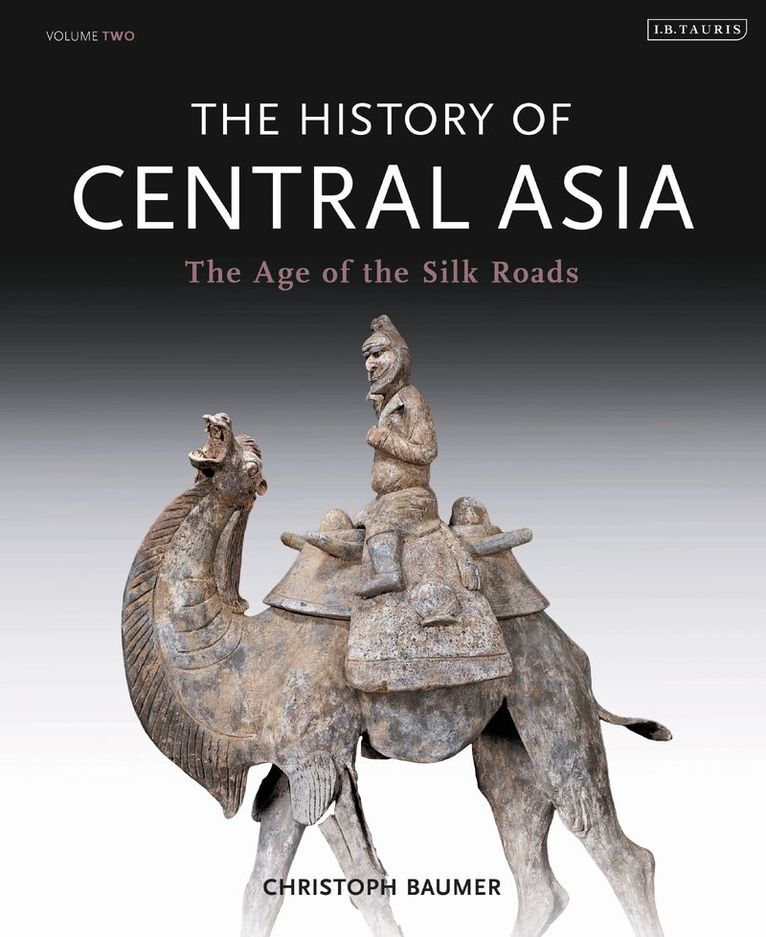
The Age of the Silk Roads (c 200 BC- c 900 AD) shaped the course of the future. The foundation by the Han dynasty of an extensive network of interlinking trade routes, collectively known as the Silk Road, led to an explosion of cultural and commercial transactions across Central Asia that had a profound impact on civilization. In this second volume of his authoritative history of the region, Christoph Baumer explores the unique flow of goods, peoples and ideas along the dusty tracks and wandering caravan routes that brought European and Mediterranean orbits into contact with Asia. The Silk Roads, the author shows, enabled the spread across the known world of Christianity, Manichaeism, Buddhism and Islam, just as earlier they had caused Roman citizens to crave the exotic silk goods of the mysterious Far East. Tracing the rise and fall of empires, this richly illustrated book charts the ebb and flow of epic history: the bitter rivalry of Rome and Parthia; the lucrative mercantile empire of the Sogdians; the founding of Samarkand; and Chinese defeat at the Battle of Talas (751 AD) by the forces of Islam.
Inbunden, Engelska, 2016
1 214 kr
Skickas inom 3-6 vardagar
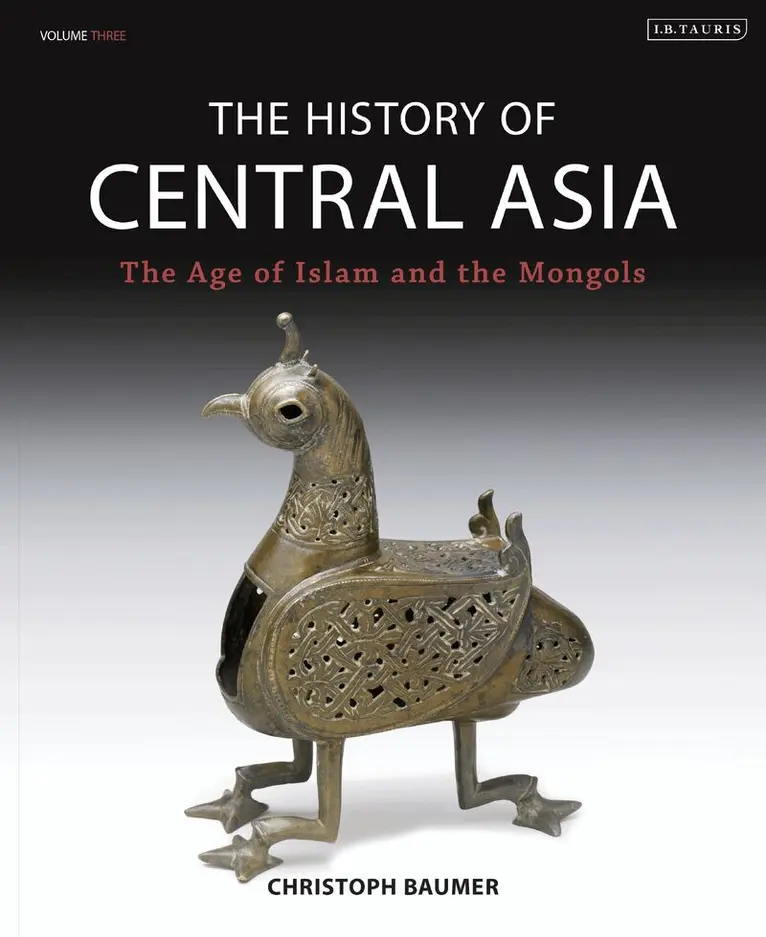
Between the ninth and the fifteenth centuries, Central Asia was a major political, economic and cultural hub on the Eurasian continent. In the first half of the thirteenth century it was also the pre-eminent centre of power in the largest land-based empire the world has ever seen. This third volume of Christoph Baumer's extensively praised and lavishly illustrated new history of the region is above all a story of invasion, when tumultuous and often brutal conquest profoundly shaped the later history of the globe. The author explores the rise of Islam and the remarkable victories of the Arab armies which - inspired by their vital, austere and egalitarian desert faith - established important new dynasties like the Seljuks, Karakhanids and Ghaznavids. A golden age of artistic, literary and scientific innovation came to a sudden end when, between 1219 and 1260, Genghiz Khan and his successors overran the Chorasmian-Abbasid lands. Dr Baumer shows that the Mongol conquests, while shattering to their enemies, nevertheless resulted in much greater mercantile and cultural contact between Central Asia and Western Europe.
Inbunden, Engelska, 2021
363 kr
Skickas
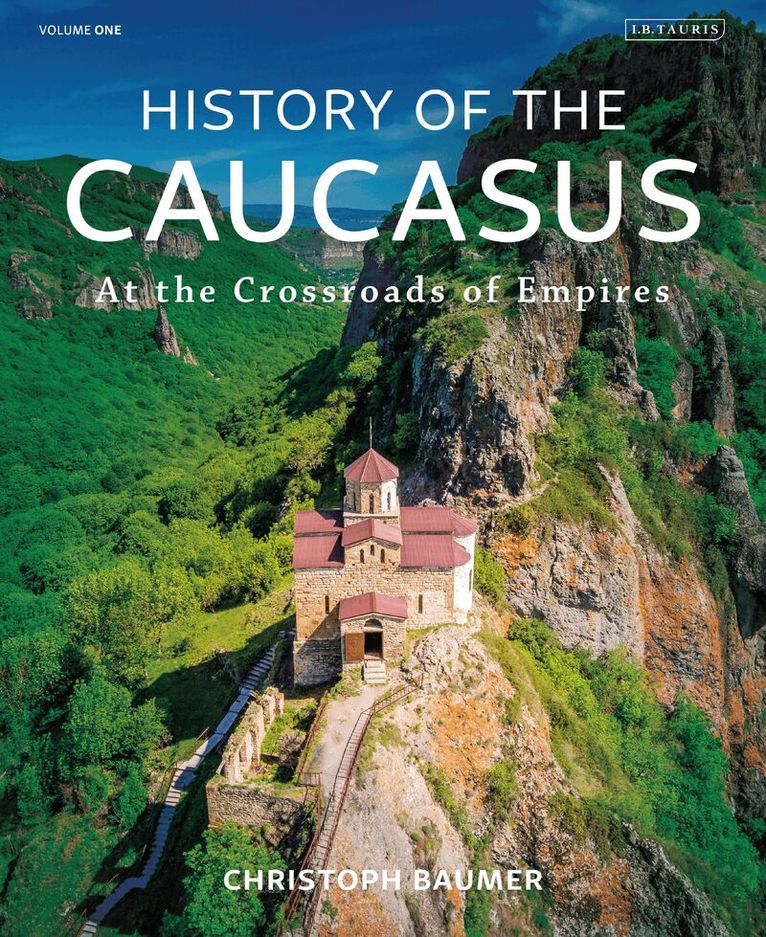
“Magnificent [and] wondrous.” The Spectator "Rich and illuminating." Literary Review"Phenomenally accurate." History Today "Stunning." The Morning Star"Sweeping." The New European"A wonderful book." Current World Archaeology "In a class of its own." The Caspian Post A landscape of high mountains and narrow valleys stretching from the Black to the Caspian Seas, the Caucasus region has been home to human populations for nearly 2 million years. In this richly illustrated 2-volume series, historian and explorer Christoph Baumer tells the story of the region’s history through to the present day. It is a story of encounters between many different peoples, from Scythians, Turkic and Mongol peoples of the East to Greeks and Romans from the West, from Indo-European tribes from the West as well as the East, and to Arabs and Iranians from the South. It is a story of rival claims by Empires and nations and of how the region has become home to more than 50 languages that can be heard within its borders to this very day.This first volume charts the period from the emergence of the earliest human populations in the region – the first known human populations outside Africa - to the Seljuk conquests of 1050CE. Along the way the book charts the development of Neolithic, Iron and Bronze Age cultures, the first recognizable Caucasian state and the arrival of a succession of the great transnational Empires, from the Greeks, the Romans and the Armenian to competing Christian and Muslim conquerors. The History of the Caucasus: Volume 1 also includes more than 200 full colour images and maps bringing the changing cultures of these lands vividly to life.
Inbunden, Engelska, 2018
786 kr
Skickas inom 5-8 vardagar
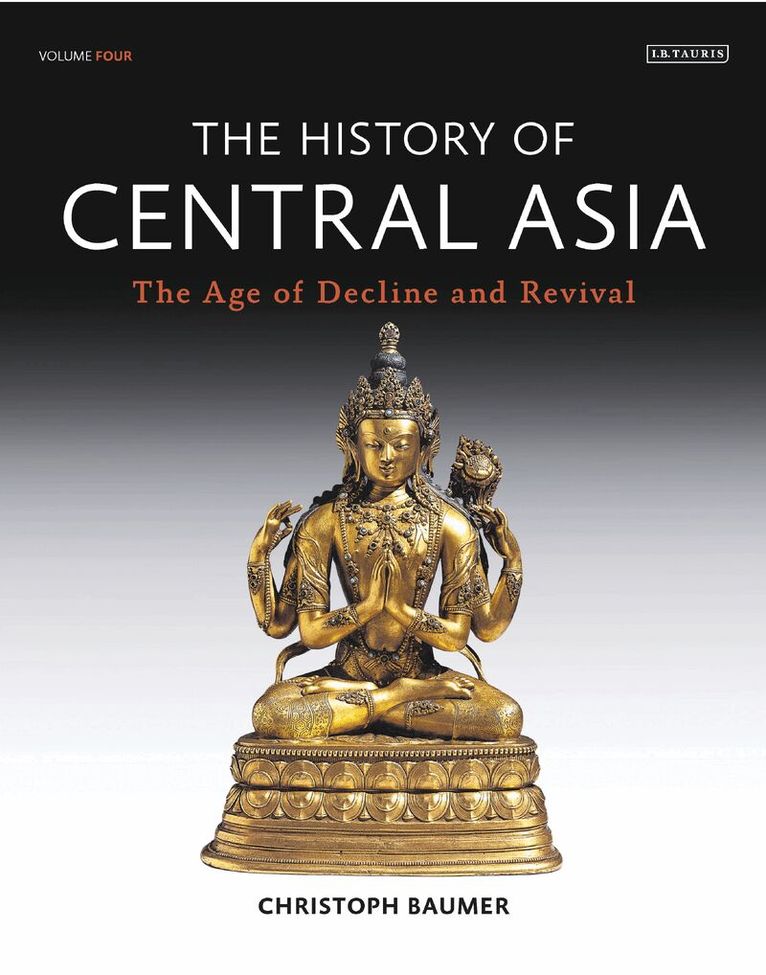
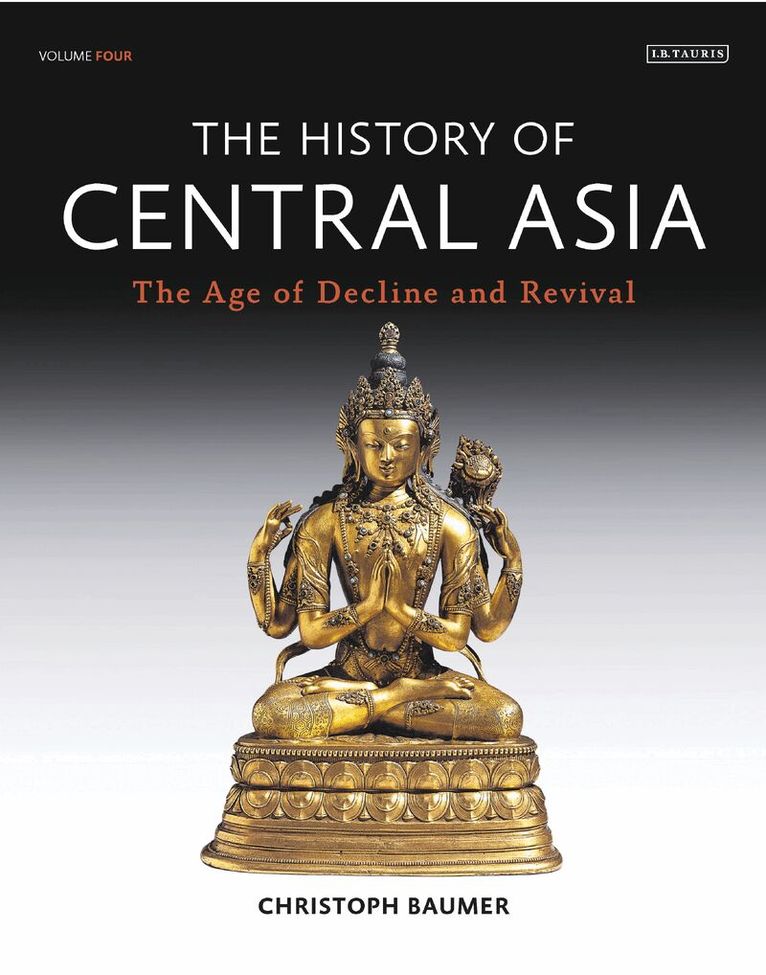
For more than a hundred years, Central Asia was the heartland of the mightiest military power on the planet. But after the fragmentation of the all-conquering Mongol polity, the region began a steep decline which rendered this former domain of horse lords peripheral to world affairs. The process of deterioration reached its nadir in the second half of the nineteenth century, when the former territories and sweeping steppes of the great khans were overrun by Tsarist Russia. In the concluding volume of his acclaimed Central Asia quartet, Christoph Baumer shows how China in the east, and Russia in the northwest, succeeded in throwing off the Mongol yoke to become the masters of their own previous rulers. He suggests that, as traditional transcontinental trade routes declined in importance, it was the `Great Game' - or cold war between Imperial Russia and Great Britain - which finally brought Central Asia back into play as a region of strategic importance. This epic history concludes with an assessment of the transition to modern independence of the Central Asian states and their struggle to contain radical Islamism.
2 927 kr
Skickas inom 5-8 vardagar
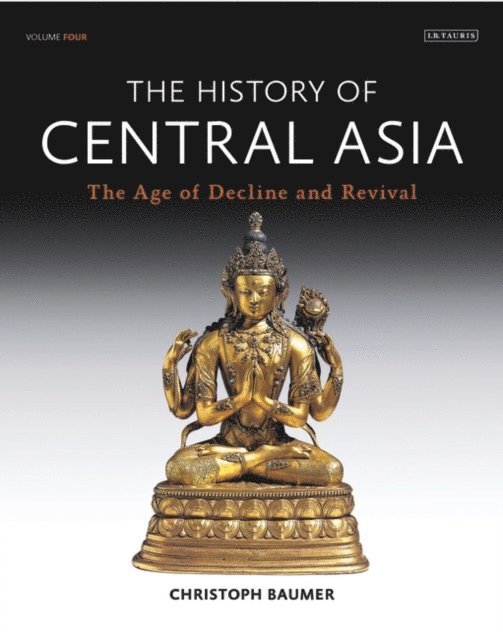
This set includes all four volumes of the critically acclaimed History of Central Asia series. The epic plains and arid deserts of Central Asia have witnessed some of the greatest migrations, as well as many of the most transformative developments, in the history of civilization. Christoph Baumer's ambitious four-volume treatment of the region charts the 3000-year drama of Scythians and Sarmatians; Soviets and transcontinental Silk Roads; trade routes and the transmission of ideas across the steppes; and the breathless and brutal conquests of Alexander the Great and Chinghiz Khan. Masterfully interweaving the stories of individuals and peoples, the author's engaging prose is richly augmented throughout by colour photographs taken on his own travels. This set includes The Age of the Steppe Warriors (Volume 1), The Age of the Silk Roads (Volume 2), The Age of Islam and the Mongols (Volume 3) and The Age of Decline and Revival (Volume 4)
E-bok
Engelska, 20182 649 kr
Läs direkt efter köp
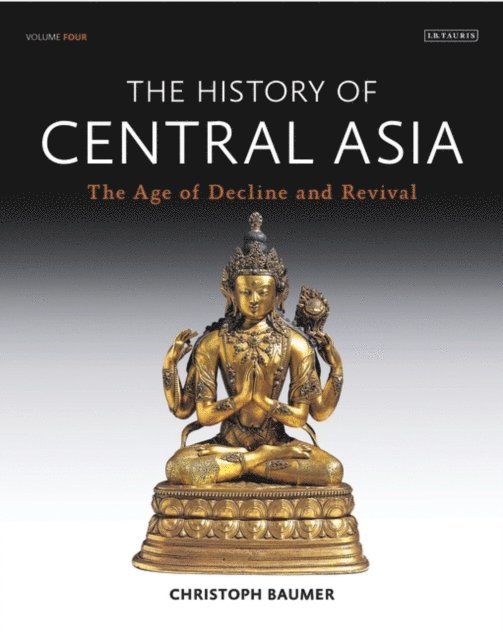
This set includes all four volumes of the critically acclaimed History of Central Asia series. The epic plains and arid deserts of Central Asia have witnessed some of the greatest migrations, as well as many of the most transformative developments, in the history of civilization. Christoph Baumer's ambitious four-volume treatment of the region charts the 3000-year drama of Scythians and Sarmatians; Soviets and transcontinental Silk Roads; trade routes and the transmission of ideas across the steppes; and the breathless and brutal conquests of Alexander the Great and Chinghiz Khan. Masterfully interweaving the stories of individuals and peoples, the author's engaging prose is richly augmented throughout by colour photographs taken on his own travels. This set includes The Age of the Steppe Warriors (Volume 1), The Age of the Silk Roads (Volume 2), The Age of Islam and the Mongols (Volume 3) and The Age of Decline and Revival (Volume 4)
E-bok
PDF, Engelska, 20182 556 kr
Läs direkt efter köp
This set includes all four volumes of the critically acclaimed History of Central Asia series. The epic plains and arid deserts of Central Asia have witnessed some of the greatest migrations, as well as many of the most transformative developments, in the history of civilization. Christoph Baumer's ambitious four-volume treatment of the region charts the 3000-year drama of Scythians and Sarmatians; Soviets and transcontinental Silk Roads; trade routes and the transmission of ideas across the steppes; and the breathless and brutal conquests of Alexander the Great and Chinghiz Khan. Masterfully interweaving the stories of individuals and peoples, the author's engaging prose is richly augmented throughout by colour photographs taken on his own travels. This set includes The Age of the Steppe Warriors (Volume 1), The Age of the Silk Roads (Volume 2), The Age of Islam and the Mongols (Volume 3) and The Age of Decline and Revival (Volume 4)
E-bok
Engelska, 2016530 kr
Läs direkt efter köp
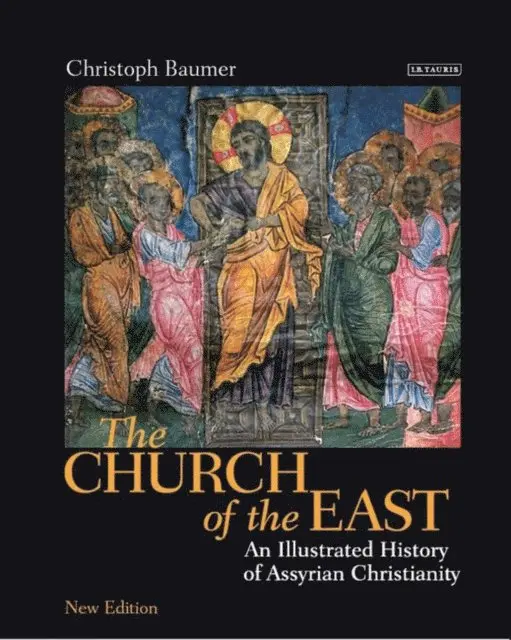
The so-called 'Nestorian' Church (officially known as the Apostolic Assyrian Church of the East, with its See in Baghdad) was one of the most significant Christian communities to develop east of the Roman Empire. In its heyday the Church had 8 million adherents and stretched from the Mediterranean to China. Christoph Baumer is one of the very few Westerners to have visited many of the most important Assyrian sites and has written the only comprehensive history of the Church, which now fights for survival in its country of origin, Iraq, and is almost forgotten in the West. He narrates its rich and colorful trajectory, from its apostolic beginnings to the present day, and discusses the Church's theology, christology, and uniquely vigorous spirituality. He analyzes the Church's turbulent relationship with other Christian chuches and its dialogue with neighboring world religions such as Zoroastrianism, Manichaeism, Islam, Buddhism, and Taoism. Richly illustrated with maps and over 150 full-color photographs, the book will be essential reading for those interested in a fascinating, but neglected Christian community which has profoundly shaped the history of civilization in both East and West.
E-bok
PDF, Engelska, 2016530 kr
Läs direkt efter köp
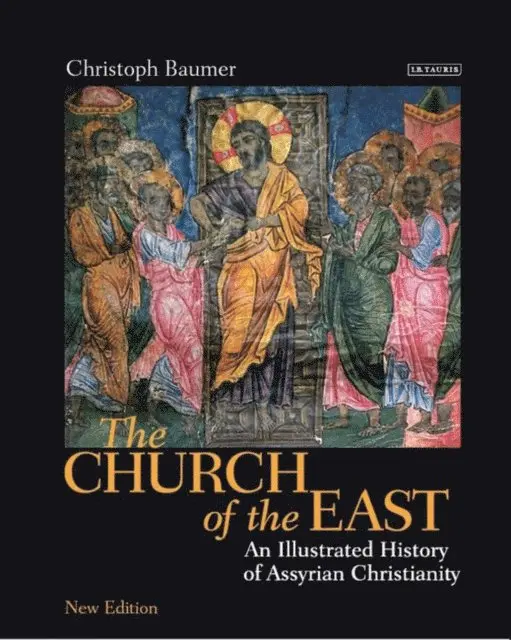
The so-called 'Nestorian' Church (officially known as the Apostolic Assyrian Church of the East, with its See in Baghdad) was one of the most significant Christian communities to develop east of the Roman Empire. In its heyday the Church had 8 million adherents and stretched from the Mediterranean to China. Christoph Baumer is one of the very few Westerners to have visited many of the most important Assyrian sites and has written the only comprehensive history of the Church, which now fights for survival in its country of origin, Iraq, and is almost forgotten in the West. He narrates its rich and colorful trajectory, from its apostolic beginnings to the present day, and discusses the Church's theology, christology, and uniquely vigorous spirituality. He analyzes the Church's turbulent relationship with other Christian chuches and its dialogue with neighboring world religions such as Zoroastrianism, Manichaeism, Islam, Buddhism, and Taoism. Richly illustrated with maps and over 150 full-color photographs, the book will be essential reading for those interested in a fascinating, but neglected Christian community which has profoundly shaped the history of civilization in both East and West.
E-bok
Engelska, 20161 403 kr
Läs direkt efter köp
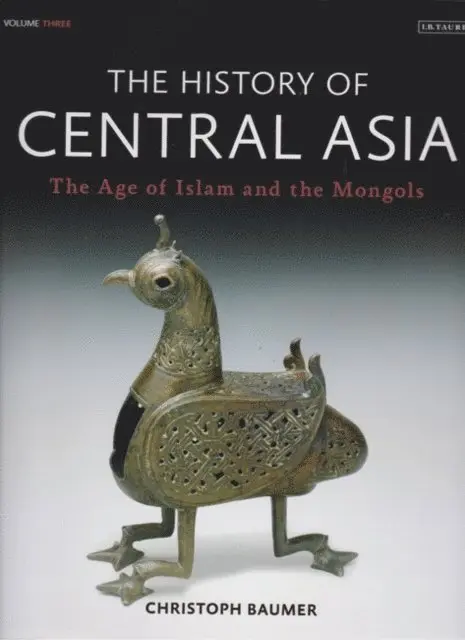
Between the ninth and the fifteenth centuries, Central Asia was a major political, economic and cultural hub on the Eurasian continent. In the first half of the thirteenth century it was also the pre-eminent centre of power in the largest land-based empire the world has ever seen. This third volume of Christoph Baumer's extensively praised and lavishly illustrated new history of the region is above all a story of invasion, when tumultuous and often brutal conquest profoundly shaped the later history of the globe. The author explores the rise of Islam and the remarkable victories of the Arab armies which - inspired by their vital, austere and egalitarian desert faith - established important new dynasties like the Seljuks, Karakhanids and Ghaznavids. A golden age of artistic, literary and scientific innovation came to a sudden end when, between 1219 and 1260, Genghiz Khan and his successors overran the Chorasmian-Abbasid lands. Dr Baumer shows that the Mongol conquests, while shattering to their enemies, nevertheless resulted in much greater mercantile and cultural contact between Central Asia and Western Europe.
E-bok
PDF, Engelska, 20161 403 kr
Läs direkt efter köp
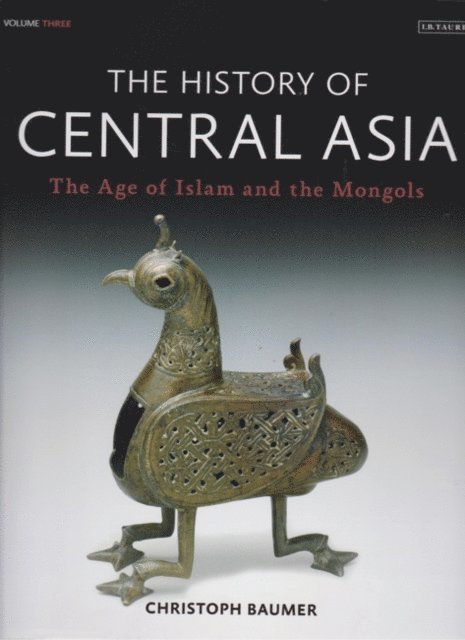
Between the ninth and the fifteenth centuries, Central Asia was a major political, economic and cultural hub on the Eurasian continent. In the first half of the thirteenth century it was also the pre-eminent centre of power in the largest land-based empire the world has ever seen. This third volume of Christoph Baumer's extensively praised and lavishly illustrated new history of the region is above all a story of invasion, when tumultuous and often brutal conquest profoundly shaped the later history of the globe. The author explores the rise of Islam and the remarkable victories of the Arab armies which - inspired by their vital, austere and egalitarian desert faith - established important new dynasties like the Seljuks, Karakhanids and Ghaznavids. A golden age of artistic, literary and scientific innovation came to a sudden end when, between 1219 and 1260, Genghiz Khan and his successors overran the Chorasmian-Abbasid lands. Dr Baumer shows that the Mongol conquests, while shattering to their enemies, nevertheless resulted in much greater mercantile and cultural contact between Central Asia and Western Europe.
Inbunden, Engelska, 2011
763 kr
Skickas inom 5-8 vardagar
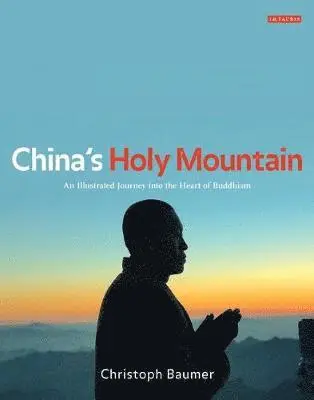
Rising from Shanxi Province like a three-dimensional mandala, the soaring peaks of Wutai Shan ('Five-terrace Mountain') have inspired pilgrims and travellers for almost two millennia. A striking terrain of towering emerald forests, wraith-like mists and crenellated ridges, this consecrated and secluded site is said to be the spiritual home of Wenshu Pusa, Bodhisattva of Wisdom. It is one of the most venerable and important Buddhist sanctuaries in China, yet still remains relatively little known in the West. Christoph Baumer has travelled extensively in the Wutai Shan region, and here offers the first comprehensive account of the cradle of Chinese Buddhism. In his remarkable new travelogue, 300 luminous photographs capture the unique spirituality of the 60 monasteries which straddle the complex. Charting festivals, rituals, pilgrimages and the daily life of the monks, abbots and abbesses, 'China's Holy Mountain' is both a splendid introduction to the history of Buddhism in East Asia and an evocative and lavishly-illustrated gazetteer of the monasteries and sacred artefacts themselves.It will be an indispensable resource for students of Asian religion and philosophy, with further appeal to general readers.
Häftad, Engelska, 2016
202 kr
Tillfälligt slut
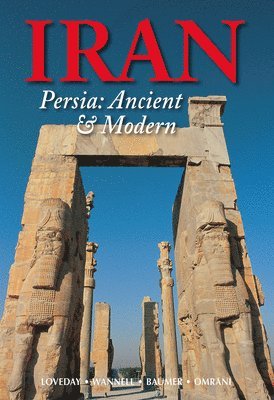
Iran, or Persia as it was formerly known, hasbeen of interest to outsiders for millennia. Fromthe Greco-Persian wars of antiquity, throughthe rise and flourishing of Islam, to the age ofEuropean imperialist expansion in the East, Iranhas been a central player in global history. Drawnby its strategic location along the Silk Road, ancient and distinctive culture and abundantnatural resources, foreign diplomats, traders andtravelers have been coming to Iran for centuries.The Islamic Revolution of 1979 and subsequentevents put a strain on Iran s relationship with theoutside world, particularlythe West, leading tosanctions and a decline intourism and trade. Yet early in 2016 the Lausanne Accordover Iran s nuclear program, and then nationalelections resulting in greater reformist representation in Iran sParliament have greatly increased the country s attractivenessto outsiders, with travelers and business people once moresetting their sights on Iran.The Guide offers visitors to Iran scholarly and readable introductions to: Zoroaster, Cyrus, Darius & Alexander Shi a Islam, religious art and architecture The complexities of Iran s fraughtrelationship with Israel Persepolis, Pasargdae, Esfahan & Shiraz Ferdowsi, Attar and Hafez Iranian film, food & music UNESCO World Heritage sites 464 pages, 133 color photos 17 easy-to-use maps"