842 kr
Skickas inom 10-15 vardagar
842 kr
Skickas inom 10-15 vardagar
1 027 kr
Läs direkt efter köp
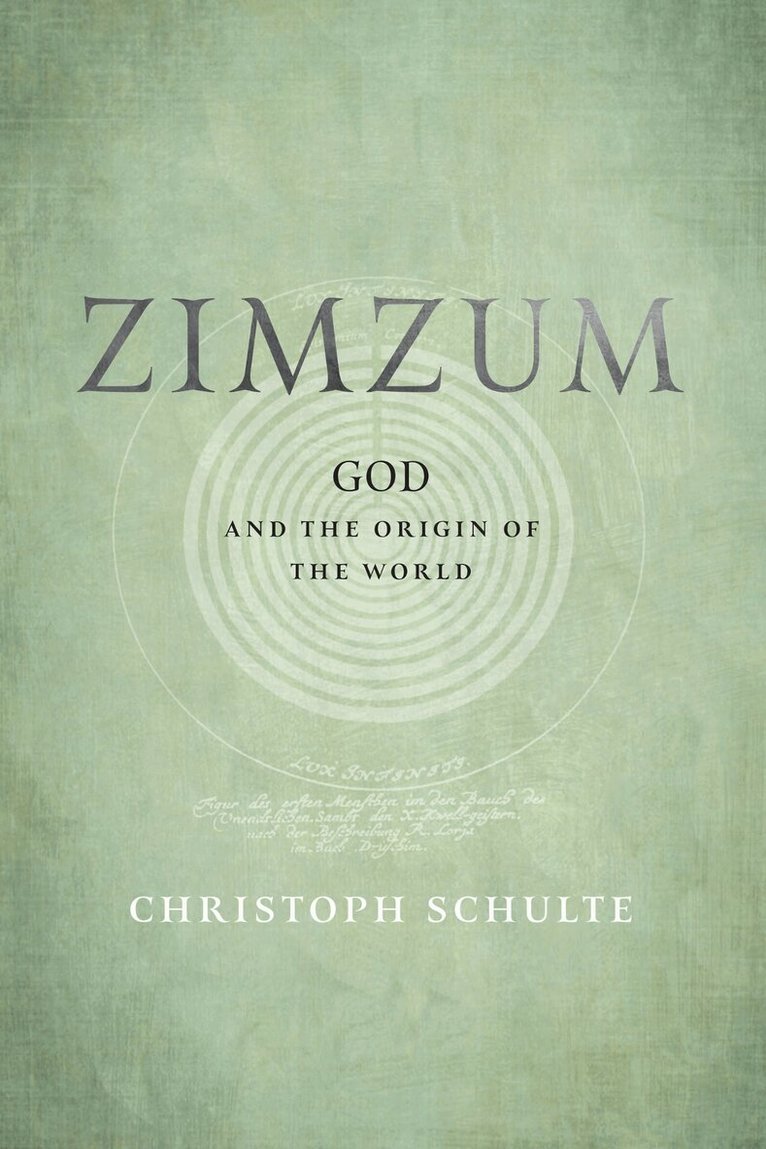
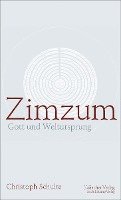
The Hebrew word zimzum originally means “contraction,” “withdrawal,” “retreat,” “limitation,” and “concentration.” In Kabbalah, zimzum is a term for God’s self-limitation, done before creating the world to create the world. Jewish mystic Isaac Luria coined this term in Galilee in the sixteenth century, positing that the God who was “Ein-Sof,” unlimited and omnipresent before creation, must concentrate himself in the zimzum and withdraw in order to make room for the creation of the world in God’s own center. At the same time, God also limits his infinite omnipotence to allow the finite world to arise. Without the zimzum there is no creation, making zimzum one of the basic concepts of Judaism.The Lurianic doctrine of the zimzum has been considered an intellectual showpiece of the Kabbalah and of Jewish philosophy. The teaching of the zimzum has appeared in the Kabbalistic literature across Central and Eastern Europe, perhaps most famously in Hasidic literature up to the present day and in philosopher and historian Gershom Scholem’s epoch-making research on Jewish mysticism. The Zimzum has fascinated Jewish and Christian theologians, philosophers, and writers like no other Kabbalistic teaching. This can be seen across the philosophy and cultural history of the twentieth century as it gained prominence among such diverse authors and artists as Franz Rosenzweig, Hans Jonas, Isaac Bashevis Singer, Harold Bloom, Barnett Newman, and Anselm Kiefer.This book follows the traces of the zimzum across the Jewish and Christian intellectual history of Europe and North America over more than four centuries, where Judaism and Christianity, theosophy and philosophy, divine and human, mysticism and literature, Kabbalah and the arts encounter, mix, and cross-fertilize the interpretations and appropriations of this doctrine of God’s self-entanglement and limitation.
1 251 kr
Skickas inom 5-8 vardagar
1 457 kr
Läs direkt efter köp
1 612 kr
Läs direkt efter köp
1 457 kr
Läs direkt efter köp
1 612 kr
Läs direkt efter köp
1 600 kr
Läs direkt efter köp
1 762 kr
Skickas inom 5-8 vardagar
Das gegen »Kahlheit der Aufklärung« (Hegel) gerichtete religiöse Interesse vieler Autoren der deutschen Romantik an Naturphilosophie, Magie und Pantheismus, an mystischer Sprachtheorie und Symbolik, an Theogonie und Kosmogonie lässt sie die Kabbala wiederentdecken. Die jüdische Mystik wird zur religiösen, philosophischen und künstlerischen Inspirationsquelle, aber auch zum Gegenstand wissenschaftlicher und weltanschaulicher Auseinandersetzung bei jüdischen und besonders christlichen Romantikern. Der bislang so gut wie nicht erforschte Zusammenhang und die Wechselbeziehungen von Kabbala, Wissenschafts-, Literatur- und Geistesgeschichte der Romantik waren 1991 Thema von zwei interdisziplinären Tagungen an der Universität Kassel und der Hebräischen Universität Jerusalem.
1 762 kr
Skickas inom 5-8 vardagar
In der Literatur der deutschen Romantik wird die jüdische Mystik auch von christlichen Autoren wie Novalis, F. Schlegel, Brentano, Arnim und E.T.A. Hoffmann entdeckt. Während die Kabbala bei Theologen und Philosophen der Romantik als religiöse Urlehre der Menschheit und als Brücke zwischen rabbinischer Tradition und Christentum galt, fasziniert sie die Literaten als esoterische jüdische Zauber- und Geheimlehre sowie als Trope einer die Rationalität und die Autorenintentionen übersteigenden, magischen Eigenmächtigkeit von Sprache und Schrift.
509 kr
Skickas inom 3-6 vardagar
1 659 kr
Skickas inom 3-6 vardagar
Eine Untersuchung Der Rechtsprechung Von Reichsgericht Und Bundesgerichtshof
568 kr
Tillfälligt slut