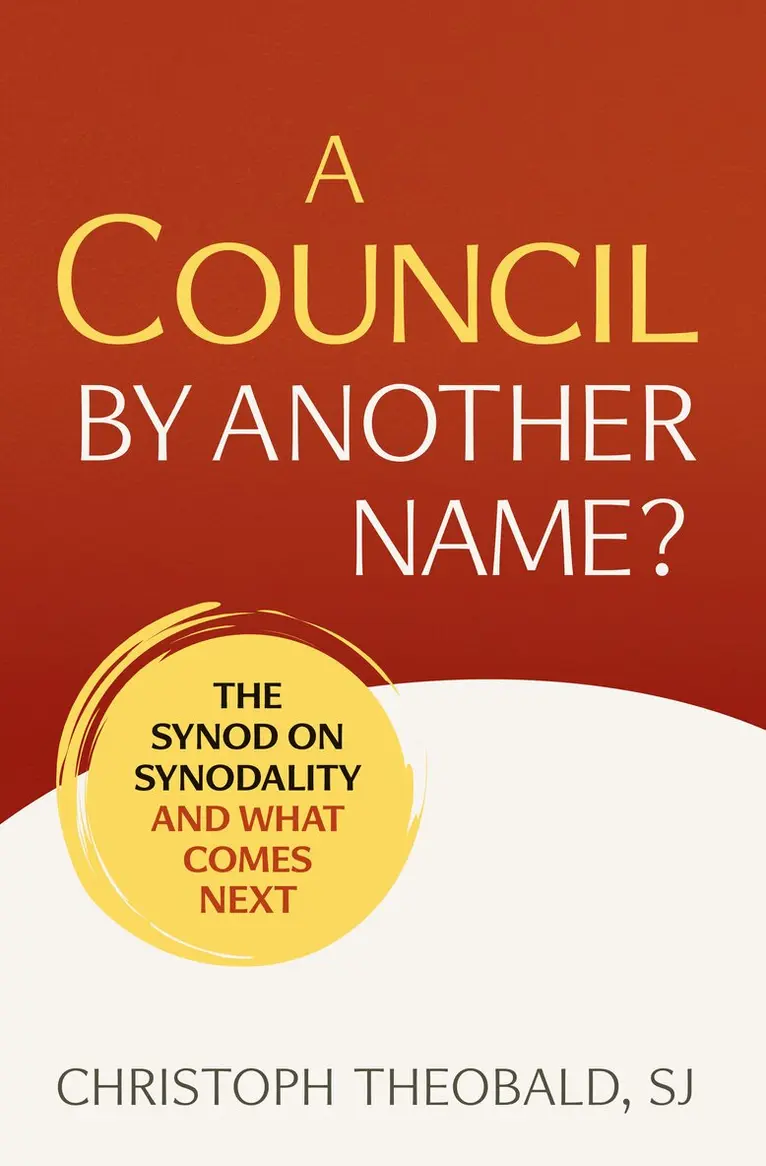
2026 Catholic Media Association Third Place Award, The Future of the ChurchThe ongoing synodal process of the Catholic Church engages a new vision of being church within human history and society. At the European synod of bishops in 1999, Cardinal Carlo Maria Martini called for a new ecumenical council. Too wise to use this term explicitly, he said that he hoped for “an experience of universal confrontation between bishops at the dawning of the new century.” Unresolved questions demanded sound answers: a lack of ordained ministers, the role of women in the church, the participation of the laity, new challenges regarding sexuality and marriage, ecumenism, and more. Since then, even more questions have been raised regarding the sexual abuse crisis, the experience of widespread discouragement, and polarization within the church. In A Council by Another Name? world-renowned French theologian Christoph Theobald explains why synodality is a constitutive dimension of the church and urges readers, especially ecclesial leaders, to trust the synodal process and to engage in it in their rightful place. Based on conversion that is both personal and institutional, Theobald cites Pope Francis’s call for cooperation and creativity as an essential element for confronting the current difficulties effectively, approaching the future peacefully, and welcoming a new and decisive vision of the church within human history and society.This is a revised and expanded edition of the second French edition.
2026 Catholic Media Association Third Place Award, The Future of the ChurchThe ongoing synodal process of the Catholic Church engages a new vision of being church within human history and society.At the European synod of bishops in 1999, Cardinal Carlo Maria Martini called for a new ecumenical council. Too wise to use this term explicitly, he said that he hoped for "e;an experience of universal confrontation between bishops at the dawning of the new century."e; Unresolved questions demanded sound answers: a lack of ordained ministers, the role of women in the church, the participation of the laity, new challenges regarding sexuality and marriage, ecumenism, and more. Since then, even more questions have been raised regarding the sexual abuse crisis, the experience of widespread discouragement, and polarization within the church.In A Council by Another Name? world-renowned French theologian Christoph Theobald explains why synodality is a constitutive dimension of the church and urges readers, especially ecclesial leaders, to trust the synodal process and to engage in it in their rightful place. Based on conversion that is both personal and institutional, Theobald cites Pope Francis's call for cooperation and creativity as an essential element for confronting the current difficulties effectively, approaching the future peacefully, and welcoming a new and decisive vision of the church within human history and society.This is a revised and expanded edition of the second French edition.
Del 1 - Veröffentlichungen der Papst-Benedikt XVI.-Gastprofessur
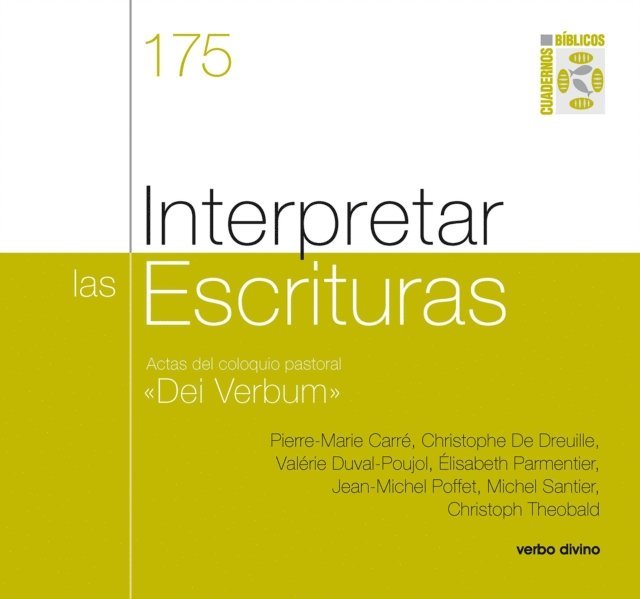
La Constitución Dogmática del Concilio Vaticano II "Dei verbum" (1965) dio un gran aliento para una asimilación novedosa de la Biblia en la liturgia y en la catequesis, como también en los grupos, los encuentros, la docencia y los cursos de formación. Sin embargo, la experiencia nos dice que esta actividad no carece de escollos. Se plantean numerosas cuestiones: las relaciones entre Palabra de Dios y palabras humanas; los vínculos entre Palabra de Dios, Tradición y Escritura; la escucha misma de la Palabra de Dios en las Escrituras. Aparece así una palabra clave: "interpretar". Una palabra que también es un camino.
¿Puede el cristianismo desaparecer en América Latina? ¿Aún es posible pensar un futuro para el cristianismo? En un continente marcado por la pluralización religiosa, la pérdida de relevancia de las instituciones y la crisis de credibilidad de la Iglesia, la noción de exculturación, acuñada por Danièle Hervieu-Léger para el contexto francés, apunta a que el cristianismo ya no sería capaz de proveer horizontes de sentido colectivos, más allá de construcciones exclusivamente individuales.