Christophe Girot – författare
Visar alla böcker från författaren Christophe Girot. Handla med fri frakt och snabb leverans.
6 produkter
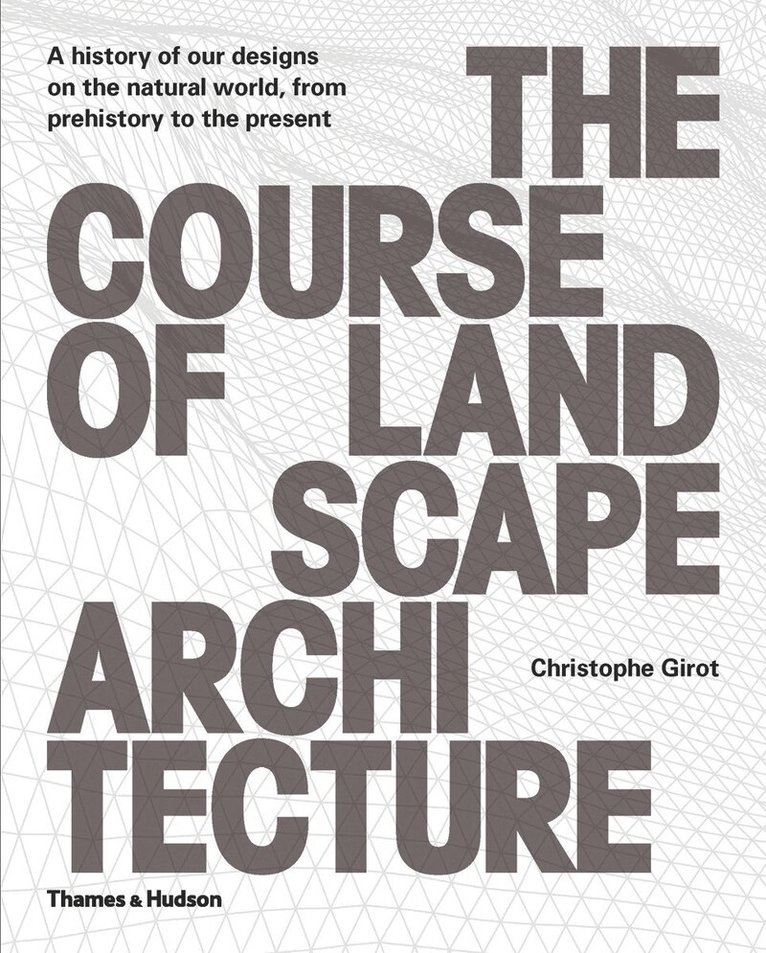
Course of Landscape Architecture
A History of our Designs on the Natural World, from Prehistory to the Present
Inbunden, 2016
505 kr
Tillfälligt slut
In many ways the history of civilization is a history of our relationship with nature and landscape. Christophe Girot sets out to chronicle this intimate connection, drawing on all aspects of mankind’s creativity and ingenuity, and bringing together the key stories that have shaped our manmade …
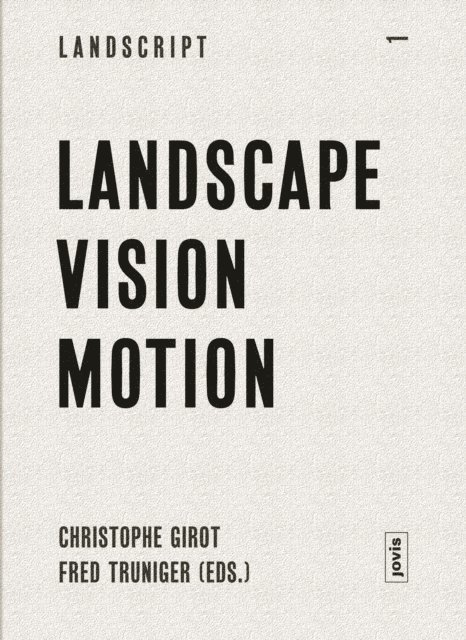
Landscape Vision Motion
Visual Thinking in Landscape Culture
Av Fred Truninger, Christophe Girot
E-bok, 2014
360 kr
Lägg i varukorg
Landscript 1: Landscape Vision Motion explores the change of visual thinking that has occurred through film and video setting new spatial dynamics in motion. Professionals from various disciplines comment on the impact of film and video in contemporary landscape thinking. What objectives can be …
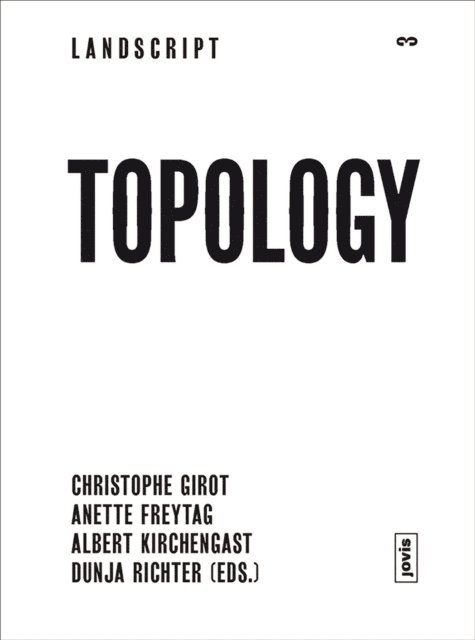
Topology
Positionen zur Gestaltung der zeitgenössischen Landschaft
Av Dunja Richter, Albert Kirchengast m. fl.
E-bok, 2014
448 kr
Lägg i varukorg
How can an abstract term like “Topology” become pertinent and effective to landscape thinking today? There is a schism between the way landscape is understood scientifically, either as a normative network or an environmental system, and the way the same place exists emotionally for people. This …
Topology
Topical Thoughts on the Contemporary Landscape
Av Dunja Richter, Albert Kirchengast m. fl.
E-bok, 2014
448 kr
Lägg i varukorg
How can an abstract term like “Topology” become pertinent and effective to landscape thinking today? There is a schism between the way landscape is understood scientifically, either as a normative network or an environmental system, and the way the same place exists emotionally for people. This …
Landschaftsarchitektur Gestern Und Heute
Geschichte Und Konzepte Zur Gestaltung Von Natur
Inbunden, 2016
1021 kr
Tillfälligt slut
Auf vielfältige Art und Weise ist die Geschichte der Zivilisation eine Geschichte der Beziehung der Menschen zur Natur. Angefangen beim gegensätzlichen Umgang mit Land – einerseits Raum gewinnend für den Ackerbau, andererseits Land gestaltend um Raum zum Schutz abzugrenzen – hat Christophe Girot …
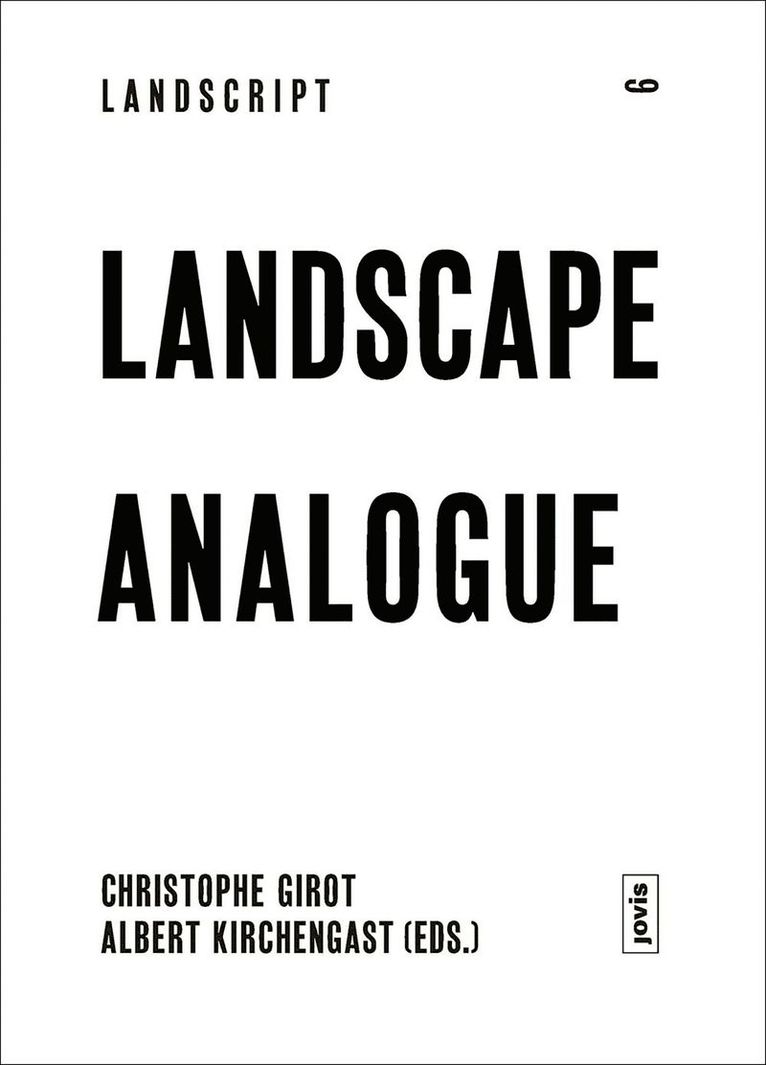
Landscape Analogue
About Material Culture and Idealism
Av Christophe Girot, Albert Kirchengast
Häftad, 2022
375 kr
Tillfälligt slut
The difficulty of reconciling our basic needs with the long history of cultural landscapes, in all their inherent beauty and sufficiency, has become clear. With our deep trust in modern technology, in progress and in a demanding global lifestyle we have become a real threat to our world. Yet, today …