Christophe Helmke - Böcker
Visar alla böcker från författaren Christophe Helmke. Handla med fri frakt och snabb leverans.
2 produkter
2 produkter
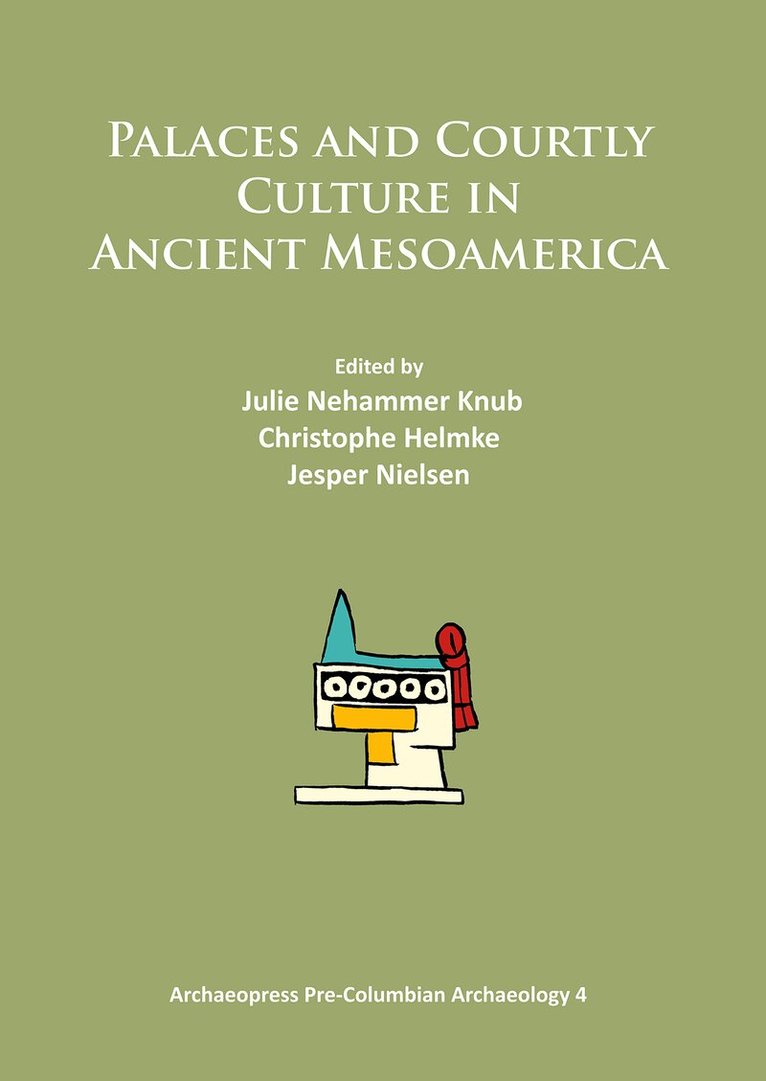
Del 4 - Archaeopress Pre-Columbian Archaeology
Palaces and Courtly Culture in Ancient Mesoamerica
Häftad, Engelska, 2014
471 kr
Skickas
Mesoamerica is one of the cradles of early civilizations in the ancient world, featuring a wide diversity of cultures exhibiting a high degree of social inequality and stratification. At the pinnacle of the society was the ruler, the court and the high elite. This social segment was responsible for the creation and consumption of the hallmarks of civilizations, including monumental architecture, great monolithic monuments and a wide array of highly decorated, exotic and exceptional material culture. As such royal courts defined the very tastes and styles that characterise entire civilizations. This volume collects eight recent and innovative studies on the subject rulership, palatial compounds and courtly culture by staff and students of the American Indian Languages and Culture studies programme at Department of Cross-cultural and Regional Studies, University of Copenhagen, Denmark. Together these studies span the breadth of Mesoamerica, from the Early Classic metropolis of Teotihuacan (ad 200-550), to Tenochtitlan, the Late Postclassic capital of the Aztec (ad 1300-1521), and from the arid central Mexican highlands in the west to the humid Maya lowlands in the east.
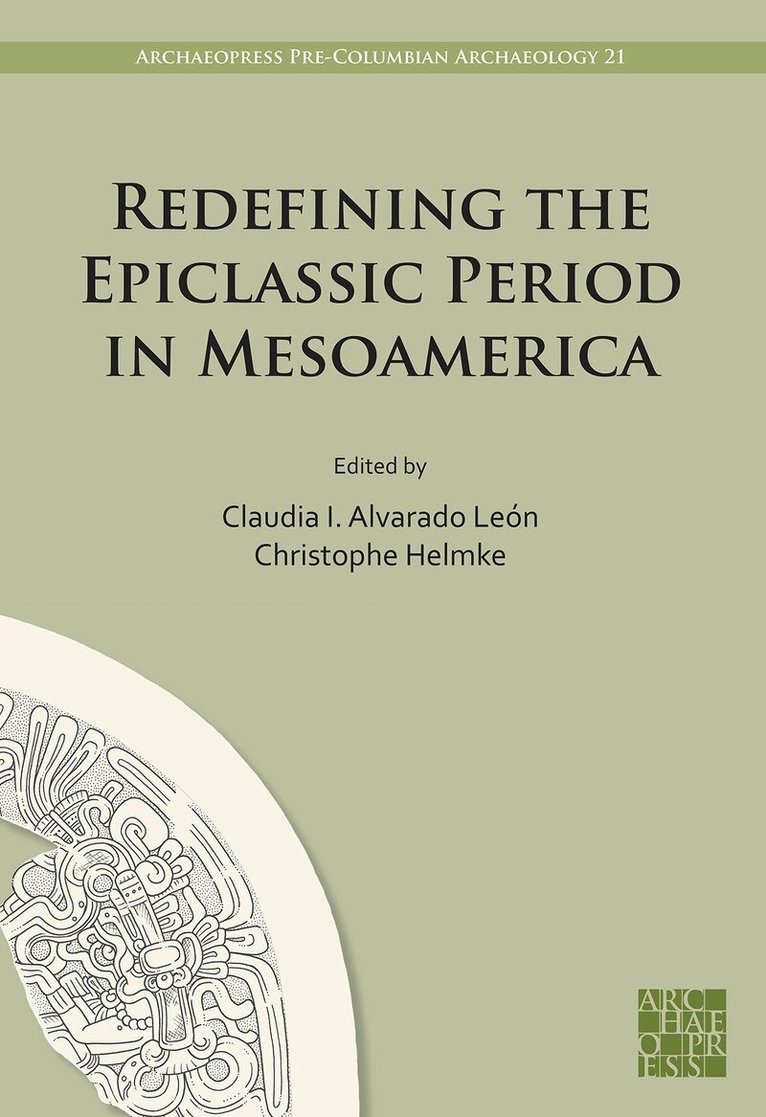
Del 21 - Archaeopress Pre-Columbian Archaeology
Redefining the Epiclassic Period in Mesoamerica
Proceedings of the Copenhagen Roundtable
Inbunden, Engelska, 2026
830 kr
Skickas
This volume examines the Epiclassic period (ad 550/600–900/1000) in Central Mexico, which has long been viewed as a transitional era marked by societal upheaval and the rise of independent city-states. This period has typically been characterised by shifting settlement patterns, the intensification of militarism, and increased contact with foreign regions, such as the Maya. However, recent scholarship has begun to question these assumptions, prompting renewed interest in this key period.Drawing on a diverse range of archaeological, iconographic and linguistic evidence, the Copenhagen Epiclassic Roundtable aimed to reassess the defining features of this period and evaluate continuities and discontinuities from Classic to Postclassic times. Scholars from diverse disciplines presented evidence from various sites across Central Mexico and adjacent regions to analyse the advent of horizon markers, regional material culture, distinctive artistic styles, the emergence of new political institutions and the complex interplay between conflict and cooperation. They critically address questions regarding militarism, cultural homogeneity and exchange, geopolitical dynamics, trade networks and identity formation processes.The twelve chapters of the volume investigate general issues, site-specific archaeology and thematic contributions as they explore the legacies of Teotihuacan and the impact of Epiclassic developments on the rise of the ensuing high cultures of Central Mexico. By emphasizing the heterogeneity of the Epiclassic landscape, this volume offers a more holistic and nuanced understanding of the complexities and enduring significance of this pivotal period of Mesoamerican history.