Christophe Lang – författare
1 398 kr
Läs direkt efter köp
1 681 kr
Läs direkt efter köp
743 kr
Skickas inom 5-8 vardagar
743 kr
Skickas inom 5-8 vardagar
1 122 kr
Skickas inom 10-15 vardagar
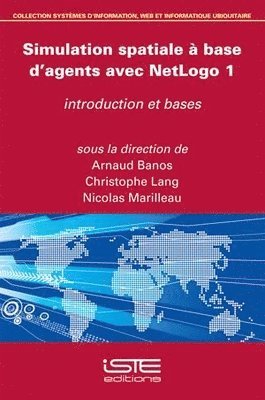
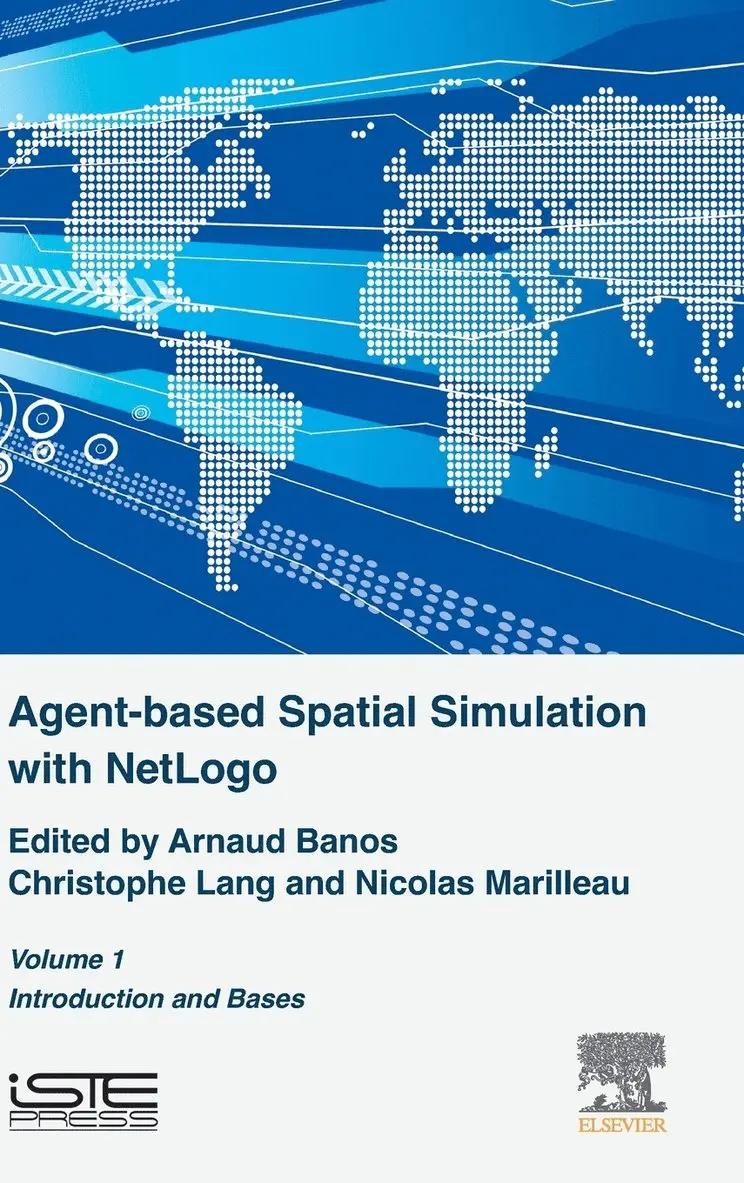
Agent-based modeling is a flexible and intuitive approach that is close to both data and theories, which gives it a special position in the majority of scientific communities. Agent models are as much tools of understanding, exploration and adaptation as they are media for interdisciplinary exchange. It is in this kind of framework that this book is situated, beginning with agent-based modeling of spatialized phenomena with a methodological and practical orientation.
Through a governing example, taking inspiration from a real problem in epidemiology, this book proposes, with pedagogy and economy, a guide to good practices of agent modeling. The reader will thus be able to understand and put the modeling into practice and acquire a certain amount of autonomy.
Featuring the following well-known techniques and tools:�Modeling, such as UML, Simulation, such as the NetLogo platform, Exploration methods, Adaptation using participative simulation1 257 kr
Skickas inom 10-15 vardagar
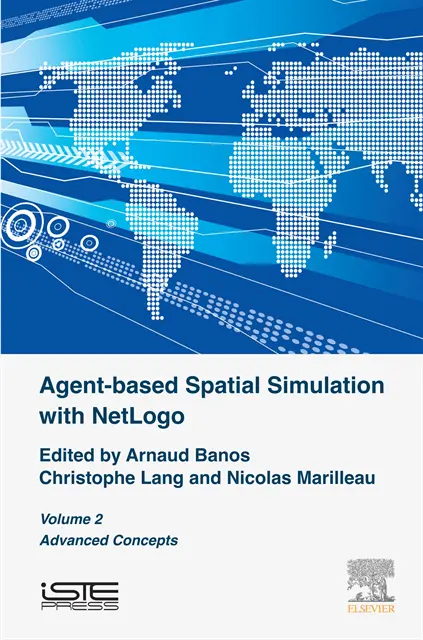
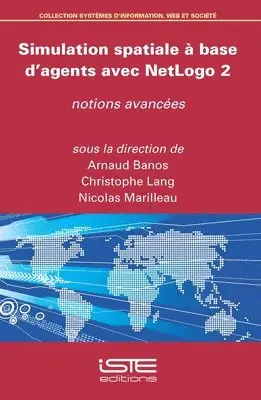
Whereas Volume 1 introduced the NetLogo platform as a means of prototyping simple models, this second volume focuses on the advanced use of NetLogo to connect both data and theories, making it ideal for the majority of scientific communities.
The authors focus on agent-based modeling of spatialized phenomena with a methodological and practical orientation, demonstrating how advanced agent-based spatial simulation methods and technics can be implemented.
This book provides theoretical and conceptual backgrounds, as well as algorithmic and technical insights, including code and applets, so that readers can test and re-use most of its content.
Illustrates advanced concepts and methods in agent-based spatial simulation Features practical examples developed, and commented on, in a unique platform Provides theoretical and conceptual backgrounds, as well as algorithmic and technical insights, including code and applets, so that readers can test and re-use most of its content