Christopher Carr – författare
2 226 kr
Skickas inom 10-15 vardagar
2 558 kr
Skickas inom 10-15 vardagar
2 558 kr
Skickas inom 10-15 vardagar
911 kr
Skickas inom 10-15 vardagar
984 kr
Läs direkt efter köp
3 251 kr
Läs direkt efter köp
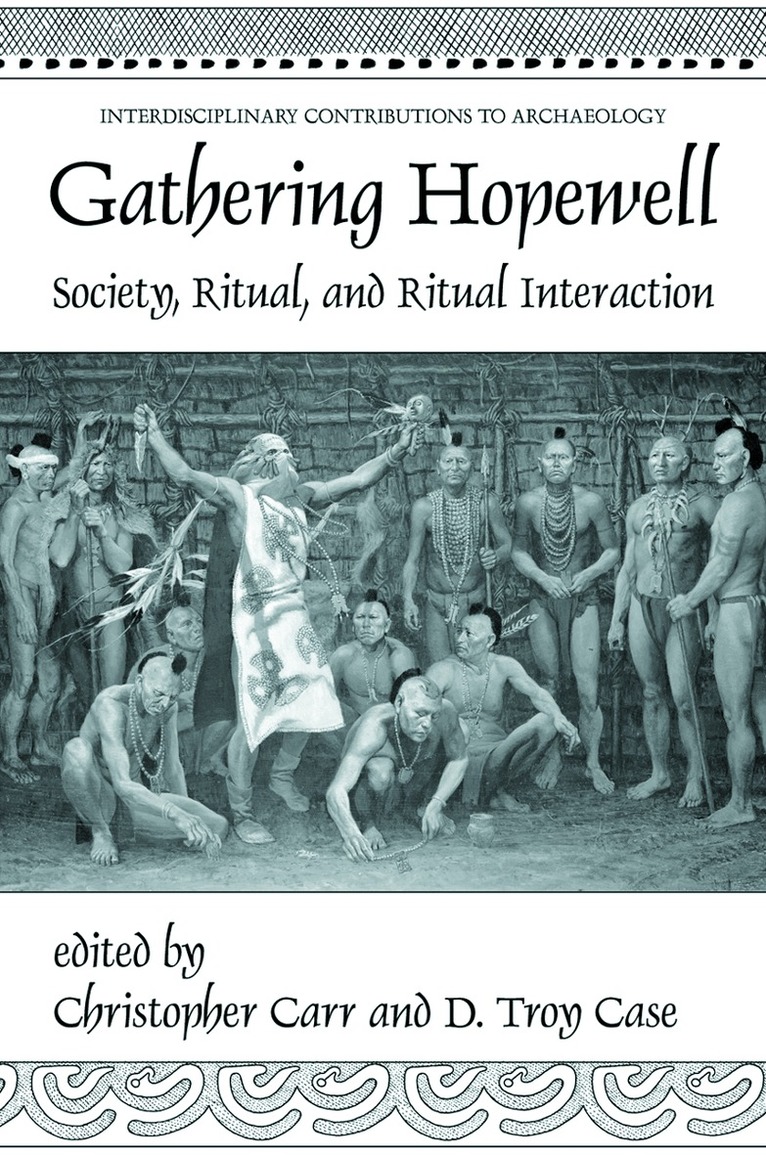
Among the most socially and personally vocal archaeological remains on the North American continent are the massive and often complexly designed earthen architecture of Hopewellian peoples of two thousand years ago, their elaborately embellished works of art made of glistening metals and stones from faraway places, and their highly formalized mortuaries. In this book, twenty-one researchers in interwoven efforts immerse themselves and the reader in this vibrant archaeological record in order to richly reconstruct the societies, rituals, and ritual interactions of Hopewellian peoples.
By finding the faces, actions, and motivations of Hopewellian peoples as individuals who constructed knowable social roles, the authors explore, in a personalized and locally contextualized manner, the details of Hopewellian life: leadership, its sacred and secular power bases, recruitment, and formalization over time; systems of social ranking and prestige; animal-totemic clan organization, kinship structures, and sodalities; gender roles, prestige, work load, and health; community organization in its tri-scalar residential, symbolic, and demographic forms; intercommunity alliances and changes in their strategies and expanses over time; and interregional travels for power questing, pilgrimage, healing, tutelage, and acquiring ritual knowledge.
This book is useful to scholars, graduate students, and advanced undergraduates interested in the workings and development of social complexity at local and interregional scales, recent theoretical developments in the anthropology of the topics listed above, the prehistory of eastern North America, its history of intellectual development, and Native American ritual, symbolism, and belief.
3 668 kr
Skickas inom 10-15 vardagar
3 251 kr
Läs direkt efter köp
2 336 kr
Skickas inom 10-15 vardagar
2 658 kr
Skickas inom 10-15 vardagar
2 925 kr
Läs direkt efter köp
2 226 kr
Skickas inom 10-15 vardagar
3 278 kr
Skickas inom 10-15 vardagar
3 577 kr
Läs direkt efter köp
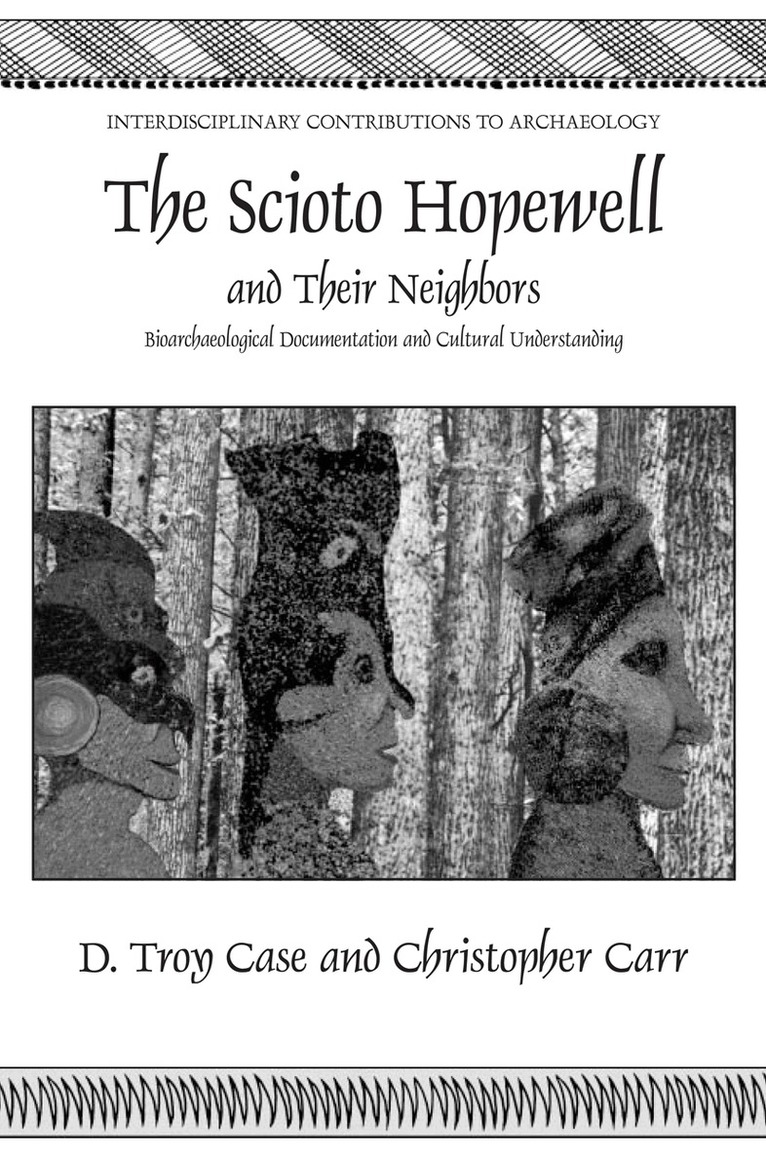
This book, in two volumes, breathes fresh air empirically, methodologically, and theoretically into understanding the rich ceremonial lives, the philosophical-religious knowledge, and the impressive material feats and labor organization that distinguish Hopewell Indians of central Ohio and neighboring regions during the first centuries CE. The first volume defines cross-culturally, for the first time, the “ritual drama” as a genre of social performance. It reconstructs and compares parts of 14 such dramas that Hopewellian and other Woodland-period peoples performed in their ceremonial centers to help the soul-like essences of their deceased make the journey to an afterlife. The second volume builds and critiques ten formal cross-cultural models of “personhood” and the “self” and infers the nature of Scioto Hopewell people’s ontology. Two facets of their ontology are found to have been instrumental in their creating the intercommunity alliances and cooperation and gathering the labor required to construct their huge, multicommunity ceremonial centers: a relational, collective concept of the self defined by the ethical quality of the relationships one has with other beings, and a concept of multiple soul-like essences that compose a human being and can be harnessed strategically to create familial-like ethical bonds of cooperation among individuals and communities.
The archaeological reconstructions of Hopewellian ritual dramas and concepts of personhood and the self, and of Hopewell people’s strategic uses of these, are informed by three large surveys of historic Woodland and Plains Indians’ narratives, ideas, and rites about journeys to afterlives, the creatures who inhabit the cosmos, and the nature and functions of soul-like essences, coupled with rich contextual archaeological and bioarchaeological-taphonomic analyses. The bioarchaeological-taphonomic method of l’anthropologie de terrain, new to North American archaeology,is introduced and applied. In all, the research in this book vitalizes a vision of an anthropology committed to native logic and motivation and skeptical of the imposition of Western world views and categories onto native peoples.
3 278 kr
Skickas inom 10-15 vardagar