Tantric philosopher and Oxford scholar Christopher Wallis calls out the seemingly helpful spiritual teachings dominating our current culture and demonstrates how these near truths stand in the way of a more radically free and meaningful life-and ultimately, a deeper spiritual awakening. Have you ever been told, "You create your own reality"? Have you been encouraged to "be your best self" or "follow your bliss"? Nowadays these slogans are everywhere, but what if they're doing more harm than good? After over thirty years as a scholar-practitioner of meditation and Tantric philosophy, acclaimed author Christopher Wallis (also known as Hareesh) explores the most widespread distortions of spiritual teachings present in our world today. Rooted in the Asian wisdom traditions, Wallis's book uncovers why these oft-heard platitudes are "near enemies" to the truth, often detour us off the spiritual path, and can even cause unnecessary suffering.In asking us to question what we've accepted as "truth," Wallis reveals how teachings like "become the best version of yourself" may have helped us at one stage in our journey but can ultimately lead us away from self-acceptance and compassion and cause us to prioritize an imagined ideal over true intimacy with reality. Understanding the near enemies is vital for any spiritual seeker who is ready to create a deeper, more fulfilling practice and will help you:Distinguish between truth and beliefCommunicate more authentically with loved onesSet healthier boundariesBe in greater harmony with realityPractice radical self-acceptanceNear Enemies of the Truth offers itself as a guide to the pitfalls of the spiritual life. However, it doesn't focus on the negative. In each chapter, after pointing out how a spiritual teaching can be construed in a non-beneficial way, Wallis focuses on the deeper truth and ancient wisdom underlying that teaching, which is often obscured by its popular bumper-sticker version. Each chapter contains a supportive insight for your spiritual process and/or for your everyday life, including guided meditations and reflections. Written in a gentle and encouraging tone, this book offers a wealth of insight and guidance for anyone who finds themselves struggling, reaching a spiritual plateau, or simply seeking a more meaningful way forward. This timely companion will help you think differently and see through the smokescreens to what is true.
Tantra Iluminado guía al lector a lo largo de un viaje fascinante hacia el corazón mismo del Tantra: sus enseñanzas principales, los linajes que le dan fundamento y sus prácticas transformativas. Desde que Occidente descubrió el Tantra hace 100 años, este movimiento espiritual ha sido objeto de gran fascinación, especulación, y una buena dosis de desinformación. Ahora, por primera vez en nuestra lengua, Tantra Iluminado nos brinda una introducción accesible a esta sagrada tradición que nació hace 1,500 años en el norte de la India. Esta obra se sustenta en fuentes originales en sánscrito, ofrece una mirada profunda a la práctica espiritual, y revela la rica historia del Tantra junto con sus poderosas enseñanzas.
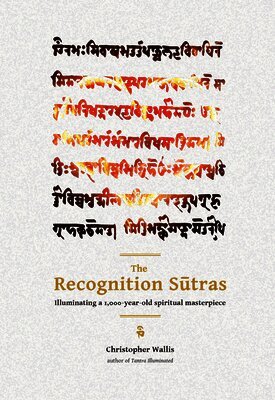
One thousand years ago, in the valley of Kashmir, a great Tantric master named Kshemaraja wrote his masterpiece: the Pratyabhijnahrdayam, which means “The Essence of the Recognition Philosophy”. This text was a concise primer, written to introduce spiritual seekers to the Recognition philosophy in less formally philosophical, more approachable language. What Kshemaraja created turned out to be one of the world’s great spiritual masterpieces, breathtaking in its brevity but stunning in its power. It came to be considered equivalent to scripture itself by later generations, because of its undeniable inspiration. This book expounds the subtleties of this spiritual and philosophical classic. One of the most powerful and revelatory spiritual masterpieces of world history, the Pratyabhijnahrdayam is one of the primary sources for the study and practice of nondual Tantrik Yoga, and it has never been accurately translated or fully explained until now.
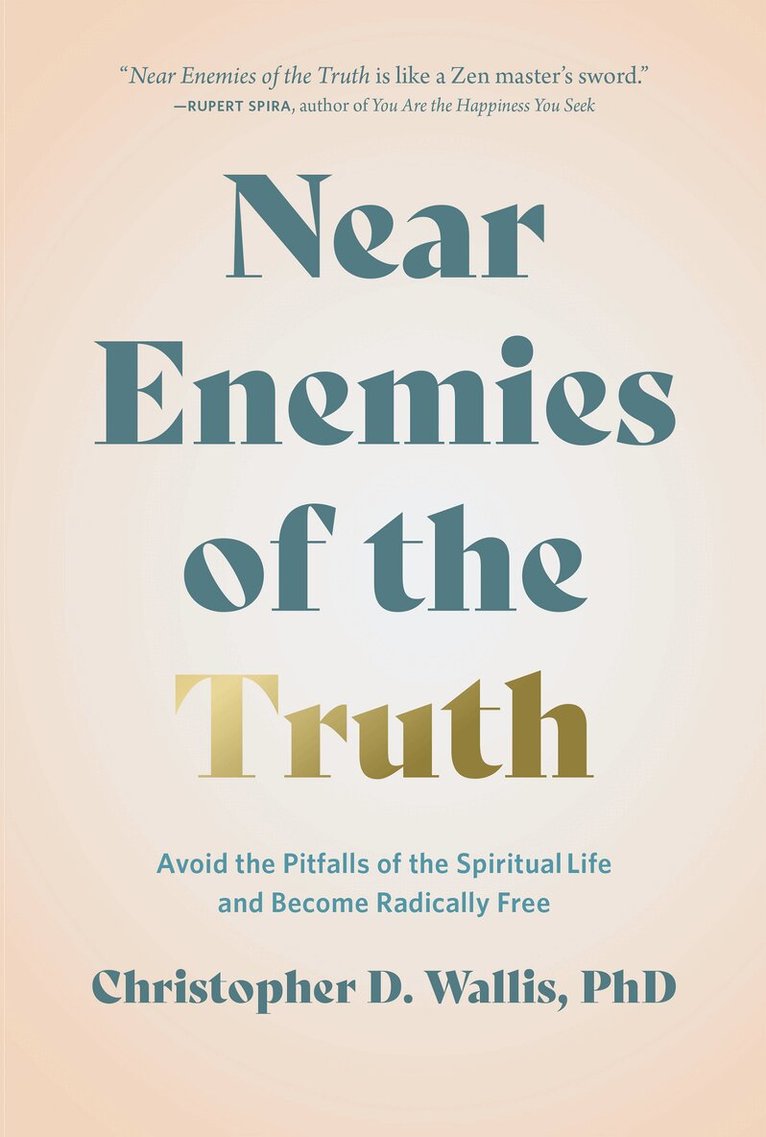
Tantric philosopher and Oxford scholar Christopher Wallis calls out the seemingly helpful spiritual teachings dominating our current culture and demonstrates how these near truths stand in the way of a more radically free and meaningful life-and ultimately, a deeper spiritual awakening. Have you ever been told, "You create your own reality"? Have you been encouraged to "be your best self" or "follow your bliss"? Nowadays these slogans are everywhere, but what if they're doing more harm than good? After over thirty years as a scholar-practitioner of meditation and Tantric philosophy, acclaimed author Christopher Wallis (also known as Hareesh) explores the most widespread distortions of spiritual teachings present in our world today. Rooted in the Asian wisdom traditions, Wallis's book uncovers why these oft-heard platitudes are "near enemies" to the truth, often detour us off the spiritual path, and can even cause unnecessary suffering.In asking us to question what we've accepted as "truth," Wallis reveals how teachings like "become the best version of yourself" may have helped us at one stage in our journey but can ultimately lead us away from self-acceptance and compassion and cause us to prioritize an imagined ideal over true intimacy with reality. Understanding the near enemies is vital for any spiritual seeker who is ready to create a deeper, more fulfilling practice and will help you:Distinguish between truth and beliefCommunicate more authentically with loved onesSet healthier boundariesBe in greater harmony with realityPractice radical self-acceptanceNear Enemies of the Truth offers itself as a guide to the pitfalls of the spiritual life. However, it doesn't focus on the negative. In each chapter, after pointing out how a spiritual teaching can be construed in a non-beneficial way, Wallis focuses on the deeper truth and ancient wisdom underlying that teaching, which is often obscured by its popular bumper-sticker version. Each chapter contains a supportive insight for your spiritual process and/or for your everyday life, including guided meditations and reflections. Written in a gentle and encouraging tone, this book offers a wealth of insight and guidance for anyone who finds themselves struggling, reaching a spiritual plateau, or simply seeking a more meaningful way forward. This timely companion will help you think differently and see through the smokescreens to what is true.
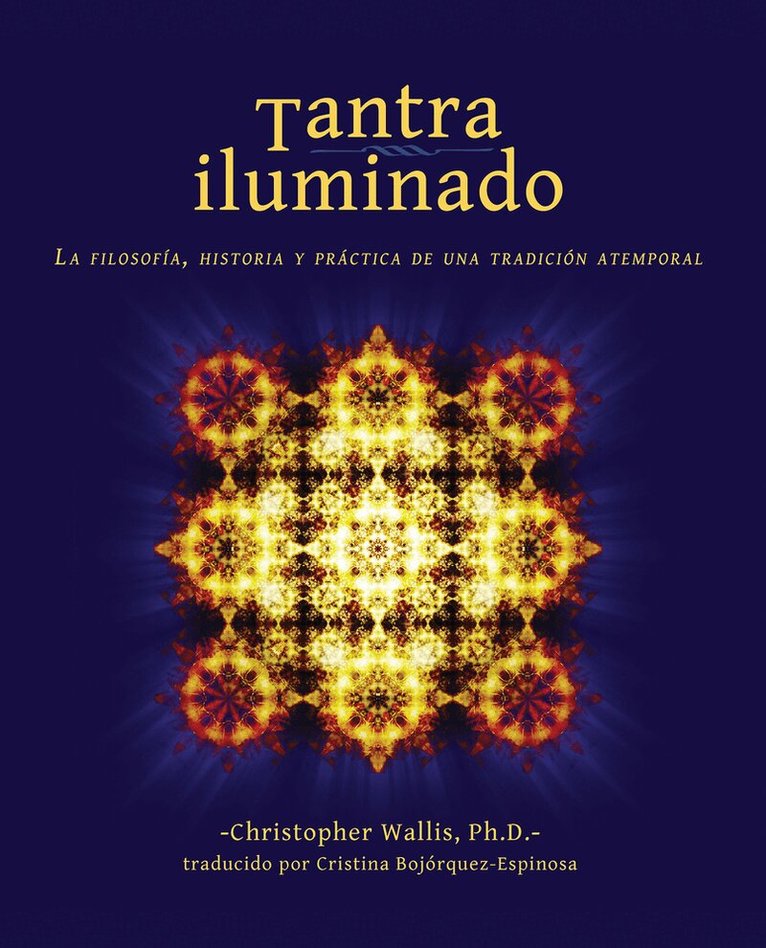
Tantra Iluminado guía al lector a lo largo de un viaje fascinante hacia el corazón mismo del Tantra: sus enseñanzas principales, los linajes que le dan fundamento y sus prácticas transformativas. Desde que Occidente descubrió el Tantra hace 100 años, este movimiento espiritual ha sido objeto de gran fascinación, especulación, y una buena dosis de desinformación. Ahora, por primera vez en nuestra lengua, Tantra Iluminado nos brinda una introducción accesible a esta sagrada tradición que nació hace 1,500 años en el norte de la India. Esta obra se sustenta en fuentes originales en sánscrito, ofrece una mirada profunda a la práctica espiritual, y revela la rica historia del Tantra junto con sus poderosas enseñanzas.
One thousand years ago, in the valley of Kashmir, a great Tantric master named Kshemaraja wrote his masterpiece: the Pratyabhijnahrdayam, which means “The Essence of the Recognition Philosophy”. This text was a concise primer, written to introduce spiritual seekers to the Recognition philosophy in less formally philosophical, more approachable language. What Kshemaraja created turned out to be one of the world’s great spiritual masterpieces, breathtaking in its brevity but stunning in its power. It came to be considered equivalent to scripture itself by later generations, because of its undeniable inspiration. This book expounds the subtleties of this spiritual and philosophical classic. One of the most powerful and revelatory spiritual masterpieces of world history, the Pratyabhijnahrdayam is one of the primary sources for the study and practice of nondual Tantrik Yoga, and it has never been accurately translated or fully explained until now.