Christopher F. Rufo – författare
Visar alla böcker från författaren Christopher F. Rufo. Handla med fri frakt och snabb leverans.
3 produkter
3 produkter
246 kr
Skickas
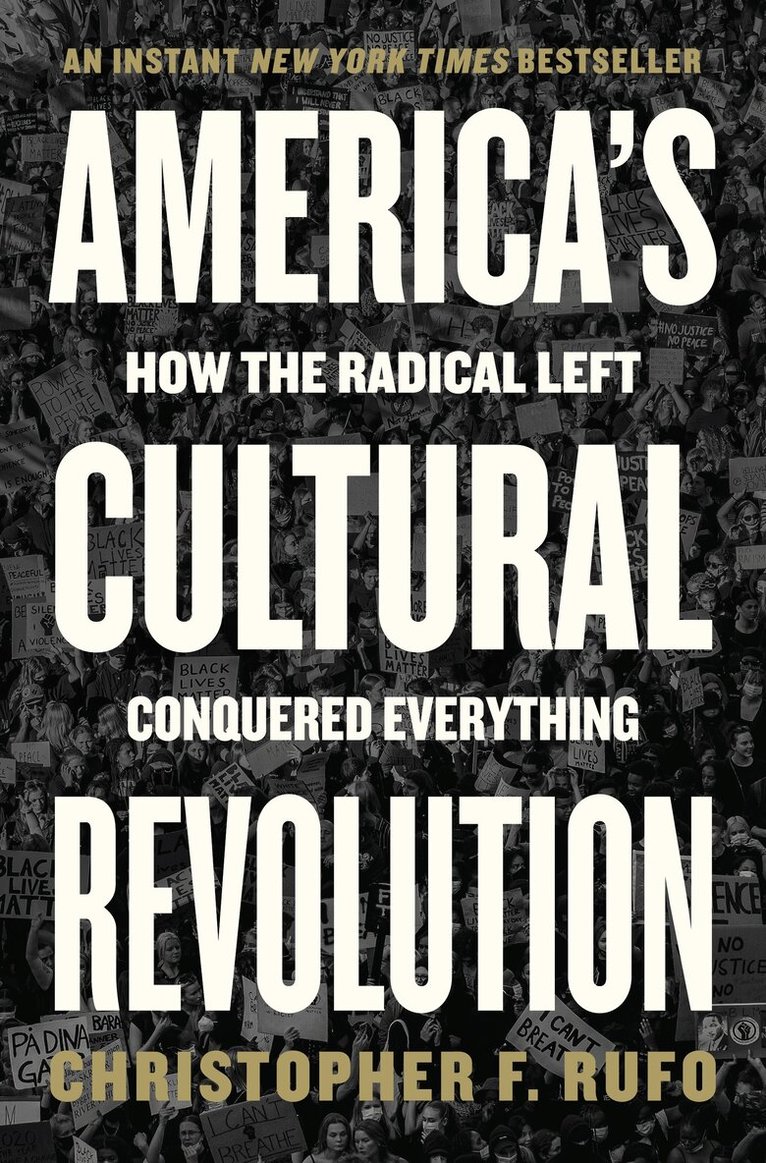
AN INSTANT NEW YORK TIMES, USA TODAY, AND AMAZON BESTSELLER America’s most effective conservative intellectual proves once and for all that Marxist radicals have taken over our nation's institutions.In the 1960s, Mao launched China’s Cultural Revolution. Cities grew overcrowded. Technocrats demanded progress from above. Anyone opposed was sent to be “re-educated.” China’s revolution was bloody, fast, and a failure, but what if America started a revolution at the same time, based on the same bad ideas of the New Left, and it’s just been slower, calmer, and more effective?In his powerful new book, Christopher F. Rufo uncovers the hidden history of left-wing intellectuals and activists who systematically began a long march through the institutions to undermine them from within. America’s Cultural Revolution finally answers so many of the questions normal Americans have, such as:• Why is nearly every major corporation bending the knee to a far-left social justice agenda?• How did DEI suddenly become the department no institution can continue without?• Why is race and Critical Race Theory the main thing America’s rich, white elite wants to talk about? • When did the left adopt all this doublespeak, saying progress is a lack of progress, equality is not equality, speech is violence, and violence is speech?• Has the goal of the left, for a century, actually been the destruction of every Western institution? Readers may not know the names of Herbert Marcuse, Angela Davis, Paulo Freire, and Derrick Bell, but they will recognize the ideas they spread. How their radical, destructive ideology slowly worked its way from prisons to academia to classrooms to your human resources department will come as a shock.Failing to act soon, Rufo warns, could allow the radical left to achieve their ultimate objective: replacing constitutional equality with a race-based redistribution system overseen by bureaucratic ‘diversity and inclusion’ officials. Most Americans don’t want this, but most Americans are no longer in control of our institutions. If the mainstream media’s depiction of a failing dystopia in need of a fresh start never sounded right to you, this expose and call to arms for a new counter-revolution is the book you’ve been looking for.
289 kr
Kommande
No Way Home
The Crisis of Homelessness and How to Fix It with Intelligence and Humanity
Inbunden, Engelska, 2021
217 kr
Tillfälligt slut
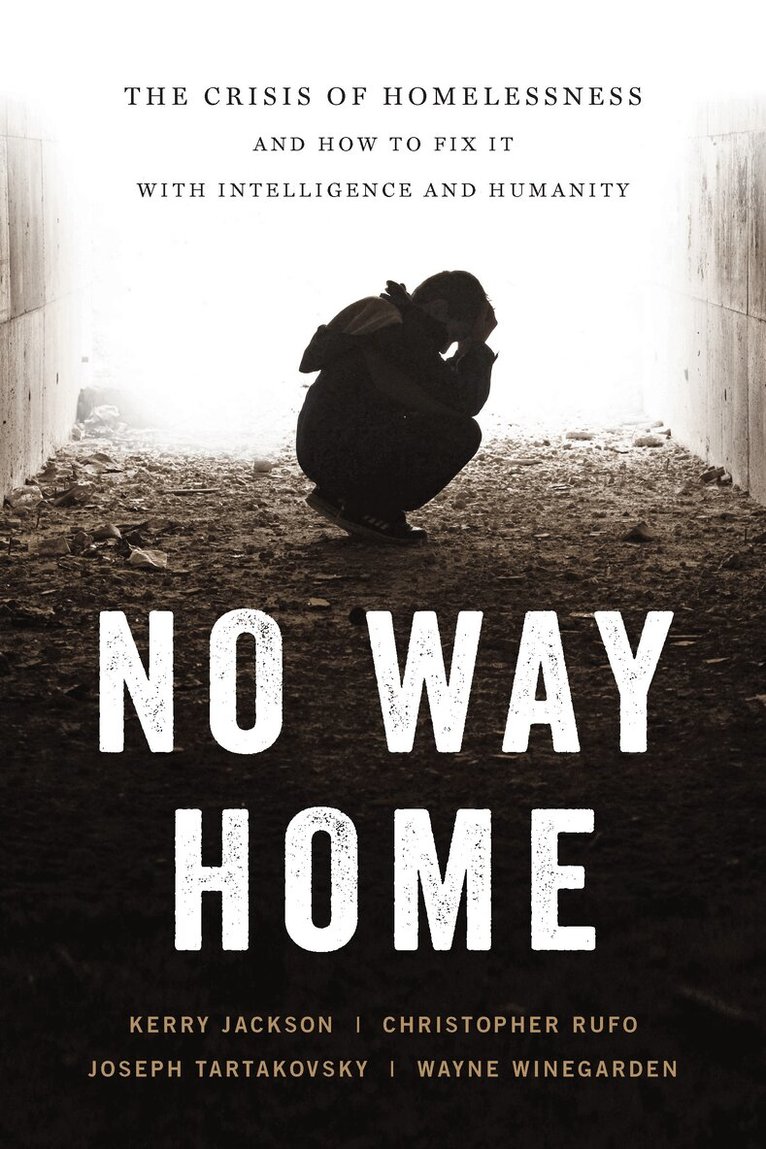
In San Diego, not far from the gates of the fantasy world of Disneyland, tent cities lining the freeways remind us of an ugly reality. Homeless individuals are slowing rail traffic between Sacramento and the Bay Area and swarming subway trains in Los Angeles in search of a place to sleep when they’re not languishing on Skid Row. Drug use among the homeless is plaguing communities, with discarded needles threatening children playing at public parks. And every day across California, thousands of homeless youth who lack safe and stable housing struggle to stay in school, to perform well academically, and to form meaningful connections with their teachers and peers.Since the 1980s, countless research studies have been published on the topic of homelessness in America. Too often, however, social science research on homelessness is narrow in scope, mired in politics, and reliant on questionable assumptions about the root causes of the problem. The severity of the homeless crises afflicting cities requires innovative solutions backed by credible data and objective research.This book examines the causes of homelessness with a focus on unaffordable housing, poverty, mental illness, substance addiction, and legal reform. It examines the state and local policy environment to determine ways in which housing policy, social service programs, and employment opportunities interact to exacerbate, perpetuate, or reduce homelessness. The book also evaluates different strategies being used at the state, county, and local levels to prevent or reduce homelessness. Finally, the authors provide a mix of long-term policy solutions based on their findings that have the greatest potential to reduce homelessness.