Christopher Hayes – författare
Visar alla böcker från författaren Christopher Hayes. Handla med fri frakt och snabb leverans.
8 produkter
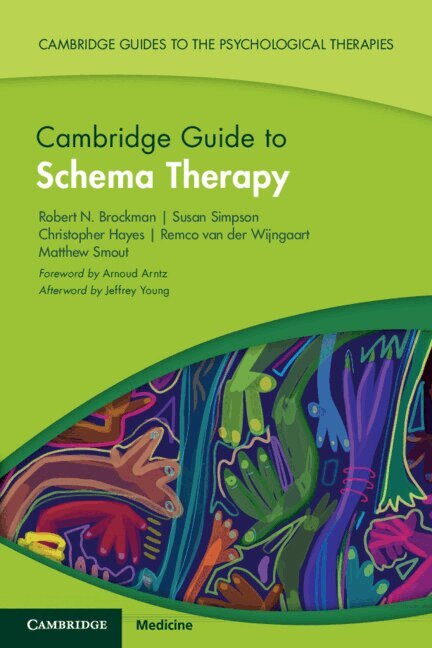
Cambridge Guide to Schema Therapy
Av Robert N. Brockman, Susan Simpson m. fl.
Häftad, 2023
619 kr
Lägg i varukorg
The book provides the reader with a thorough understanding of the model of Schema Therapy, methods and techniques used throughout the process of Schema Therapy treatment. Experienced trainers in Schema Therapy, the authors provide a unique understanding of the questions, challenges, and points of …
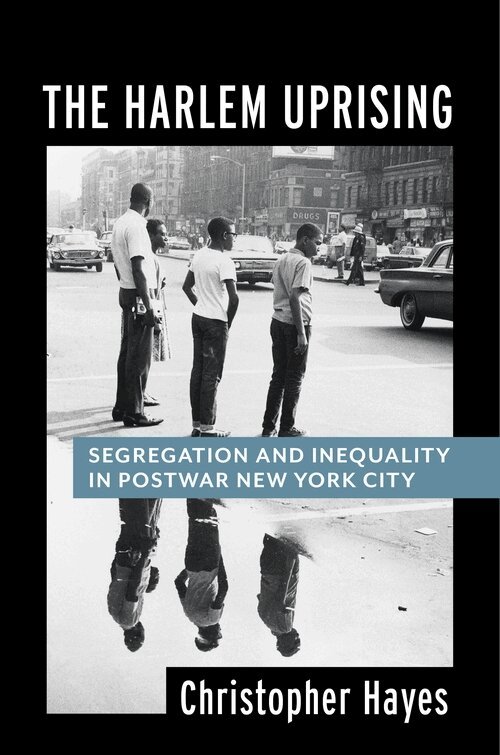
The Harlem Uprising
Segregation and Inequality in Postwar New York City
Inbunden, 2021
1232 kr
Lägg i varukorg
In July 1964, after a white police officer shot and killed an African American teenage boy, unrest broke out in Harlem and then Bedford-Stuyvesant. Protests rose up to call for an end to police brutality and the unequal treatment of Black people in a city that viewed itself as liberal. A week of …
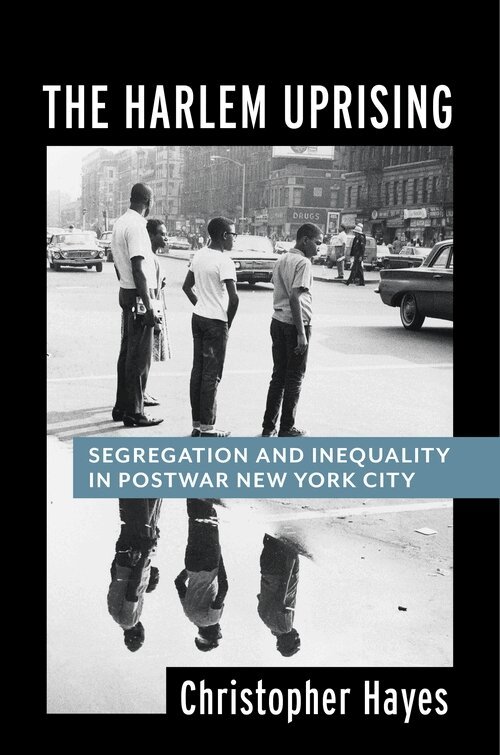
The Harlem Uprising
Segregation and Inequality in Postwar New York City
Häftad, 2021
314 kr
Lägg i varukorg
In July 1964, after a white police officer shot and killed an African American teenage boy, unrest broke out in Harlem and then Bedford-Stuyvesant. Protests rose up to call for an end to police brutality and the unequal treatment of Black people in a city that viewed itself as liberal. A week of …
Our Turn
Women Who Truimph in the Face of Divorce
Häftad, 1994
288 kr
Lägg i varukorg
From Simon & Schuster, Our Turn is Christopher Hayes' exploration of the women who triumph in the face of divorce. Divorced women over the age of forty share their inspiring stories of reclaiming control of their lives, developing self-esteem, and finding confidence and how they have mapped new …
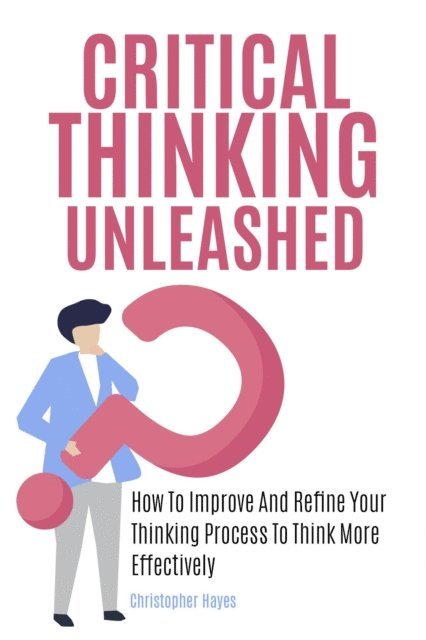
Critical Thinking Unleashed: How To Improve And Refine Your Thinking Process To Think More Effectively
E-bok, 2020
10 kr
Lägg i varukorg
Are you interested in gaining a thorough understanding of critical thinking?Do you want to practice logical exercises to better your decision-making skills?Are you ready to join a diverse community of people who strive to better themselves and the world around them? If you find yourself curious …
Art Of Critical Thinking: How To Build The Sharpest Reasoning Possible For Yourself
E-bok, 2020
10 kr
Lägg i varukorg
Do you want to improve your brain power by thinking critically in your daily life?Are you interested in deepening your understanding without judgement, bias, or manipulation?Are you seeking confidence in your arguments and wish to think more efficiently? If you find yourself wanting to know more …