Christopher J. Insole – författare
Visar alla böcker från författaren . Handla med fri frakt och snabb leverans.
22 produkter
22 produkter
E-bok
PDF, Engelska, 2013427 kr
Läs direkt efter köp
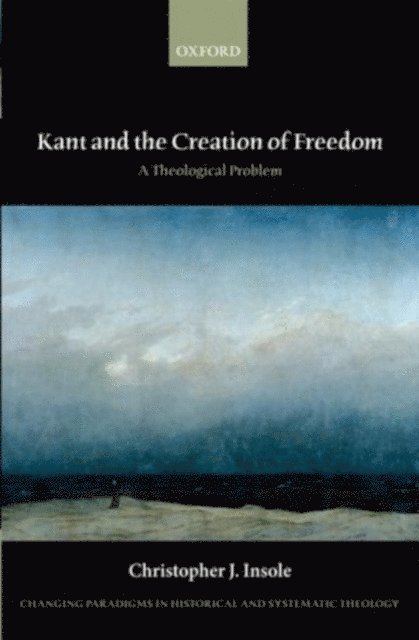
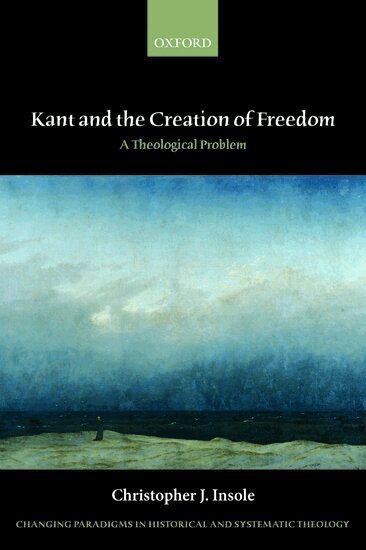
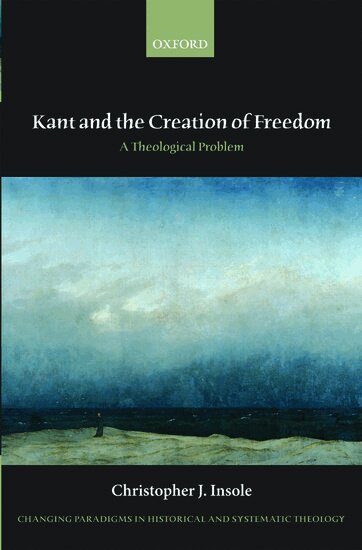
Kant actively struggles with the problem of how to conceive of God''s creative action in relation to human freedom. He comes to the view that human freedom can only be protected if God withdraws in certain ways from the created world. The two pillars of Kant''s mature philosophy - transcendental idealism and freedom - are in part shaped and motivated by Kant''s need to provide a solution to his theological problem. The medieval and early modern theological traditionconceives of divine action as unlike the action of any created being. When the creature acts, God directly causes this action, but without reducing the creature''s freedom. Kant explicitly discusses and rejects this account of divine and human concursus. This rejection has significant and surprisingramifications for Kant''s wider philosophy, explaining otherwise incomprehensible claims in his critical philosophy.Christopher J. Insole presents a definitive study in the history of ideas, engaging with a wide range of Kant''s texts from 1749 until the early 1800s. Many of these texts have received little or no attention in Kant studies to date. Insole places Kant''s thought in relation to numerous historical and traditional positions and illuminates these positions by a close engagement with recent debates in analytical philosophy and systematic theology. Kant is unrelentingly honest when grappling with thedifficulty of relating divine and human freedom. This study, of Kant''s theological struggle and legacy, goes to the heart of the problem in the modern reception of what the Christian tradition has affirmed about human freedom. As such, the book throws light on one of the defining fault-lines inmodern theology and philosophy.
E-bok
PDF, Engelska, 20201 584 kr
Läs direkt efter köp
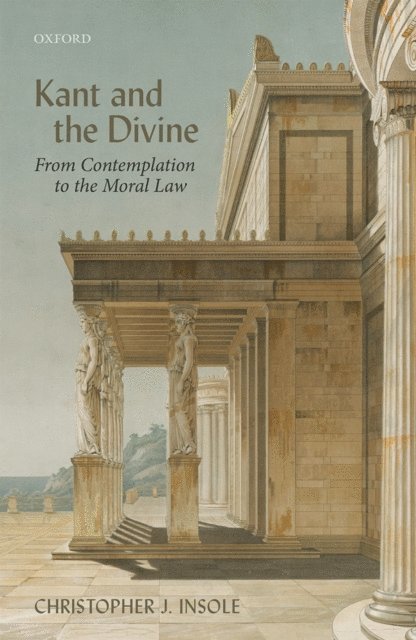
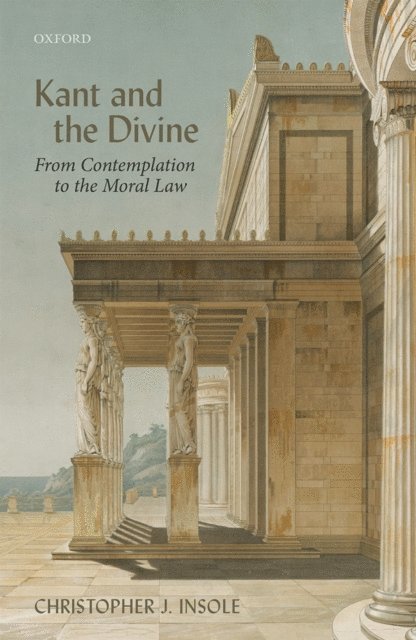
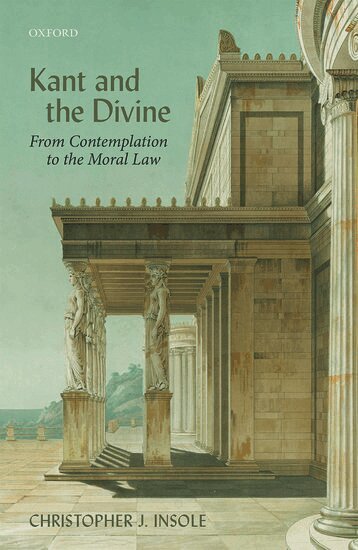
The book offers a definitive study of the development of Kant''s conception of the highest good, from his earliest work, to his dying days. Insole argues that Kant believes in God, but that Kant is not a Christian, and that this opens up an important and neglected dimension of Western Philosophy.Kant is not a Christian, because he cannot accept Christianity''s traditional claims about the relationship between divine action, grace, human freedom and happiness. Christian theologians who continue to affirm these traditional claims (and many do), therefore have grounds to be suspicious of Kant as an interpreter of Christian doctrine.As well as setting out a theological critique of Kant, Insole offers a new defence of the power, beauty, and internal coherence of Kant''s non-Christian philosophical religiosity, ''within the limits of reason alone'', which reason itself has some divine features. This neglected strand of philosophical religiosity deserves to be engaged with by both philosophers, and theologians. The Kant revealed in this book reminds us of a perennial task of philosophy, going back to Plato, where philosophy isconstrued as a way of life, oriented towards happiness, achieved through a properly expansive conception of reason and happiness. When we understand this philosophical religiosity, many standard ''problems'' in the interpretation of Kant can be seen in a new light, and resolved. Kant witnesses to astrand of philosophy that leans into the category of the divine, at the edges of what we can say about reason, freedom, autonomy, and happiness.
E-bok
Engelska, 20201 584 kr
Läs direkt efter köp
The book offers a definitive study of the development of Kant''s conception of the highest good, from his earliest work, to his dying days. Insole argues that Kant believes in God, but that Kant is not a Christian, and that this opens up an important and neglected dimension of Western Philosophy.Kant is not a Christian, because he cannot accept Christianity''s traditional claims about the relationship between divine action, grace, human freedom and happiness. Christian theologians who continue to affirm these traditional claims (and many do), therefore have grounds to be suspicious of Kant as an interpreter of Christian doctrine.As well as setting out a theological critique of Kant, Insole offers a new defence of the power, beauty, and internal coherence of Kant''s non-Christian philosophical religiosity, ''within the limits of reason alone'', which reason itself has some divine features. This neglected strand of philosophical religiosity deserves to be engaged with by both philosophers, and theologians. The Kant revealed in this book reminds us of a perennial task of philosophy, going back to Plato, where philosophy isconstrued as a way of life, oriented towards happiness, achieved through a properly expansive conception of reason and happiness. When we understand this philosophical religiosity, many standard ''problems'' in the interpretation of Kant can be seen in a new light, and resolved. Kant witnesses to astrand of philosophy that leans into the category of the divine, at the edges of what we can say about reason, freedom, autonomy, and happiness.
Häftad, Engelska, 2015
475 kr
Skickas inom 7-10 vardagar
Kant actively struggles with the problem of how to conceive of God's creative action in relation to human freedom. He comes to the view that human freedom can only be protected if God withdraws in certain ways from the created world. The two pillars of Kant's mature philosophy - transcendental idealism and freedom - are in part shaped and motivated by Kant's need to provide a solution to his theological problem. The medieval and early modern theological tradition conceives of divine action as unlike the action of any created being. When the creature acts, God directly causes this action, but without reducing the creature's freedom. Kant explicitly discusses and rejects this account of divine and human concursus. This rejection has significant and surprising ramifications for Kant's wider philosophy, explaining otherwise incomprehensible claims in his critical philosophy. Christopher J. Insole presents a definitive study in the history of ideas, engaging with a wide range of Kant's texts from 1749 until the early 1800s. Many of these texts have received little or no attention in Kant studies to date. Insole places Kant's thought in relation to numerous historical and traditional positions and illuminates these positions by a close engagement with recent debates in analytical philosophy and systematic theology. Kant is unrelentingly honest when grappling with the difficulty of relating divine and human freedom. This study, of Kant's theological struggle and legacy, goes to the heart of the problem in the modern reception of what the Christian tradition has affirmed about human freedom. As such, the book throws light on one of the defining fault-lines in modern theology and philosophy.
Inbunden, Engelska, 2020
1 772 kr
Skickas inom 7-10 vardagar
The book offers a definitive study of the development of Kant's conception of the highest good, from his earliest work, to his dying days. Insole argues that Kant believes in God, but that Kant is not a Christian, and that this opens up an important and neglected dimension of Western Philosophy. Kant is not a Christian, because he cannot accept Christianity's traditional claims about the relationship between divine action, grace, human freedom and happiness. Christian theologians who continue to affirm these traditional claims (and many do), therefore have grounds to be suspicious of Kant as an interpreter of Christian doctrine. As well as setting out a theological critique of Kant, Insole offers a new defence of the power, beauty, and internal coherence of Kant's non-Christian philosophical religiosity, 'within the limits of reason alone', which reason itself has some divine features. This neglected strand of philosophical religiosity deserves to be engaged with by both philosophers, and theologians. The Kant revealed in this book reminds us of a perennial task of philosophy, going back to Plato, where philosophy is construed as a way of life, oriented towards happiness, achieved through a properly expansive conception of reason and happiness. When we understand this philosophical religiosity, many standard 'problems' in the interpretation of Kant can be seen in a new light, and resolved. Kant witnesses to a strand of philosophy that leans into the category of the divine, at the edges of what we can say about reason, freedom, autonomy, and happiness.
Inbunden, Engelska, 2024
1 239 kr
Skickas inom 5-8 vardagar
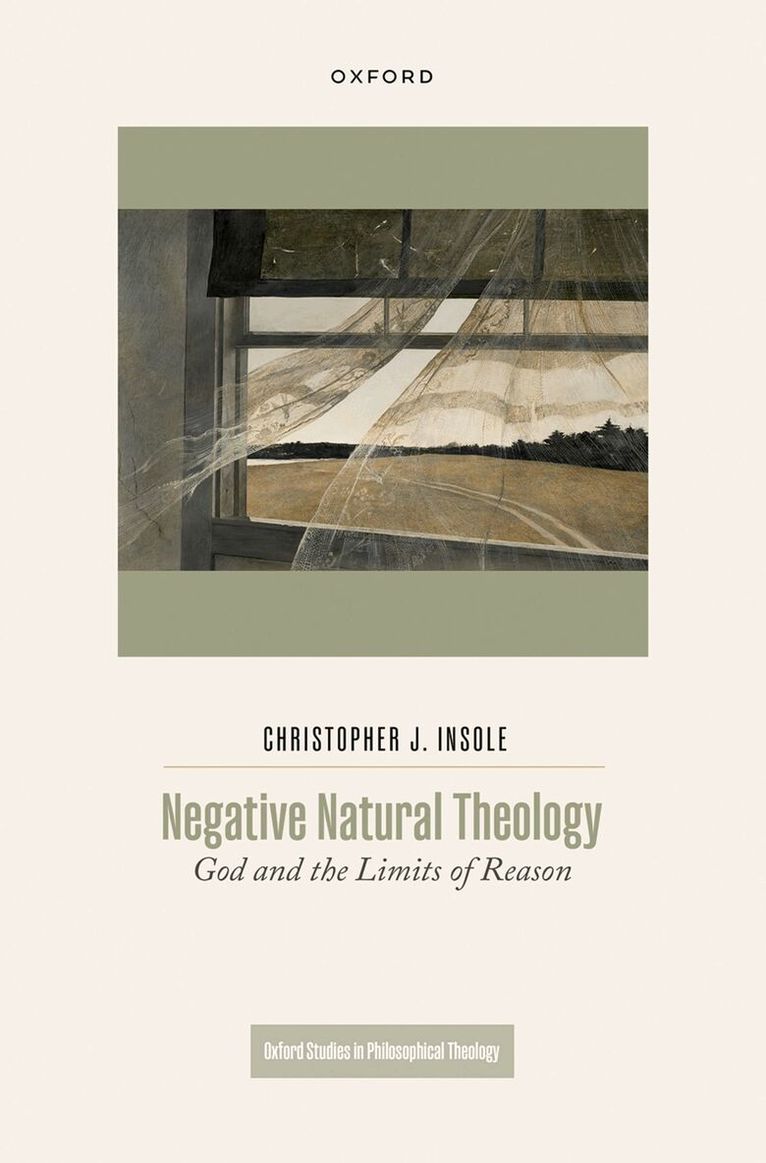
How can we live in harmony with the universe, and not just in it? What is it to feel at home in the world? Some thinkers who feel the force of these questions reach for the concept of God. Others do not. This book asks what might be at stake in the choice of whether or not to speak about God: not just in terms of abstract reasoning or arguments about God, but in relation to deeper undercurrents of motivation and yearning. The book is interested in sites in contemporary thinking, where the concept of the divine beckons, or looms, but also, perhaps, repels, or hides. It asks 'what is at stake' in the decision (if it is that) to talk about God and the divine, or not to do so, with a wide and deep curiosity about what this might include: reasons and arguments, certainly, but also more biographical, intuitive, and affective dimensions, including imagination, and feelings about what is valuable. Also relevant are unconscious drives and factors. Concepts can convince, or fail to convince, but, also, they can attract and repel. The book draws on both analytical and continental post-Kantian sources, treating individual thinkers such as Immanuel Kant, William James, Carl Jung, Karl Rahner, Albert Camus, Saul Kripke, Thomas Nagel, Derek Parfit, Karen Kilby, and Janet Soskice, as well as cultural movements such as modern paganism, new atheism, and humanism. 'Natural theology' involves speaking about God without reference to revelation, tradition, or sources of authority, using the resources of 'reason alone'. 'Negative theology' is concerned with the way in which a type of abstract reasoning and rational argument run out, without this necessarily being an ending: other types of speech and communication may become possible and essential. Speaking into this space, the book draws on philosophy, theology, anthropology, literature, and psychology.
E-bok
PDF, Engelska, 20241 104 kr
Läs direkt efter köp
How can we live in harmony with the universe, and not just in it? What is it to feel at home in the world? Some thinkers who feel the force of these questions reach for the concept of God. Others do not. This book asks what might be at stake in the choice of whether or not to speak about God: not just in terms of abstract reasoning or arguments about God, but in relation to deeper undercurrents of motivation and yearning. The book is interested in sites in contemporary thinking, where the concept of the divine beckons, or looms, but also, perhaps, repels, or hides. It asks 'what is at stake' in the decision (if it is that) to talk about God and the divine, or not to do so, with a wide and deep curiosity about what this might include: reasons and arguments, certainly, but also more biographical, intuitive, and affective dimensions, including imagination, and feelings about what is valuable. Also relevant are unconscious drives and factors. Concepts can convince, or fail to convince, but, also, they can attract and repel. The book draws on both analytical and continental post-Kantian sources, treating individual thinkers such as Immanuel Kant, William James, Carl Jung, Karl Rahner, Albert Camus, Saul Kripke, Thomas Nagel, Derek Parfit, Karen Kilby, and Janet Soskice, as well as cultural movements such as modern paganism, new atheism, and humanism. 'Natural theology' involves speaking about God without reference to revelation, tradition, or sources of authority, using the resources of 'reason alone'. 'Negative theology' is concerned with the way in which a type of abstract reasoning and rational argument run out, without this necessarily being an ending: other types of speech and communication may become possible and essential. Speaking into this space, the book draws on philosophy, theology, anthropology, literature, and psychology.
E-bok
Engelska, 20241 104 kr
Läs direkt efter köp
How can we live in harmony with the universe, and not just in it? What is it to feel at home in the world? Some thinkers who feel the force of these questions reach for the concept of God. Others do not. This book asks what might be at stake in the choice of whether or not to speak about God: not just in terms of abstract reasoning or arguments about God, but in relation to deeper undercurrents of motivation and yearning. The book is interested in sites in contemporary thinking, where the concept of the divine beckons, or looms, but also, perhaps, repels, or hides. It asks 'what is at stake' in the decision (if it is that) to talk about God and the divine, or not to do so, with a wide and deep curiosity about what this might include: reasons and arguments, certainly, but also more biographical, intuitive, and affective dimensions, including imagination, and feelings about what is valuable. Also relevant are unconscious drives and factors. Concepts can convince, or fail to convince, but, also, they can attract and repel. The book draws on both analytical and continental post-Kantian sources, treating individual thinkers such as Immanuel Kant, William James, Carl Jung, Karl Rahner, Albert Camus, Saul Kripke, Thomas Nagel, Derek Parfit, Karen Kilby, and Janet Soskice, as well as cultural movements such as modern paganism, new atheism, and humanism. 'Natural theology' involves speaking about God without reference to revelation, tradition, or sources of authority, using the resources of 'reason alone'. 'Negative theology' is concerned with the way in which a type of abstract reasoning and rational argument run out, without this necessarily being an ending: other types of speech and communication may become possible and essential. Speaking into this space, the book draws on philosophy, theology, anthropology, literature, and psychology.
Inbunden, Engelska, 2013
2 257 kr
Skickas inom 7-10 vardagar
Kant actively struggles with the problem of how to conceive of God's creative action in relation to human freedom. He comes to the view that human freedom can only be protected if God withdraws in certain ways from the created world. The two pillars of Kant's mature philosophy - transcendental idealism and freedom - are in part shaped and motivated by Kant's need to provide a solution to his theological problem. The medieval and early modern theological tradition conceives of divine action as unlike the action of any created being. When the creature acts, God directly causes this action, but without reducing the creature's freedom. Kant explicitly discusses and rejects this account of divine and human concursus. This rejection has significant and surprising ramifications for Kant's wider philosophy, explaining otherwise incomprehensible claims in his critical philosophy. Christopher J. Insole presents a definitive study in the history of ideas, engaging with a wide range of Kant's texts from 1749 until the early 1800s. Many of these texts have received little or no attention in Kant studies to date. Insole places Kant's thought in relation to numerous historical and traditional positions and illuminates these positions by a close engagement with recent debates in analytical philosophy and systematic theology. Kant is unrelentingly honest when grappling with the difficulty of relating divine and human freedom. This study, of Kant's theological struggle and legacy, goes to the heart of the problem in the modern reception of what the Christian tradition has affirmed about human freedom. As such, the book throws light on one of the defining fault-lines in modern theology and philosophy.
Häftad, Engelska, 2005
462 kr
Skickas inom 3-6 vardagar
Inbunden, Engelska, 2025
1 191 kr
Skickas inom 10-15 vardagar
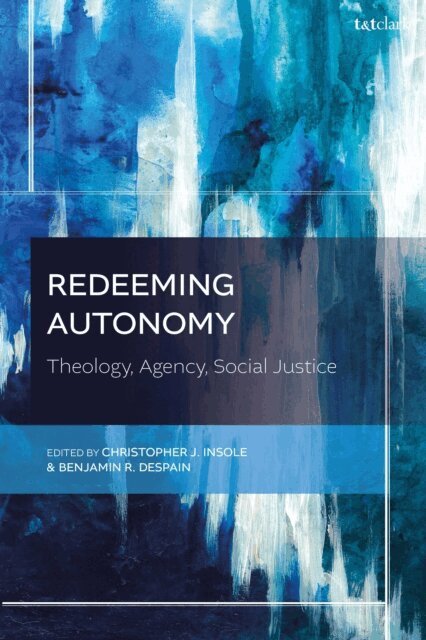
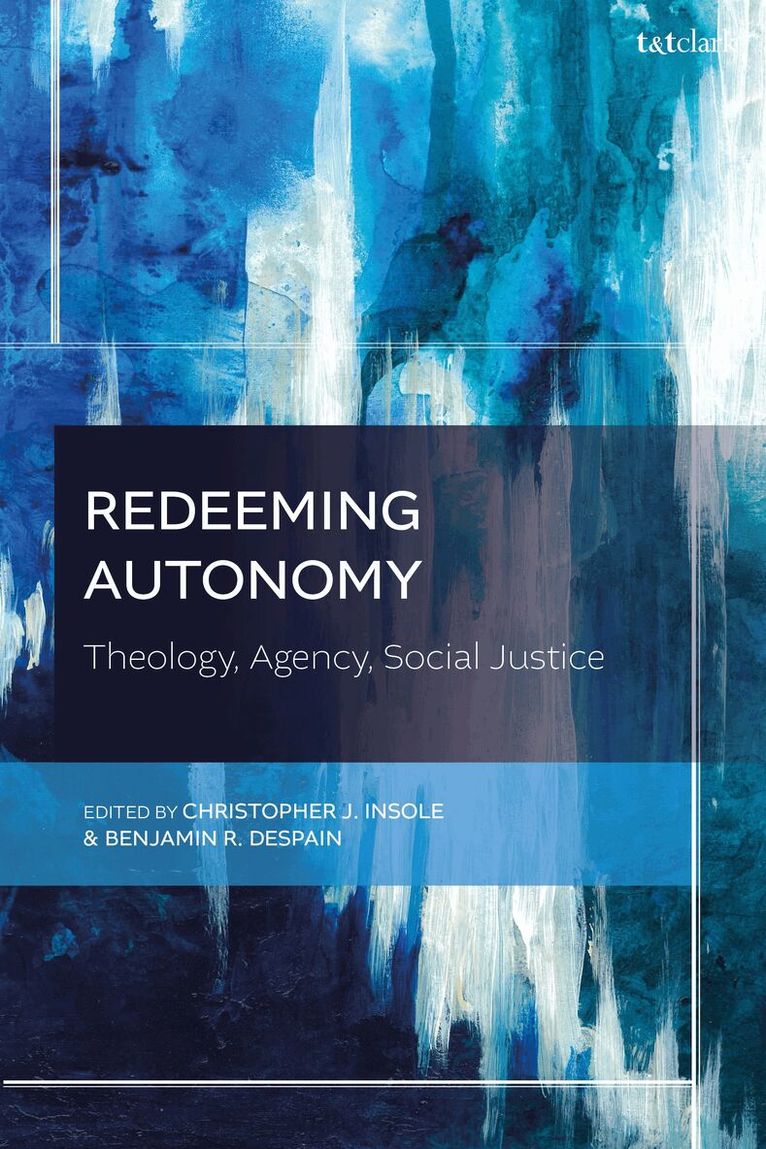
What can theology offer philosophical discussions of autonomy? In this distinctive collection of essays, Insole and DeSpain lead a cadre of academics from across the world in answering this question. In doing so, they challenge the narrow conception of ‘liberalism’ that has characterised much of the discussion around autonomy. The contributions disrupt traditional methodologies by starting with analyses of urgent and concrete situations where the concept of autonomy is employed, misappropriated or even challenged. These scenarios include essays on trauma, transgender issues, disability and end-of-life debates. This volume also explores broader political issues that relate to autonomy such as democracy, the economy and migration.Each chapter maintains a focused concern with social justice whilst demonstrating how a religious dimension can expand our understanding of the concept of autonomy. This is sure to be a valuable resource for any theologians, philosophers or intellectual historians looking to view autonomy from a fresh and contemporary angle.
E-bok
PDF, Engelska, 20251 286 kr
Läs direkt efter köp
What can theology offer philosophical discussions of autonomy? In this distinctive collection of essays, Insole and DeSpain lead a cadre of academics from across the world in answering this question. In doing so, they challenge the narrow conception of ''liberalism'' that has characterised much of the discussion around autonomy. The contributions disrupt traditional methodologies by starting with analyses of urgent and concrete situations where the concept of autonomy is employed, misappropriated or even challenged. These scenarios include essays on trauma, transgender issues, disability and end-of-life debates. This volume also explores broader political issues that relate to autonomy such as democracy, the economy and migration.Each chapter maintains a focused concern with social justice whilst demonstrating how a religious dimension can expand our understanding of the concept of autonomy. This is sure to be a valuable resource for any theologians, philosophers or intellectual historians looking to view autonomy from a fresh and contemporary angle.
E-bok
Engelska, 20251 286 kr
Läs direkt efter köp
What can theology offer philosophical discussions of autonomy? In this distinctive collection of essays, Insole and DeSpain lead a cadre of academics from across the world in answering this question. In doing so, they challenge the narrow conception of ''liberalism'' that has characterised much of the discussion around autonomy. The contributions disrupt traditional methodologies by starting with analyses of urgent and concrete situations where the concept of autonomy is employed, misappropriated or even challenged. These scenarios include essays on trauma, transgender issues, disability and end-of-life debates. This volume also explores broader political issues that relate to autonomy such as democracy, the economy and migration.Each chapter maintains a focused concern with social justice whilst demonstrating how a religious dimension can expand our understanding of the concept of autonomy. This is sure to be a valuable resource for any theologians, philosophers or intellectual historians looking to view autonomy from a fresh and contemporary angle.
Häftad, Engelska, 2027
477 kr
Kommande
What can theology offer philosophical discussions of autonomy? In this distinctive collection of essays, Insole and DeSpain lead a cadre of academics from across the world in answering this question. In doing so, they challenge the narrow conception of ‘liberalism’ that has characterised much of the discussion around autonomy. The contributions disrupt traditional methodologies by starting with analyses of urgent and concrete situations where the concept of autonomy is employed, misappropriated or even challenged. These scenarios include essays on trauma, transgender issues, disability and end-of-life debates. This volume also explores broader political issues that relate to autonomy such as democracy, the economy and migration.Each chapter maintains a focused concern with social justice whilst demonstrating how a religious dimension can expand our understanding of the concept of autonomy. This is sure to be a valuable resource for any theologians, philosophers or intellectual historians looking to view autonomy from a fresh and contemporary angle.
Inbunden, Engelska, 2027
1 436 kr
Kommande
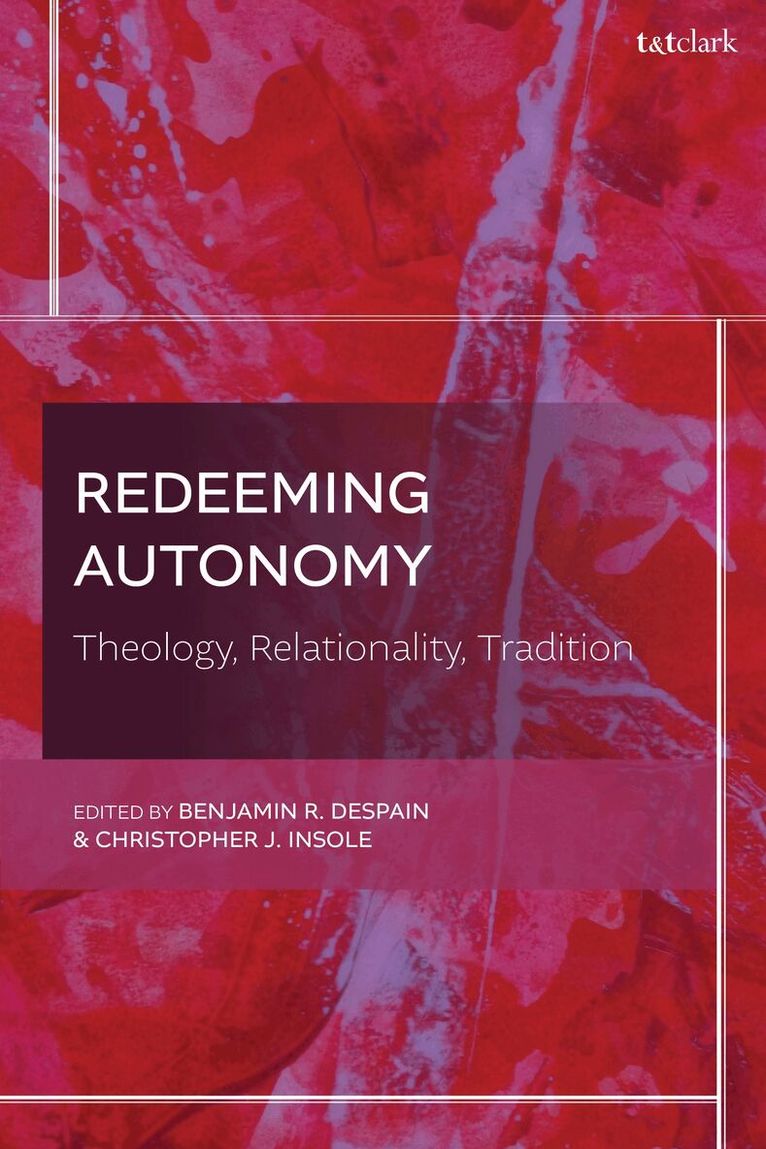
In their second volume, DeSpain and Insole invite readers to consider the differences that a theological perspective can make to the concept of autonomy. They consider what a renewed appreciation for the concept’s multivalence could mean for theology moving forward. Leading philosophical theologians and scholars of religion marshal insights from philosophy, early Christianity, systematic theology, and art history to fulfil the need in theology for a new way of thinking about the many uses of autonomy.The chapters within challenge theological and philosophical efforts to reduce the varied uses of autonomy to a particular and narrow sense of the concept’s meaning: that it promotes unhelpful connotations of self-creation, individualism, and illusory control. The essays and reflections offered in this volume encourage readers to reconsider the subtleties and nuances present in appeals to the language of autonomy. From philosophy to psychoanalysis to the experienced of enslaved peoples in North America, the contributors explore myriad avenues to establish a new trajectory for theorizing autonomy in theology. Together, these essays examine autonomy’s conceptual and historical roots, exploring alternative philosophical contexts and ‘Enlightenment’ narratives, to offer a constructive outlook on a range of ways the concept of autonomy can used to express the conditions necessary for agency to thrive.
Häftad, Engelska, 2005
683 kr
Skickas inom 10-15 vardagar
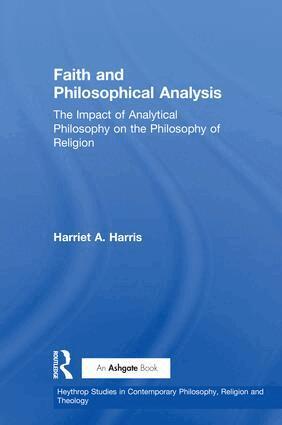
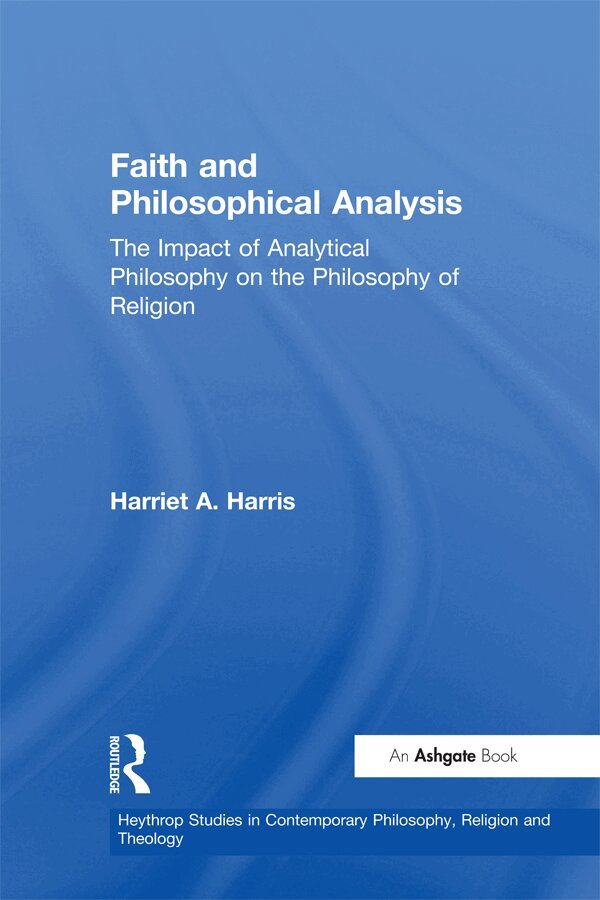
What tensions arise between philosophy of religion and theology? What strengths and weaknesses of analytical methods emerge in relation to strongly confessional philosophical theologies, or to Continental philosophies? Faith and Philosophical Analysis evaluates how well philosophy of religion serves in understanding religious faith. Figures who rarely share the space of the same book - leading exponents of analytic philosophy of religion and those who question its legacy - are drawn together in this book, with their disagreements harnessed to positive effect. Figures such as Richard Swinburne and Basil Mitchell reflect on their life-long projects from a perspective which has not previously been seen in print. A wide range of approaches found in contemporary philosophy of religion are explored, including: reformed epistemology, 'traditional' metaphysical theory building, feminist methodologies, Wittgensteinian approaches, and American pragmatism. Considering the trends in philosophy of religion as they are interacting across continents, looking particularly at philosophical influences in North America, Britain, and Continental Europe, this book will appeal to students, scholars and general readers with an interest in philosophy of religion, theology, or analytical philosophy.
Häftad, Engelska, 2021
655 kr
Skickas inom 10-15 vardagar
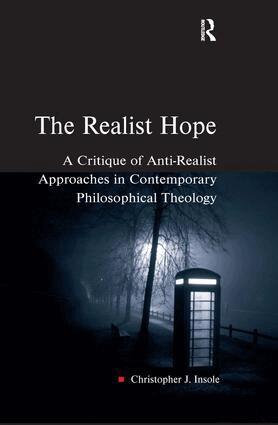
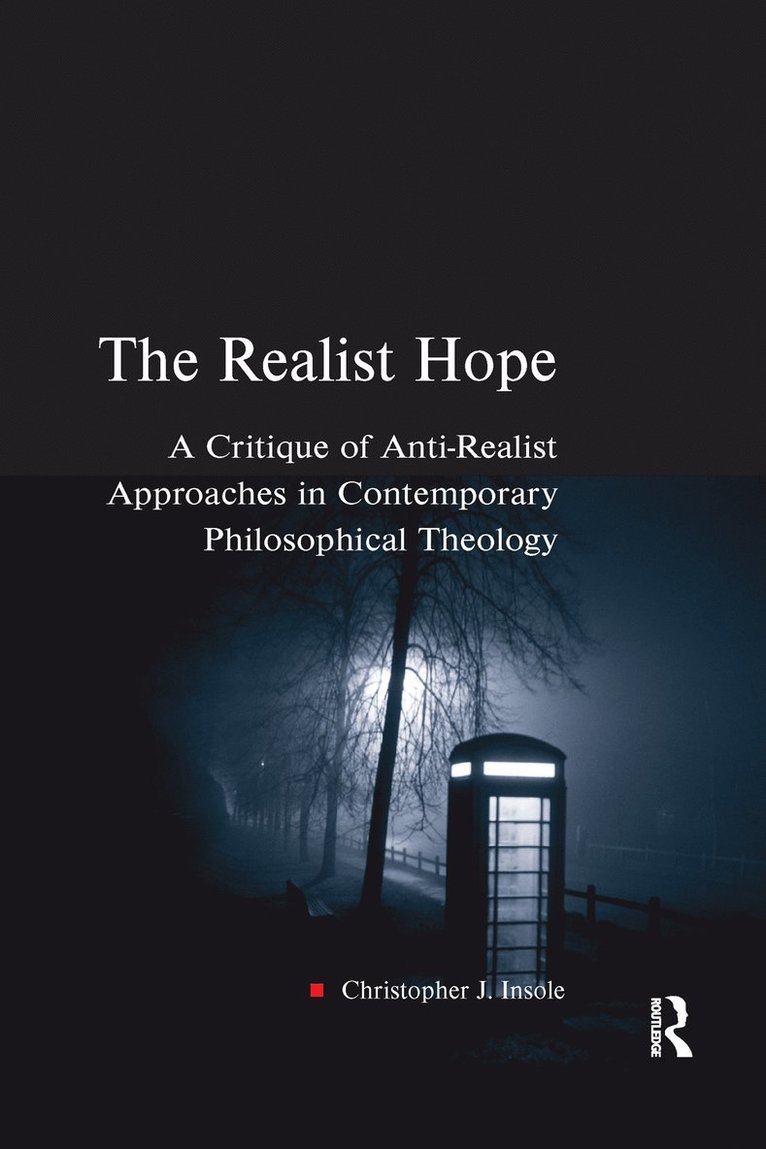
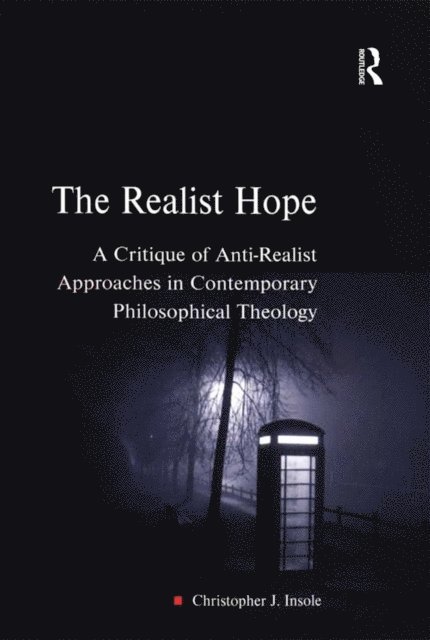
Taking into consideration analytical, continental, historical, post-modern and contemporary thinkers, Insole provides a powerful defence of a realist construal of religious discourse. Insole argues that anti-realism tends towards absolutism and hubris. Where truth is exhausted by our beliefs about truth, there is no conceptual space for doubting those beliefs; only a conception of truth as absolute, given and accessible can guarantee the very humility, sense of fallibility and sensitivity to difference that the anti-realist rightly values. Cutting through some of the tired and well-rehearsed debates in this area, Insole provides a fresh perspective on approaches influenced by Wittgenstein, Kant, and apophatic theology. The defence of realism offered is unusual in being both analytically precise, and theologically sensitive, with a view to some of the wider and less well-explored cultural, ethical and political implications of the debate.
Inbunden, Engelska, 2018
2 969 kr
Skickas inom 10-15 vardagar
What tensions arise between philosophy of religion and theology? What strengths and weaknesses of analytical methods emerge in relation to strongly confessional philosophical theologies, or to Continental philosophies? Faith and Philosophical Analysis evaluates how well philosophy of religion serves in understanding religious faith. Figures who rarely share the space of the same book - leading exponents of analytic philosophy of religion and those who question its legacy - are drawn together in this book, with their disagreements harnessed to positive effect. Figures such as Richard Swinburne and Basil Mitchell reflect on their life-long projects from a perspective which has not previously been seen in print. A wide range of approaches found in contemporary philosophy of religion are explored, including: reformed epistemology, 'traditional' metaphysical theory building, feminist methodologies, Wittgensteinian approaches, and American pragmatism. Considering the trends in philosophy of religion as they are interacting across continents, looking particularly at philosophical influences in North America, Britain, and Continental Europe, this book will appeal to students, scholars and general readers with an interest in philosophy of religion, theology, or analytical philosophy.
E-bok
Engelska, 2016746 kr
Läs direkt efter köp
Taking into consideration analytical, continental, historical, post-modern and contemporary thinkers, Insole provides a powerful defence of a realist construal of religious discourse. Insole argues that anti-realism tends towards absolutism and hubris. Where truth is exhausted by our beliefs about truth, there is no conceptual space for doubting those beliefs; only a conception of truth as absolute, given and accessible can guarantee the very humility, sense of fallibility and sensitivity to difference that the anti-realist rightly values. Cutting through some of the tired and well-rehearsed debates in this area, Insole provides a fresh perspective on approaches influenced by Wittgenstein, Kant, and apophatic theology. The defence of realism offered is unusual in being both analytically precise, and theologically sensitive, with a view to some of the wider and less well-explored cultural, ethical and political implications of the debate.
E-bok
PDF, Engelska, 2016774 kr
Läs direkt efter köp
Taking into consideration analytical, continental, historical, post-modern and contemporary thinkers, Insole provides a powerful defence of a realist construal of religious discourse. Insole argues that anti-realism tends towards absolutism and hubris. Where truth is exhausted by our beliefs about truth, there is no conceptual space for doubting those beliefs; only a conception of truth as absolute, given and accessible can guarantee the very humility, sense of fallibility and sensitivity to difference that the anti-realist rightly values. Cutting through some of the tired and well-rehearsed debates in this area, Insole provides a fresh perspective on approaches influenced by Wittgenstein, Kant, and apophatic theology. The defence of realism offered is unusual in being both analytically precise, and theologically sensitive, with a view to some of the wider and less well-explored cultural, ethical and political implications of the debate.
E-bok
Engelska, 2019807 kr
Läs direkt efter köp
What tensions arise between philosophy of religion and theology? What strengths and weaknesses of analytical methods emerge in relation to strongly confessional philosophical theologies, or to Continental philosophies? Faith and Philosophical Analysis evaluates how well philosophy of religion serves in understanding religious faith. Figures who rarely share the space of the same book - leading exponents of analytic philosophy of religion and those who question its legacy - are drawn together in this book, with their disagreements harnessed to positive effect. Figures such as Richard Swinburne and Basil Mitchell reflect on their life-long projects from a perspective which has not previously been seen in print. A wide range of approaches found in contemporary philosophy of religion are explored, including: reformed epistemology, ''traditional'' metaphysical theory building, feminist methodologies, Wittgensteinian approaches, and American pragmatism. Considering the trends in philosophy of religion as they are interacting across continents, looking particularly at philosophical influences in North America, Britain, and Continental Europe, this book will appeal to students, scholars and general readers with an interest in philosophy of religion, theology, or analytical philosophy.
E-bok
PDF, Engelska, 2019807 kr
Läs direkt efter köp
What tensions arise between philosophy of religion and theology? What strengths and weaknesses of analytical methods emerge in relation to strongly confessional philosophical theologies, or to Continental philosophies? Faith and Philosophical Analysis evaluates how well philosophy of religion serves in understanding religious faith. Figures who rarely share the space of the same book - leading exponents of analytic philosophy of religion and those who question its legacy - are drawn together in this book, with their disagreements harnessed to positive effect. Figures such as Richard Swinburne and Basil Mitchell reflect on their life-long projects from a perspective which has not previously been seen in print. A wide range of approaches found in contemporary philosophy of religion are explored, including: reformed epistemology, ''traditional'' metaphysical theory building, feminist methodologies, Wittgensteinian approaches, and American pragmatism. Considering the trends in philosophy of religion as they are interacting across continents, looking particularly at philosophical influences in North America, Britain, and Continental Europe, this book will appeal to students, scholars and general readers with an interest in philosophy of religion, theology, or analytical philosophy.