Christopher Len - Böcker
Visar alla böcker från författaren Christopher Len. Handla med fri frakt och snabb leverans.
2 produkter
2 produkter
1 275 kr
Skickas inom 3-6 vardagar
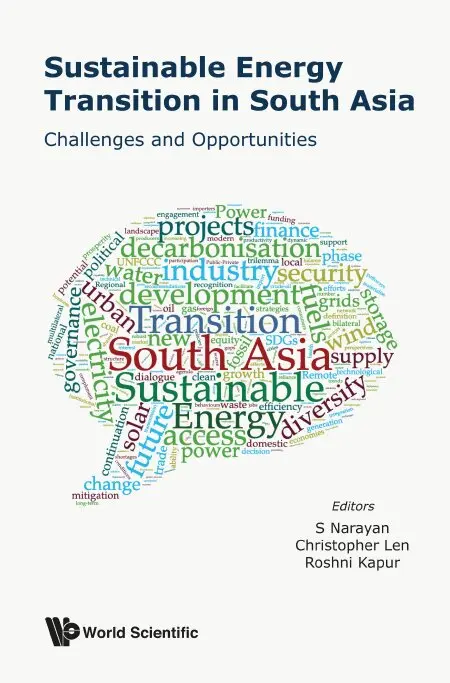
With South Asia's growing energy demand, governments in the region are facing the short-term pressures of facilitating energy access, while attempting to formulate long-term sustainable strategies. This book explores how the key economies of South Asia are addressing issues such as the diversification of energy consumption profiles and import sources, investments in renewables, enabling universal energy access, challenges to regional energy cooperation, greenhouse gas emissions and climate change, and the policy changes that can foster bilateral and multilateral action.As governments seek to ensure access to affordable, reliable, secure, sustainable and modern energy, trends and drivers are emerging and shaping the South Asian energy landscape. The first section of the book examines energy trends at the regional level, while the second section focuses on the internal and external challenges faced by India — the largest energy consumer in the region and the third-largest energy consumer in the world.The diverse perspectives in this volume provide a holistic snapshot of South Asia's ongoing low-carbon energy transition, and highlight the importance of the region working collectively to navigate the many obstacles.
112 kr
Skickas inom 7-10 vardagar
Southeast Asian countries are once again showing renewed interest in nuclear energy as a means to bolster energy security and meet decarbonization goals.Countries in this region have been exploring the use of civilian nuclear energy since the late 1950s, but their commitment has fluctuated over the decades, influenced by factors such as government support for nuclear energy, and global nuclear events affecting public opinion.The latest interest follows the revival of global interest in nuclear energy and progress in the development of advanced nuclear reactors as well as small modular reactors (SMRs). SMRs are regarded as a potential entry point for nations new to nuclear energy because of advantages such as lower upfront costs, enhanced safety, flexible power generation, and a less disruptive impact on existing electricity grids.There are challenges to SMR deployment in Southeast Asia, however, one of which is the absence of international regulations specifically governing these new reactors, particularly concerning transportation and safeguards. The creation of a robust regional nuclear safety regime harmonized with international rules and regulations would augment the existing governance frameworks and afford the region greater confidence in the deployment of new SMR technology.Public acceptance of nuclear energy remains a crucial factor for its successful development in the region. While there is growing acceptance of the potential of nuclear energy in the region, support levels are still relatively low compared with other clean energy sources. Governments need to actively address public concerns regarding safety, trust, and risk perception connected to nuclear energy programmes.