Christopher M. S. Johns - Böcker
Visar alla böcker från författaren Christopher M. S. Johns. Handla med fri frakt och snabb leverans.
4 produkter
4 produkter
1 226 kr
Skickas inom 7-10 vardagar
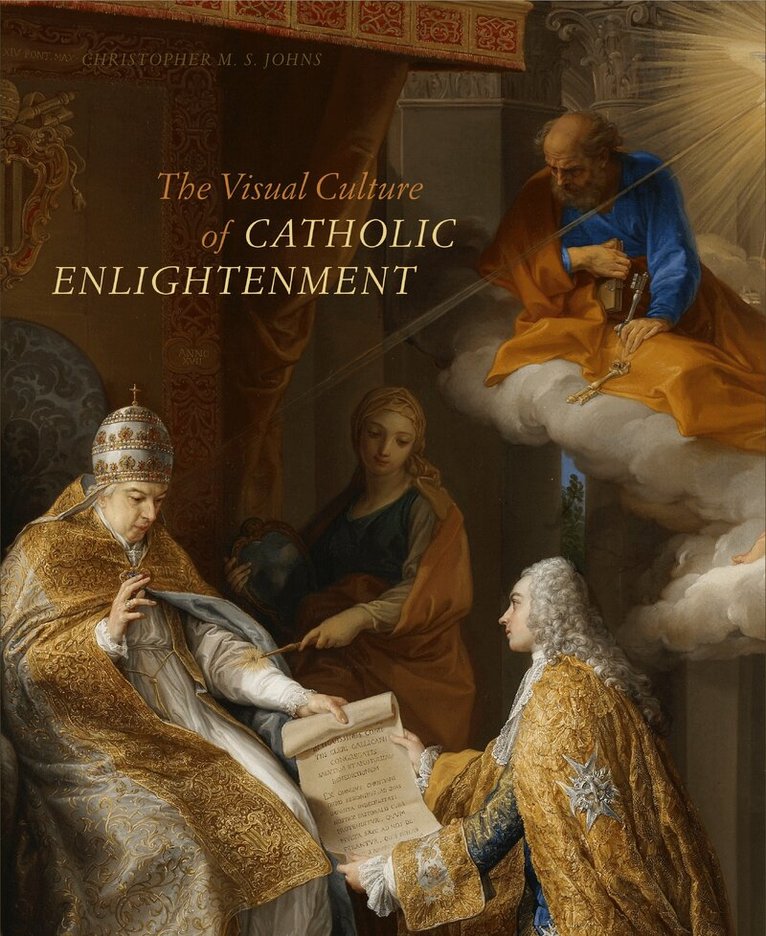
Until relatively recently, most scholars considered the notion of a Catholic enlightenment either oxymoronic or even illusory, since the received wisdom was that the Catholic Church was a tireless and indefatigable enemy of modernist progress. According to Christopher Johns, however, the eighteenth-century papacy recognized the advantages of engaging with certain aspects of enlightenment thinking, and many in the ecclesiastical hierarchy, both in Italy and abroad, were sincerely interested in making the Church more relevant in the modern world and, above all, in reforming the various institutions that governed society. Johns presents the visual culture of papal Rome as a major change agent in the cause of Catholic enlightenment while assessing its continuing links to tradition. The Visual Culture of Catholic Enlightenment sheds substantial light on the relationship between eighteenth-century Roman society and visual culture and the role of religion in both.
411 kr
Skickas inom 7-10 vardagar
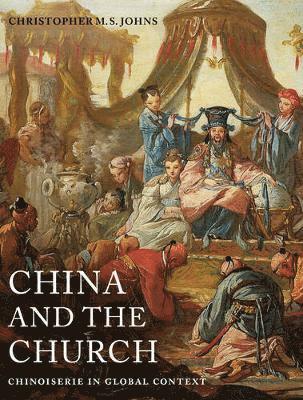
This ground breaking study examines decorative Chinese works of art and visual culture, known as chinoiserie, in the context of church and state politics, with a particular focus on the Catholic missions' impact on Western attitudes toward China and the Chinese. Art-historical examinations of chinoiserie have largely ignored the role of the Church and its conversion efforts in Asia. Johns, however, demonstrates that the emperor's 1722 prohibition against Catholic evangelization, which occurred after almost a century and a half of tolerance, prompted a remarkable change in European visualizations of China in Roman Catholic countries. China and the Church considers the progress of Christianity in China during the late Ming and early Qing dynasties, examines authentic works of Chinese art available to the European artists who produced chinoiserie, and explains how the East Asian male body in Western art changed from "normative" depictions to whimsical, feminized grotesques after the collapse of the missionary efforts during the 1720s.
Intimate Interiors
Sex, Politics, and Material Culture in the Eighteenth-Century Bedroom and Boudoir
Inbunden, Engelska, 2023
1 294 kr
Skickas inom 7-10 vardagar
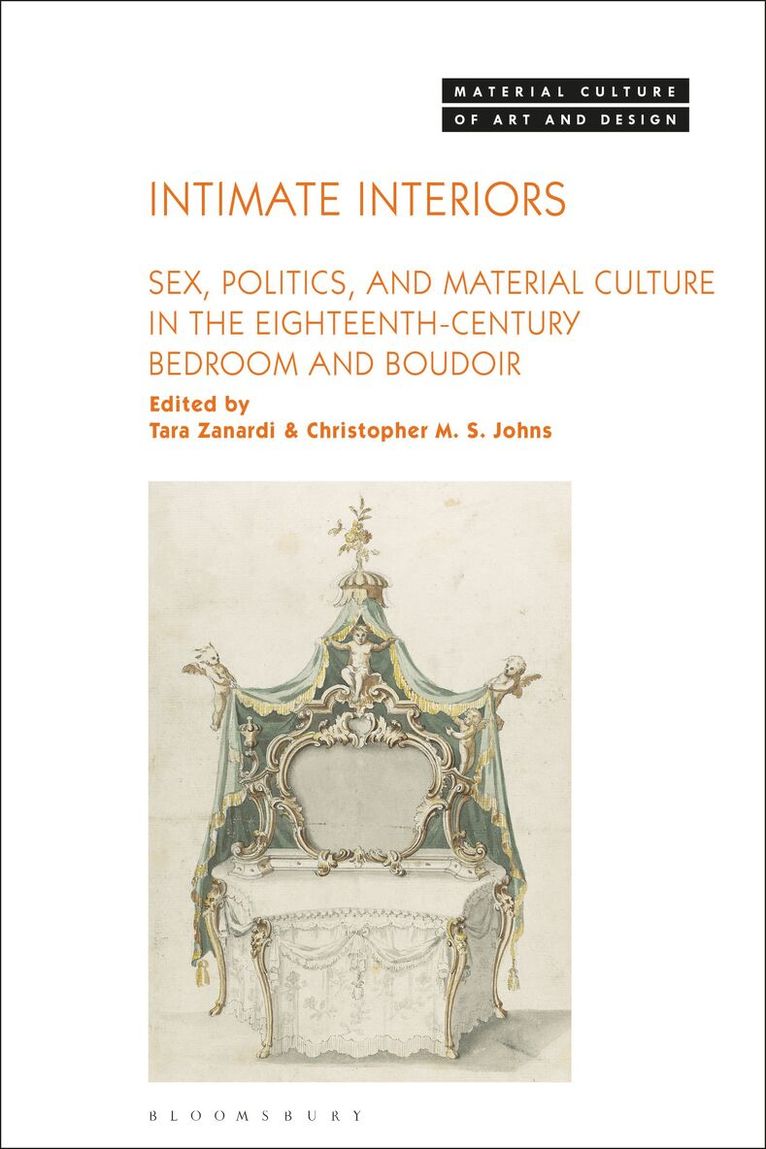
A desire for intimacy in domestic spaces – motivated by a growing sense of individualistic expression, an incentive to conceal the labor or enslavement taking place, and an appetite for solace and comfort – led to interiors taking on more specific roles in the eighteenth century. By examining the architectural, visual, and material culture of eighteenth-century spaces, Intimate Interiors foregrounds the interrelated concepts of intimacy, privacy, informality, and sociability in order to show how these ideas played an increasingly integral role in the period’s architectural and material design.Across eleven innovative chapters that explore issues of gender, politics, travel, exoticism, imperialism, sensorial experiences, identity, interiority, and modernity, this volume demonstrates how intimacy was a fundamental goal in the planning of private quarters. In doing so, the political nature of private spaces is uncovered, whilst highlighting the contradictions and complexities of these highly performative “private” interiors. Employing distinct methodological perspectives across various geographical sites, from Turkey to Versailles, Britain to Benin, Intimate Interiors draws as-yet untraced connections between Enlightenment Europe, imperial outposts, and major metropolitan centers across the globe.
Intimate Interiors
Sex, Politics, and Material Culture in the Eighteenth-Century Bedroom and Boudoir
Häftad, Engelska, 2024
420 kr
Skickas inom 10-15 vardagar
A desire for intimacy in domestic spaces – motivated by a growing sense of individualistic expression, an incentive to conceal the labor or enslavement taking place, and an appetite for solace and comfort – led to interiors taking on more specific roles in the eighteenth century. By examining the architectural, visual, and material culture of eighteenth-century spaces, Intimate Interiors foregrounds the interrelated concepts of intimacy, privacy, informality, and sociability in order to show how these ideas played an increasingly integral role in the period’s architectural and material design.Across eleven innovative chapters that explore issues of gender, politics, travel, exoticism, imperialism, sensorial experiences, identity, interiority, and modernity, this volume demonstrates how intimacy was a fundamental goal in the planning of private quarters. In doing so, the political nature of private spaces is uncovered, whilst highlighting the contradictions and complexities of these highly performative “private” interiors. Employing distinct methodological perspectives across various geographical sites, from Turkey to Versailles, Britain to Benin, Intimate Interiors draws as-yet untraced connections between Enlightenment Europe, imperial outposts, and major metropolitan centers across the globe.