Christopher Moreman - Böcker
Visar alla böcker från författaren Christopher Moreman. Handla med fri frakt och snabb leverans.
3 produkter
3 produkter
698 kr
Skickas inom 10-15 vardagar
Few issues apply universally to people as poignantly as death and dying. All religions address concerns with death from the handling of human remains, to defining death, to suggesting what happens after life. The Routledge Companion to Death and Dying provides readers with an overview of the study of death and dying. Questions of death, mortality, and more recently of end-of-life care, have long been important ones and scholars from a range of fields have approached the topic in a number of ways. Comprising over fifty-two chapters from a team of international contributors, the companion covers: funerary and mourning practices; concepts of the afterlife; psychical issues associated with death and dying; clinical and ethical issues; philosophical issues; death and dying as represented in popular culture. This comprehensive collection of essays will bring together perspectives from fields as diverse as history, philosophy, literature, psychology, archaeology and religious studies, while including various religious traditions, including established religions like Christianity, Judaism, Islam, Hinduism, and Buddhism as well as new or less widely known traditions such as the Spiritualist Movement, the Church of Latter Day Saints, and Raëlianism. The Routledge Companion to Death and Dying is essential reading for students and researchers in religious studies, philosophy and literature.
3 264 kr
Skickas inom 10-15 vardagar
Few issues apply universally to people as poignantly as death and dying. All religions address concerns with death from the handling of human remains, to defining death, to suggesting what happens after life. The Routledge Companion to Death and Dying provides readers with an overview of the study of death and dying. Questions of death, mortality, and more recently of end-of-life care, have long been important ones and scholars from a range of fields have approached the topic in a number of ways. Comprising over fifty-two chapters from a team of international contributors, the companion covers: funerary and mourning practices; concepts of the afterlife; psychical issues associated with death and dying; clinical and ethical issues; philosophical issues; death and dying as represented in popular culture.This comprehensive collection of essays will bring together perspectives from fields as diverse as history, philosophy, literature, psychology, archaeology and religious studies, while including various religious traditions, including established religions like Christianity, Judaism, Islam, Hinduism, and Buddhism as well as new or less widely known traditions such as the Spiritualist Movement, the Church of Latter Day Saints, and Raëlianism. The Routledge Companion to Death and Dying is essential reading for students and researchers in religious studies, philosophy and literature.
809 kr
Skickas inom 10-15 vardagar
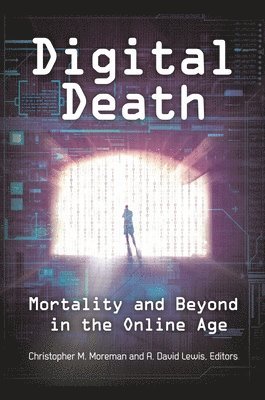
This fascinating work explores the meaning of death in the digital age, showing readers the new ways digital technology allows humans to approach, prepare for, and handle their ultimate destiny.With DeadSocial™ one can create messages to be published to social networks after death. Facebook's "If I Die" enables users to create a video or text message for posthumous publication. Twitter _LIVESON accounts will keep tweeting even after the user is gone. There is no doubt that the digital age has radically changed options related to death, dying, grieving, and remembering, allowing people to say goodbye in their own time and their own unique way. Drawing from a range of academic perspectives, this book is the only serious study to focus on the ways in which death, dying, and memorialization appear in and are influenced by digital technology. The work investigates phenomena, devices, and audiences as they affect mortality, remembrances, grieving, posthumous existence, and afterlife experience. It examines the markets to which the providers of such services are responding, and it analyzes the degree to which digital media is changing views and expectations related to death. Ultimately, the contributors seek to answer an even more important question: how digital existences affect both real-world perceptions of life's end and the way in which lives are actually lived.