Christopher S. Anderson – författare
Visar alla böcker från författaren Christopher S. Anderson. Handla med fri frakt och snabb leverans.
3 produkter
3 produkter
2 488 kr
Skickas inom 10-15 vardagar
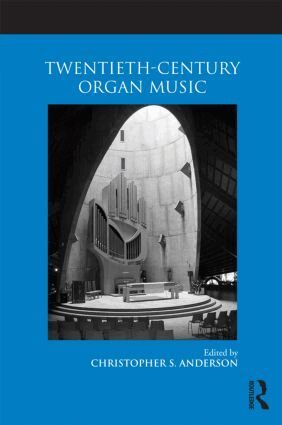
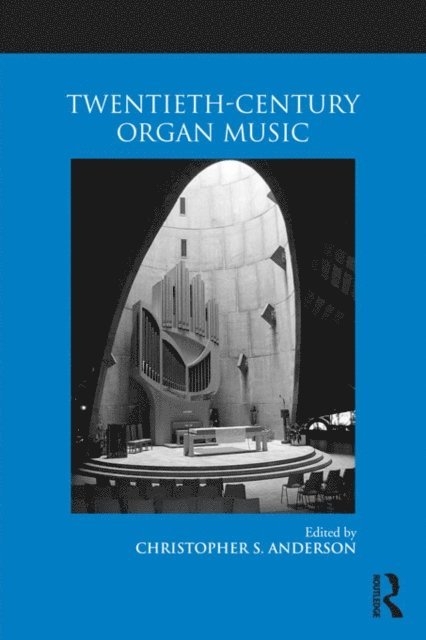
This volume explores twentieth-century organ music through in-depth studies of the principal centers of composition, the most significant composers and their works, and the evolving role of the instrument and its music. The twentieth-century was a time of unprecedented change for organ music, not only in its composition and performance but also in the standards of instrument design and building. Organ music was anything but immune to the complex musical, intellectual, and socio-political climate of the time. Twentieth-Century Organ Music examines the organ's repertory from the entire period, contextualizing it against the background of important social and cultural trends. In a collection of twelve essays, experienced scholars survey the dominant geographic centers of organ music (France, the Netherlands, Scandinavia, the United States, and German-speaking countries) and investigate the composers who made important contributions to the repertory (Reger in Germany, Messiaen in France, Ligeti in Eastern and Central Europe, Howells in Great Britain). Twentieth-Century Organ Music provides a fresh vantage point from which to view one of the twentieth century's most diverse and engaging musical spheres.
872 kr
Skickas inom 10-15 vardagar
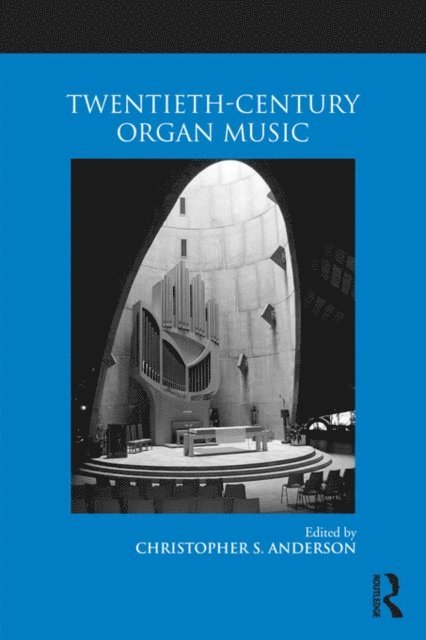
This volume explores twentieth-century organ music through in-depth studies of the principal centers of composition, the most significant composers and their works, and the evolving role of the instrument and its music. The twentieth-century was a time of unprecedented change for organ music, not only in its composition and performance but also in the standards of instrument design and building. Organ music was anything but immune to the complex musical, intellectual, and socio-political climate of the time. Twentieth-Century Organ Music examines the organ's repertory from the entire period, contextualizing it against the background of important social and cultural trends. In a collection of twelve essays, experienced scholars survey the dominant geographic centers of organ music (France, the Netherlands, Scandinavia, the United States, and German-speaking countries) and investigate the composers who made important contributions to the repertory (Reger in Germany, Messiaen in France, Ligeti in Eastern and Central Europe, Howells in Great Britain). Twentieth-Century Organ Music provides a fresh vantage point from which to view one of the twentieth century's most diverse and engaging musical spheres.
Del 182 - Eastman Studies in Music
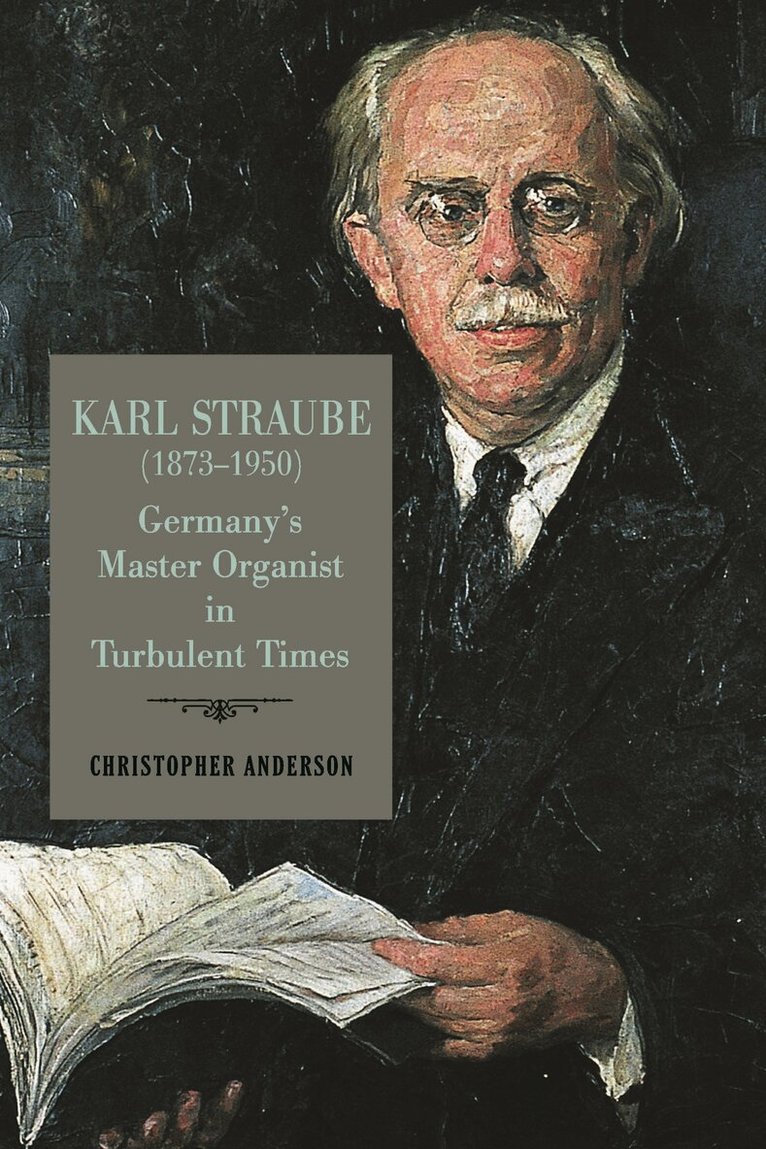
Karl Straube (1873–1950)
Germany’s Master Organist in Turbulent Times
Inbunden, Engelska, 2022
2 101 kr
Skickas inom 5-8 vardagar
The first thorough examination of the most renowned and influential organist in early twentieth-century Germany and of his complex relationship to his country's tumultuous and shifting sociopolitical landscape.In the course of a multifaceted career, Karl Straube (1873-1950) rose to positions of immense cultural authority in a German musical world caught in unprecedented artistic and sociopolitical upheaval. Son of a German harmonium-builder and an intellectually inclined English mother, Straube established himself as Germany's iconic organ virtuoso by the turn of the century. His upbringing in Bismarck's Berlin encouraged him to develop intensive interests in world history and politics. He quickly became a sought-after teacher, editor, and confidante to composers and intellectuals, whose work he often significantly influenced. As the eleventh successor to J. S. Bach in the cantorate of St. Thomas School, Leipzig, he focused the choir's mission as curator of Bach's works and, in the unstable political climate of the interwar years, as international emissary for German art. His fraught exit from the cantorate in 1939 bore the scars of his Nazi affiliations and issued in a final decade of struggle and disillusionment as German society collapsed.Christopher Anderson's book presents the first richly detailed examination of Karl Straube's remarkable life, situated against the background of the dynamic and sometimes sinister nationalism that informed it. Through extensive examination of primary sources, Anderson reveals a brilliant yet deeply conflicted musician whose influence until now has been recognized, even hailed, but little understood.