

Homosexualität wurde im Kino lange tabuisiert. Seit den 1980er-Jahren hat sich dies vor allem in den „westlichen“ Gesellschaften allmählich geändert. Homosexualitäten und insbesondere die männliche Homosexualitäten scheinen hier den Nimbus des Unnatürlichen, Schrecklichen und Abstoßenden verloren zu haben. Christopher Treiblmayr analysiert diese Entwicklung am Beispiel des deutschen Films nach 1989 und erklärt die neue Sichtbarkeit Homosexueller am Ende des 20. Jahrhunderts durch das Konzept einer „Krise der Männlichkeit“. Dabei unterzieht er das wirkungsmächtige Ordnungsprinzip „Männlichkeit“ einer historischen Kontextualisierung und Dekonstruktion. Der Vielfalt an homosexuellen Männlichkeitsentwürfen geht sein Buch sowohl im Mainstream-Kino als auch in Avantgarde-Produktionen nach.
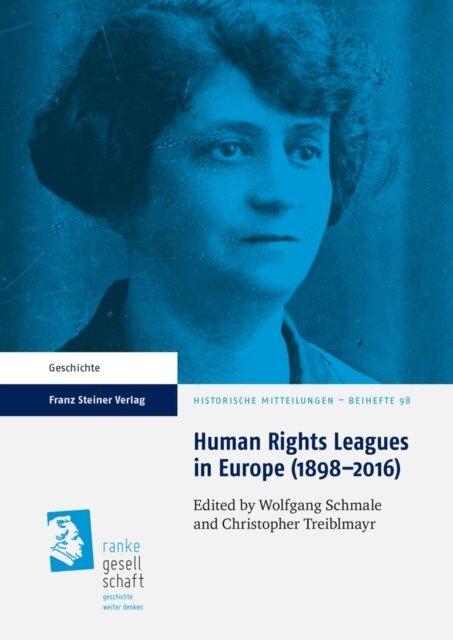
When the French Ligue des droits de l'homme was founded in 1898, it was the world's first league for human rights. Over the following decades, human rights leagues were formed in many other countries following its example, and from 1922, they advocated for a universal human rights ideal under the auspices of a shared umbrella organization. The majority of these leagues were forced to interrupt their activities at some point, especially during the National Socialist period. After World War II, many leagues experienced a renaissance. Not least through their cooperation with the United Nations, they significantly contributed to the global acceptance of the very idea of human rights in the second half of the 20th century. The contributors in this volume break new ground: they provide a so-far lacking overview of international research on human rights leagues, synthesizing it and identifying research desiderata. Some of the presented civil society associations, like those in Eastern Europe, have never before been subject to scholarly consideration.
Homosexualität wurde im Kino lange tabuisiert. Seit den 1980er-Jahren hat sich dies vor allem in den „westlichen“ Gesellschaften allmählich geändert. Homosexualitäten und insbesondere die männliche Homosexualitäten scheinen hier den Nimbus des Unnatürlichen, Schrecklichen und Abstoßenden verloren zu haben. Christopher Treiblmayr analysiert diese Entwicklung am Beispiel des deutschen Films nach 1989 und erklärt die neue Sichtbarkeit Homosexueller am Ende des 20. Jahrhunderts durch das Konzept einer „Krise der Männlichkeit“. Dabei unterzieht er das wirkungsmächtige Ordnungsprinzip „Männlichkeit“ einer historischen Kontextualisierung und Dekonstruktion. Der Vielfalt an homosexuellen Männlichkeitsentwürfen geht sein Buch sowohl im Mainstream-Kino als auch in Avantgarde-Produktionen nach.
When the French Ligue des droits de l'homme was founded in 1898, it was the world's first league for human rights. Over the following decades, human rights leagues were formed in many other countries following its example, and from 1922, they advocated for a universal human rights ideal under the auspices of a shared umbrella organization. The majority of these leagues were forced to interrupt their activities at some point, especially during the National Socialist period. After World War II, many leagues experienced a renaissance. Not least through their cooperation with the United Nations, they significantly contributed to the global acceptance of the very idea of human rights in the second half of the 20th century. The contributors in this volume break new ground: they provide a so-far lacking overview of international research on human rights leagues, synthesizing it and identifying research desiderata. Some of the presented civil society associations, like those in Eastern Europe, have never before been subject to scholarly consideration.