Christopher Vials – författare
Visar alla böcker från författaren Christopher Vials. Handla med fri frakt och snabb leverans.
6 produkter
6 produkter
Inbunden, Engelska, 2017
1 667 kr
Skickas inom 7-10 vardagar
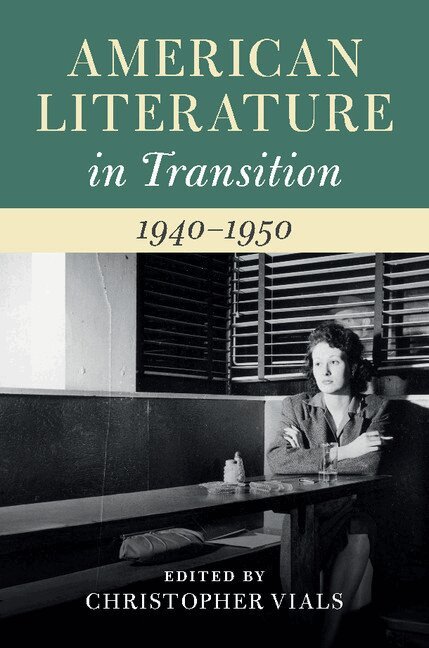
In the aftermath of World War II, the United States emerged as the dominant imperial power, and in US popular memory, the Second World War is remembered more vividly than the American Revolution. American Literature in Transition, 1940-1950 provides crucial contexts for interpreting the literature of this period. Essays from scholars in literature, history, art history, ethnic studies, and American studies show how writers intervened in the global struggles of the decade: the Second World War, the Cold War, and emerging movements over racial justice, gender and sexuality, labor, and de-colonization. One recurrent motif is the centrality of the political impulse in art and culture. Artists and writers participated widely in left and liberal social movements that fundamentally transformed the terms of social life in the twentieth century, not by advocating specific legislation, but by changing underlying cultural values. This book addresses all the political impulses fueling art and literature at the time, as well as the development of new forms and media, from modernism and noir to radio and the paperback.
E-bok
Engelska, 20171 896 kr
Läs direkt efter köp
In the aftermath of World War II, the United States emerged as the dominant imperial power, and in US popular memory, the Second World War is remembered more vividly than the American Revolution. American Literature in Transition, 1940–1950 provides crucial contexts for interpreting the literature of this period. Essays from scholars in literature, history, art history, ethnic studies, and American studies show how writers intervened in the global struggles of the decade: the Second World War, the Cold War, and emerging movements over racial justice, gender and sexuality, labor, and de-colonization. One recurrent motif is the centrality of the political impulse in art and culture. Artists and writers participated widely in left and liberal social movements that fundamentally transformed the terms of social life in the twentieth century, not by advocating specific legislation, but by changing underlying cultural values. This book addresses all the political impulses fueling art and literature at the time, as well as the development of new forms and media, from modernism and noir to radio and the paperback.
E-bok
PDF, Engelska, 20171 896 kr
Läs direkt efter köp
In the aftermath of World War II, the United States emerged as the dominant imperial power, and in US popular memory, the Second World War is remembered more vividly than the American Revolution. American Literature in Transition, 1940–1950 provides crucial contexts for interpreting the literature of this period. Essays from scholars in literature, history, art history, ethnic studies, and American studies show how writers intervened in the global struggles of the decade: the Second World War, the Cold War, and emerging movements over racial justice, gender and sexuality, labor, and de-colonization. One recurrent motif is the centrality of the political impulse in art and culture. Artists and writers participated widely in left and liberal social movements that fundamentally transformed the terms of social life in the twentieth century, not by advocating specific legislation, but by changing underlying cultural values. This book addresses all the political impulses fueling art and literature at the time, as well as the development of new forms and media, from modernism and noir to radio and the paperback.
Häftad, Engelska, 2020
263 kr
Skickas inom 7-10 vardagar
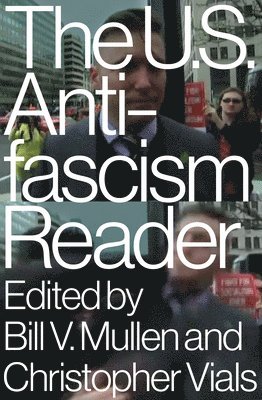
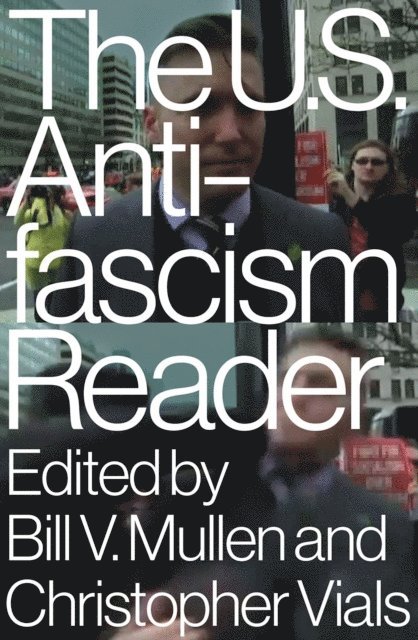
Since the birth of fascism in the 1920s, well before the global renaissance of "white nationalism," the United States has been home to its own distinct fascist movements, some of which decisively influenced the course of US history. Yet long before Antifa became a household word in the United States, they were met, time and again, by an equally deep antifascist current. Many on the left are unaware that the United States has a rich antifascist tradition, because it has rarely been discussed as such, nor has it been accessible in one place. This reader reconstructs the history of US antifascism the twenty-first century, showing how generations of writers, organisers, and fighters spoke to each other over time.
E-bok
Engelska, 2020187 kr
Läs direkt efter köp
Since the birth of fascism in the 1920s, well before the global renaissance of "white nationalism," the United States has been home to its own distinct fascist movements, some of which decisively influenced the course of U.S. history. Yet long before "antifa" became a household word in the United States, they were met, time and again, by an equally deep antifascist current. Many on the left are unaware that the United States has a rich antifascist tradition, because it has rarely been discussed as such, nor has it been accessible in one place. This reader reconstructs the history of U.S. antifascism into the twenty-first century, showing how generations of writers, organizers, and fighters spoke to each other over time. Spanning the 1930s to the present, this chronologically-arranged, primary source reader is made up of antifascist writings by Americans and by exiles in the U.S. - some instantly recognizable, others long-forgotten. It also includes a sampling of influential writings from the U.S. fascist, white nationalist, and proto-fascist traditions. Its contents, mostly written by people embedded in antifascist movements, include a number of pieces produced abroad that deeply influenced the U.S. left. The collection thus places U.S. antifascism in a global context.
Inbunden, Engelska, 2020
162 kr
Skickas
Since the birth of fascism in the 1920s, well before the global renaissance of "white nationalism," the United States has been home to its own distinct fascist movements, some of which decisively influenced the course of US history. Yet long before Antifa became a household word in the United States, they were met, time and again, by an equally deep antifascist current. Many on the left are unaware that the United States has a rich antifascist tradition, because it has rarely been discussed as such, nor has it been accessible in one place. This reader reconstructs the history of US antifascism the twenty-first century, showing how generations of writers, organisers, and fighters spoke to each other over time.