Christos Memos – författare
Visar alla böcker från författaren Christos Memos. Handla med fri frakt och snabb leverans.
11 produkter
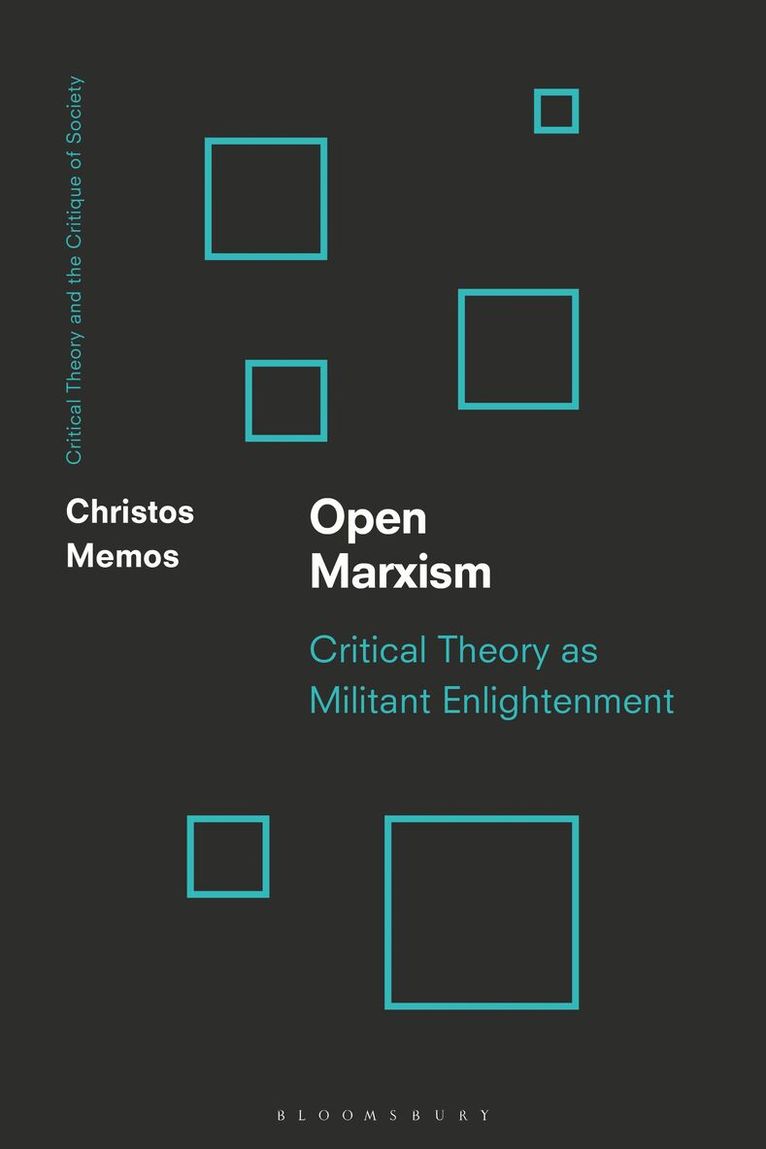
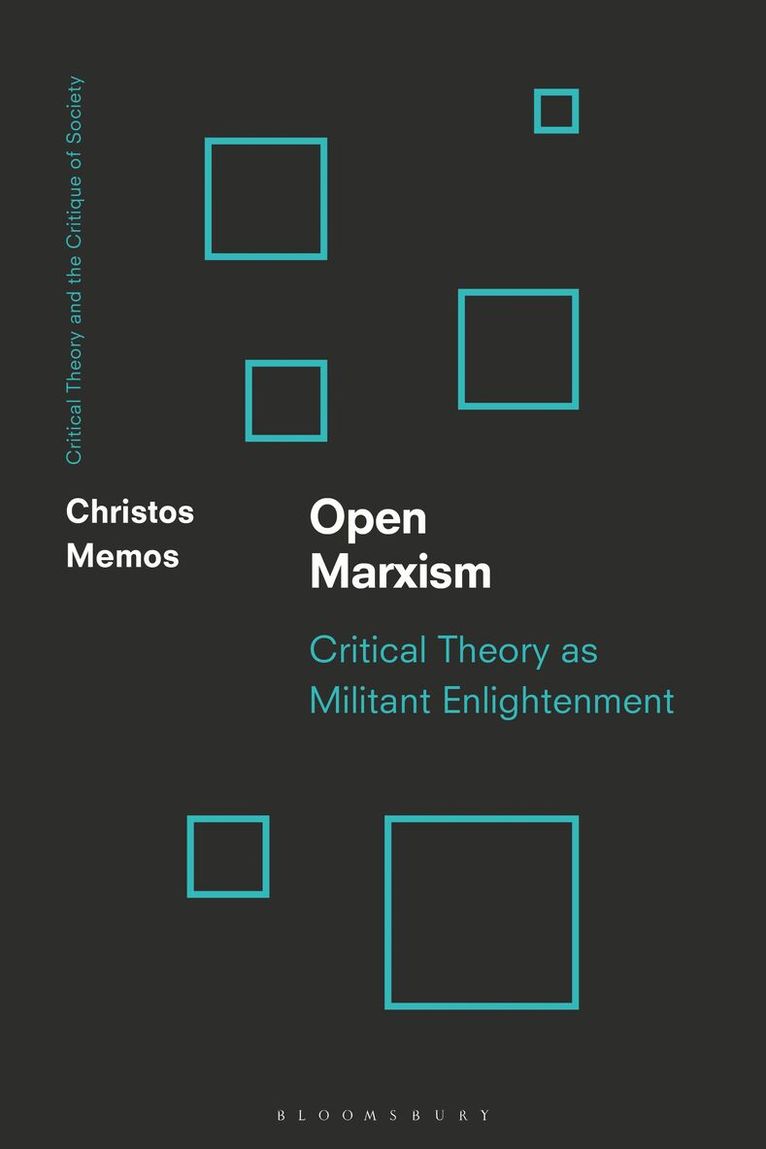
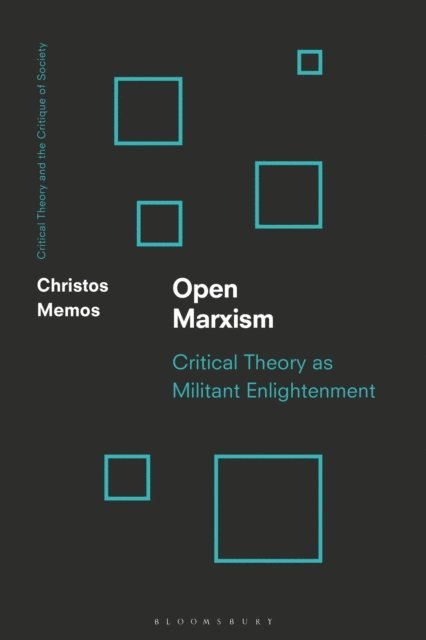
Open Marxism
Critical Theory as Militant Enlightenment
Av Christos Memos, Chris O'Kane m. fl.
Häftad, 2026
416 kr
Lägg i varukorg
Bringing together the various heterodox traditions, groups and scholars that came under the heading of Open Marxism for the first time, this book assesses the evolution of Open Marxism from the initial usage of the term by Kostas Axelos in France in the 1950s and the journal, Arguments, principally …
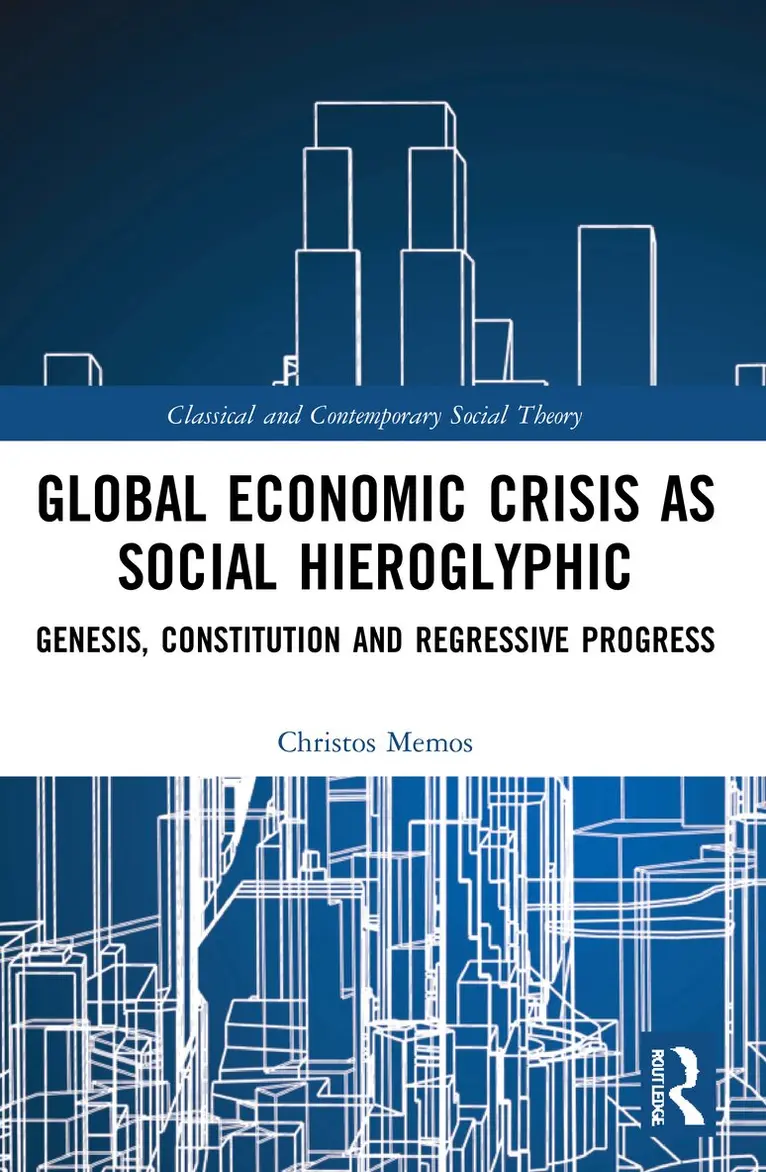
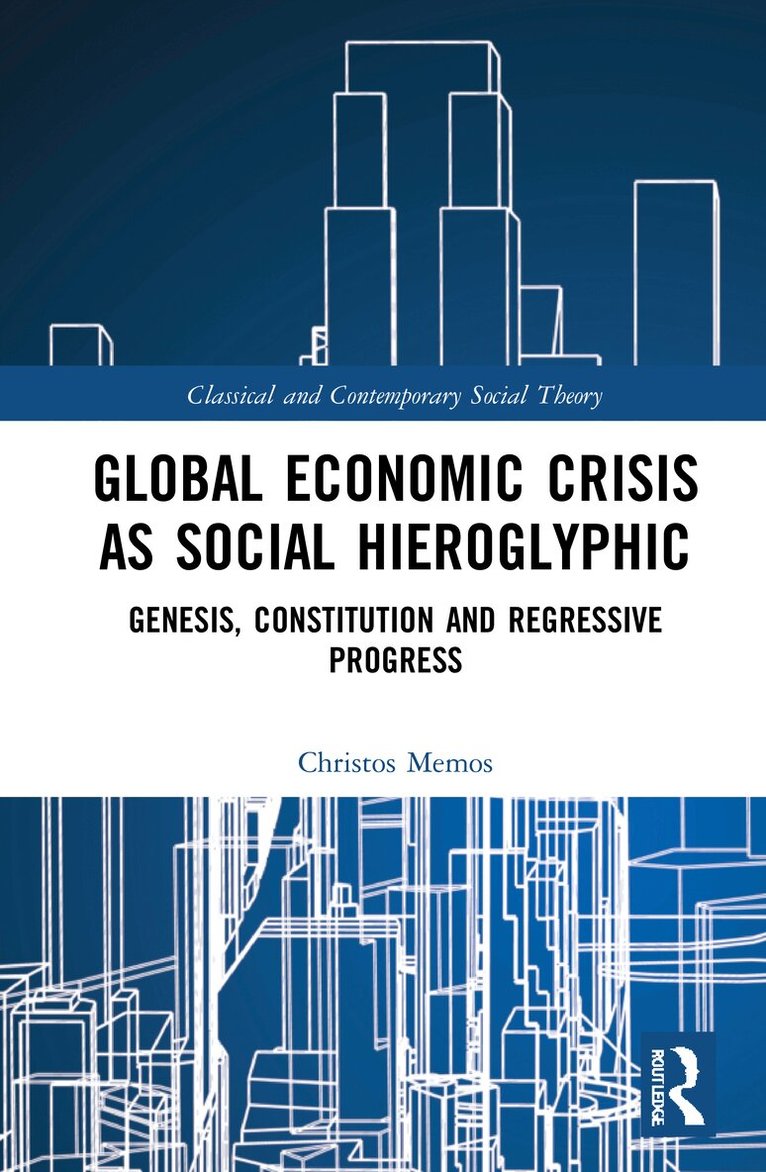
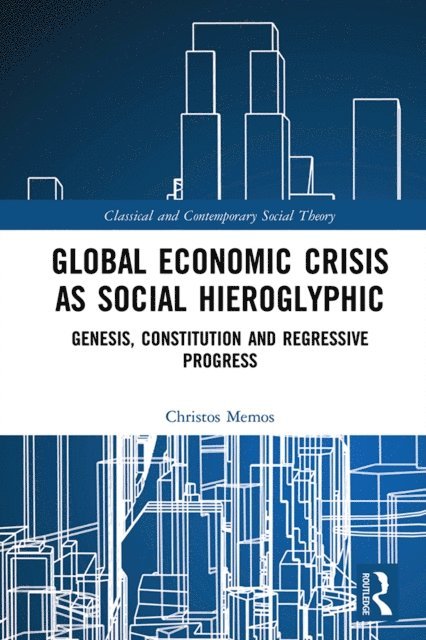
Global Economic Crisis as Social Hieroglyphic
Genesis, Constitution and Regressive Progress
Häftad, 2023
647 kr
Lägg i varukorg
This book examines the 2008 global economic crisis as a complex social phenomenon or "social hieroglyphic", arguing that the crisis is not fundamentally economic, despite presenting itself as such. Instead, it is considered to be a symptom of a long-standing, multifaceted, and endemic crisis of …
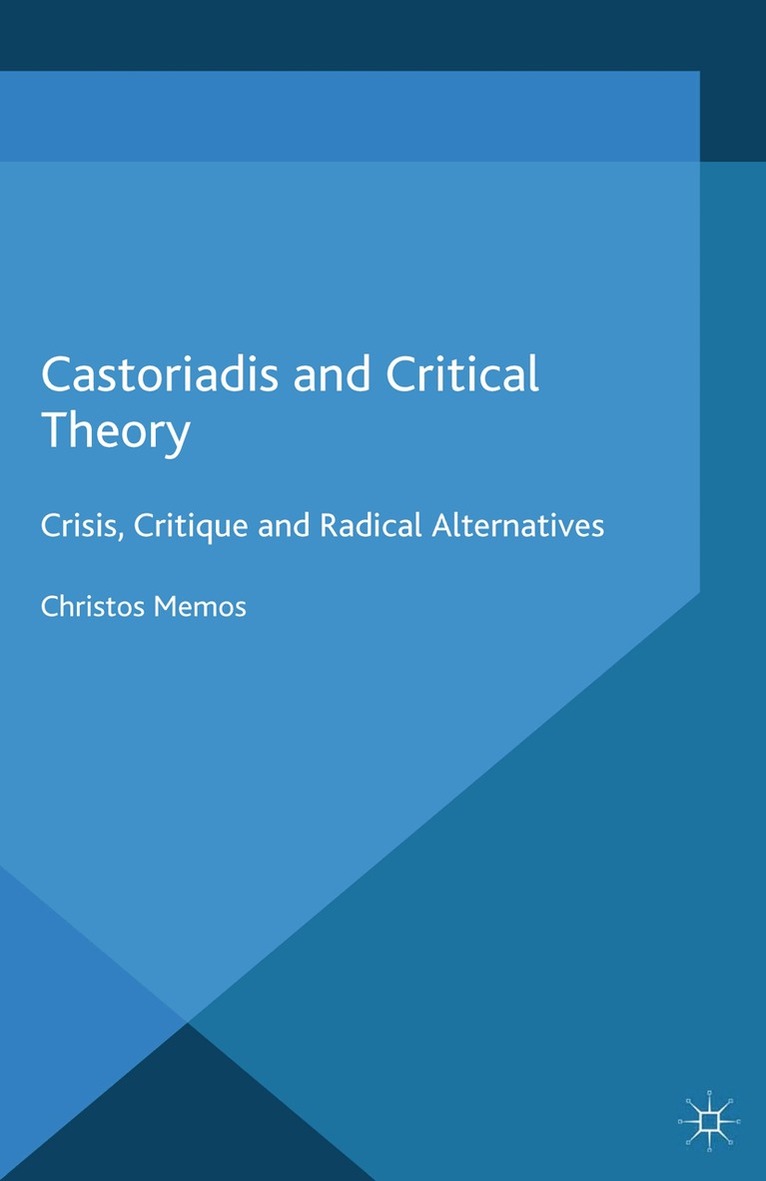
Castoriadis and Critical Theory
Crisis, Critique and Radical Alternatives
Inbunden, 2014
552 kr
Lägg i varukorg
By exploring the concepts of 'crisis' and 'critique', this study offers a thought-provoking re-examination of the political and social thought of Cornelius Castoriadis in light of the current world crisis and with regard to his radical critique of both the traditional Left and contemporary …
Castoriadis and Critical Theory
Crisis, Critique and Radical Alternatives
E-bok, 2014
779 kr
Lägg i varukorg
By exploring the concepts of ''crisis'' and ''critique'', this study offers a thought-provoking re-examination of the political and social thought of Cornelius Castoriadis in light of the current world crisis and with regard to his radical critique of both the traditional Left and contemporary …
Global Economic Crisis as Social Hieroglyphic
Genesis, Constitution and Regressive Progress
Inbunden, 2021
2510 kr
Lägg i varukorg
This book examines the 2008 global economic crisis as a complex social phenomenon or "social hieroglyphic", arguing that the crisis is not fundamentally economic, despite presenting itself as such. Instead, it is considered to be a symptom of a long-standing, multifaceted, and endemic crisis of …
Castoriadis and Critical Theory
Crisis, Critique and Radical Alternatives
Häftad, 2014
552 kr
Lägg i varukorg
By exploring the concepts of 'crisis' and 'critique', this study offers a thought-provoking re-examination of the political and social thought of Cornelius Castoriadis in light of the current world crisis and with regard to his radical critique of both the traditional Left and contemporary …
Open Marxism
Critical Theory as Militant Enlightenment
Av Christos Memos, Chris O'Kane
Inbunden, 2025
1207 kr
Lägg i varukorg
Bringing together the various heterodox traditions, groups and scholars that came under the heading of Open Marxism for the first time, this book assesses the evolution of Open Marxism from the initial usage of the term by Kostas Axelos in France in the 1950s and the journal, Arguments, principally …
Open Marxism
Critical Theory as Militant Enlightenment
E-bok, 2025
1325 kr
Lägg i varukorg
Bringing together the various heterodox traditions, groups and scholars that came under the heading of Open Marxism for the first time, this book assesses the evolution of Open Marxism from the initial usage of the term by Kostas Axelos in France in the 1950s and the journal, Arguments , …
Open Marxism
Critical Theory as Militant Enlightenment
E-bok, 2025
1325 kr
Lägg i varukorg
Bringing together the various heterodox traditions, groups and scholars that came under the heading of Open Marxism for the first time, this book assesses the evolution of Open Marxism from the initial usage of the term by Kostas Axelos in France in the 1950s and the journal, Arguments , …
Global Economic Crisis as Social Hieroglyphic
Genesis, Constitution and Regressive Progress
E-bok, 2021
762 kr
Lägg i varukorg
This book examines the 2008 global economic crisis as a complex social phenomenon or "social hieroglyphic", arguing that the crisis is not fundamentally economic, despite presenting itself as such. Instead, it is considered to be a symptom of a long-standing, multifaceted, and endemic crisis of …
Global Economic Crisis as Social Hieroglyphic
Genesis, Constitution and Regressive Progress
E-bok, 2021
738 kr
Lägg i varukorg
This book examines the 2008 global economic crisis as a complex social phenomenon or "social hieroglyphic", arguing that the crisis is not fundamentally economic, despite presenting itself as such. Instead, it is considered to be a symptom of a long-standing, multifaceted, and endemic crisis of …