Chun-chieh Huang – författare
Visar alla böcker från författaren Chun-chieh Huang. Handla med fri frakt och snabb leverans.
26 produkter
Imperial Rulership and Cultural Change in Traditional China
Av Frederick P. Brandauer, Chun-chieh Huang
Inbunden, 1995
1819 kr
Lägg i varukorg
This volume examines the role of dynastic rulers, the imperial system, and the ruling literati in the promotion and shaping of Chinese thought and culture. It includes ten papers chosen for publication from a conference held in Taiwan in September 1992: “Determining Orthodoxy: Imperial Roles” by …
Imperial Rulership and Cultural Change in Traditional China
Av Frederick P. Brandauer, Chun-chieh Huang
Häftad, 2014
608 kr
Lägg i varukorg
This volume examines the role of dynastic rulers, the imperial system, and the ruling literati in the promotion and shaping of Chinese thought and culture. It includes ten papers chosen for publication from a conference held in Taiwan in September 1992: “Determining Orthodoxy: Imperial Roles” by …
Mencian Hermeneutics
Häftad, 2018
921 kr
Lägg i varukorg
Considered second only to Confucius in the history of Chinese thought, Mencius (371?-289 b.c.), was a moral philosopher whose arguments, while pragmatically rooted in the political and social conditions of his time, go beyond particular situations to probe their origins and speculate on their …
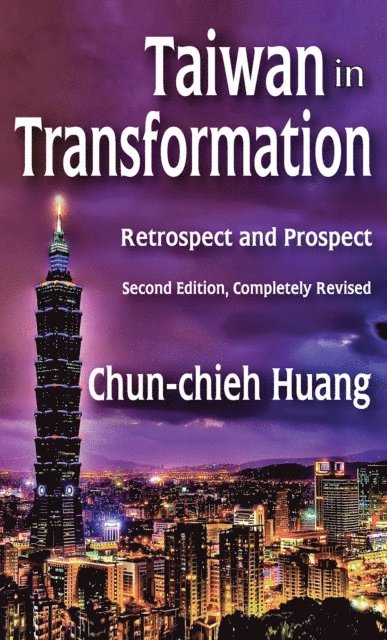
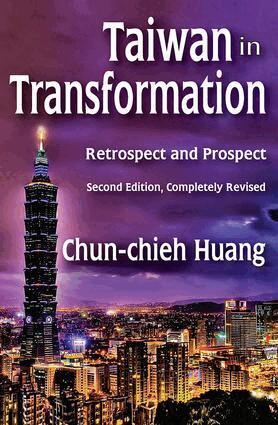
Taiwan in Transformation
Retrospect and Prospect
Häftad, 2017
3,0 utav 5 stjärnor. Totalt antal röster: (1)
907 kr
Lägg i varukorg
The late twentieth century witnessed rapid changes not only in Taiwan's economy, but also in its identity. Both economic as well as ideological restructuring have been basic elements in the transformation of postwar Taiwan, as rapid democratization opened a Pandora's Box, and stirred a whirlwind of …
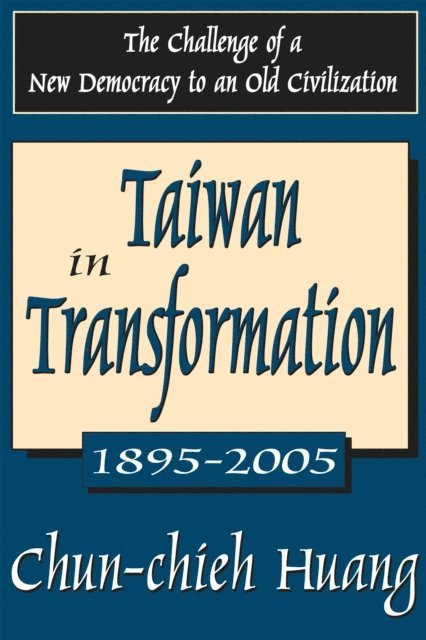
Taiwan in Transformation 1895-2005
The Challenge of a New Democracy to an Old Civilization
Av Chun-chieh Huang, Chun-chieh Huang
Inbunden, 2017
2504 kr
Lägg i varukorg
The last decade of the twentieth century witnessed rapid changes not only in global politics but also in Taiwan's quests for new identities. The notorious martial law was lifted in July 1987, and long-repressed calls for democratization began to be heard that caught worldwide attention. In tandem …
Mencian Hermeneutics
E-bok, 2019
1091 kr
Lägg i varukorg
Considered second only to Confucius in the history of Chinese thought, Mencius (371?-289 b.c.), was a moral philosopher whose arguments, while pragmatically rooted in the political and social conditions of his time, go beyond particular situations to probe their origins and speculate on their …
Mencian Hermeneutics
E-bok, 2019
1091 kr
Lägg i varukorg
Considered second only to Confucius in the history of Chinese thought, Mencius (371?-289 b.c.), was a moral philosopher whose arguments, while pragmatically rooted in the political and social conditions of his time, go beyond particular situations to probe their origins and speculate on their …
Taiwan in Transformation 1895-2005
The Challenge of a New Democracy to an Old Civilization
Av Chun-chieh Huang, Chun-chieh Huang
E-bok, 2017
855 kr
Lägg i varukorg
The last decade of the twentieth century witnessed rapid changes not only in global politics but also in Taiwan''s quests for new identities. The notorious martial law was lifted in July 1987, and long-repressed calls for democratization began to be heard that caught worldwide attention. In tandem …
Taiwan in Transformation 1895-2005
The Challenge of a New Democracy to an Old Civilization
Av Chun-chieh Huang, Chun-chieh Huang
E-bok, 2017
864 kr
Lägg i varukorg
The last decade of the twentieth century witnessed rapid changes not only in global politics but also in Taiwan''s quests for new identities. The notorious martial law was lifted in July 1987, and long-repressed calls for democratization began to be heard that caught worldwide attention. In tandem …
Taiwan in Transformation
Retrospect and Prospect
E-bok, 2017
1074 kr
Lägg i varukorg
The late twentieth century witnessed rapid changes not only in Taiwan''s economy, but also in its identity. Both economic as well as ideological restructuring have been basic elements in the transformation of postwar Taiwan, as rapid democratization opened a Pandora''s Box, and stirred a whirlwind …
Taiwan in Transformation
Retrospect and Prospect
E-bok, 2017
1051 kr
Lägg i varukorg
The late twentieth century witnessed rapid changes not only in Taiwan''s economy, but also in its identity. Both economic as well as ideological restructuring have been basic elements in the transformation of postwar Taiwan, as rapid democratization opened a Pandora''s Box, and stirred a whirlwind …
Taiwan in Transformation 1895-2005
The Challenge of a New Democracy to an Old Civilization
Av Chun-chieh Huang, Chun-chieh Huang
Häftad, 2007
770 kr
Lägg i varukorg
The last decade of the twentieth century witnessed rapid changes not only in global politics but also in Taiwan's quests for new identities. The notorious martial law was lifted in July 1987, and long-repressed calls for democratization began to be heard that caught worldwide attention. In tandem …
Taiwan in Transformation
Retrospect and Prospect
Inbunden, 2014
2504 kr
Lägg i varukorg
The late twentieth century witnessed rapid changes not only in Taiwan's economy, but also in its identity. Both economic as well as ideological restructuring have been basic elements in the transformation of postwar Taiwan, as rapid democratization opened a Pandora's Box, and stirred a whirlwind of …
Humanism in East Asian Confucian Contexts
Häftad, 2021
391 kr
Lägg i varukorg
The past 60 years have seen the rediscovery of the immense cultural depth of Confucian humanist thought and its power to shape the way human beings are understood in East Asia. In this volume, renowned Confucian scholar Chun-chieh Huang analyzes various East Asian contexts to identify the central …
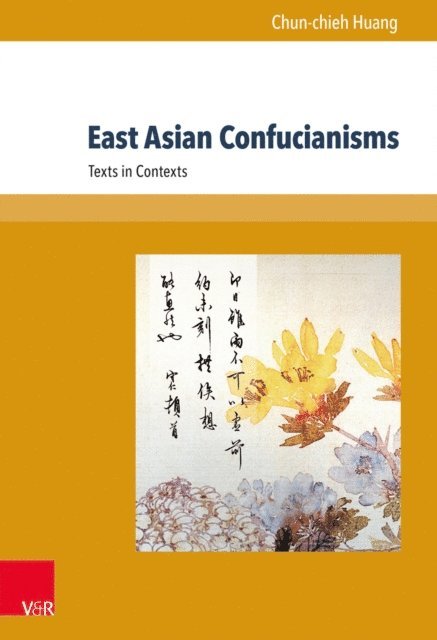
East Asian Confucianisms
Texts in Context
E-bok, 2015
641 kr
Lägg i varukorg
This volume tells the story of the importance of the Confucian traditions and why and how Confucian texts were reinterpreted within the different ambiances and contexts around East Asia. The vitality of East Asian Confucianisms stems from the desire of Confucian thinkers to interpret the core …
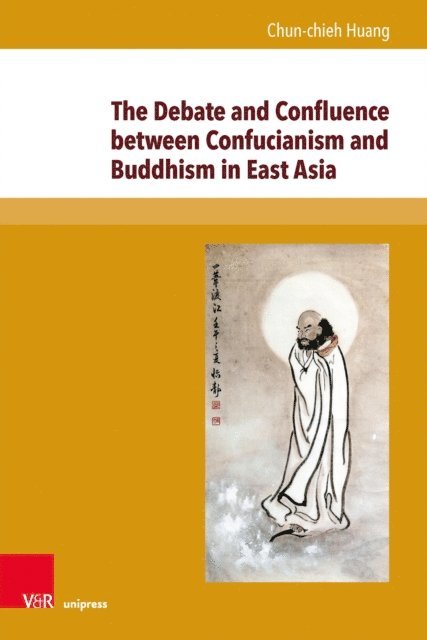
Debate and Confluence between Confucianism and Buddhism in East Asia
A Historical Overview. Translated by Jan Vrhovski. With a foreword by Jana S. Rošker
E-bok, 2019
419 kr
Lägg i varukorg
After the arrival of Buddhism toward the end of the Eastern Han dynasty (25–220), Buddhism found itself in a fierce conflict with indigenous Chinese thought. The controversies between Confucianism and Buddhism reached their peak in the time of the Northern and Southern dynasties (420–589). By then, …
Confucianism for the Twenty-First Century
Av John A. Tucker, Chun-chieh Huang
E-bok, 2023
662 kr
Lägg i varukorg
This collection of essays explores the resilience and relevance of an ancient yet still vital teaching, Confucianism, for the century ahead and beyond, finding in its many dimensions insights meaningful for the personal, ethical, socio-economic, and political challenges facing the global community …
Confucianism for the Twenty-First Century
Av Chun-chieh Huang, John A. Tucker
Inbunden, 2023
954 kr
Lägg i varukorg
This collection of essays explores the resilience and relevance of an ancient yet still vital teaching, Confucianism, for the century ahead and beyond, finding in its many dimensions insights meaningful for the personal, ethical, socio-economic, and political challenges facing the global community …
Dao Companion to Japanese Confucian Philosophy
Av Chun-chieh Huang, John Allen Tucker
Inbunden, 2014
1098 kr
Lägg i varukorg
The Dao Companion to Japanese Confucian Philosophy will be part of the handbook series Dao Companion to Chinese Philosophy, published by Springer. This series is being edited by Professor Huang Yong, Professor of Philosophy at Kutztown University and Editor of Dao: A Journal of Comparative …
Dao Companion to Japanese Confucian Philosophy
Av John Allen Tucker, Chun-chieh Huang
E-bok, 2014
1459 kr
Lägg i varukorg
The Dao Companion to Japanese Confucian Philosophy will be part of the handbook series Dao Companion to Chinese Philosophy , published by Springer. This series is being edited by Professor Huang Yong, Professor of Philosophy at Kutztown University and Editor of Dao: A Journal of Comparative …
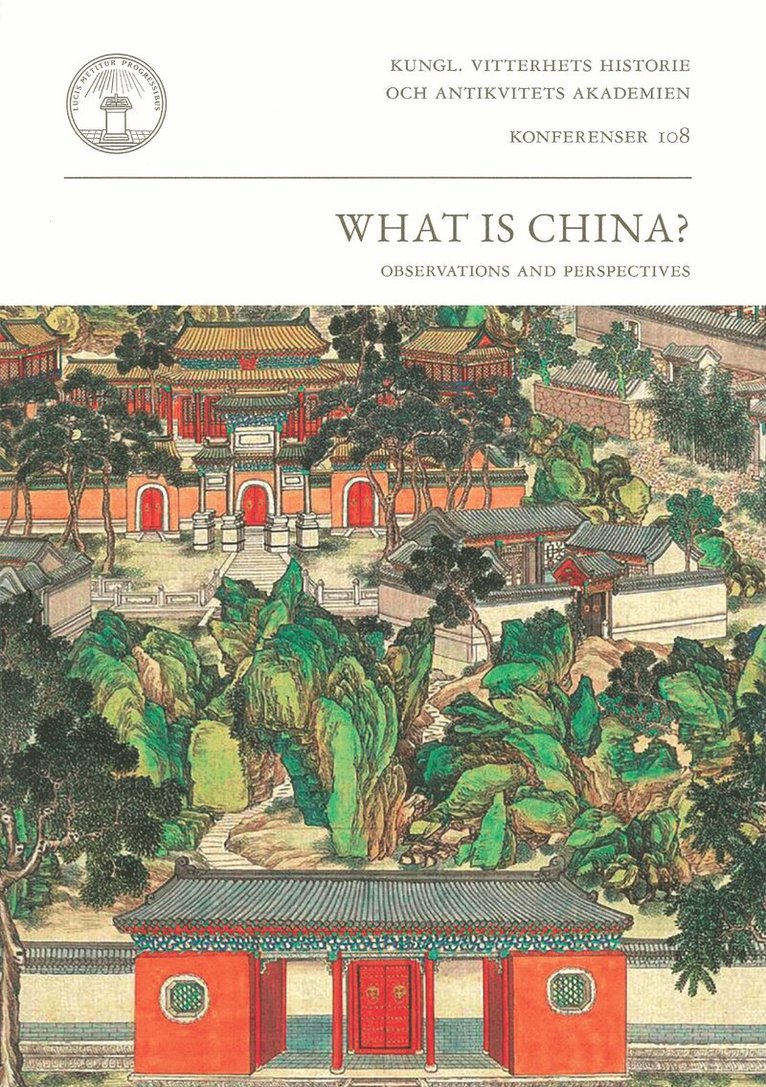
What is China? : observations and perspectives
Av Joakim Enwall, Fredrik Fällman m. fl.
Häftad, 2023
295 kr
Lägg i varukorg
“China is”, in the words of Bertrand Russell, “much less a political entity than a civilization.” To this we may add that China is also a geographical area. The word China has multiple meanings charged with different kinds of values and preconceptions. In this book ten scholars from Mainland China, …
Dao Companion to Japanese Confucian Philosophy
Av Chun-chieh Huang, John Allen Tucker
Häftad, 2016
1095 kr
Lägg i varukorg
The Dao Companion to Japanese Confucian Philosophy will be part of the handbook series Dao Companion to Chinese Philosophy, published by Springer. This series is being edited by Professor Huang Yong, Professor of Philosophy at Kutztown University and Editor of Dao: A Journal of Comparative …
Los confucianismos de Asia Oriental
E-bok, 2017
113 kr
Lägg i varukorg
El resurgimiento económico y político de Asia Oriental conmocionó la estructura tradicional del poder, centrado en el eje Norteamérica-Europa. La industrialización sucesiva de Japón, Corea y China, entre otras, desvió esa parte del mundo hacia la actividad manufacturera, comercial, la investigación …
Mencian Hermeneutics
Inbunden, 2001
1099 kr
Tillfälligt slut
Considered second only to Confucius in the history of Chinese thought, Mencius (371?-289 b.c.), was a moral philosopher whose arguments, while pragmatically rooted in the political and social conditions of his time, go beyond particular situations to probe their origins and speculate on their …
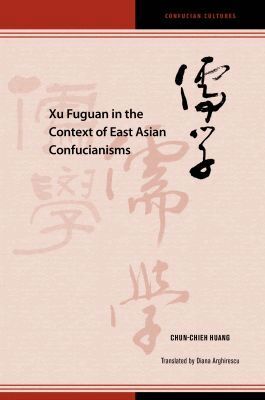
Xu Fuguan in the Context of East Asian Confucianisms
Inbunden, 2019
774 kr
Tillfälligt slut
Among twentieth-century Confucians, Xu Fuguan (1904–1982) remains preeminent. This volume, written by Chun-chieh Huang, an authority on Xu’s life and thought, offers English-speaking readers for the first time an exhaustive analysis of the philosopher’s original ideas and research. A distinguished …
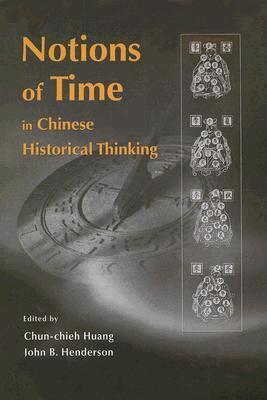
Notions of Time in Chinese Historical Thinking
Av Chun-chieh Huang, John B. Henderson
Inbunden, 2006
497 kr
Tillfälligt slut
Implicit in its title, this book aims at giving readers a better understanding of Chinese notions of time in the tradition of Chinese historical thinking. ""Time"" is a basic subject of humanistic enquiry and this book consists of nine essays, which have given in-depth studies to Chinese ways of …