Chunming Xu – författare
Visar alla böcker från författaren Chunming Xu. Handla med fri frakt och snabb leverans.
6 produkter
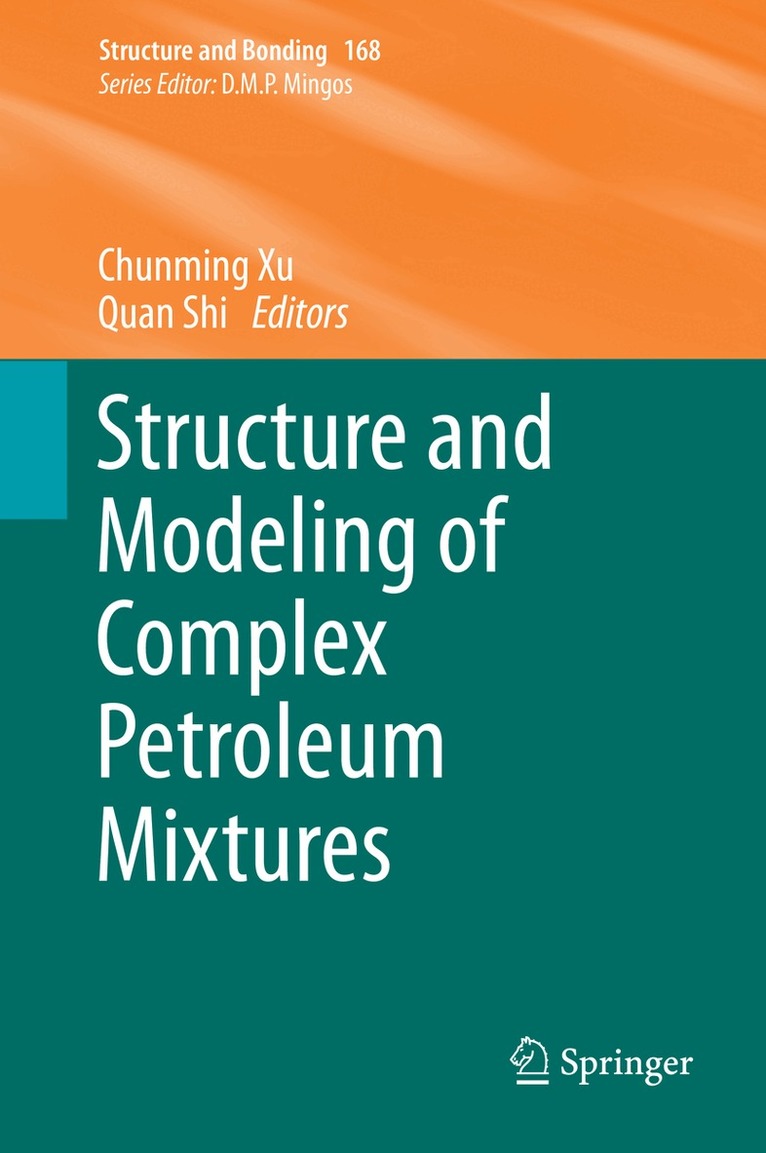
Structure and Modeling of Complex Petroleum Mixtures
Av Chunming Xu, Quan Shi
Inbunden, 2016
3269 kr
Lägg i varukorg
Chemical structure and bonding. The scope of the series spans the entire Periodic Table and addresses structure and bonding issues associated with all of the elements. It also focuses attention on new and developing areas of modern structural and theoretical chemistry such as nanostructures, …
Structure and Modeling of Complex Petroleum Mixtures
Av Quan Shi, Chunming Xu
E-bok, 2016
2860 kr
Lägg i varukorg
Chemical structure and bonding. The scope of the series spans the entire Periodic Table and addresses structure and bonding issues associated with all of the elements. It also focuses attention on new and developing areas of modern structural and theoretical chemistry such as nanostructures, …
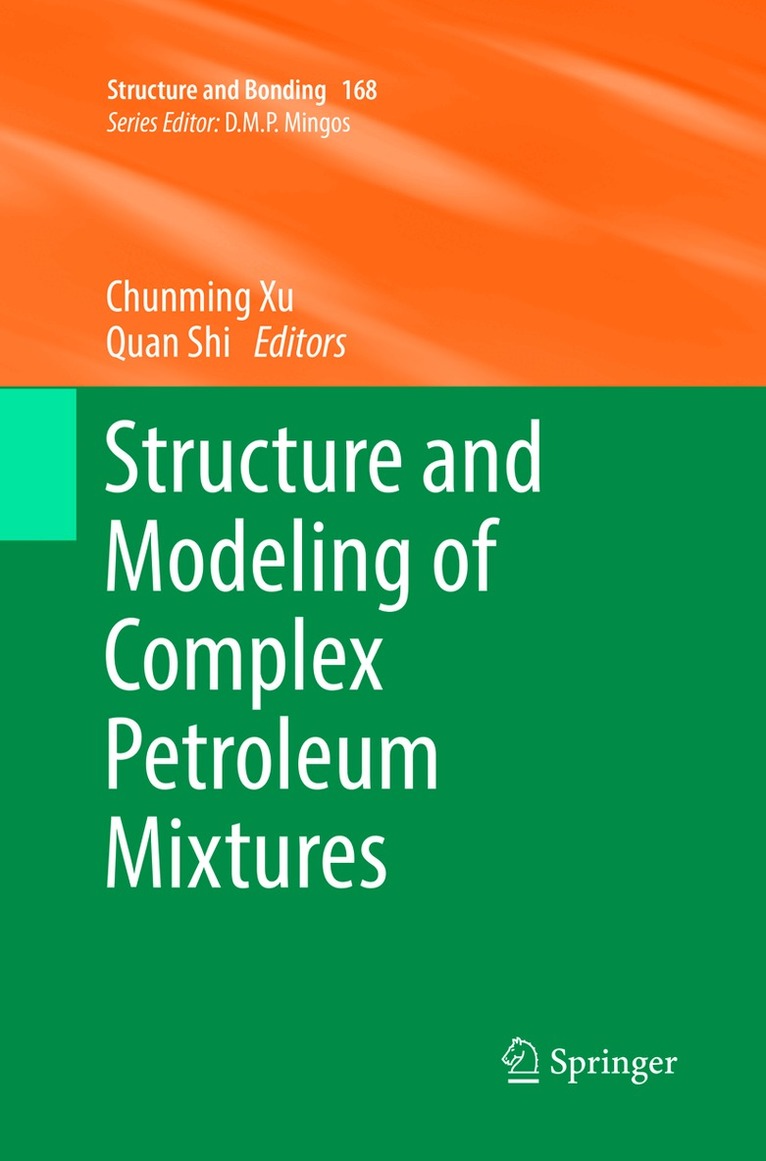
Structure and Modeling of Complex Petroleum Mixtures
Av Chunming Xu, Quan Shi
Häftad, 2018
3269 kr
Lägg i varukorg
Chemical structure and bonding. The scope of the series spans the entire Periodic Table and addresses structure and bonding issues associated with all of the elements. It also focuses attention on new and developing areas of modern structural and theoretical chemistry such as nanostructures, …
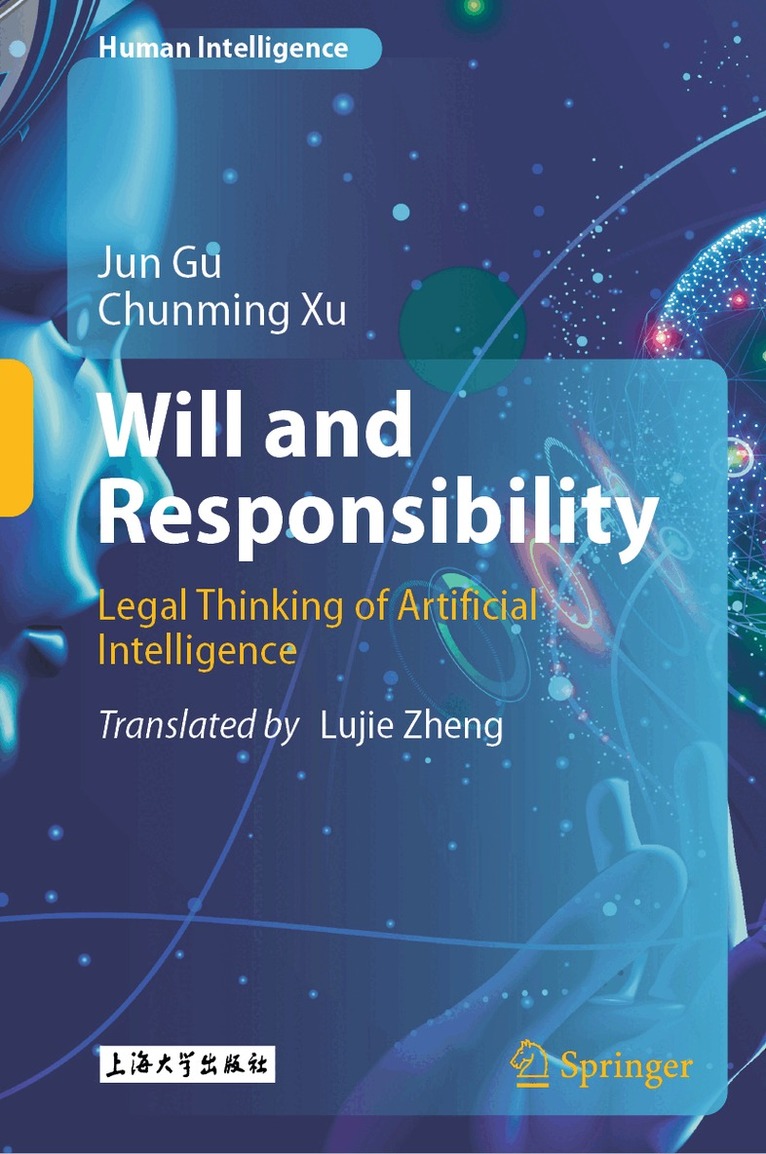
Will and Responsibility
Legal Thinking of Artificial Intelligence
Av Jun Gu, Chunming Xu
Inbunden, 2024
602 kr
Lägg i varukorg
This book explores the authors' legal thinking on artificial intelligence (AI), a topic of burgeoning interest in the technology sector and among the general public. As part of the Human Intelligence book series, it primarily addresses the legislative and philosophical challenges posed by AI …
Will and Responsibility
Legal Thinking of Artificial Intelligence
Av Chunming Xu, Jun Gu
E-bok, 2024
825 kr
Lägg i varukorg
This book explores the authors'' legal thinking on artificial intelligence (AI), a topic of burgeoning interest in the technology sector and among the general public. As part of the Human Intelligence book series, it primarily addresses the legislative and philosophical challenges posed by AI …
Will and Responsibility
Legal Thinking of Artificial Intelligence
Av Jun Gu, Chunming Xu
Häftad, 2025
465 kr
Lägg i varukorg
This book explores the authors' legal thinking on artificial intelligence (AI), a topic of burgeoning interest in the technology sector and among the general public. As part of the Human Intelligence book series, it primarily addresses the legislative and philosophical challenges posed by AI …