Inbunden, Engelska, 2021
997 kr
Skickas inom 5-8 vardagar
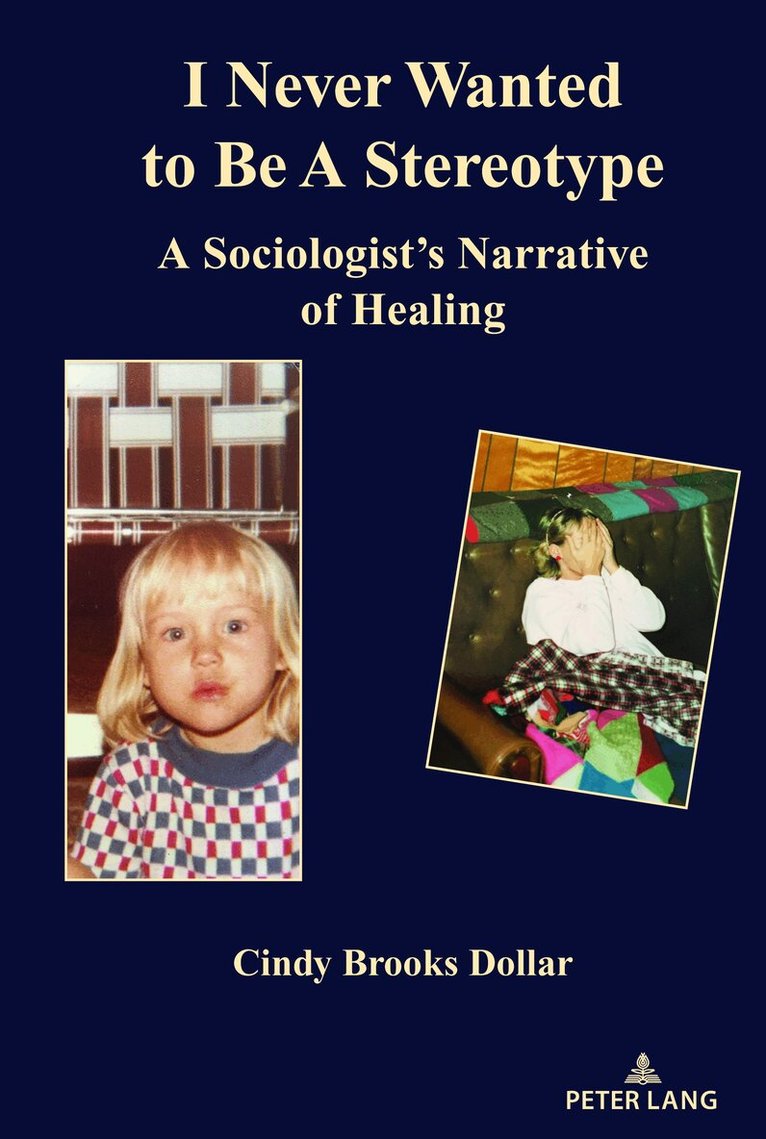
Trauma and its consequences are social phenomena. Coming from a working-class family and raised in a small, rural Southern area, this author's narrative offers a unique style of life history reporting whereby the author uses her academic standpoint to situate her life experiences in broader macro-social and cultural contexts. Weaving scholarship with personal narrative, the author highlights connections between self and social awareness, which is crucial, especially in a modern, Western context where the rhetoric of excessive individualism is prioritized. Discussing various issues, including objectification, violence, isolation, stigma, trauma, shame, integration, healing, peace, and love, she illustrates the application and significance of sociological knowledge to individual life. Many chapters include and conclude with excerpts from the author’s diary entries, which she has maintained for over 30 years. These provide a relatively unfiltered glimpse into her personal and social consciousness throughout various life stages, including adolescence, teens, young and middle adulthood. The book closes with a summary of existing research on trauma and recovery, which often promotes the use of body-based therapies. The author argues that these findings have important implications for sociology given the body’s symbolic socio-cultural status and how it is used to maintain existing inequalities and inequities, which (re)produce shared forms of trauma and differential access to recovery.