294 kr
Claire Hughes – författare
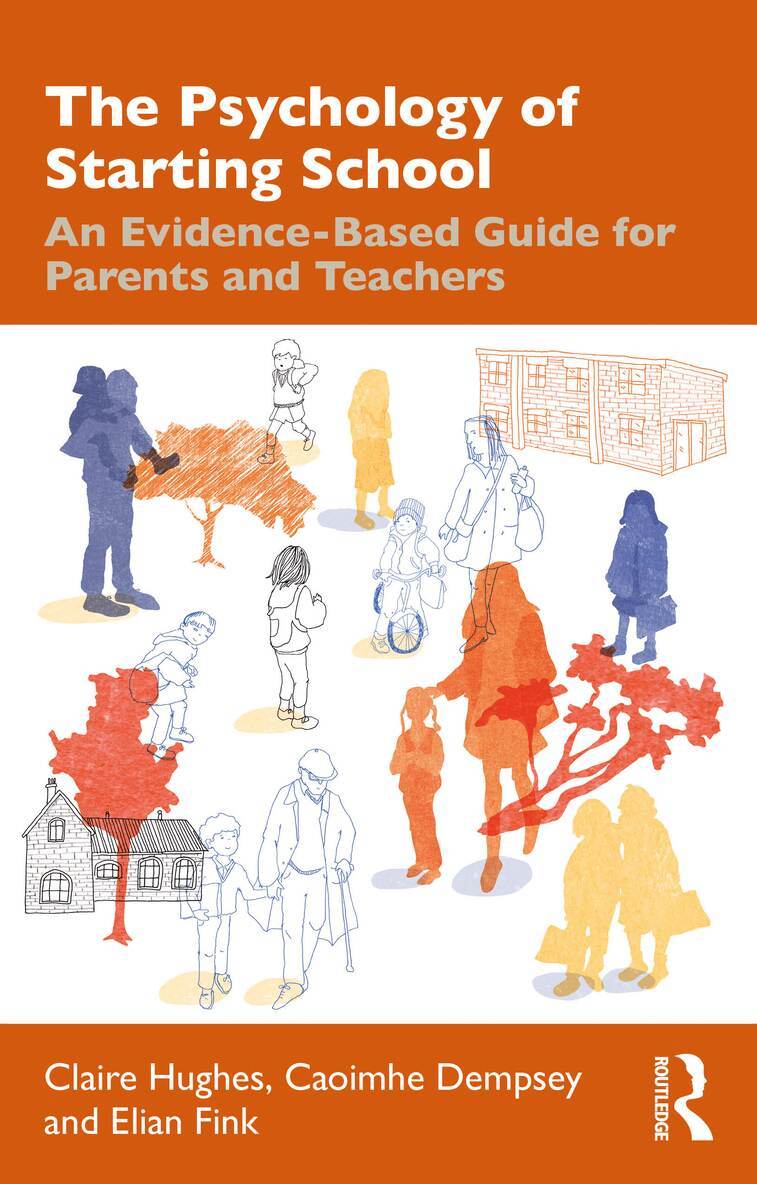
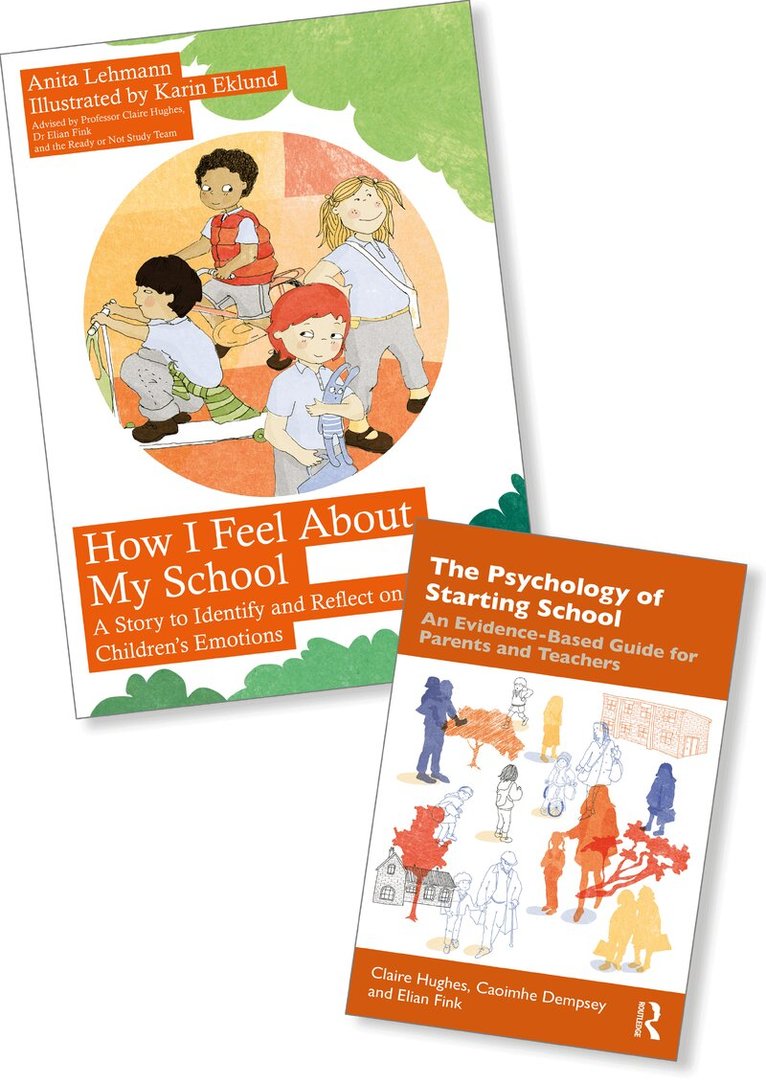
- Häftad, Engelska, 2024The Psychology of Starting School offers a highly accessible, practical guide to cutting-edge research from developmental science to guide parents and professionals through this exciting but sometimes tricky period.Written by expert developmental psychologists, it explores how social and emotional competence emerges within a network of supportive relationships and explains how the transition to school compares with other key transitions for children, for example, becoming a sibling. Addressing the all-important topic of children’s early friendships, it explains how children’s mindreading skills and ability to regulate their feelings and behaviour contribute to a successful school transition. The book offers guidance on topics such as successful home-school links, the impact of starting school on family life and troubleshooting problems for both parents and educators including socialising outside school, children’s fatigue, and establishing positive relationships with other parents at the school gates.Designed to dip in and out, and complete with numerous examples, chapter summaries and top tips for parents and teachers, this book is essential reading for parents, Early Years professionals, SENDCos, health visitors and school nurses, as well as mental health professionals and social workers working with children and families.
- Häftad, Engelska, 2023
434 kr
Skickas inom 5-8 vardagar
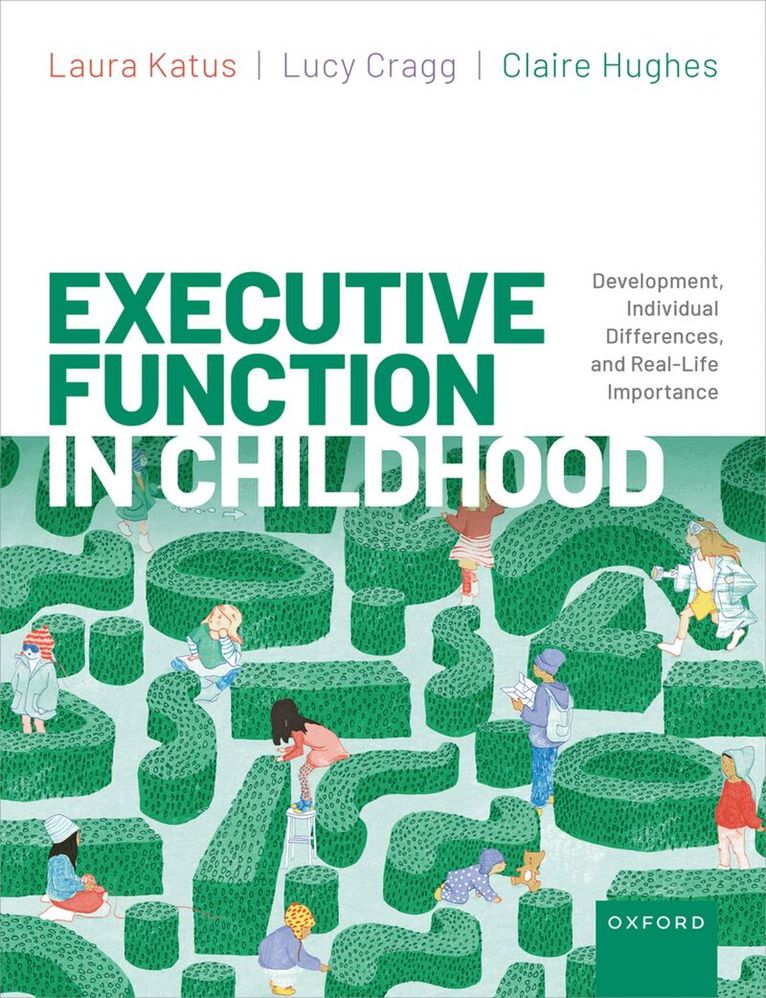
Executive Function in Childhood: Development, Individual Differences, and Real-Life Importance examines executive function during infancy and early childhood through the lenses of developmental psychology, neuropsychology, and educational psychology.Co-authored by three experts in the field, this concise book is aimed at early undergraduate students and, as well as providing an up-to-date overview of executive function, illustrates a range of core concepts around psychological assessment of infants and children, including neuroimaging. The text is accessible for students with limited prior knowledge, and will enable them to acquire more in-depth understanding from literature in the field. - Inbunden, Engelska, 2024
2 365 kr
Skickas inom 10-15 vardagar
The Psychology of Starting School offers a highly accessible, practical guide to cutting-edge research from developmental science to guide parents and professionals through this exciting but sometimes tricky period.Written by expert developmental psychologists, it explores how social and emotional competence emerges within a network of supportive relationships and explains how the transition to school compares with other key transitions for children, for example, becoming a sibling. Addressing the all-important topic of children’s early friendships, it explains how children’s mindreading skills and ability to regulate their feelings and behaviour contribute to a successful school transition. The book offers guidance on topics such as successful home-school links, the impact of starting school on family life and troubleshooting problems for both parents and educators including socialising outside school, children’s fatigue, and establishing positive relationships with other parents at the school gates.Designed to dip in and out, and complete with numerous examples, chapter summaries and top tips for parents and teachers, this book is essential reading for parents, Early Years professionals, SENDCos, health visitors and school nurses, as well as mental health professionals and social workers working with children and families. - E-bokPDF, Engelska, 2024
277 kr
Läs direkt efter köp
The Psychology of Starting School offers a highly accessible, practical guide to cutting-edge research from developmental science to guide parents and professionals through this exciting but sometimes tricky period.
Written by expert developmental psychologists, it explores how social and emotional competence emerges within a network of supportive relationships and explains how the transition to school compares with other key transitions for children, for example, becoming a sibling. Addressing the all-important topic of children’s early friendships, it explains how children’s mindreading skills and ability to regulate their feelings and behaviour contribute to a successful school transition. The book offers guidance on topics such as successful home-school links, the impact of starting school on family life and troubleshooting problems for both parents and educators including socialising outside school, children’s fatigue, and establishing positive relationships with other parents at the school gates.
Designed to dip in and out, and complete with numerous examples, chapter summaries and top tips for parents and teachers, this book is essential reading for parents, Early Years professionals, SENDCos, health visitors and school nurses, as well as mental health professionals and social workers working with children and families.
277 kr
Läs direkt efter köp
The Psychology of Starting School offers a highly accessible, practical guide to cutting-edge research from developmental science to guide parents and professionals through this exciting but sometimes tricky period.
Written by expert developmental psychologists, it explores how social and emotional competence emerges within a network of supportive relationships and explains how the transition to school compares with other key transitions for children, for example, becoming a sibling. Addressing the all-important topic of children’s early friendships, it explains how children’s mindreading skills and ability to regulate their feelings and behaviour contribute to a successful school transition. The book offers guidance on topics such as successful home-school links, the impact of starting school on family life and troubleshooting problems for both parents and educators including socialising outside school, children’s fatigue, and establishing positive relationships with other parents at the school gates.
Designed to dip in and out, and complete with numerous examples, chapter summaries and top tips for parents and teachers, this book is essential reading for parents, Early Years professionals, SENDCos, health visitors and school nurses, as well as mental health professionals and social workers working with children and families.
- E-bokEngelska, 2011
831 kr
Läs direkt efter köp
Winner of the British Psychological Society Book Award (Academic Monograph category) 2013!
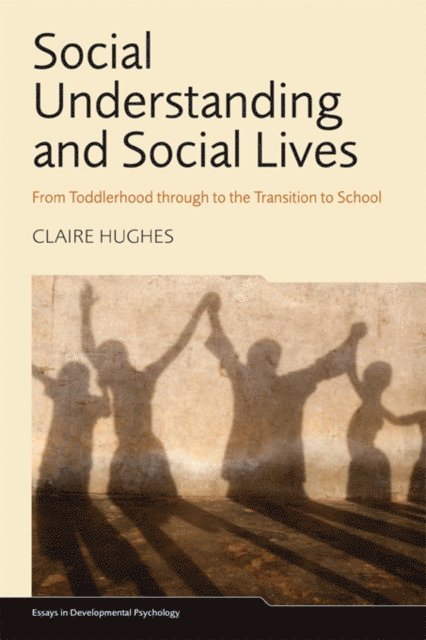
Over the past thirty years, researchers have documented a remarkable growth in children’s social understanding between toddlerhood and the early school years. However, it is still unclear why some children’s awareness of others'' thoughts and feelings lags so far behind that of their peers. Based on research that spans an extended developmental period, this book examines this question from both social and cognitive perspectives, and investigates the real-life significance of individual differences in theory of mind.
After tracing the key age-related changes in the development of theory of mind, this book examines individual differences in relation to children’s cognitive abilities and their social experiences. Why might language or executive function matter for children’s social understanding? And how do children’s linguistic environments and relationships with parents and siblings contribute to their ability to reflect on people’s thoughts and feelings?
The book also reviews the evidence for predictive links between early social understanding and later social behaviour. Using information gathered from classmates, teachers and the children themselves, the author investigates links between individual differences in early social understanding and in the quality of children’s interactions with friends, in their ability to resolve conflict, and in diverse aspects of school adjustment.
Drawing on rich observational data gathered in this extended longitudinal study, as well as skills acquired during her early experimental studies of children with autism and a six year collaboration with Professor Judy Dunn, the author integrates both cognitive and social accounts of theory of mind. The book is ideal reading for researchers actively working in the field, graduate and undergraduate students specializing in developmental psychology, educational and health professionals, and parents interested in learning about children’s early social development.
- E-bokPDF, Engelska, 2011
833 kr
Läs direkt efter köp
Winner of the British Psychological Society Book Award (Academic Monograph category) 2013!
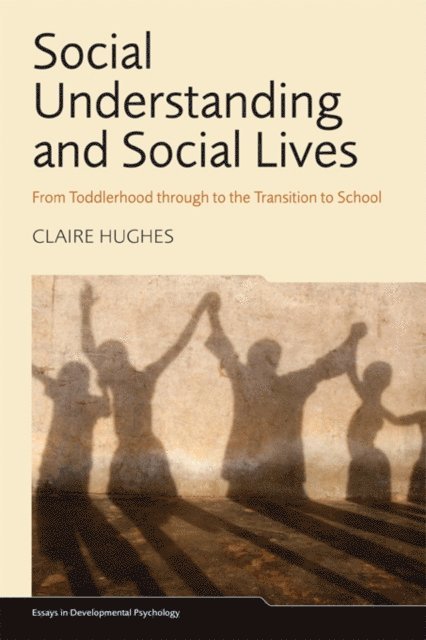
Over the past thirty years, researchers have documented a remarkable growth in children’s social understanding between toddlerhood and the early school years. However, it is still unclear why some children’s awareness of others'' thoughts and feelings lags so far behind that of their peers. Based on research that spans an extended developmental period, this book examines this question from both social and cognitive perspectives, and investigates the real-life significance of individual differences in theory of mind.
After tracing the key age-related changes in the development of theory of mind, this book examines individual differences in relation to children’s cognitive abilities and their social experiences. Why might language or executive function matter for children’s social understanding? And how do children’s linguistic environments and relationships with parents and siblings contribute to their ability to reflect on people’s thoughts and feelings?
The book also reviews the evidence for predictive links between early social understanding and later social behaviour. Using information gathered from classmates, teachers and the children themselves, the author investigates links between individual differences in early social understanding and in the quality of children’s interactions with friends, in their ability to resolve conflict, and in diverse aspects of school adjustment.
Drawing on rich observational data gathered in this extended longitudinal study, as well as skills acquired during her early experimental studies of children with autism and a six year collaboration with Professor Judy Dunn, the author integrates both cognitive and social accounts of theory of mind. The book is ideal reading for researchers actively working in the field, graduate and undergraduate students specializing in developmental psychology, educational and health professionals, and parents interested in learning about children’s early social development.
- Inbunden, Engelska, 2017
2 352 kr
Skickas inom 10-15 vardagar
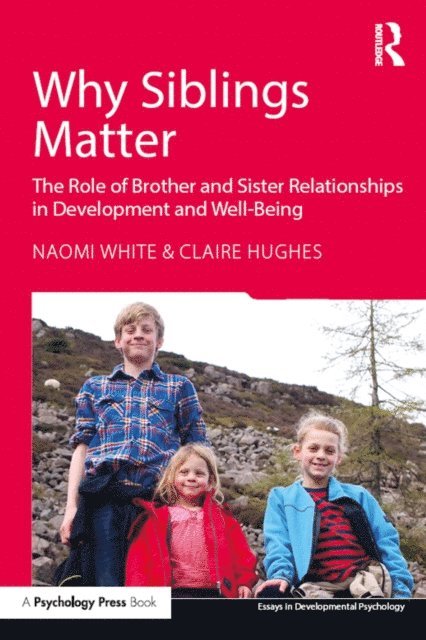
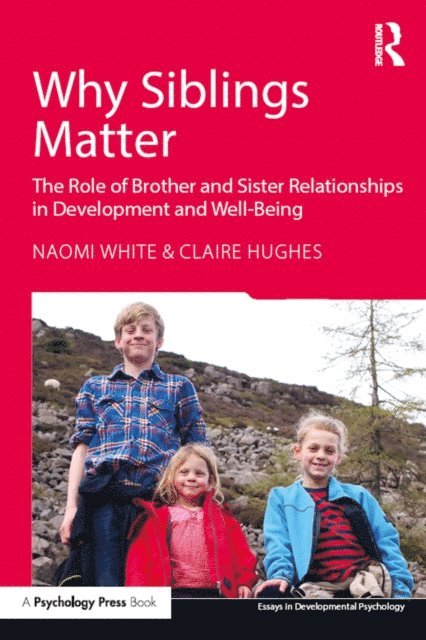
Many people grow up with at least one sibling. These siblings are often ‘fellow travellers’ through adversity or significant life events; they can act as a source of support for some children while a source of conflict for others. For these reasons, siblings are a potentially powerful influence on development and this book is one of the first of its kind to provide an overview of cutting-edge psychological research on this important relationship. Why Siblings Matter is a cornerstone text on siblinghood. Integrating findings from a 10 year longitudinal study alongside wider research, it provides a lifespan perspective examining the impact of sibling relationships on children’s development and well-being. This text situates siblings in their historical, developmental and family context, considers the influence of siblings on children’s development and adjustment, and provides an introduction to new research on siblings in diverse contexts. The authors discuss sibling relationships in varied populations such as siblings with disabilities, siblings in different cultures and siblings in non-traditional families, while also considering the practical implications of research.Covering both classical studies and new results this book offers take-home messages for promoting positive sibling interactions. It will be invaluable reading for students and researchers in developmental psychology and family studies and professionals in education, health and social work. - Häftad, Engelska, 2017
689 kr
Skickas inom 10-15 vardagar
Many people grow up with at least one sibling. These siblings are often ‘fellow travellers’ through adversity or significant life events; they can act as a source of support for some children while a source of conflict for others. For these reasons, siblings are a potentially powerful influence on development and this book is one of the first of its kind to provide an overview of cutting-edge psychological research on this important relationship. Why Siblings Matter is a cornerstone text on siblinghood. Integrating findings from a 10 year longitudinal study alongside wider research, it provides a lifespan perspective examining the impact of sibling relationships on children’s development and well-being. This text situates siblings in their historical, developmental and family context, considers the influence of siblings on children’s development and adjustment, and provides an introduction to new research on siblings in diverse contexts. The authors discuss sibling relationships in varied populations such as siblings with disabilities, siblings in different cultures and siblings in non-traditional families, while also considering the practical implications of research.Covering both classical studies and new results this book offers take-home messages for promoting positive sibling interactions. It will be invaluable reading for students and researchers in developmental psychology and family studies and professionals in education, health and social work. - E-bokEngelska, 2017
815 kr
Läs direkt efter köp
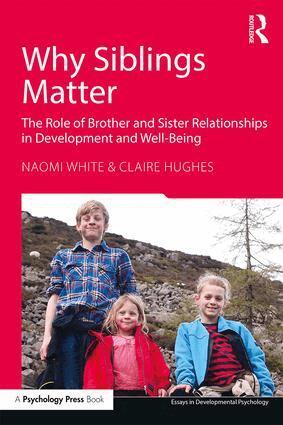
Many people grow up with at least one sibling. These siblings are often ‘fellow travellers’ through adversity or significant life events; they can act as a source of support for some children while a source of conflict for others. For these reasons, siblings are a potentially powerful influence on development and this book is one of the first of its kind to provide an overview of cutting-edge psychological research on this important relationship.
Why Siblings Matter is a cornerstone text on siblinghood. Integrating findings from a 10 year longitudinal study alongside wider research, it provides a lifespan perspective examining the impact of sibling relationships on children’s development and well-being. This text situates siblings in their historical, developmental and family context, considers the influence of siblings on children’s development and adjustment, and provides an introduction to new research on siblings in diverse contexts. The authors discuss sibling relationships in varied populations such as siblings with disabilities, siblings in different cultures and siblings in non-traditional families, while also considering the practical implications of research.
Covering both classical studies and new results this book offers take-home messages for promoting positive sibling interactions. It will be invaluable reading for students and researchers in developmental psychology and family studies and professionals in education, health and social work.
- E-bokPDF, Engelska, 2017
815 kr
Läs direkt efter köp
Many people grow up with at least one sibling. These siblings are often ‘fellow travellers’ through adversity or significant life events; they can act as a source of support for some children while a source of conflict for others. For these reasons, siblings are a potentially powerful influence on development and this book is one of the first of its kind to provide an overview of cutting-edge psychological research on this important relationship.
Why Siblings Matter is a cornerstone text on siblinghood. Integrating findings from a 10 year longitudinal study alongside wider research, it provides a lifespan perspective examining the impact of sibling relationships on children’s development and well-being. This text situates siblings in their historical, developmental and family context, considers the influence of siblings on children’s development and adjustment, and provides an introduction to new research on siblings in diverse contexts. The authors discuss sibling relationships in varied populations such as siblings with disabilities, siblings in different cultures and siblings in non-traditional families, while also considering the practical implications of research.
Covering both classical studies and new results this book offers take-home messages for promoting positive sibling interactions. It will be invaluable reading for students and researchers in developmental psychology and family studies and professionals in education, health and social work.
- Häftad, Engelska, 2014
153 kr
Skickas inom 5-8 vardagar
Everyone can be an entrepreneur! You no longer need a fat savings account, rich benefactor or angel investor to start a business by doing what you love. Thanks to the internet, it's never been easier to make money by sharing your passion with the world. But all the options can seem confusing and overwhelming, particularly if you're not a technical whizz or have never had a business before. Should you sell on a website like Etsy or eBay, or have your own online shop? What laws and regulations do you need to know about? How do you make sure people can actually find your shop?This book walks aspiring creative business owners right through the process of deciding what to sell, developing a brand, choosing the right platform and getting an online shop live in six weeks or less - without a computer engineering degree or spending hundreds of pounds. It's a step-by-step guide that combines practical information, worksheets and checklists with the gentle encouragement and support so often needed by creative entrepreneurs.A directory of online marketplaces and online shop solutions will help you to decide the best options for you to sell online, while case studies and real life stories from successful online shop owners prove that you can be successful too!This book isn't going to tell you how to quit the day job overnight or earn millions in your first year. It's a practical, step-by-step guide to get you from IDEA to ACTION... in rapid time. By the time you finish this book, you will have an online shop up and running, and be ready to take orders from customers around the world. - E-bokEngelska, 2014
228 kr
Läs direkt efter köp
How to turn a hobby into a home-based business—and successfully market what you make via the internet. With the help of this step-by-step business start-up guide, you can get your own online enterprise up and running in six weeks or less. Featuring a combination of highly practical advice and warm encouragement, the book provides worksheets, checklists, and step-by-step instructions. You will learn:· The process of deciding what to sell· How to develop a brand· How to choose the right platform· How to get your online shop live and ready to take orders from customers around the world The directory of online marketplaces and online shop solutions will help you decide which are the best options for you, while the case studies and real-life stories from successful online shop owners offer both insight and inspiration. This guide will help not only crafters and handmade sellers but anyone with a home-based business such as vintage finds, designer prints, customized T-shirts, wedding stationery, upcycled jewelry, patterns, ebooks, and more! - Inbunden, Engelska, 2011
2 352 kr
Skickas inom 10-15 vardagar
Winner of the British Psychological Society Book Award (Academic Monograph category) 2013!Over the past thirty years, researchers have documented a remarkable growth in children’s social understanding between toddlerhood and the early school years. However, it is still unclear why some children’s awareness of others' thoughts and feelings lags so far behind that of their peers. Based on research that spans an extended developmental period, this book examines this question from both social and cognitive perspectives, and investigates the real-life significance of individual differences in theory of mind. After tracing the key age-related changes in the development of theory of mind, this book examines individual differences in relation to children’s cognitive abilities and their social experiences. Why might language or executive function matter for children’s social understanding? And how do children’s linguistic environments and relationships with parents and siblings contribute to their ability to reflect on people’s thoughts and feelings?The book also reviews the evidence for predictive links between early social understanding and later social behaviour. Using information gathered from classmates, teachers and the children themselves, the author investigates links between individual differences in early social understanding and in the quality of children’s interactions with friends, in their ability to resolve conflict, and in diverse aspects of school adjustment.Drawing on rich observational data gathered in this extended longitudinal study, as well as skills acquired during her early experimental studies of children with autism and a six year collaboration with Professor Judy Dunn, the author integrates both cognitive and social accounts of theory of mind. The book is ideal reading for researchers actively working in the field, graduate and undergraduate students specializing in developmental psychology, educational and health professionals, and parents interested in learning about children’s early social development. - Häftad, Engelska, 2014
702 kr
Skickas inom 10-15 vardagar
Winner of the British Psychological Society Book Award (Academic Monograph category) 2013!Over the past thirty years, researchers have documented a remarkable growth in children’s social understanding between toddlerhood and the early school years. However, it is still unclear why some children’s awareness of others' thoughts and feelings lags so far behind that of their peers. Based on research that spans an extended developmental period, this book examines this question from both social and cognitive perspectives, and investigates the real-life significance of individual differences in theory of mind. After tracing the key age-related changes in the development of theory of mind, this book examines individual differences in relation to children’s cognitive abilities and their social experiences. Why might language or executive function matter for children’s social understanding? And how do children’s linguistic environments and relationships with parents and siblings contribute to their ability to reflect on people’s thoughts and feelings?The book also reviews the evidence for predictive links between early social understanding and later social behaviour. Using information gathered from classmates, teachers and the children themselves, the author investigates links between individual differences in early social understanding and in the quality of children’s interactions with friends, in their ability to resolve conflict, and in diverse aspects of school adjustment.Drawing on rich observational data gathered in this extended longitudinal study, as well as skills acquired during her early experimental studies of children with autism and a six year collaboration with Professor Judy Dunn, the author integrates both cognitive and social accounts of theory of mind. The book is ideal reading for researchers actively working in the field, graduate and undergraduate students specializing in developmental psychology, educational and health professionals, and parents interested in learning about children’s early social development.