Claire Stocks - Böcker
Visar alla böcker från författaren Claire Stocks. Handla med fri frakt och snabb leverans.
3 produkter
3 produkter
1 956 kr
Skickas inom 5-8 vardagar
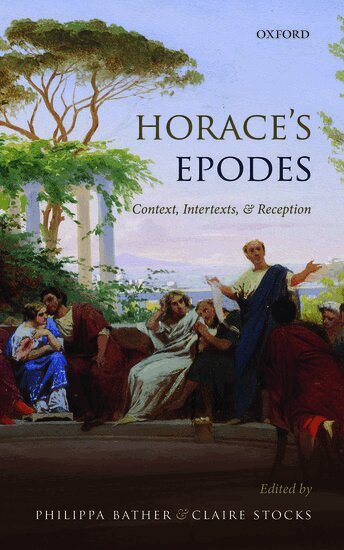
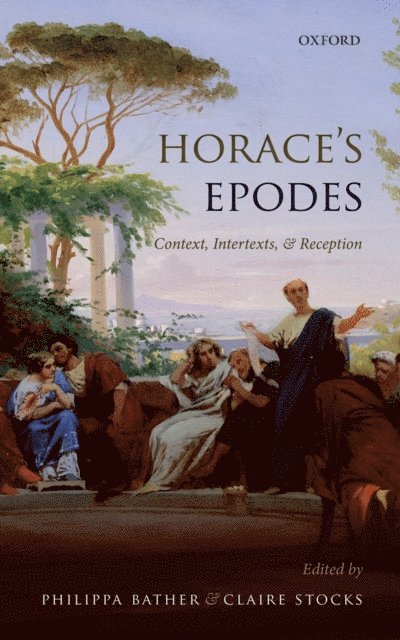
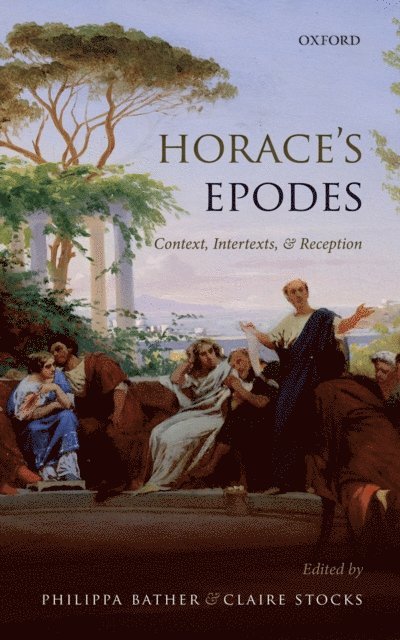
Horace's Epodes rank among the most under-valued texts of the early Roman principate. Abrasive in style and riddled with apparent inconsistencies, the Epodes have divided critics from the outset, infuriating and delighting them in equal measure. This collection of essays on the Epodes by new and established scholars seeks to overturn this work's ill-famed reputation and to reassert its place as a valid and valued member of Horace's literary corpus. Building upon a recent surge in scholarly interest in the Epodes, the volume goes one step further by looking beyond the collection itself to highlight the importance of intertext, context, and reception. Covering a wide range of topics including the iambic tradition and aspects of gender, it begins with a consideration of the influences of Greek iambic upon the Epodes and ends with a discussion on their reception during the seventeenth century and beyond. By focusing on the connections that can be drawn between the Epodes and other (ancient) works, as well as between the Epodes themselves, the volume will appeal to new and seasoned readers of the poems. In doing so it demonstrates that this smallest, and seemingly most insignificant, of Horace's works is worthy of a place alongside the much-lauded Satires and Odes.
727 kr
Skickas inom 7-10 vardagar
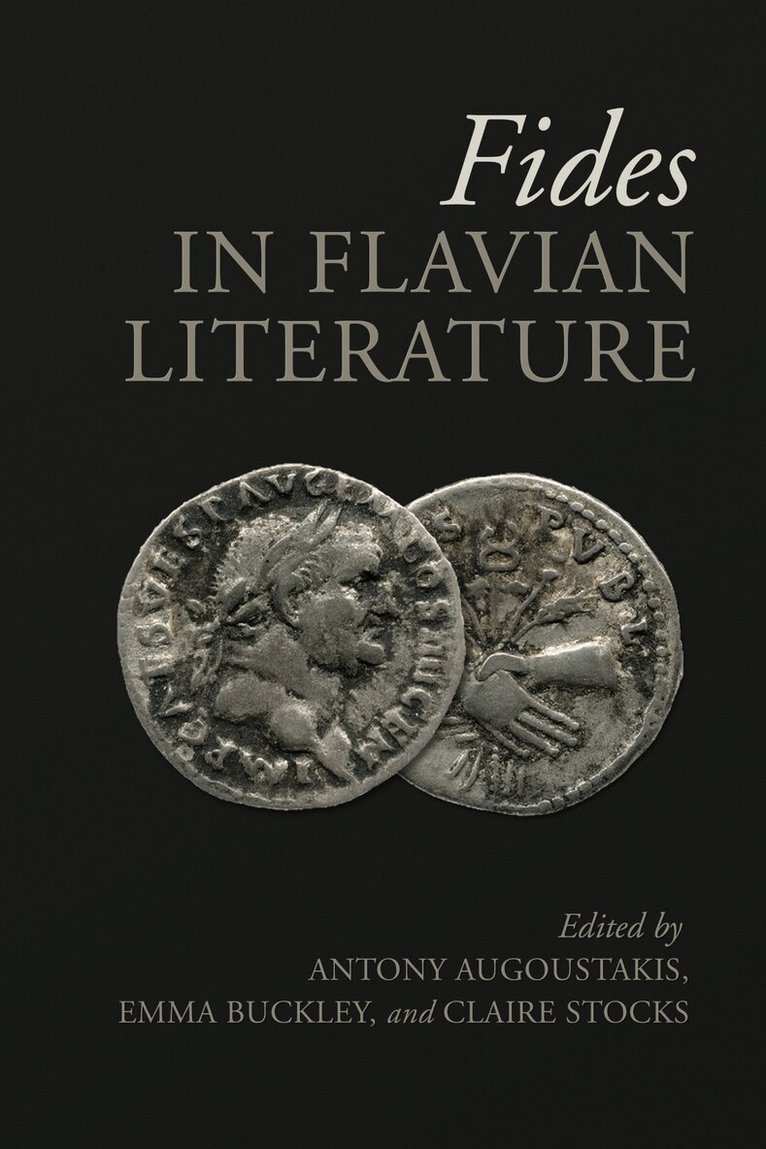
Fides in Flavian Literature explores the ideology of "good faith" (fides) during the time of the emperors Vespasian, Titus, and Domitian (69–96 CE), the new imperial dynasty that gained power in the wake of the civil wars of the period. The contributors to this volume consider the significance and semantic range of this Roman value in works that deal in myth, contemporary poetry, and history in both prose and verse. Though it does not claim to offer the comprehensive "last word" on fides in Flavian Rome, the book aims to show that fides in this period was subjected to a particularly striking and special brand of contestation and reconceptualization, used to interrogate the broad cultural changes and anxieties of the Flavian period as well as connect to a republican and imperial past. The editors argue that fides was both a vehicle for reconciliation and a means to test the nature of "good faith" in the wake of a devastating and divisive period in Roman history.
1 920 kr
Skickas inom 7-10 vardagar
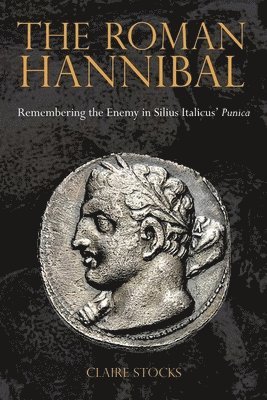
Silius Italicus’ Punica, the longest surviving epic in Latin literature, has seen a resurgence of interest among scholars in recent years. A celebration of Rome’s triumph over Hannibal and Carthage during the second Punic war, Silius’ poem presents a plethora of familiar names to its readers: Fabius Maximus, Claudius Marcellus, Scipio Africanus and, of course, Rome’s ‘ultimate enemy’ – Hannibal.Where most recent scholarship on the Punica has focused its attention of the problematic portrayal of Scipio Africanus as a hero for Rome, this book shifts the focus to Carthage and offers a new reading of Hannibal’s place in Silius’ epic, and in Rome’s literary culture at large. Celebrated and demonised in equal measure, Hannibal became something of an anti-hero for Rome; a man who acquired mythic status, and was condemned by Rome’s authors for his supposed greed and cruelty, yet admired for his military acumen.For the first time this book provides a comprehensive overview of this multi-faceted Hannibal as he appears in the Punica and suggests that Silius’ portrayal of him can be read as the culmination to Rome’s centuries-long engagement with the Carthaginian in its literature. Through detailed consideration of internal focalisation, Silius’ Hannibal is revealed to be a man striving to create an eternal legacy, becoming the Hannibal whom a Roman, and a modern reader, would recognise. The works of Polybius, Livy, Virgil, and the post Virgilian epicists all have a bit-part in this book, which aims to show that Silius Italicus’ Punica is as much an example of how Rome remembered its past, as it is a text striving to join Rome’s epic canon.