Clara Rübner Jørgensen – författare
Visar alla böcker från författaren Clara Rübner Jørgensen. Handla med fri frakt och snabb leverans.
4 produkter
4 produkter
561 kr
Skickas inom 10-15 vardagar
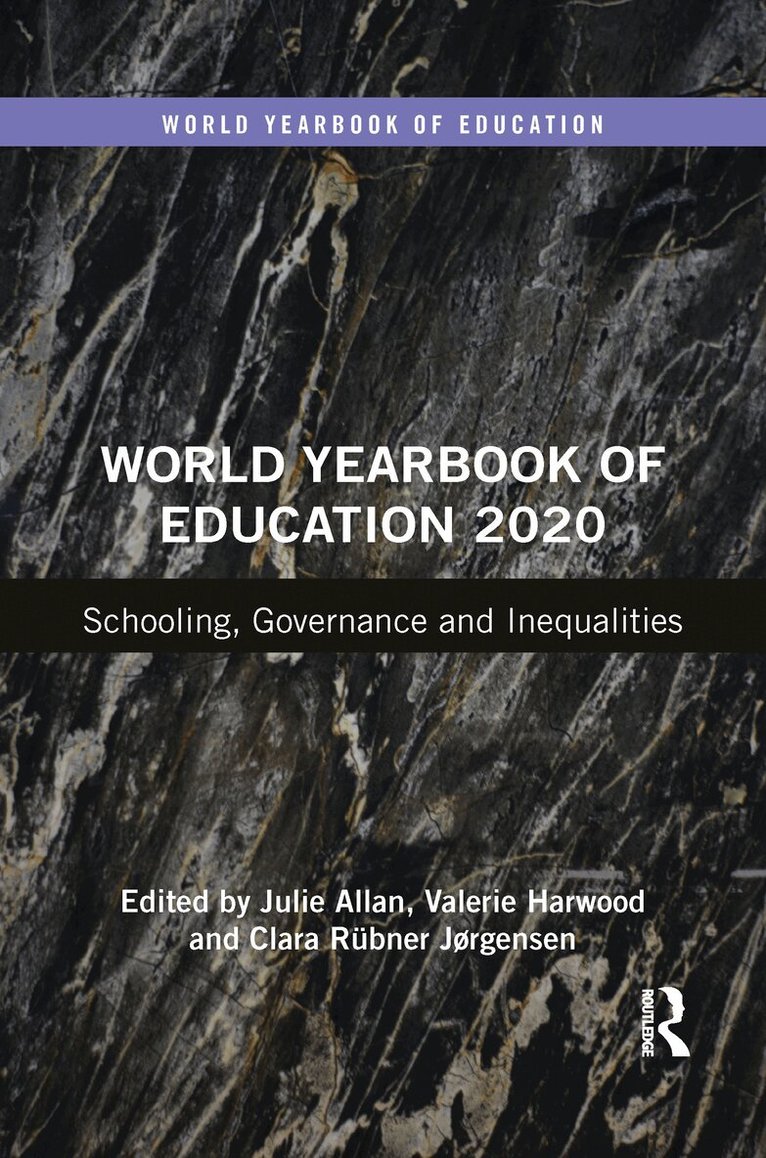
A timely contribution to the debate on educational governance and equality, the World Yearbook of Education 2020 documents the significant changes that have occurred in the last 20 years reflecting a widespread shift from government to governance. Considering school context as well as specific school responses around the emergence of particular forms of governance, this book presents and contextualises a clear historical account of governance and accountability within schooling.Organised into three sections covering: Changing contexts of school governance; stakeholders and ‘responsibilisation’; and radical governance, carefully chosen contributors provide global insights from around the world. They consider educational outcomes and closing the inequality gap and they document radical forms of governance, at local level, which have sought to create more equitable governance, intelligent accountability and greater involvement of key stakeholders such as students. Providing a series of provocations and reminders of the possibilities that remain open to us, the World Yearbook of Education 2020 will be of interest to academics, professionals and policymakers in education and school governance, and any scholars who engage in historical studies of education and debates about educational governance and equality.
2 053 kr
Skickas inom 10-15 vardagar
A timely contribution to the debate on educational governance and equality, the World Yearbook of Education 2020 documents the significant changes that have occurred in the last 20 years reflecting a widespread shift from government to governance. Considering school context as well as specific school responses around the emergence of particular forms of governance, this book presents and contextualises a clear historical account of governance and accountability within schooling.Organised into three sections covering: Changing contexts of school governance; stakeholders and ‘responsibilisation’; and radical governance, carefully chosen contributors provide global insights from around the world. They consider educational outcomes and closing the inequality gap and they document radical forms of governance, at local level, which have sought to create more equitable governance, intelligent accountability and greater involvement of key stakeholders such as students. Providing a series of provocations and reminders of the possibilities that remain open to us, the World Yearbook of Education 2020 will be of interest to academics, professionals and policymakers in education and school governance, and any scholars who engage in historical studies of education and debates about educational governance and equality.
1 254 kr
Skickas inom 5-8 vardagar
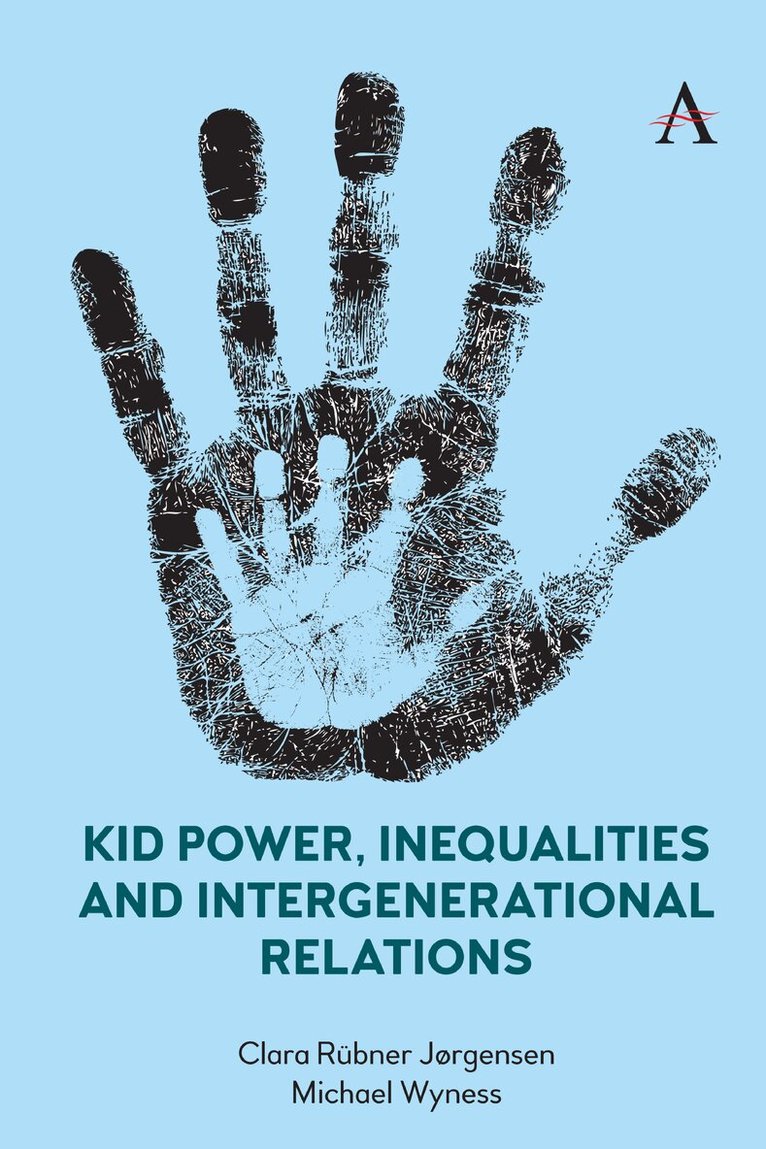
Contemporary understandings of inter-generational relations assume that the balance of power has shifted from adults towards children in recent years. The rise of children’s rights, the trend towards more child-centred pedagogies and practices within schools and the incorporation of children within a global free market as consumers have all been interpreted as the loss of adult power and the consequent growth of kid power. This book critically examines these ideas and reframes the zero-sum conceptions of power implicit within such assumptions. It draws on Lukes’ three dimensions of power and Foucault’s theory of power and knowledge in advancing the view that kid power is inter-generational, multi-dimensional and distributed variably across the child population. The book illustrates this theory through children’s political activism, their digital power and the varied roles they play within their families and communities. The book also offers a brief re-examination of kid power within the current context of Covid-19.
402 kr
Skickas inom 5-8 vardagar
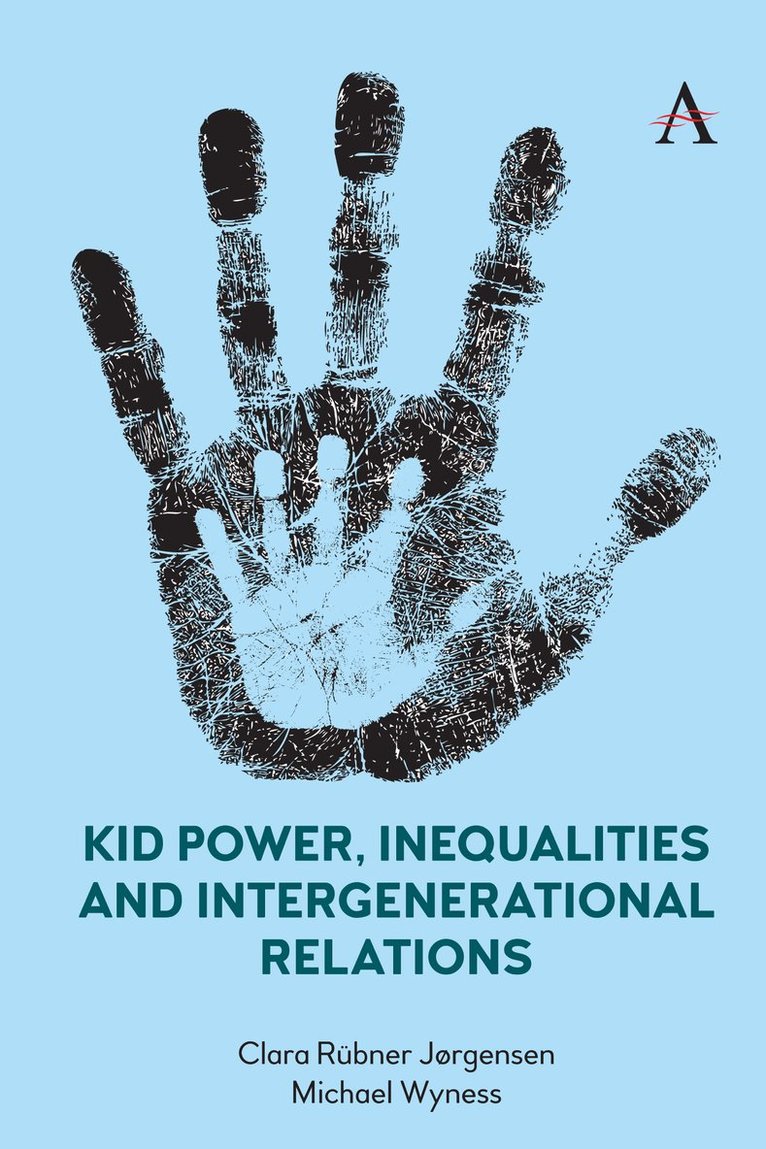
Contemporary understandings of inter-generational relations assume that the balance of power has shifted from adults towards children in recent years. The rise of children’s rights, the trend towards more child-centred pedagogies and practices within schools and the incorporation of children within a global free market as consumers have all been interpreted as the loss of adult power and the consequent growth of kid power. This book critically examines these ideas and reframes the zero-sum conceptions of power implicit within such assumptions. It draws on Lukes’ three dimensions of power and Foucault’s theory of power and knowledge in advancing the view that kid power is inter-generational, multi-dimensional and distributed variably across the child population. The book illustrates this theory through children’s political activism, their digital power and the varied roles they play within their families and communities. The book also offers a brief re-examination of kid power within the current context of Covid-19.