This book examines the relationship between architecture theory and the philosophy of mind.Today, the art of building has become increasingly dominated by concepts borrowed from science, but how do we interpret this influence when the causal reduction of thought and feeling to space-time physics has repeatedly failed? This collection of essayspart short fiction, part philosophical investigation, part architecture treatiseexplores the hard problem of consciousness and what happens in theory when two distinct yet closely related ontologies are called into question. By deconstructing the conceptual supports for material monism and substance dualism, Ghost City raises questions largely ignored by contemporary designersespecially those focused on the evolution of artificial intelligence. Through a series of technologically motivated critiques, the author argues vehemently that direct insight into the nature of mind can help create a more timeless and ecologically sound framework for design in an age of accelerating change.
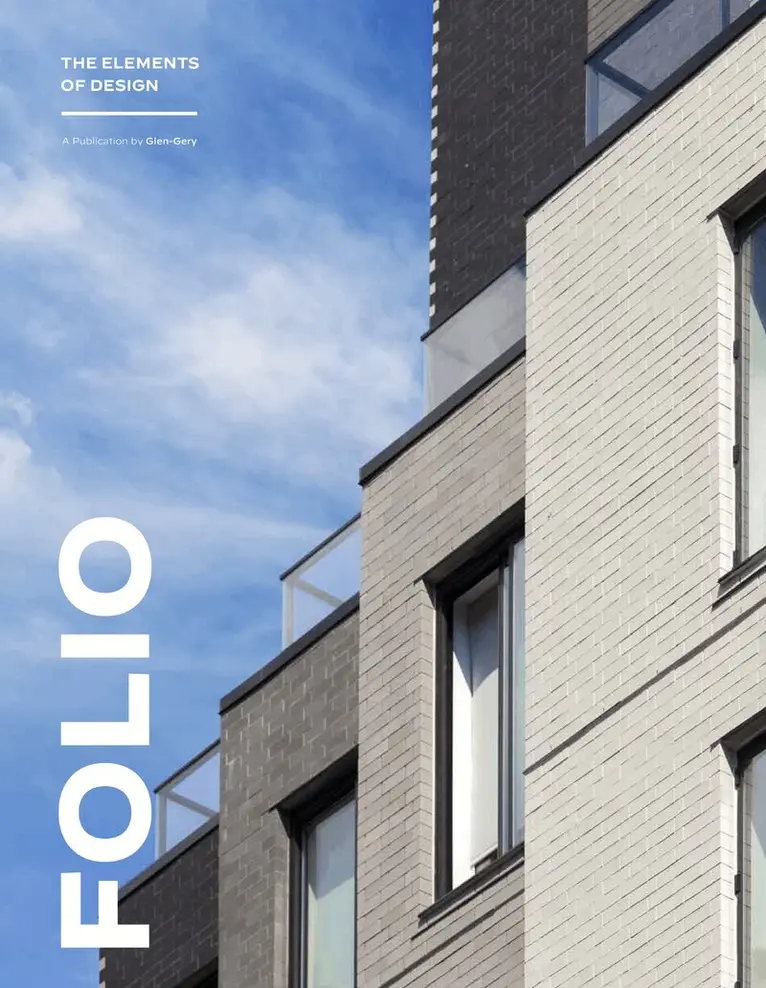
As a go-to material for buildings for thousands of years, brick has a sense of tradition. But it is also a popular choice for contemporary architects looking for strength, variety, and sustainability. Folio features the most exciting new brick buildings in America, from brickwork emulating computer code in Rochester, to contemporary brick forms nodding to historic neighbours in Louisville, to rounded bricks creating a sculptural facade in New York. The book features work by some of today's most inspiring design firms: nARCHITECTS, Michael Maltzan Architecture, ODA New York, Kennedy & Violich Architecture, Modus Studio, de Leon & Primmer Architecture Workshop, Bohlin Cywinski Jackson, Cunningham | Quill Architects, Studio B, and Morris Adjmi Architects. From a single-family house in Denver to a massive office complex in Los Angeles, each project tells a unique story of how brick can be the foundation of the most creative design.
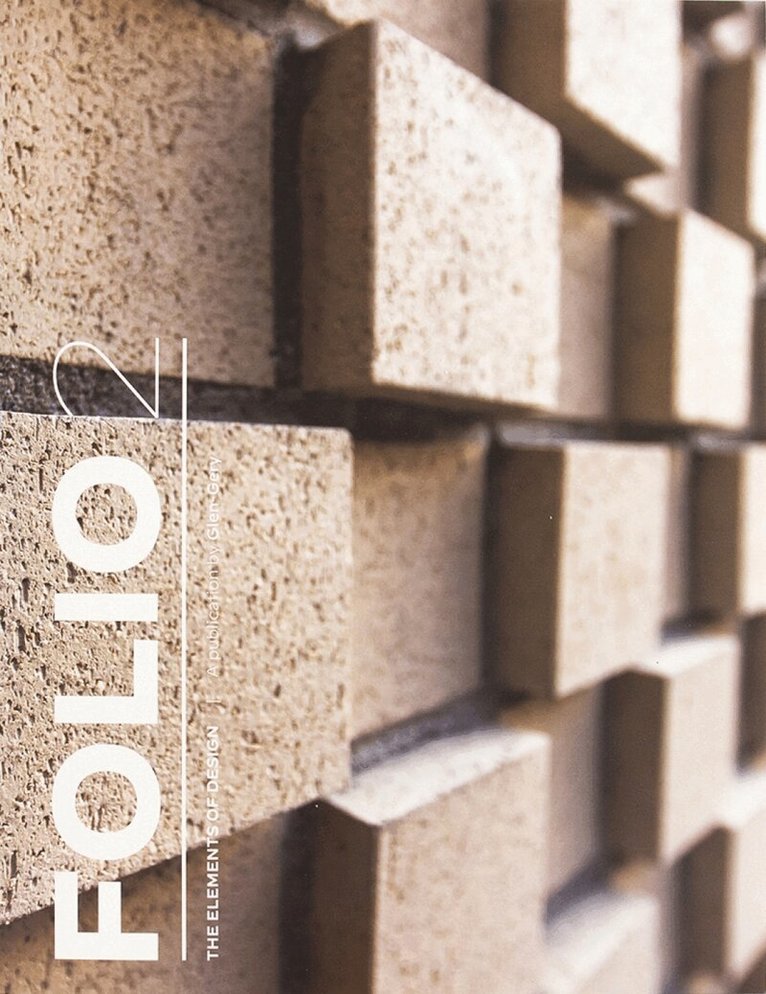
Following the popular first volume of Folio, Folio 2 features the most inspiring new brick buildings in North America and Australia. Here single-family homes, university buildings, cultural centres, showroom interiors, and more show the possibilities of brick.
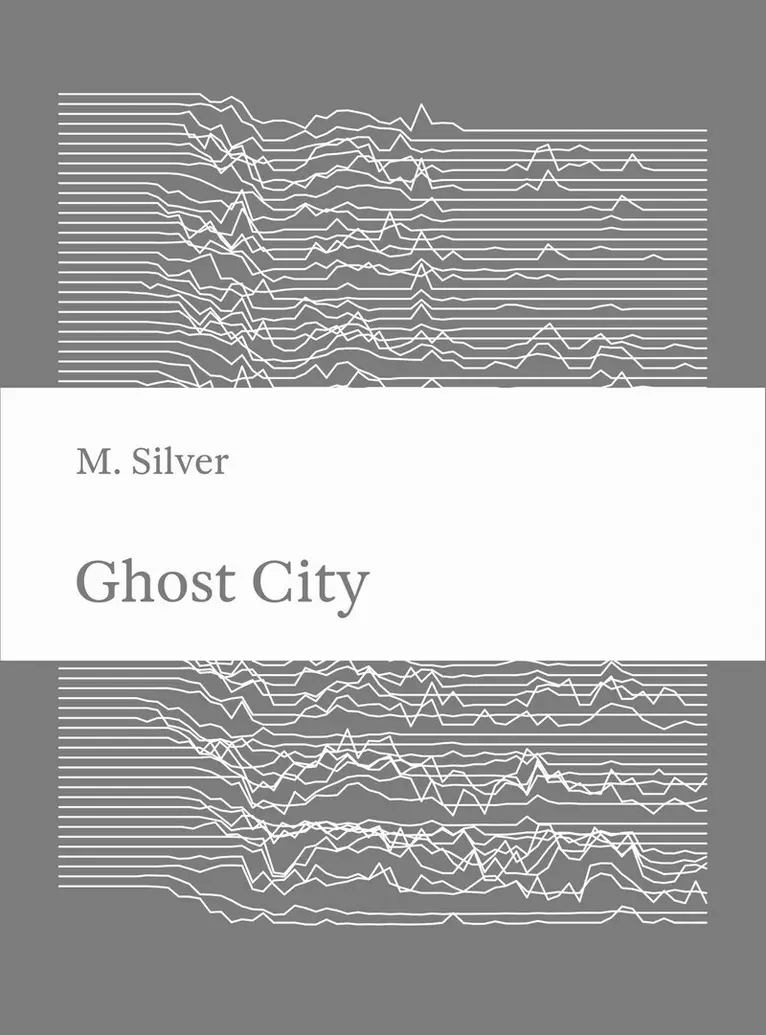
This book examines the relationship between architecture theory and the philosophy of mind.Today, the art of building has become increasingly dominated by concepts borrowed from science, but how do we interpret this influence when the causal reduction of thought and feeling to space-time physics has repeatedly failed? This collection of essayspart short fiction, part philosophical investigation, part architecture treatiseexplores the hard problem of consciousness and what happens in theory when two distinct yet closely related ontologies are called into question. By deconstructing the conceptual supports for material monism and substance dualism, Ghost City raises questions largely ignored by contemporary designersespecially those focused on the evolution of artificial intelligence. Through a series of technologically motivated critiques, the author argues vehemently that direct insight into the nature of mind can help create a more timeless and ecologically sound framework for design in an age of accelerating change.
As a go-to material for buildings for thousands of years, brick has a sense of tradition. But it is also a popular choice for contemporary architects looking for strength, variety, and sustainability. Folio features the most exciting new brick buildings in America, from brickwork emulating computer code in Rochester, to contemporary brick forms nodding to historic neighbours in Louisville, to rounded bricks creating a sculptural facade in New York. The book features work by some of today's most inspiring design firms: nARCHITECTS, Michael Maltzan Architecture, ODA New York, Kennedy & Violich Architecture, Modus Studio, de Leon & Primmer Architecture Workshop, Bohlin Cywinski Jackson, Cunningham | Quill Architects, Studio B, and Morris Adjmi Architects. From a single-family house in Denver to a massive office complex in Los Angeles, each project tells a unique story of how brick can be the foundation of the most creative design.
Following the popular first volume of Folio, Folio 2 features the most inspiring new brick buildings in North America and Australia. Here single-family homes, university buildings, cultural centres, showroom interiors, and more show the possibilities of brick.