Clarissa W. Ong - Böcker
Visar alla böcker från författaren Clarissa W. Ong. Handla med fri frakt och snabb leverans.
2 produkter
2 produkter
534 kr
Skickas inom 5-8 vardagar
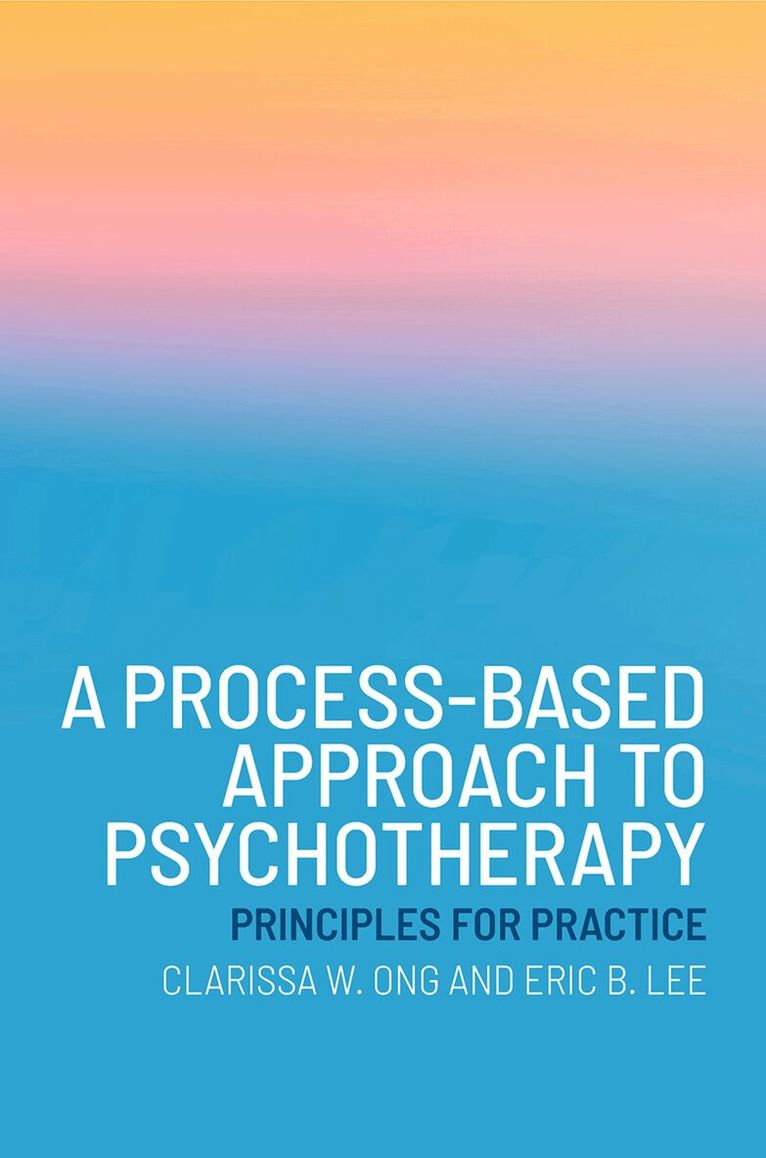
Process-based therapy (PBT) is an approach to psychological assessment and treatment centered on processes of change in particular people in their unique context. A flexible framework, the PBT model allows for any practitioner of evidence-based therapy like CBT or ACT to use PBT to conceptualize clients and inform treatment planning and decisions, while retaining their own orientation's language and techniques.A Process-Based Approach to Psychotherapy: Principles for Practice provides a practical foundation for clinicians, including graduate students, who are interested in learning how to deliver PBT. The book teaches readers how to, within a process-based model, develop a functional case conceptualization, assess client progress throughout treatment, and plan and adjust treatment in response to how a client is doing. Avoiding in-depth discussion of theoretical concepts, the authors instead provide practical principles and actionable steps for doing PBT, including case examples and exercises to facilitate a structured learning experience. Readers will come away with fundamental understanding of PBT that will allow them to immediately begin incorporating the model into their own practice.
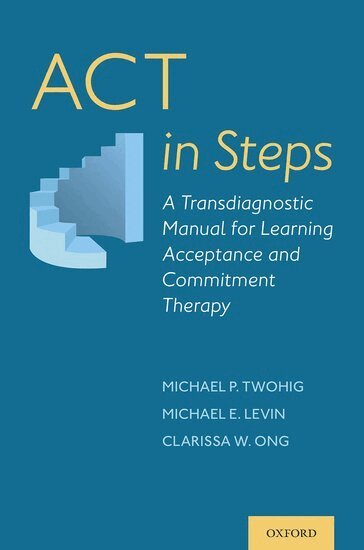
ACT in Steps
A Transdiagnostic Manual for Learning Acceptance and Commitment Therapy
Häftad, Engelska, 2020
724 kr
Skickas inom 5-8 vardagar
ACT (acceptance and commitment therapy) can be applied to any psychological disorder that involves struggle with inner experiences. With over 300 randomized clinical trials supporting its effectiveness, ACT has seen rapid growth in popularity, and an increasing number of therapists are being trained in its use. As such, the demand for practical resources on providing ACT has never been greater. ACT in Steps is aimed at any therapist who wants to get familiar with ACT. Chapters walk therapists through a recommended sequence of ACT sessions, including creative hopelessness, control as the problem, acceptance, defusion, mindfulness, values, and committed action, and provide accompanying materials for clients. The book also provides information on assessment, case conceptualization, treatment planning, and intervention that therapists can use as a starting point for practicing ACT. Exercises and worksheets are included which will continue to be useful long after readers have achieved mastery of ACT. Designed to serve as a more structured framework from which therapists can learn and experiment with ACT concepts, ACT in Steps is suitable for anyone interested in applying ACT across a range of presentations, from graduate students seeing their first clients to clinicians with years of experience interested in learning about ACT for the first time.