Claude Jasmin – författare
Visar alla böcker från författaren Claude Jasmin. Handla med fri frakt och snabb leverans.
7 produkter
7 produkter
Inbunden, Engelska, 1997
1 671 kr
Skickas inom 10-15 vardagar
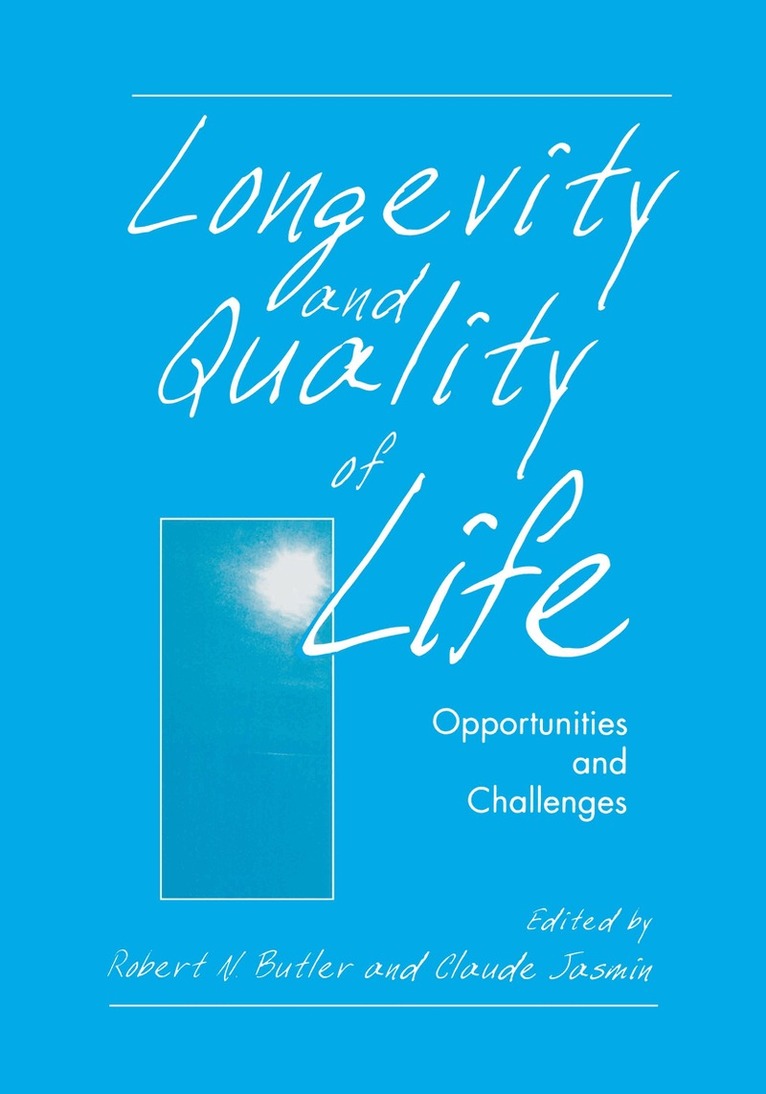
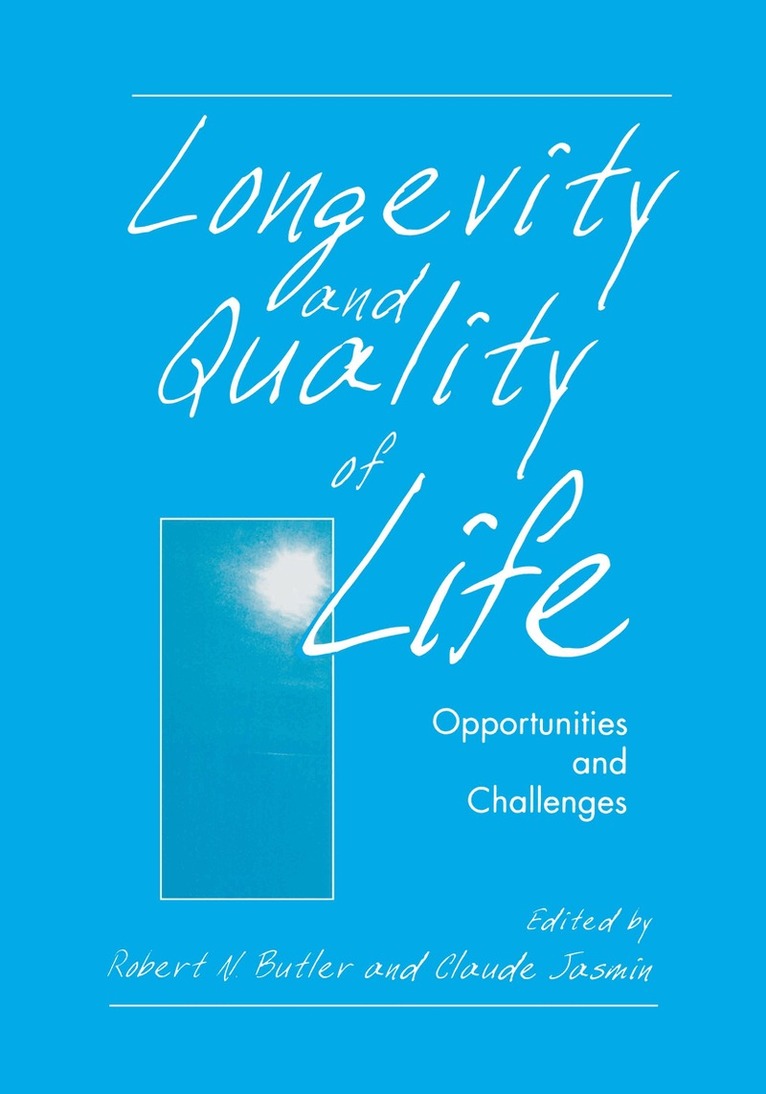
This volume contains selected contributions from individuals who attended the Sec ond International Conference of the International Council for Global Health Progress (ICGHP) held at UNESCO in Paris, France, on January 15-17, 1996. This conference brought together experts in many disciplines that deal with the devastating diseases of cancer and AIDS with a focus on the concerns for quality of life. The ICGHP fosters mul ticultural and, multidisciplinary approaches to global health problems to help influence governments and other international health organizations to emphasize prevention and care of diseases and to understand their scientific, social, and cultural features. The Coun cil encourages the interchange of information on health problems and policy and supports educational funding for the public at large. Its objective is to effect diseases-free lives in the world community. Participants of the conference included scientists, sociologists, government leaders, physicians, health care providers, epidemiologists, religious leaders, company officials, ethicists, and philosophers. They examined and discussed the many variables involved in quality of life for people affected with cancer and with AIDS. The volume's text begins with introductory comments by officials attending the JCGHP conference. Subsequently, a chapter is dedicated to one aspect of quality of life, be it definition, scientific research, evolution, cultural changes, ethics, measurements, or other issues dealing with health care and treatment survival. The second part of the volume includes commentaries dealing with fi ve aspects of quality of life which merit consideration.
Inbunden, Engelska, 2000
1 671 kr
Skickas inom 10-15 vardagar
Nations around the world are experiencing a spectacular increase in longevity. Society as a whole is being challenged by issues arising from this revolution in longevity. Although the specter of the loneliness and existential suffering of older citizens is such that some people under the age of 65 find it difficult to conceive of a long-term future, persons over 85 have proven that aging does not necessarily preclude a healthy and productive life. Extraordinary progress in both curative and preventive medicine justifies optimism about the quality of life and state of well-being that can be enjoyed even in great old age. We should look to professionals in diverse fields to develop creative solutions to the inevitable issues that will arise with aging. Governments must prepare for the future health of their citizens by making long-term investments to educate all sectors of society in the value of good nutrition, exercise, and lifestyles that enhance well-being throughout life. Also, governments should realize that the main cause of health care expenditure is serious illness which occurs in persons of all ages, and not predominantly in older people. Early detection can help save lives, as well. Health and longevity of life will ultimately end as a political issue. What is needed is long-term government investments necessary for a viable health policy. The question arises: will world leaders be able to commit to such a policy? Two major socioeconomic phenomena may have a regulating effect on this issue. The first is the emergence of pressure groups that have come into being in response to a particular health issue, such as AIDS. The second is the emergence of ethics committees in developed nations that deal solely with health issues.
E-bok
PDF, Engelska, 20056 272 kr
Läs direkt efter köp
The epidemiological and clinical importance of bone metastases has long been recognised. For example, the incidence of bone metastases in breast and prostate cancers is 70%, whereas it is only 30 to 40% in metastatic lung cancer. In clinical terms, bone metastases have substantial negative effects on the patient''s quality of life. Bone metastases have generally received insufficient attention because of the difficulty in quantifying them, which has left them outside the scope of therapeutic trials This textbook is the result of the remarkable progress made in the understanding of the molecular and cellular mechanisms involved in osteogenesis and osteolysis, and their development for therapeutic purposes. The treatment of malignant hypercalcaemia has also been revolutionised by the use of bisphosphonates. The Textbook of Bone Metastases presents a broad approach to recent progress in all fields related to bone metastases, ranging from epidemiology to the physiopathology of bone metastases and therapeutics. It provides a better understanding of recent advances and, more importantly, will give clinicians all the information needed to help them in the clinical and therapeutic management of patients with bone metastases.
Häftad, Engelska, 2012
1 493 kr
Skickas inom 10-15 vardagar
Nations around the world are experiencing a spectacular increase in longevity. Society as a whole is being challenged by issues arising from this revolution in longevity. Although the specter of the loneliness and existential suffering of older citizens is such that some people under the age of 65 find it difficult to conceive of a long-term future, persons over 85 have proven that aging does not necessarily preclude a healthy and productive life. Extraordinary progress in both curative and preventive medicine justifies optimism about the quality of life and state of well-being that can be enjoyed even in great old age. We should look to professionals in diverse fields to develop creative solutions to the inevitable issues that will arise with aging. Governments must prepare for the future health of their citizens by making long-term investments to educate all sectors of society in the value of good nutrition, exercise, and lifestyles that enhance well-being throughout life. Also, governments should realize that the main cause of health care expenditure is serious illness which occurs in persons of all ages, and not predominantly in older people. Early detection can help save lives, as well. Health and longevity of life will ultimately end as a political issue. What is needed is long-term government investments necessary for a viable health policy. The question arises: will world leaders be able to commit to such a policy? Two major socioeconomic phenomena may have a regulating effect on this issue. The first is the emergence of pressure groups that have come into being in response to a particular health issue, such as AIDS. The second is the emergence of ethics committees in developed nations that deal solely with health issues.
E-bok
PDF, Engelska, 20121 885 kr
Läs direkt efter köp
Nations around the world are experiencing a spectacular increase in longevity. Society as a whole is being challenged by issues arising from this revolution in longevity. Although the specter of the loneliness and existential suffering of older citizens is such that some people under the age of 65 find it difficult to conceive of a long-term future, persons over 85 have proven that aging does not necessarily preclude a healthy and productive life. Extraordinary progress in both curative and preventive medicine justifies optimism about the quality of life and state of well-being that can be enjoyed even in great old age. We should look to professionals in diverse fields to develop creative solutions to the inevitable issues that will arise with aging. Governments must prepare for the future health of their citizens by making long-term investments to educate all sectors of society in the value of good nutrition, exercise, and lifestyles that enhance well-being throughout life. Also, governments should realize that the main cause of health care expenditure is serious illness which occurs in persons of all ages, and not predominantly in older people. Early detection can help save lives, as well. Health and longevity of life will ultimately end as a political issue. What is needed is long-term government investments necessary for a viable health policy. The question arises: will world leaders be able to commit to such a policy? Two major socioeconomic phenomena may have a regulating effect on this issue. The first is the emergence of pressure groups that have come into being in response to a particular health issue, such as AIDS. The second is the emergence of ethics committees in developed nations that deal solely with health issues.
E-bok
PDF, Engelska, 20132 110 kr
Läs direkt efter köp
This volume contains selected contributions from individuals who attended the Sec ond International Conference of the International Council for Global Health Progress (ICGHP) held at UNESCO in Paris, France, on January 15-17, 1996. This conference brought together experts in many disciplines that deal with the devastating diseases of cancer and AIDS with a focus on the concerns for quality of life. The ICGHP fosters mul ticultural and, multidisciplinary approaches to global health problems to help influence governments and other international health organizations to emphasize prevention and care of diseases and to understand their scientific, social, and cultural features. The Coun cil encourages the interchange of information on health problems and policy and supports educational funding for the public at large. Its objective is to effect diseases-free lives in the world community. Participants of the conference included scientists, sociologists, government leaders, physicians, health care providers, epidemiologists, religious leaders, company officials, ethicists, and philosophers. They examined and discussed the many variables involved in quality of life for people affected with cancer and with AIDS. The volume''s text begins with introductory comments by officials attending the JCGHP conference. Subsequently, a chapter is dedicated to one aspect of quality of life, be it definition, scientific research, evolution, cultural changes, ethics, measurements, or other issues dealing with health care and treatment survival. The second part of the volume includes commentaries dealing with fi ve aspects of quality of life which merit consideration.
Häftad, Engelska, 2013
1 671 kr
Skickas inom 10-15 vardagar
This volume contains selected contributions from individuals who attended the Sec ond International Conference of the International Council for Global Health Progress (ICGHP) held at UNESCO in Paris, France, on January 15-17, 1996. This conference brought together experts in many disciplines that deal with the devastating diseases of cancer and AIDS with a focus on the concerns for quality of life. The ICGHP fosters mul ticultural and, multidisciplinary approaches to global health problems to help influence governments and other international health organizations to emphasize prevention and care of diseases and to understand their scientific, social, and cultural features. The Coun cil encourages the interchange of information on health problems and policy and supports educational funding for the public at large. Its objective is to effect diseases-free lives in the world community. Participants of the conference included scientists, sociologists, government leaders, physicians, health care providers, epidemiologists, religious leaders, company officials, ethicists, and philosophers. They examined and discussed the many variables involved in quality of life for people affected with cancer and with AIDS. The volume's text begins with introductory comments by officials attending the JCGHP conference. Subsequently, a chapter is dedicated to one aspect of quality of life, be it definition, scientific research, evolution, cultural changes, ethics, measurements, or other issues dealing with health care and treatment survival. The second part of the volume includes commentaries dealing with fi ve aspects of quality of life which merit consideration.