Clé Lesger - Böcker
Visar alla böcker från författaren Clé Lesger. Handla med fri frakt och snabb leverans.
7 produkter
7 produkter
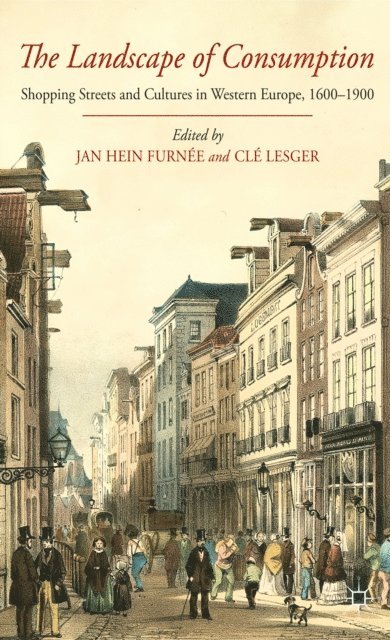
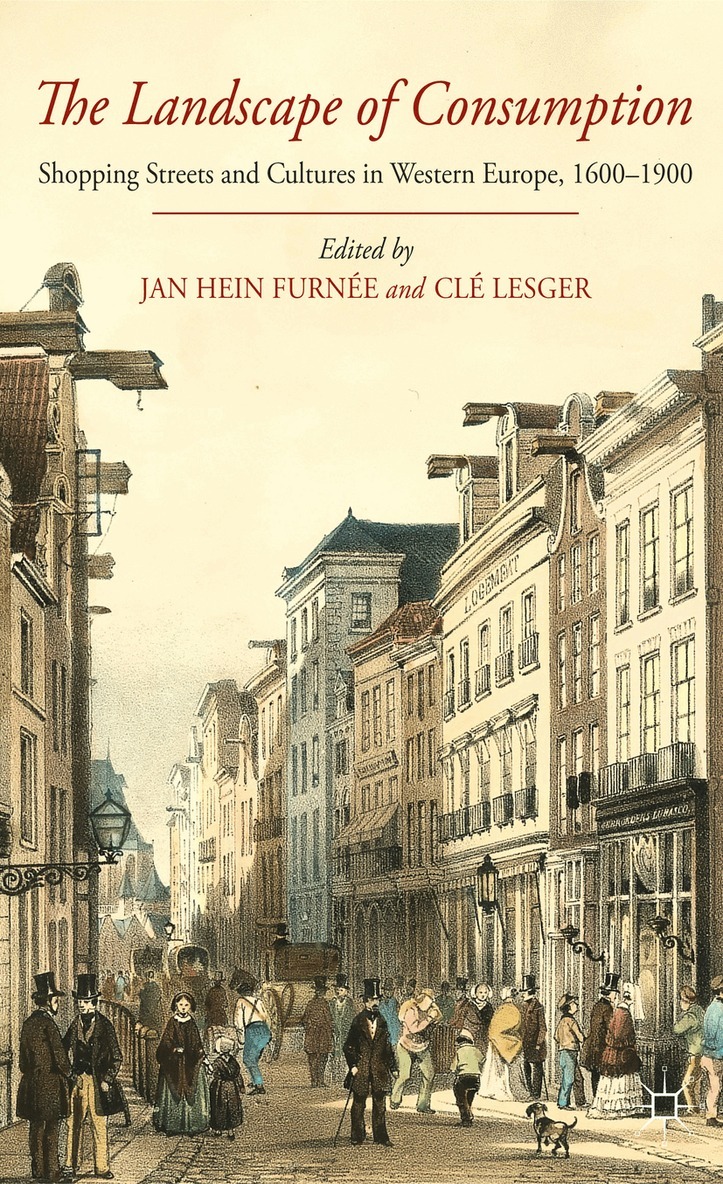
Landscape of Consumption
Shopping Streets and Cultures in Western Europe, 1600-1900
Inbunden, Engelska, 2014
550 kr
Skickas inom 10-15 vardagar
This volume brings together research on retailing, shopping and urban space; themes that have attracted wide interest in recent decades. The authors argue that the 'modernity' of the nineteenth century is often over-emphasised at the expense of recognising earlier innovation.

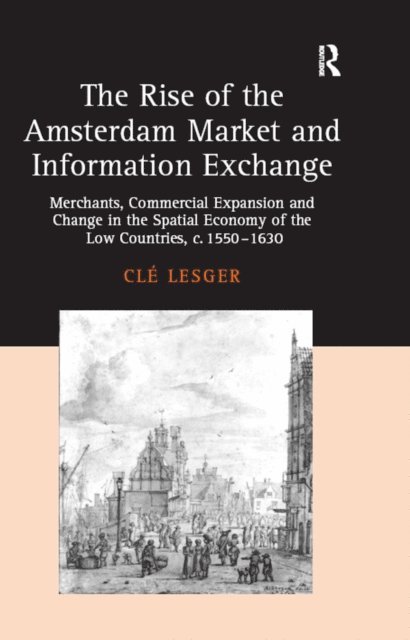
Rise of the Amsterdam Market and Information Exchange
Merchants, Commercial Expansion and Change in the Spatial Economy of the Low Countries, c.1550–1630
Inbunden, Engelska, 2006
2 246 kr
Skickas inom 10-15 vardagar
Most scholars agree that during the sixteenth century, the centre of European international trade shifted from Antwerp to Amsterdam, presaging the economic rise of the Dutch Republic in the following century. Traditionally this shift has been accepted as the natural consequence of a dynamic and progressive city, such as Amsterdam, taking advantage of expanding commercial opportunities at the expense of a more conservative rival hampered by outmoded medieval practices. Yet, whilst this theory is widely accepted, is it accurate? In this groundbreaking study, Clé Lesger argues that the shift of commercial power from Antwerp to Amsterdam was by no means inevitable, and that the highly specialized economy of the Low Countries was more than capable of adapting to the changing needs of international trade. It was only when the Dutch Revolt and military campaigns literally divided the Low Countries into separate states that the existing stable spatial economy and port system fell apart, and a restructuring was needed. Within this process of restructuring the port of Amsterdam acquired a function radically different to the one it had prior to the division of the Netherlands. Before the Revolt it had served as the northern outport in a gateway system centred on Antwerp, but with access of that port now denied to the new republic, Amsterdam developed as the main centre for Dutch shipping, trade and - crucially - the exchange of information. Drawing on a wide variety of neglected archival collections (including those of the Bank of Amsterdam), this study not only addresses specific historical questions concerning the commercial life of the Low Countries, but through the case study of Amsterdam, also explores wider issues of early modern European commercial trade and economic development.
651 kr
Skickas inom 10-15 vardagar
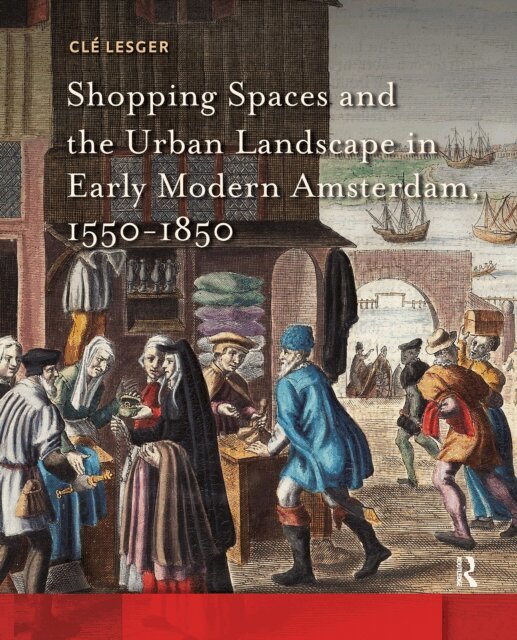
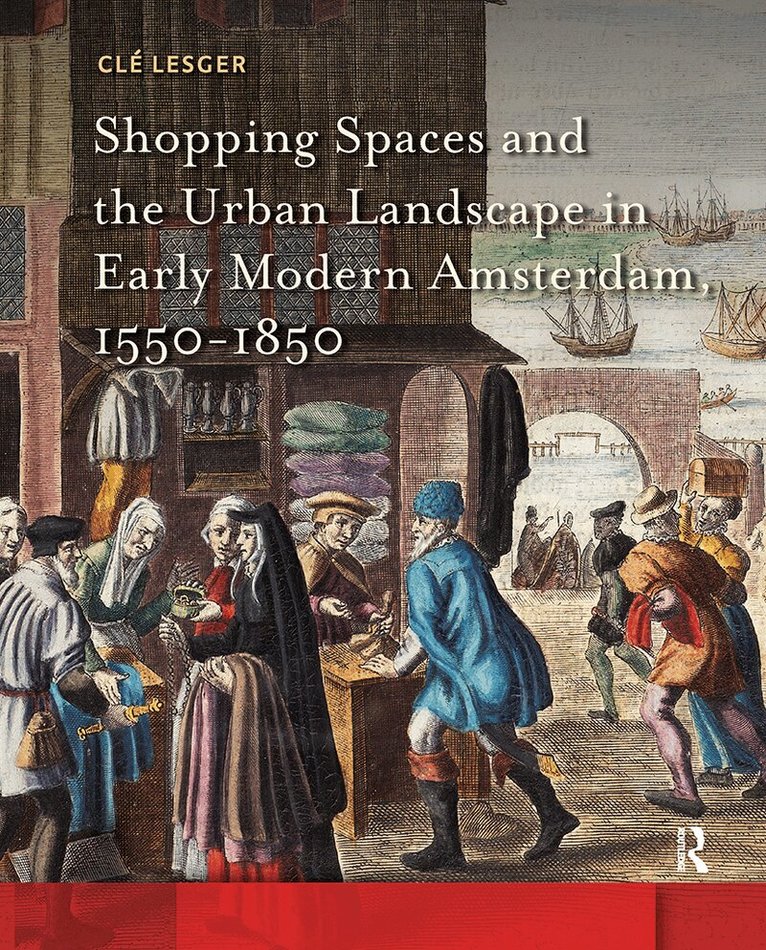
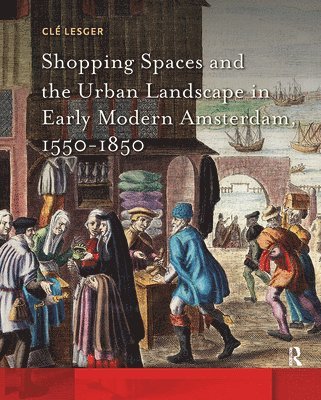
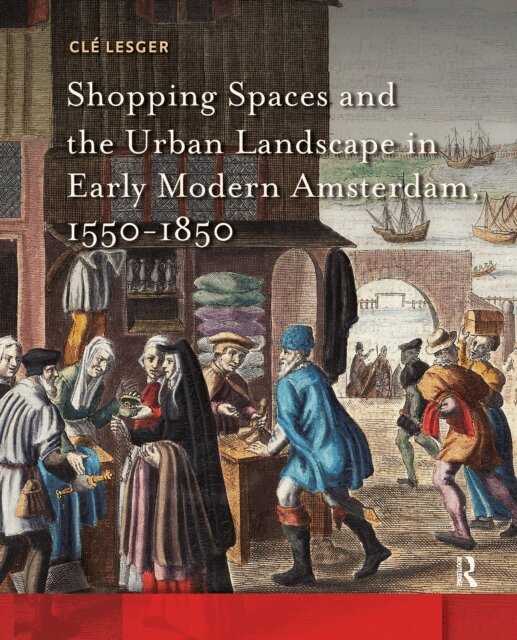
In this study, the appearance and location of shops in Amsterdam during the early modern period is linked to major changes in the urban economy, the size and socio-spatial distribution of its population, and the structure of the urban grid. Not only is there ample attention for the spatial distribution of shops across the urban landscape, but for the first time it is also accurately charted what the exterior and interior of Amsterdam shops looked like and how they changed in the course of the centuries. Partly as a result of this, it has proved possible to give an impression of the ways in which retailers and customers interacted.
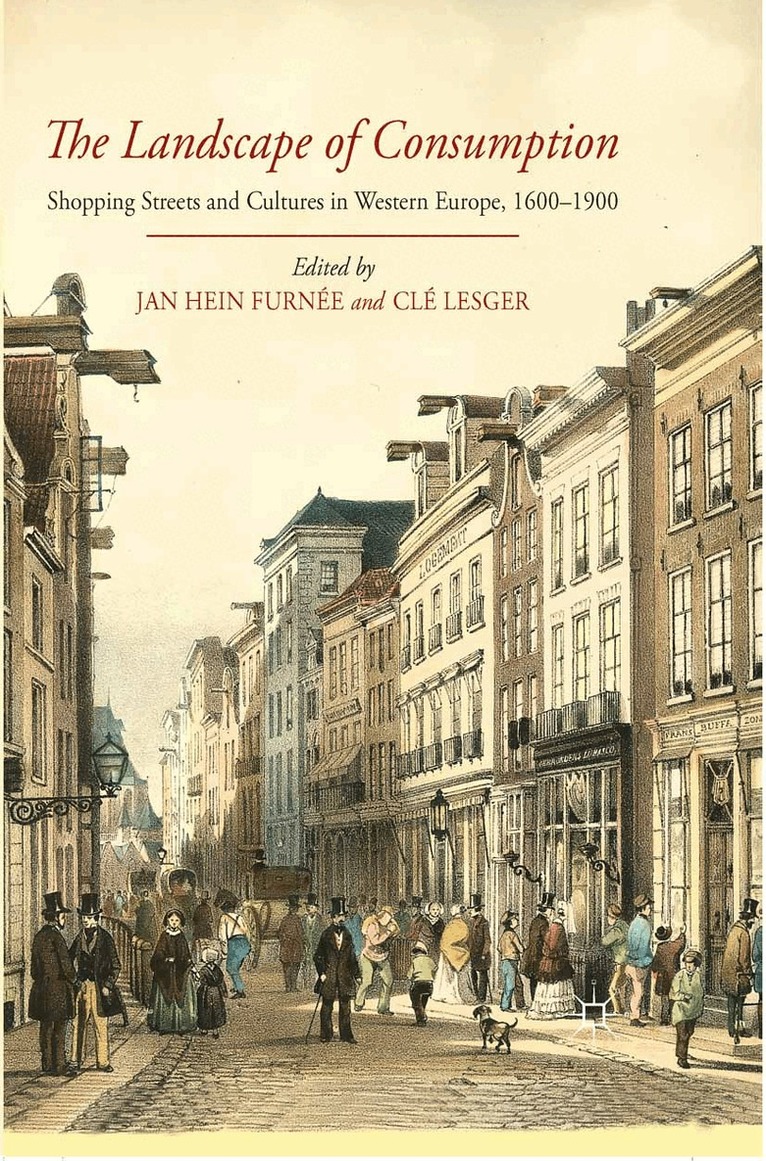
Landscape of Consumption
Shopping Streets and Cultures in Western Europe, 1600-1900
Häftad, Engelska, 2014
605 kr
Skickas inom 10-15 vardagar
This volume brings together research on retailing, shopping and urban space; themes that have attracted wide interest in recent decades. The authors argue that the 'modernity' of the nineteenth century is often over-emphasised at the expense of recognising earlier innovation.
Power and Urban Space in Pre-Modern Holland
Arenas of Appropriation in the Netherlands, 1500-1850
Häftad, Engelska, 2025
406 kr
Skickas inom 10-15 vardagar
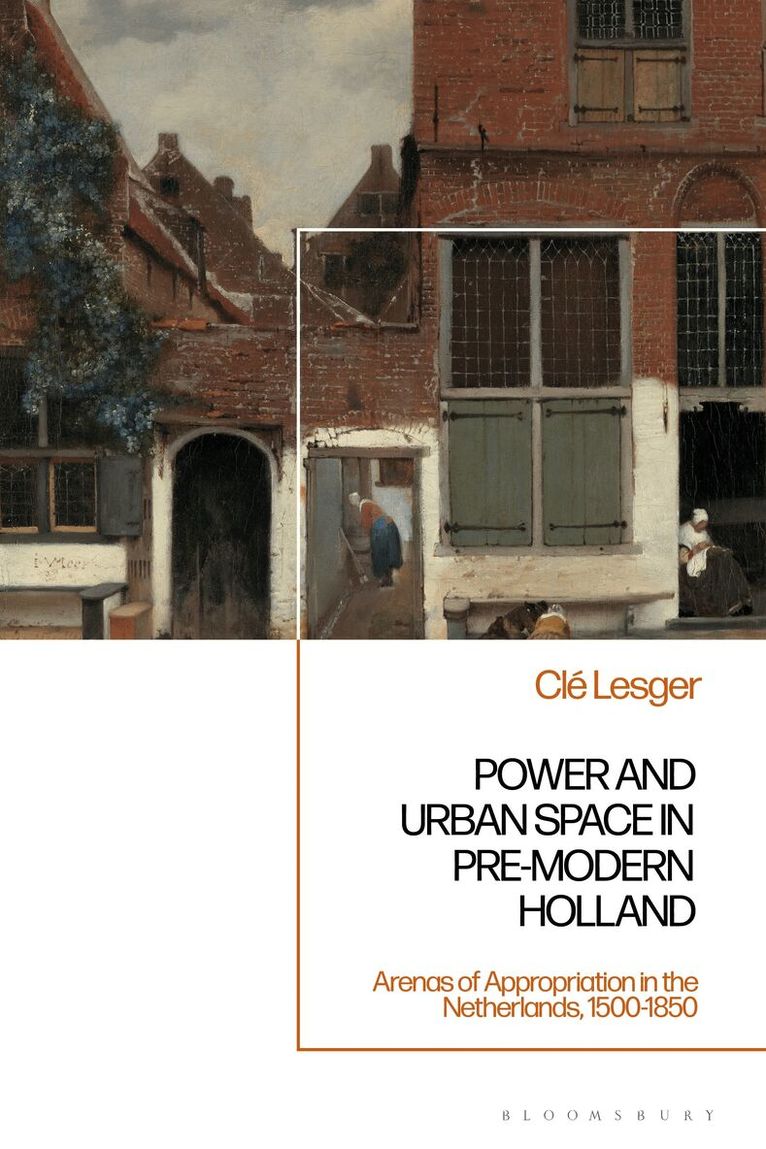
Cities and urban societies have many faces. In this study, the pre-modern cities of Holland are presented as arenas where power relations between social classes are expressed in a more or less permanent appropriation of physical space and through discursive strategies. The continuity of the power relations in the cities of Holland, spanning centuries, makes it urgent to look not only at the assumption of urban space as an expression of power relations within society, but also at the contribution of this appropriation to the acceptance and continuity of the existing power relations in pre-modern Holland.Within this broad area, extensive attention is paid to: the very prominent and enduring appropriation of urban space in the field of housing; the less permanent, but violent appropriation of urban space during the public execution of scaffold punishments; the maintenance of public order by civic militias; and appropriation during riots and revolts. In addition, city descriptions, maps and pictures of the pre-modern cities of Holland are scrutinised for what they can reveal about the appropriation of urban spaces. These themes each have an extensive historiography, but they have never been brought together in an interpretative framework that fits in with Pierre Bourdieu’s model of society and the work – of especially John Allen – on power until now.
Power and Urban Space in Pre-Modern Holland
Arenas of Appropriation in the Netherlands, 1500-1850
Inbunden, Engelska, 2024
1 245 kr
Skickas inom 10-15 vardagar
Cities and urban societies have many faces. In this study, the pre-modern cities of Holland are presented as arenas where power relations between social classes are expressed in a more or less permanent appropriation of physical space and through discursive strategies. The continuity of the power relations in the cities of Holland, spanning centuries, makes it urgent to look not only at the assumption of urban space as an expression of power relations within society, but also at the contribution of this appropriation to the acceptance and continuity of the existing power relations in pre-modern Holland.Within this broad area, extensive attention is paid to: the very prominent and enduring appropriation of urban space in the field of housing; the less permanent, but violent appropriation of urban space during the public execution of scaffold punishments; the maintenance of public order by civic militias; and appropriation during riots and revolts. In addition, city descriptions, maps and pictures of the pre-modern cities of Holland are scrutinised for what they can reveal about the appropriation of urban spaces. These themes each have an extensive historiography, but they have never been brought together in an interpretative framework that fits in with Pierre Bourdieu’s model of society and the work – of especially John Allen – on power until now.
Shopping Spaces and the Urban Landscape in Early Modern Amsterdam, 1550-1850
Inbunden, Engelska, 2020
2 176 kr
Skickas inom 10-15 vardagar
In this study, the appearance and location of shops in Amsterdam during the early modern period is linked to major changes in the urban economy, the size and socio-spatial distribution of its population, and the structure of the urban grid.