Clemens Noelke – författare
Visar alla böcker från författaren Clemens Noelke. Handla med fri frakt och snabb leverans.
3 produkter
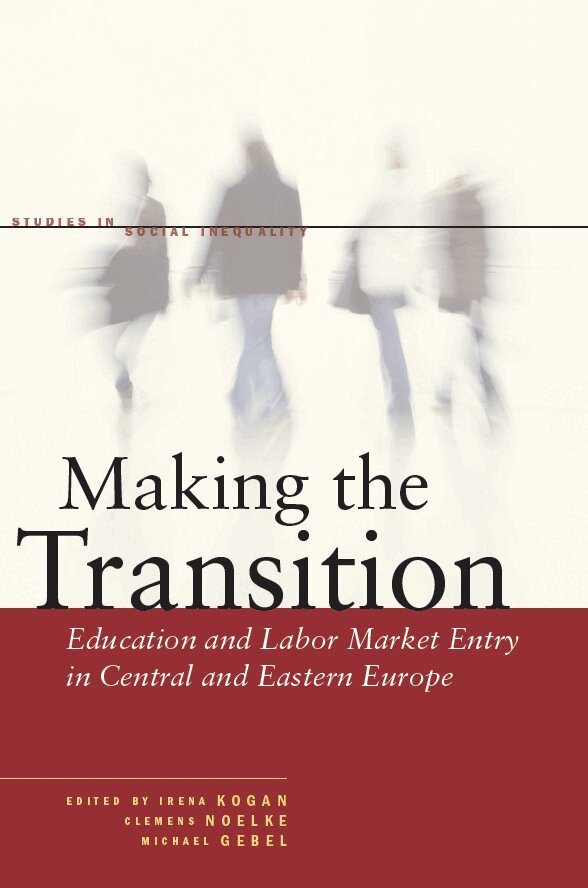
Making the Transition
Education and Labor Market Entry in Central and Eastern Europe
Av Irena Kogan, Clemens Noelke m. fl.
E-bok, 2011
970 kr
Lägg i varukorg
After the breakdown of socialism in Central and Eastern Europe, the role of education systems in preparing students for the "real world" changed. Though young people were freed from coercive state institutions, the shift to capitalism made the transition from school to work much more precarious and …
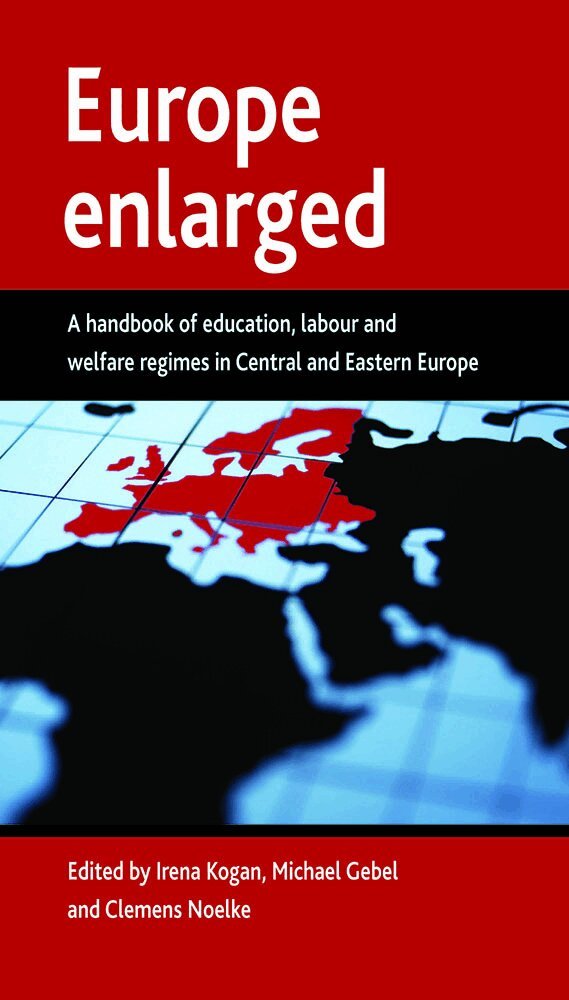
Europe enlarged
A handbook of education, labour and welfare regimes in Central and Eastern Europe
Av Irena Kogan, Michael Gebel m. fl.
Inbunden, 2008
1416 kr
Lägg i varukorg
The expansion of the European Union (EU) has put an end to the East-West division of Europe. At the same time it has increased the cultural heterogeneity, social disparities and economic imbalances within the EU, exemplified in the lower living standards and higher unemployment rates in some of the …
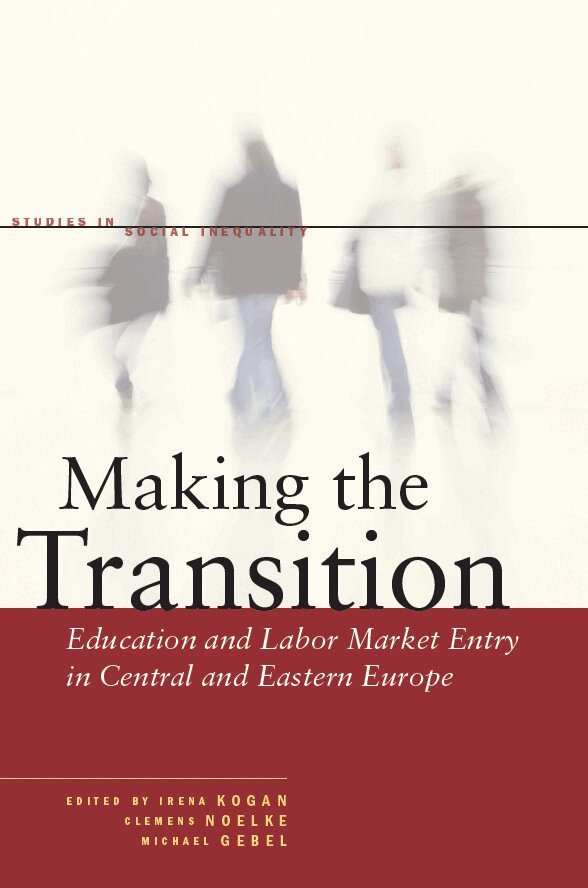
Making the Transition
Education and Labor Market Entry in Central and Eastern Europe
Av Irena Kogan, Clemens Noelke m. fl.
Inbunden, 2011
844 kr
Tillfälligt slut
After the breakdown of socialism in Central and Eastern Europe, the role of education systems in preparing students for the "real world" changed. Though young people were freed from coercive state institutions, the shift to capitalism made the transition from school to work much more precarious and …