Cleo Kim – författare
Visar alla böcker från författaren Cleo Kim. Handla med fri frakt och snabb leverans.
22 produkter
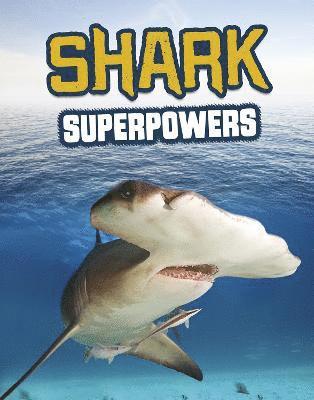
Shark Superpowers
Häftad, 2023
122 kr
Lägg i varukorg
Snatch! A great white leaps out of the water to catch a seal. How did it get its dinner? It used its superpowers! From a super sense of smell to super speed, a shark’s body is built for one thing - hunting. Its nostrils can smell some substances 10,000 times better than people! Low light? No …
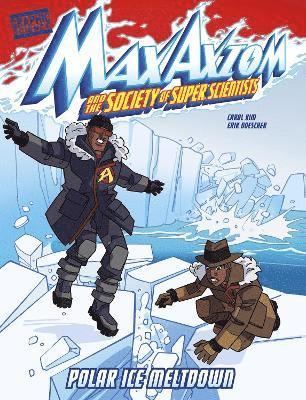
Polar Ice Meltdown
A Max Axiom Super Scientist Adventure
Häftad, 2022
122 kr
Lägg i varukorg
Earth’s Arctic ice is disappearing! But why are ice caps, glaciers and icebergs melting, and how does it impact the planet? In this non-fiction graphic novel, Max Axiom and the Society of Super Scientists are on a mission to find out! Using their superpowers and super-smarts, the team will break …
Area 51 Alien and UFO Mysteries
Inbunden, 2023
205 kr
Lägg i varukorg
A highly secure military base sits in the middle of the Nevada Desert, USA. What happens inside is kept top secret. Many UFO sightings have been reported nearby. Some people even say alien bodies are stored there. What really goes on behind its highly guarded fences? Explore the theories and learn …
Area 51 Alien and UFO Mysteries
Häftad, 2024
122 kr
Lägg i varukorg
A highly secure military base sits in the middle of the Nevada Desert, USA. What happens inside is kept top secret. Many UFO sightings have been reported nearby. Some people even say alien bodies are stored there. What really goes on behind its highly guarded fences? Explore the theories and learn …
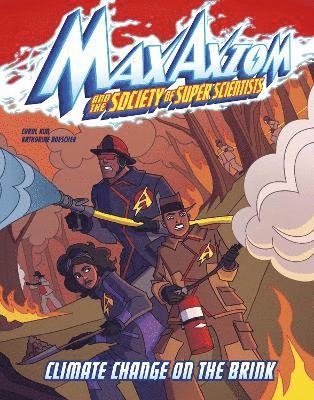
Climate Change on the Brink
A Max Axiom Super Scientist Adventure
Häftad, 2022
122 kr
Lägg i varukorg
Earth’s climate is changing. Heat waves and droughts are more common and more severe. Powerful hurricanes cause widespread damage. And polar regions are warming fast, causing even more problems around the world. Why is this happening? In this non-fiction graphic novel, Max Axiom and the Society of …
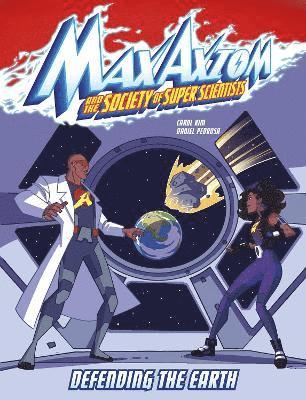
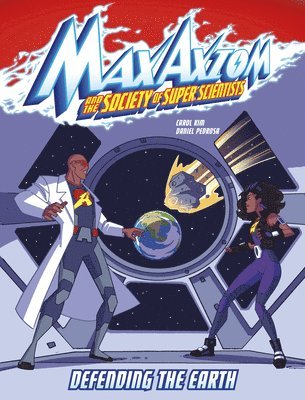
Defending the Earth
A Max Axiom Super Scientist Adventure
Häftad, 2023
122 kr
Lägg i varukorg
Earth is bombarded every day by objects from space. Most of the time they’re harmless. But occasionally much larger objects come along that pose a real threat. If a large asteroid or comet hit Earth, it could change life as we know it. Is there a way to stop these threats before it’s too late? In …
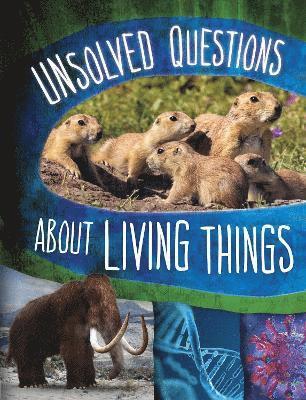
Unsolved Questions About Living Things
Häftad, 2024
120 kr
Lägg i varukorg
How did life begin? How many species are on our planet? Can we bring extinct species back to life? When it comes to life on our planet, there are a whole lot of questions we’re still trying to answer. Get ready to explore the unknown and discover how scientists are working to solve the mysteries of …
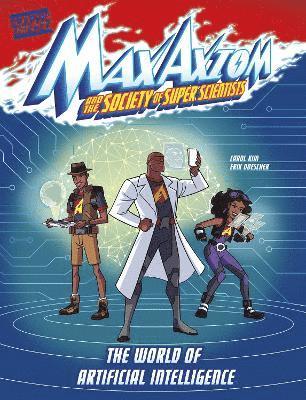
World of Artificial Intelligence
A Max Axiom Super Scientist Adventure
Häftad, 2024
113 kr
Lägg i varukorg
From the cars people drive to the phones in their pockets, computers are found everywhere in our world, and they’re becoming smarter. But what makes a computer program intelligent? How can some programs beat humans at chess or trivia games? Can computers and robots really think and learn on their …
Project Food Bank
Häftad, 2024
84 kr
Lägg i varukorg
Each class is competing to collect the most food for the local food bank. The winning class gets to pick books for the library! Jina and her friends know exactly which books they’d pick. But what happens when a classmate’s family experiences an emergency and Jina and her friends decide to risk …
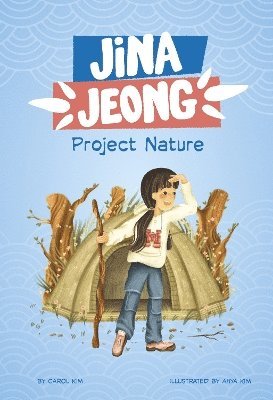
Project Nature
Häftad, 2024
84 kr
Lägg i varukorg
Jina and her family like to spend time in nature. When Jina learns that a lot of kids don’t often experience the great outdoors, she comes up with plans to start her very own nature club. But when Jina’s parents put a damper on her plans, Jina has to find another way to make a difference. Can she …
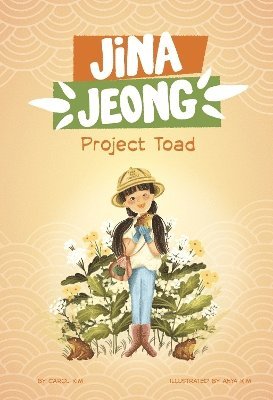
Project Toad
Häftad, 2024
84 kr
Lägg i varukorg
A visit to the zoo opens Jina’s eyes to an endangered species in her very own local area. She finds out she gets to help with a project to save this animal. But there’s a small problem. The animal is far from being cute and cuddly like her beloved pandas. Will Jina overcome her reluctance and make …
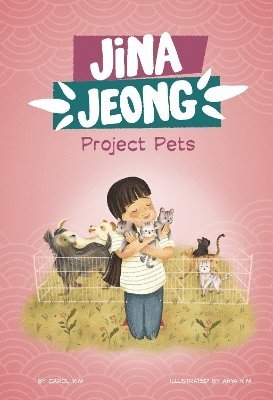
Project Pets
Häftad, 2024
84 kr
Lägg i varukorg
Jina wants to find homes for pets in need! When a litter of kittens and their mother show up at her cousin Shawn's house, Jina is determined that the kittens will be perfect pets. But Jina's plans don't go quite as she expected them to!
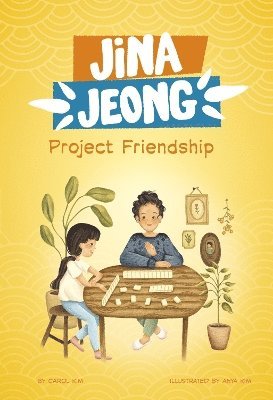
Project Friendship
Häftad, 2024
84 kr
Lägg i varukorg
Jina’s on a mission to cheer up her grandmother after her best friend moved away. Jina decides to do all the things Halmoni loves, but her plans flounder. When Jina discovers the library needs volunteer readers, she thinks it could be the answer to her grandmother’s friendship problem. Can Jina …
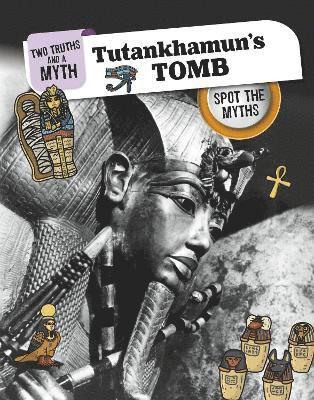
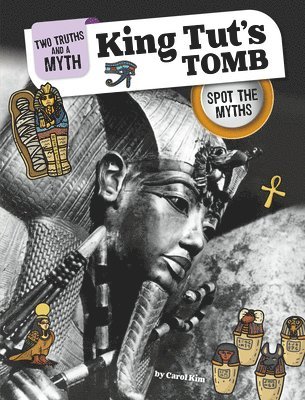
Tutankhamun's Tomb
Spot the Myths
Inbunden, 2024
205 kr
Lägg i varukorg
The 1922 discovery of Tutankhamun's tomb is one of the most important ancient Egyptian finds in history. People have told stories about it ever since. Are there rooms in Tutankahmun’s tomb yet to be discovered? Did clues point to Tutankhamun being murdered? Read the stories. Then see if you can …
Project Neighbour
Häftad, 2025
84 kr
Lägg i varukorg
Jina Jeong is ready to help a neighbour in need! Jina and her parents volunteer to work with a group building homes for people. Jina can’t wait to wear a hard hat and use power tools. Unfortunately, reality doesn’t live up to Jina’s expectations. Then Jina and her friends discover Mr Rossi needs …
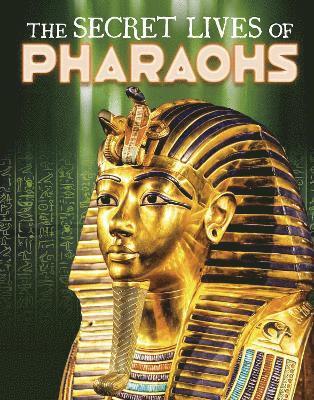
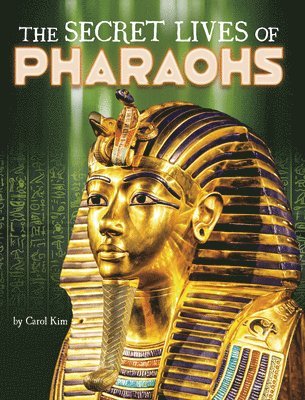
Secret Lives of Pharaohs
Inbunden, 2025
220 kr
Lägg i varukorg
Ancient Egyptians believed that pharaohs were the god Horus in human form. Scientists continue to uncover more information about the lives of these larger-than-life legendary historical figures. From royal tombs to lost cities, each archaeological find reveals facts about who the pharaohs were and …
Sutter's Mill and the California Gold Rush: Separating Fact from Fiction
Inbunden, 2023
399 kr
Lägg i varukorg
Deshielo Polar: Una Aventura de Max Axiom, Súpercientífico (Polar Ice Meltdown: A Max Axiom Super Scientist Adventure)
Inbunden, 2024
452 kr
Lägg i varukorg