Clifford E. Trafzer – författare
Visar alla böcker från författaren Clifford E. Trafzer. Handla med fri frakt och snabb leverans.
16 produkter
16 produkter
Häftad, Engelska, 2018
450 kr
Skickas inom 5-8 vardagar
The Chemehuevi of the Twenty-Nine Palms tribe of Southern California stands as a testament to the power of perseverance. This small, nomadic band of Southern Paiute Indians has been repeatedly marginalized by European settlers, other Native groups, and, until now, historical narratives that have all too often overlooked them. Having survived much of the past two centuries without rights to their homeland or any self-governing abilities, the Chemehuevi were a mostly “forgotten” people until the creation of the Twenty-Nine Palms Reservation in 1974. Since then, they have formed a tribal government that addresses many of the same challenges faced by other tribes, including preserving cultural identity and managing a thriving gaming industry. A dedicated historian who worked closely with the Chemehuevi for more than a decade, Clifford Trafzer shows how this once-splintered tribe persevered using sacred songs and other cultural practices to maintain tribal identity during the long period when it lacked both a homeland and autonomy. The Chemehuevi believe that their history and their ancestors are always present, and Trafzer honors that belief through his emphasis on individual and family stories. In doing so, he not only sheds light on an overlooked tribe but also presents an important new model for tribal history scholarship. A Chemehuevi Song strikes the difficult balance of placing a community-driven research agenda within the latest currents of indigenous studies scholarship. Chemehuevi voices, both past and present, are used to narrate the story of the tribe’s tireless efforts to gain recognition and autonomy. The end result is a song of resilience.
Inbunden, Engelska, 2015
1 832 kr
Skickas inom 5-8 vardagar
The Chemehuevi of the Twenty-Nine Palms tribe of Southern California stands as a testament to the power of perseverance. This small, nomadic band of Southern Paiute Indians has been repeatedly marginalized by European settlers, other Native groups, and, until now, historical narratives that have all too often overlooked them. Having survived much of the past two centuries without rights to their homeland or any self-governing abilities, the Chemehuevi were a mostly “forgotten” people until the creation of the Twenty-Nine Palms Reservation in 1974. Since then, they have formed a tribal government that addresses many of the same challenges faced by other tribes, including preserving cultural identity and managing a thriving gaming industry. A dedicated historian who worked closely with the Chemehuevi for more than a decade, Clifford Trafzer shows how this once-splintered tribe persevered using sacred songs and other cultural practices to maintain tribal identity during the long period when it lacked both a homeland and autonomy. The Chemehuevi believe that their history and their ancestors are always present, and Trafzer honors that belief through his emphasis on individual and family stories. In doing so, he not only sheds light on an overlooked tribe but also presents an important new model for tribal history scholarship. A Chemehuevi Song strikes the difficult balance of placing a community-driven research agenda within the latest currents of indigenous studies scholarship. Chemehuevi voices, both past and present, are used to narrate the story of the tribe’s tireless efforts to gain recognition and autonomy. The end result is a song of resilience.
Häftad, Engelska, 1997
375 kr
Skickas inom 3-6 vardagar
Häftad, Engelska, 1996
354 kr
Skickas inom 3-6 vardagar
Häftad, Engelska, 2001
606 kr
Skickas inom 10-15 vardagar
Improving the dire health problems faced by many Native American communities is central to their cultural, political, and economic well being. However, it is still too often the case that both theoretical studies and applied programs fail to account for Native American perspectives on the range of factors that actually contribute to these problems in the first place. The authors in Medicine Ways examine the ways people from a multitude of indigenous communities think about and practice health care within historical and socio-cultural contexts. Cultural and physical survival are inseparable for Native Americans. Chapters explore biomedically-identified diseases, such as cancer and diabetes, as well as Native-identified problems, including historical and contemporary experiences such as forced evacuation, assimilation, boarding school, poverty and a slew of federal and state policies and initiatives. They also explore applied solutions that are based in community prerogatives and worldviews, whether they be indigenous, Christian, biomedical, or some combination of all three. Medicine Ways is an important volume for scholars and students in Native American studies, medical anthropology, and sociology as well as for health practitioners and professionals working in and for tribes. Visit the UCLA American Indian Studies Center web site
Häftad, Engelska, 2006
230 kr
Skickas inom 10-15 vardagar
Like the figures in the ancient oral literature of Native Americans, children who lived through the American Indian boarding school experience became heroes, bravely facing a monster not of their own making. Sometimes the monster swallowed them up. More often, though, the children fought the monster and grew stronger. This volume draws on the full breadth of this experience in showing how American Indian boarding schools provided both positive and negative influences for Native American children. The boarding schools became an integral part of American history, a shared history that resulted in Indians "turning the power" by using their school experiences to grow in wisdom and benefit their people. The first volume of essays ever to focus on the American Indian boarding school experience, and written by some of the foremost experts and most promising young scholars of the subject, Boarding School Blues ranges widely in scope, addressing issues such as sports, runaways, punishment, physical plants, and Christianity. With comparative studies of the various schools, regions, tribes, and aboriginal peoples of the Americas and Australia, the book reveals both the light and the dark aspects of the boarding school experience and illuminates the vast gray area in between.
Inbunden, Engelska, 2019
594 kr
Skickas inom 3-6 vardagar
Native Americans long resisted Western medicine - but had less power to resist the threat posed by Western diseases. And so, as the Office of Indian Affairs reluctantly entered the business of health and medicine, Native peoples reluctantly began to allow Western medicine into their communities. Fighting Invisible Enemies traces this transition among inhabitants of the Mission Indian Agency of Southern California from the late nineteenth through the mid-twentieth century.What historian Clifford E. Trafzer describes is not so much a transition from one practice to another as a gradual incorporation of Western medicine into Indian medical practices. Melding indigenous and medical history specific to Southern California, his book combines statistical information and documents from the federal government with the oral narratives of several tribes. Many of these oral histories - detailing traditional beliefs about disease causation, medical practices, and treatment - are unique to this work, the product of the author's close and trusted relationships with tribal elders.Trafzer examines the years of interaction that transpired before Native people allowed elements of Western medicine and health care into their lives, homes, and communities. Among the factors he cites as impelling the change were settler-borne diseases, the negative effects of federal Indian policies, and the sincere desire of both Indians and agency doctors and nurses to combat the spread of disease. Here we see how, unlike many encounters between Indians and non-Indians in Southern California, this cooperative effort proved positive and constructive, resulting in fewer deaths from infectious diseases, especially tuberculosis.The first study of its kind, Trafzer's work fills gaps in Native American, medical, and Southern California history. It informs our understanding of the working relationship between indigenous and Western medical traditions and practices as it continues to develop today.
Häftad, Engelska, 2025
272 kr
Skickas inom 10-15 vardagar
Native Americans long resisted Western medicine - but had less power to resist the threat posed by Western diseases. And so, as the Office of Indian Affairs reluctantly entered the business of health and medicine, Native peoples reluctantly began to allow Western medicine into their communities. Fighting Invisible Enemies traces this transition among inhabitants of the Mission Indian Agency of Southern California from the late nineteenth through the mid-twentieth century. What historian Clifford E. Trafzer describes is not so much a transition from one practice to another as a gradual incorporation of Western medicine into Indian medical practices. Melding indigenous and medical history specific to Southern California, his book combines statistical information and documents from the federal government with the oral narratives of several tribes. Many of these oral histories - detailing traditional beliefs about disease causation, medical practices, and treatment - are unique to this work, the product of the author's close and trusted relationships with tribal elders. Trafzer examines the years of interaction that transpired before Native people allowed elements of Western medicine and health care into their lives, homes, and communities. Among the factors he cites as impelling the change were settler-borne diseases, the negative effects of federal Indian policies, and the sincere desire of both Indians and agency doctors and nurses to combat the spread of disease. Here we see how, unlike many encounters between Indians and non-Indians in Southern California, this cooperative effort proved positive and constructive, resulting in fewer deaths from infectious diseases, especially tuberculosis. The first study of its kind, Trafzer's work fills gaps in Native American, medical, and Southern California history. It informs our understanding of the working relationship between indigenous and Western medical traditions and practices as it continues to develop today.
Inbunden, Engelska, 2009
1 122 kr
Skickas inom 10-15 vardagar
Despite a recent resurgence in studies of death and disease in native peoples of the Western Hemisphere, little work has been done on death and disease in Native Americans during the reservation period of the late 19th and early 20th centuries. Forgotten Voices: Death Records of the Yakama, 1888-1964 begins a discussion of the health of the people on the Yakama Reservation in Washington using statistical data. This is the first detailed work that focuses on the causes of death on American Indian reservations. It contains an extensive introduction to Yakama history and lifestyle, and tables that present statistical information on the major causes of death. Each chapter highlights a different cause of death on the Yakama Reservation, including• Tuberculosis• Pneumonia• Heart Disease• Gastrointestinal Problems• Influenza• Cancer• Birth Complications• Old Age• StrokeForgotten Voices is an invaluable resource for students and scholars that encourages further research in the field of Native American history.
Häftad, Engelska, 2021
392 kr
Skickas inom 5-8 vardagar
In 1924, the United States began a bold program in public health. The Indian Service of the United States hired its first nurses to work among Indians living on reservations. This corps of white women were dedicated to improving Indian health. In 1928, the first field nurses arrived in the Mission Indian Agency of Southern California. These nurses visited homes and schools, providing public health and sanitation information regarding disease causation and prevention.Over time, field nurses and Native people formed a positive working relationship, which resulted in the decline of mortality from infectious diseases. Many Native Americans accepted and used Western medicine to fight pathogens, while also continuing Indigenous medicine ways. Nurses helped control tuberculosis, measles, influenza, pneumonia, and a host of gastrointestinal sicknesses. In partnership with the community, nurses quarantined people with contagious diseases, tested for infections, and tracked patients and contacts. Indians turned to nurses and learned about disease prevention. With strong hearts, Indians eagerly participated in the tuberculosis campaign of 1939-40 to X-ray tribal members living on twenty-nine reservations. Through their cooperative efforts, Indians and health-care providers decreased deaths, cases, and misery among the tribes of Southern California.
Häftad, Engelska, 2015
262 kr
Skickas inom 5-8 vardagar
For generations, the original Snake River-Palouse people lived a free, open life on the Columbia Plateau, moving on horseback from the Snake River to Badger Mountain to Oregon's Blue Mountains. They interacted and intermarried within a vast region, and their stories are rich in content, interpretation, and nuance. Denied a place on their ancestral lands, most relocated to Nez Perce, Umatilla, Warm Springs, Yakama, and Colville reservations, where maintaining their cultural identity became increasingly difficult. Still, elders continued to pass down oral histories, insisting youngsters listen with rapt attention.Beginning in the 1970s, Naxiyamtáma elders--in particular Mary Jim, Andrew George, Gordon Fisher, and Emily Peone--shared their stories with a research team. They hoped to teach American Indian history in a traditional manner and refute incorrect versions. Multiple themes emerged--a pervasive spirituality tied to the Creator and environment; a covenant relationship and sacred trust to protect and preserve their traditional lands; storytelling as a revered art form that reveals life lessons; and finally, belief in cyclical time and blood memory.Tied to Plateau people's leadership families, the featured elders had lived in the traditional way--gathering, hunting, and fishing, participating in the ancient Wáshani religion, and honoring the Creator through First Food ceremonies. In their retelling, the authors endeavored to capture their original voices and stay true to Snake River-Palouse oral traditions. Creation stories include "Why Coyote Made the Palouse Hills," and "The Origin of Palouse Falls." Although narratives by other groups are similar to Mary Jim's "How Coyote Learned to Fish," and Gordon Fisher's "How Beaver Brought Fire to the People," their versions offer a distinct Naxiyamtáma perspective. The authors also describe their method and approach--one that will serve as a model for conducting Native American cultural research.
Häftad, Engelska, 2016
295 kr
Skickas inom 3-6 vardagar
Originally released in 1986 as Renegade Tribe, this award-winning title sensitively retells the compelling saga of western expansion and Indian-white conflict from a Native American perspective. The Snake River-Palouse resisted immigrant encroachment and fought a losing battle to retain their way of life. The Whitman Massacre, as well as a refusal to enter into U.S. government treaties, left them with a hostile reputation among the newcomers. With settlers increasingly demanding their removal and no reservation of their own, these Inland Northwest Indians faced extermination by the end of the nineteenth century. Examining written and oral evidence left by both indigenous and white cultures, this book presents the Snake River-Palouse as important actors in events and demonstrates how their initiative and decisions influenced the course of history. This revised edition offers a new introduction by the authors and a new foreword by Chief Tilcoax's descendent Wilson Wewah.
Inbunden, Engelska, 2022
1 261 kr
Skickas inom 10-15 vardagar
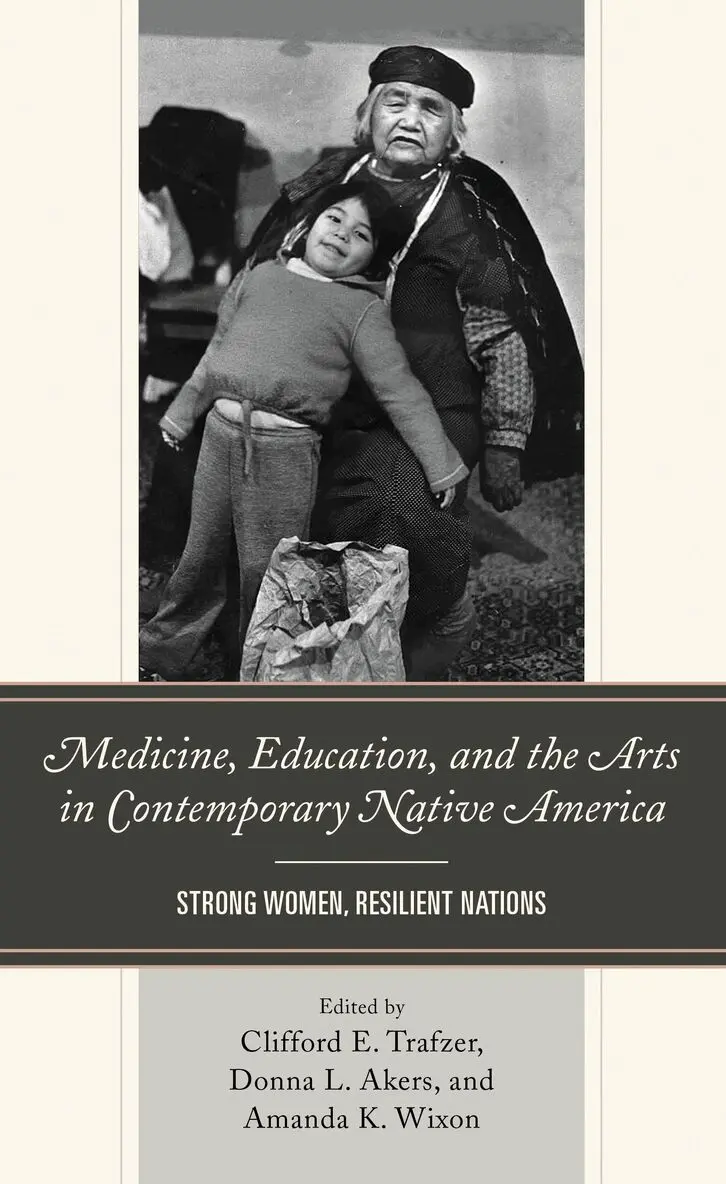
This book offers twenty original scholarly chapters featuring historical and biographical analyses of Native American women. The lives of women found her contributed significantly to their people and people everywhere. The book presents Native women of action and accomplishments in many areas of life. This work highlights women during the modern era of American history, countering past stereotypes of Native women. With the exceptions of Pocahontas and Sacajawea, historians have had little to say about American Indian women who have played key roles in the history of their tribes, their relationship with others, and the history of the United States. Indigenous women featured herein distinguished themselves as fiction and non-fiction writers, poets, potters, basket makers, musicians, and dancers. Other women contributed as notable educators and women working in health and medicine. They are representative of many women within the Native Universe who excelled in their lives to enrich the American experience.
Häftad, Engelska, 2024
453 kr
Skickas inom 10-15 vardagar
This book offers twenty original scholarly chapters featuring historical and biographical analyses of Native American women. The lives of women found her contributed significantly to their people and people everywhere. The book presents Native women of action and accomplishments in many areas of life. This work highlights women during the modern era of American history, countering past stereotypes of Native women. With the exceptions of Pocahontas and Sacajawea, historians have had little to say about American Indian women who have played key roles in the history of their tribes, their relationship with others, and the history of the United States. Indigenous women featured herein distinguished themselves as fiction and non-fiction writers, poets, potters, basket makers, musicians, and dancers. Other women contributed as notable educators and women working in health and medicine. They are representative of many women within the Native Universe who excelled in their lives to enrich the American experience.
Häftad, Engelska, 2020
163 kr
Skickas inom 5-8 vardagar
Häftad, Engelska, 2025
287 kr
Skickas inom 3-6 vardagar