Clive I. Bartram – författare
Visar alla böcker från författaren Clive I. Bartram. Handla med fri frakt och snabb leverans.
2 produkter
2 produkter
E-bok
PDF, Engelska, 20131 174 kr
Läs direkt efter köp
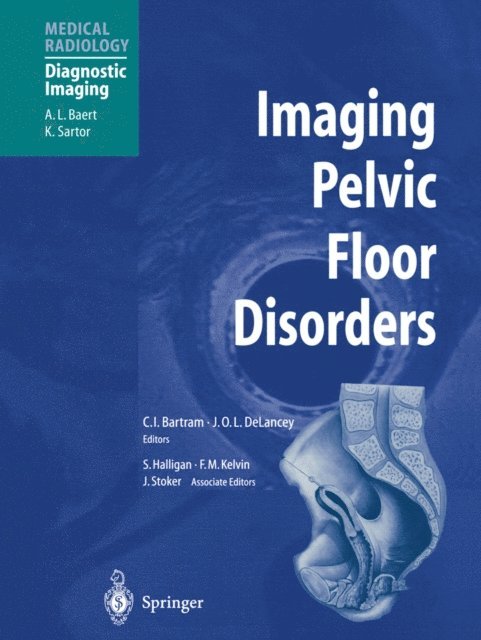
A major breakthrough in the understanding of pelvic floor disorders has been achieved by the introduction of MRI into clinical research. Indeed, this cross-sectional non-invasive technique not only provides superior depiction of the pelvic anatomy but also yields unique dynamic information due to the rapid acquisition of images. Imaging, and especially MRI, is nowadays increasingly utilised in clinical practice for patients suffering from pelvic floor dysfunction, and it is imperative that all radiologists involved in the care of these patients be fully informed about the rapidly emerging potential of radiologic imaging in handling these problems. This book is the fruit of a collaborative effort by radiologists and surgeons. Professor Clive Bartram and Professor John DeLancey have been involved in research into pelvic floor disorders for many years and are well known worldwide for their pioneering work in this complex field. The editors have been successful in engaging a number of experts with outstanding qualifications as contributors to the different individual chapters of this superb book, which provides a comprehensive overview of our current knowledge on pelvic disorders. I am confident that this splendid volume will meet with great interest from radiologists and all other clinicians involved in the care of the large and increasing group of patients suffering from incontinence and utero-vaginal prolapse. I sincerely wish it the same success with readers achieved by the previous volumes published in this series.
E-bok
PDF, Engelska, 20102 933 kr
Läs direkt efter köp
Dramatic improvement in imaging techniques (3D ultrasonography, dynamic magnetic resonance) allows greater insight into the complex anatomy of the pelvic floor and its pathological modifications.Obstetrical events leading to fecal and urinary incontinence in women, the development of pelvic organ prolapse, and mechanism of voiding dysfunction and obstructed defecation can now be accurately assessed, which is fundamental for appropriate treatment decision making. This book is written for gynecologists, colorectal surgeons, urologists, radiologists, and gastroenterologists with a special interest in this field of medicine. It is also relevant to everyone who aspires to improve their understanding of the fundamental principles of pelvic floor disorders.