Coimbatore B. Srikant - Böcker
Visar alla böcker från författaren Coimbatore B. Srikant. Handla med fri frakt och snabb leverans.
4 produkter
4 produkter
552 kr
Skickas inom 10-15 vardagar
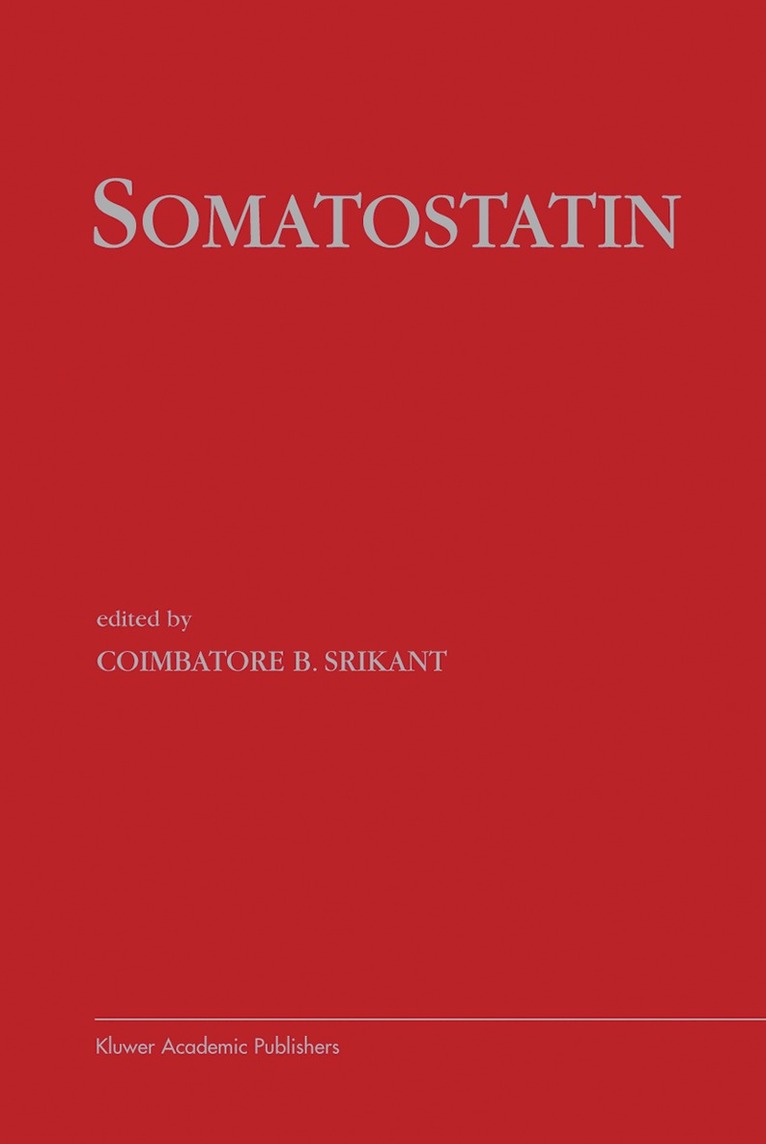
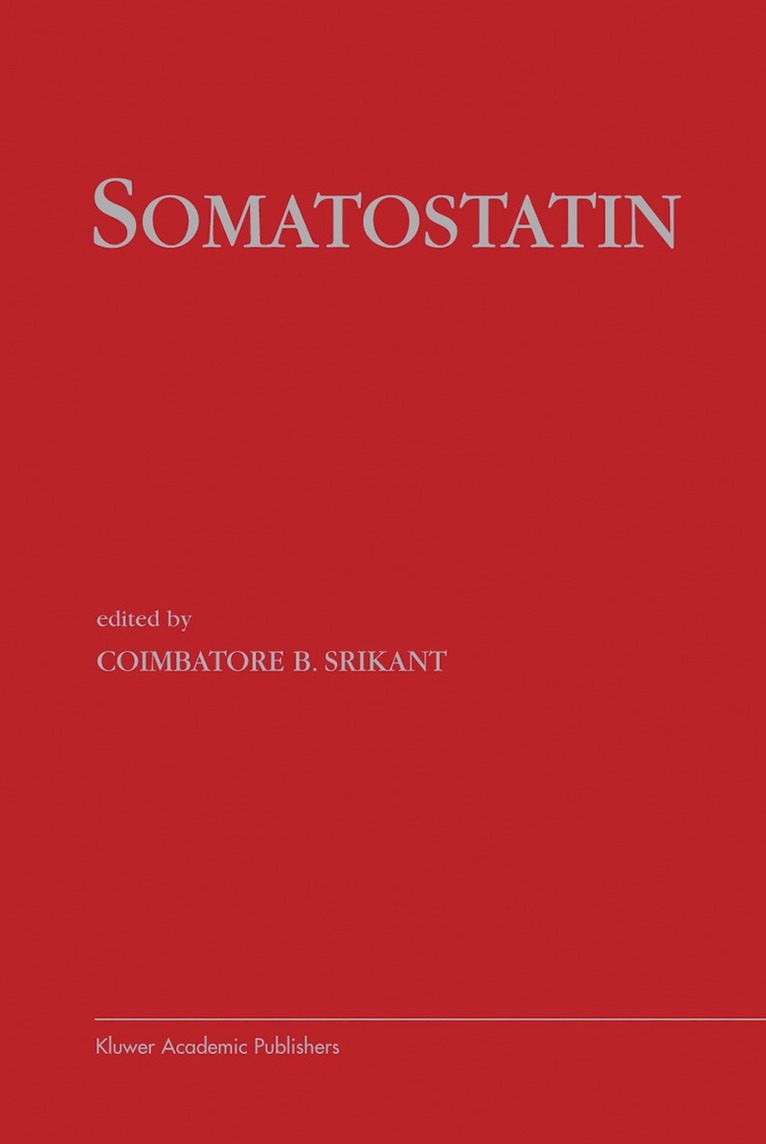
Thirty years have passed since somatostatin was discovered and its hormonal function defined [1,2]. The wide range of anatomical distribution and actions of somatostatin and its receptors stimulated intense scientific and clinical interest, and fostered extensive research into all aspects of its biology including regulation of its gene expression, processing of its precursor, biological and cellular actions relating to regulation cell secretion, motility and proliferation. The development of metabolically stable peptide analogs helped define its usefulness in the treatment of endocrine diseases and cancer. The heterogeneity of somatostatin receptors recognized in 1981 [3] was later shown to result from the existence and variable expression of five distinct subtypes that constitutes two distinct subfamilies with distinguishing pharmacological characteristics [4,5]. The molecular cloning of these receptor subtypes reignited the interest in this field leading to a major increase in our insight into the biology of somatostatin and its receptor subtypes, and has led to the design and development of subtype-selective peptide and non-peptide agonists and antagonists. Significant progress has been made in both basic and clinical research on somatostatin. Noteworthy developments include the role of somatostatin in neuronal patterning, delineation of subtype-selective cytostatic / cytotoxic antiproliferative actions, manipulation of cellular signaling by oligomeric association of somatostatin receptor subtypes amongst themselves or with other G protein-coupled receptors, application of radionuclide-tagged derivatives to localize somatostatin receptor positive tumors and their treatment through targeted delivery of radionuclide or chemotoxin tagged agonists through receptor-mediated endocytosis.
Somatostatin
2004
847 kr
Skickas
This volume presents the state of the art description of the current understanding of the biology of somatostatin including its gene regulation, prosomatostatin processing, cellular effects, somatostatin receptor subtypes, mechanism of action, signal transduction, regulation of cell growth and apoptosis, design and use of receptor subtype-selective somatostatin analogs, derivatives of somatostatin analogs tagged with radionuclides/chemotoxins, and their clinical relevance in the diagnosis and treatment of cancer. Each chapter is written by expert(s) active in somatostatin research (experimental and/or clinical). It will serve as the only single one-stop source of the most up to date information on the basic and clinical aspects of the biology of somatostatin and its receptors.
552 kr
Skickas inom 10-15 vardagar
Thirty years have passed since somatostatin was discovered and its hormonal function defined [1,2]. The wide range of anatomical distribution and actions of somatostatin and its receptors stimulated intense scientific and clinical interest, and fostered extensive research into all aspects of its biology including regulation of its gene expression, processing of its precursor, biological and cellular actions relating to regulation cell secretion, motility and proliferation. The development of metabolically stable peptide analogs helped define its usefulness in the treatment of endocrine diseases and cancer. The heterogeneity of somatostatin receptors recognized in 1981 [3] was later shown to result from the existence and variable expression of five distinct subtypes that constitutes two distinct subfamilies with distinguishing pharmacological characteristics [4,5]. The molecular cloning of these receptor subtypes reignited the interest in this field leading to a major increase in our insight into the biology of somatostatin and its receptor subtypes, and has led to the design and development of subtype-selective peptide and non-peptide agonists and antagonists. Significant progress has been made in both basic and clinical research on somatostatin. Noteworthy developments include the role of somatostatin in neuronal patterning, delineation of subtype-selective cytostatic / cytotoxic antiproliferative actions, manipulation of cellular signaling by oligomeric association of somatostatin receptor subtypes amongst themselves or with other G protein-coupled receptors, application of radionuclide-tagged derivatives to localize somatostatin receptor positive tumors and their treatment through targeted delivery of radionuclide or chemotoxin tagged agonists through receptor-mediated endocytosis.
653 kr
Skickas inom 5-8 vardagar