Colin Boocock – författare
Visar alla böcker från författaren Colin Boocock. Handla med fri frakt och snabb leverans.
9 produkter
9 produkter
Inbunden, Engelska, 2023
389 kr
Skickas
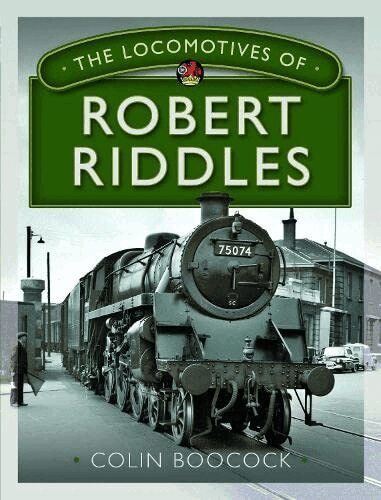
The Locomotives of Robert Riddles guides the reader in the quest to understand how Robert Riddles career on the LMS and in war service shaped his knowledge and character and led to him becoming the obvious choice for leading the locomotive engineering function within the newly-formed Railway Executive. The book outlines the substantial impact Riddles had on the design and supply of locomotives that were to support the Allied military campaigns in the second world war, including useful analysis of the types of locomotives specifically designed for that work.The bulk of the book outlines the decision-making processes that led to the twelve designs of standard steam locomotives that were intended to be the future stop-gap before electrification, and the political and practical reasons for successive policy changes that led to their unexpectedly short lives. Those events include the 1955 Modernisation Plan with its emphasis on dieselisation, and the subsequent railway rationalisations that reduced the need not only for new steam locomotives but also made relatively new diesels redundant. Each BR standard locomotive type is described in its own chapter. The performance of each class is given its rightful emphasis.The book is comprehensively illustrated with largely unpublished pictures that cover a wide range of locations and locomotive duties.
Inbunden, Engelska, 2020
334 kr
Skickas
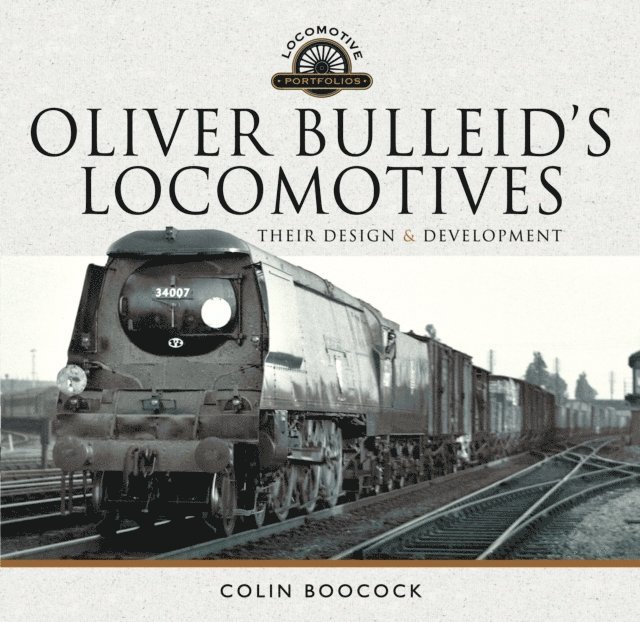
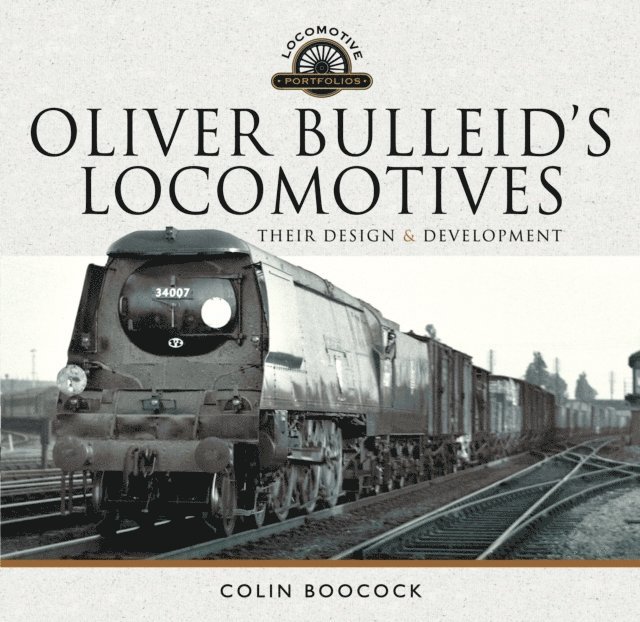
Oliver Bulleid's locomotives guides the reader in the quest to understand what motivated Mr Bulleid in his work as a senior engineer and manager, and tries, with as little bias as is reasonable, to make sense of some of the more controversial aspects of his activities. For example, why did OVB not pursue the ideal of a 2-8-2 for the Southern Railway? How did the 'Leader' project go so much out of control? What role did Bulleid play in the massive dieselisation programme in Ireland when he was CME there? How did the 0-6-6-0T turf-burning steam locomotive fit in with Ireland's traction policy, or did it? And why did ninety of his steam locomotives and ninety-four of 'his' diesels have to be rebuilt to make them either more economical or more reliable?These are fundamental questions to which the book provides the reader with answers based on the author's experiences or on those of people who knew Bulleid. OVB's undoubted successes are illustrated in words and photographs, too, to provide a hopefully balanced picture of one of Britain's more exciting railway engineers.
E-bok
Engelska, 2021164 kr
Läs direkt efter köp
A history of the man who served as Chief Mechanical Engineer for the Southern Railway and the many locomotives he developed.Oliver Bulleid’s locomotives guides the reader in the quest to understand what motivated Mr Bulleid in his work as a senior engineer and manager, and tries, with as little bias as is reasonable, to make sense of some of the more controversial aspects of his activities. For example, why did OVB not pursue the ideal of a 2-8-2 for the Southern Railway? How did the ‘Leader’ project go so much out of control? What role did Bulleid play in the massive dieselization program in Ireland when he was CME there? How did the 0-6-6-0T turf-burning steam locomotive fit in with Ireland’s traction policy, or did it? And why did ninety of his steam locomotives and ninety-four of ‘his’ diesels have to be rebuilt to make them either more economical or more reliable?These are fundamental questions to which the book provides the reader with answers based on the author’s experiences or on those of people who knew Bulleid. OVB’s undoubted successes are illustrated in words and photographs, too, to provide a hopefully balanced picture of one of Britain’s more exciting railway engineers.“This book is a well written overview of the Bulleid era, by a competent engineer who can express himself in layman’s terms.” —Martin Shill, Industrial Railway Society“The book deserves a place on the bookshelf of every student of locomotives, especially Bulleid''s By current standards, it is good value, and it was a pleasure to examine it.” —The Railway Observer
E-bok
PDF, Engelska, 2021164 kr
Läs direkt efter köp
A history of the man who served as Chief Mechanical Engineer for the Southern Railway and the many locomotives he developed. Oliver Bulleid's locomotives guides the reader in the quest to understand what motivated Mr Bulleid in his work as a senior engineer and manager, and tries, with as little bias as is reasonable, to make sense of some of the more controversial aspects of his activities. For example, why did OVB not pursue the ideal of a 2-8-2 for the Southern Railway? How did the 'Leader' project go so much out of control? What role did Bulleid play in the massive dieselization program in Ireland when he was CME there? How did the 0-6-6-0T turf-burning steam locomotive fit in with Ireland's traction policy, or did it? And why did ninety of his steam locomotives and ninety-four of 'his' diesels have to be rebuilt to make them either more economical or more reliable?These are fundamental questions to which the book provides the reader with answers based on the author's experiences or on those of people who knew Bulleid. OVB's undoubted successes are illustrated in words and photographs, too, to provide a hopefully balanced picture of one of Britain's more exciting railway engineers. "e;This book is a well written overview of the Bulleid era, by a competent engineer who can express himself in layman's terms."e; Martin Shill, Industrial Railway Society"e;The book deserves a place on the bookshelf of every student of locomotives, especially Bulleid's By current standards, it is good value, and it was a pleasure to examine it."e; The Railway Observer
Inbunden, Engelska, 2022
376 kr
Skickas
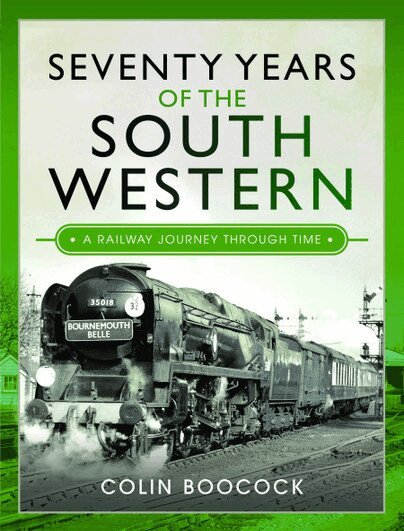
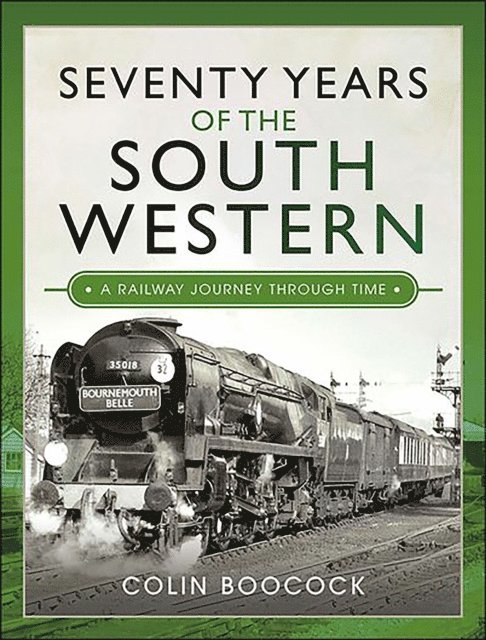
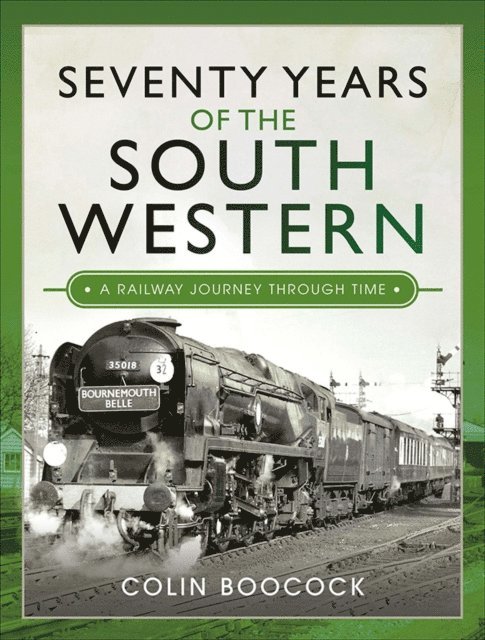
The South Western main line is one of the most important railways in the south of England.Colin Boocock spent a significant part of his life living on and researching the history of this centre of railway operations in the South and South West of England.This book looks at the network over the last seventy years, from Nationalisation through to the present day. The system provides a vital link between the South and South West of Britain and London, operating a mixture of commuter services and important main line passenger trains.Throughout the seventy years covered in this book, the South Western network also had significant flows of heavy freight between the capital and Southampton Docks and the West Country. Today there are still frequent, well-loaded container trains from Southampton to the Midlands and the North via Basingstoke and Reading.This volume also covers the transitions from steam traction to diesel and electric in stages from the 1950s through to the late 1980s
E-bok
Engelska, 2022152 kr
Läs direkt efter köp
The South Western main line is one of the most important railways in the south of England. Colin Boocock spent a significant part of his life living on and researching the history of this centre of railway operations in the South and South West of England. This book looks at the network over the last seventy years, from Nationalisation through to the present day. The system provides a vital link between the South and South West of Britain and London, operating a mixture of commuter services and important main line passenger trains. Throughout the seventy years covered in this book, the South Western network also had significant flows of heavy freight between the capital and Southampton Docks and the West Country. Today there are still frequent, well-loaded container trains from Southampton to the Midlands and the North via Basingstoke and Reading. This volume also covers the transitions from steam traction to diesel and electric in stages from the 1950s through to the late 1980s
E-bok
PDF, Engelska, 2022147 kr
Läs direkt efter köp
The South Western main line is one of the most important railways in the south of England. Colin Boocock spent a significant part of his life living on and researching the history of this centre of railway operations in the South and South West of England. This book looks at the network over the last seventy years, from Nationalisation through to the present day. The system provides a vital link between the South and South West of Britain and London, operating a mixture of commuter services and important main line passenger trains. Throughout the seventy years covered in this book, the South Western network also had significant flows of heavy freight between the capital and Southampton Docks and the West Country. Today there are still frequent, well-loaded container trains from Southampton to the Midlands and the North via Basingstoke and Reading. This volume also covers the transitions from steam traction to diesel and electric in stages from the 1950s through to the late 1980s
Häftad, Engelska, 2019
252 kr
Skickas inom 5-8 vardagar
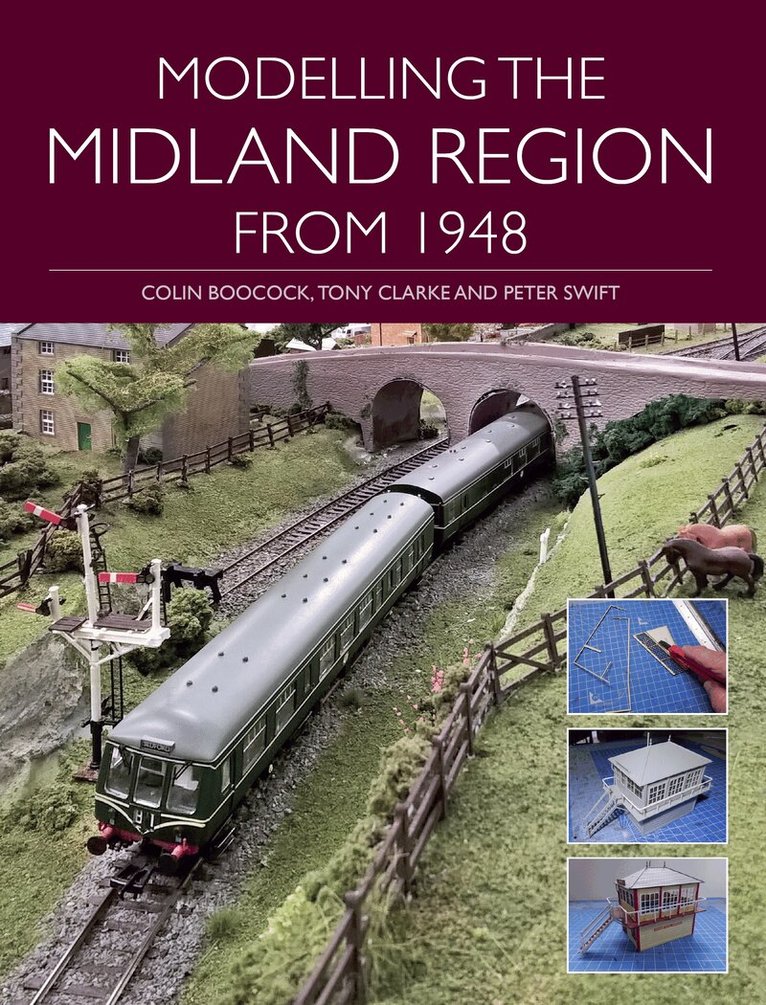
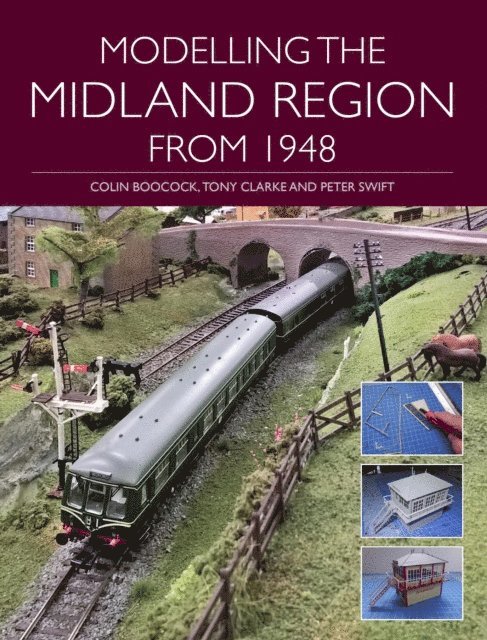
The London Midland Region covered a huge part of England from London to the north and north west, from the Scottish borders into the south west. It served huge metropolitan cities and towns, supported heavy industry, and ran through areas of outstanding natural beauty such as the Peak District and Lake District. Modelling the Midland Region from 1948 is an essential guide to creating your own model based on the London Midland Region of the British Railways era. It covers the history of the London Midland Region; British Rail and LMS locomotives; passenger and goods rolling stock; structures and scenery unique to the region, and signalling and electrification. The authors of this book are trustees of the charity Famous Trains model railway and directors of its operating company Famous Trains Ltd.
E-bok
Engelska, 2019237 kr
Läs direkt efter köp
The London Midland Region covered a huge part of England from London to the north and north west, from the Scottish borders into the south west. It served huge metropolitan cities and towns, supported heavy industry, and ran through areas of outstanding natural beauty such as the Peak District and Lake District. Modelling the Midland Region from 1948 is an essential guide to creating your own model based on the London Midland Region of the British Railways era. It covers the history of the London Midland Region; British Rail and LMS locomotives; passenger and goods rolling stock; structures and scenery unique to the region, and signalling and electrification. The authors of this book are trustees of the charity Famous Trains model railway and directors of its operating company Famous Trains Ltd. An essential guide to creating your own model based on the London Midland region, for all scales and levels of interest, and fully illustrated with 232 colour photographs and 15 diagrams.