Colin Kennedy - Böcker
Visar alla böcker från författaren Colin Kennedy. Handla med fri frakt och snabb leverans.
2 produkter
2 produkter
396 kr
Tillfälligt slut
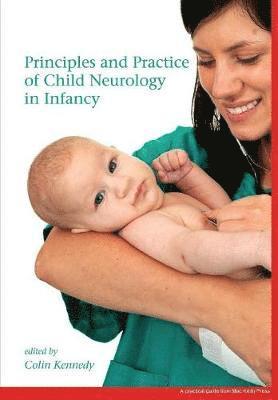
This handbook of neurological practice in infants is designed to be of practical use to all clinicians, but particularly those in under-resourced locations. Seventy per cent of children with disabilities live in resource-poor countries and most of these children have neurological impairments. This book presents recommendations for investigations and treatments based on internationally accepted good practice that can be implemented in most settings. The book is divided into two parts: Principles and Clinical settings, with the latter taking a symptom-based approach. The contributors have approached their chapters using an accessible, didactic style and consistent organization of material. The emphasis throughout is on clinical methods, the use of appropriate investigations and treatments, and the avoidance of unnecessary or potentially harmful interventions. For quick reference, all chapters feature boxes highlighting key messages, common errors, and when to worry. The book is designed to be carried round as a handy reference.ReadershipAll those providing care for children with neurological problems, including those in resource-poor settings. This includes paediatric neurologists but also neonatologists, general paediatricians, community paediatricians, specialists in neurodisability, paediatric rehabilitation, epilepsy and paediatric neurology. The book also includes information that would be useful to specialist nurses and final-year medical students.
910 kr
Skickas inom 7-10 vardagar
The scope of the book includes all neurological problems in infancy. In the first half, it sets out in a succinct format the principles of working with families, of clinical assessment, of the use of investigations and treatments, and of evidence-based medicine. The second, symptom-based half of the book provides detailed guidance on the practice of child neurology in infancy. The authors are distinguished experts drawn from all over Europe. The contributors have approached their chapters using an accessible, didactic style and consistent organization of material. The emphasis throughout is on clinical methods, the use of appropriate investigations and treatments, and the avoidance of unnecessary or potentially harmful interventions. For quick reference, all chapters feature boxes highlighting key messages, common errors, and when to worry. The book is designed to be carried round as a handy reference.