Coll Thrush – författare
Visar alla böcker från författaren Coll Thrush. Handla med fri frakt och snabb leverans.
15 produkter
15 produkter
Inbunden, Engelska, 2017
1 693 kr
Skickas inom 3-6 vardagar
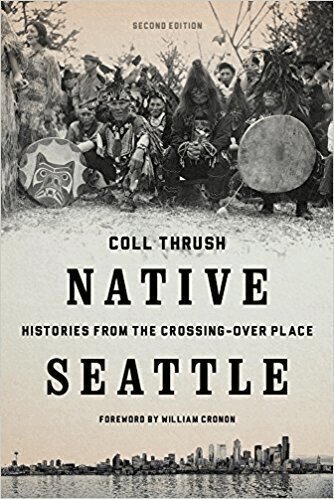
Winner of the 2008 Washington State Book Award in History/BiographyThis updated edition of Native Seattle brings the indigenous story to the present day and puts the movement of recognizing Seattle's Native past into a broader context. Native Seattle focuses on the experiences of local indigenous communities on whose land Seattle grew, accounts of Native migrants to the city and the development of a multi-tribal urban community, as well as the role Native Americans have played in the narrative of Seattle.
Inbunden, Engelska, 2018
1 832 kr
Skickas inom 5-8 vardagar
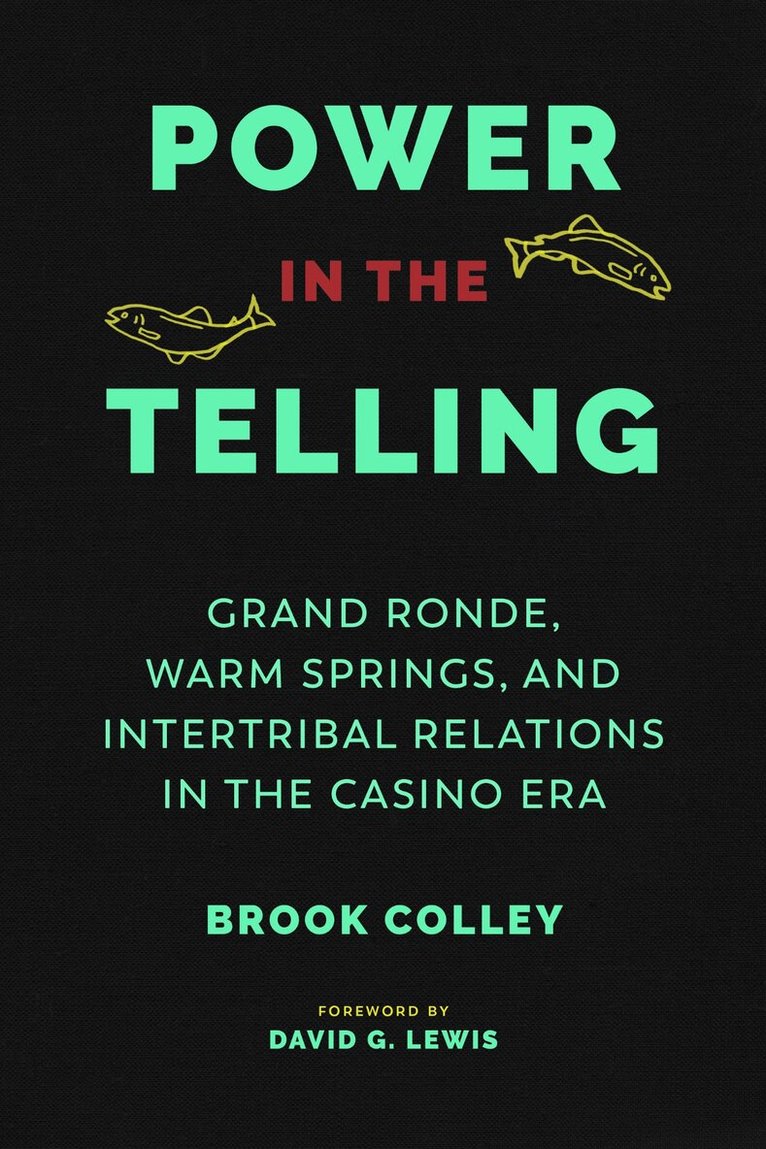
From 1998 through 2013, the Confederated Tribes of Warm Springs sought to develop a casino in Cascade Locks, Oregon. This prompted objections from the Confederated Tribes of Grand Ronde, who already operated a lucrative casino in the region. Brook Colley’s in-depth case study unravels the history of this disagreement and challenges the way conventional media characterizes intertribal casino disputes in terms of corruption and greed. Instead, she locates these conflicts within historical, social, and political contexts of colonization.Through extensive interviews, Colley brings to the forefront Indigenous perspectives on intertribal conflict related to tribal gaming. She reveals how casino economies affect the relationship between gaming tribes and federal and state governments, and the repercussions for the tribes themselves. Ultimately, Colley’s engaging examination explores strategies for reconciliation and cooperation, emphasizing narratives of resilience and tribal sovereignty.
Häftad, Engelska, 2018
450 kr
Skickas inom 5-8 vardagar
From 1998 through 2013, the Confederated Tribes of Warm Springs sought to develop a casino in Cascade Locks, Oregon. This prompted objections from the Confederated Tribes of Grand Ronde, who already operated a lucrative casino in the region. Brook Colley’s in-depth case study unravels the history of this disagreement and challenges the way conventional media characterizes intertribal casino disputes in terms of corruption and greed. Instead, she locates these conflicts within historical, social, and political contexts of colonization.Through extensive interviews, Colley brings to the forefront Indigenous perspectives on intertribal conflict related to tribal gaming. She reveals how casino economies affect the relationship between gaming tribes and federal and state governments, and the repercussions for the tribes themselves. Ultimately, Colley’s engaging examination explores strategies for reconciliation and cooperation, emphasizing narratives of resilience and tribal sovereignty.
Inbunden, Engelska, 2018
1 832 kr
Skickas inom 5-8 vardagar
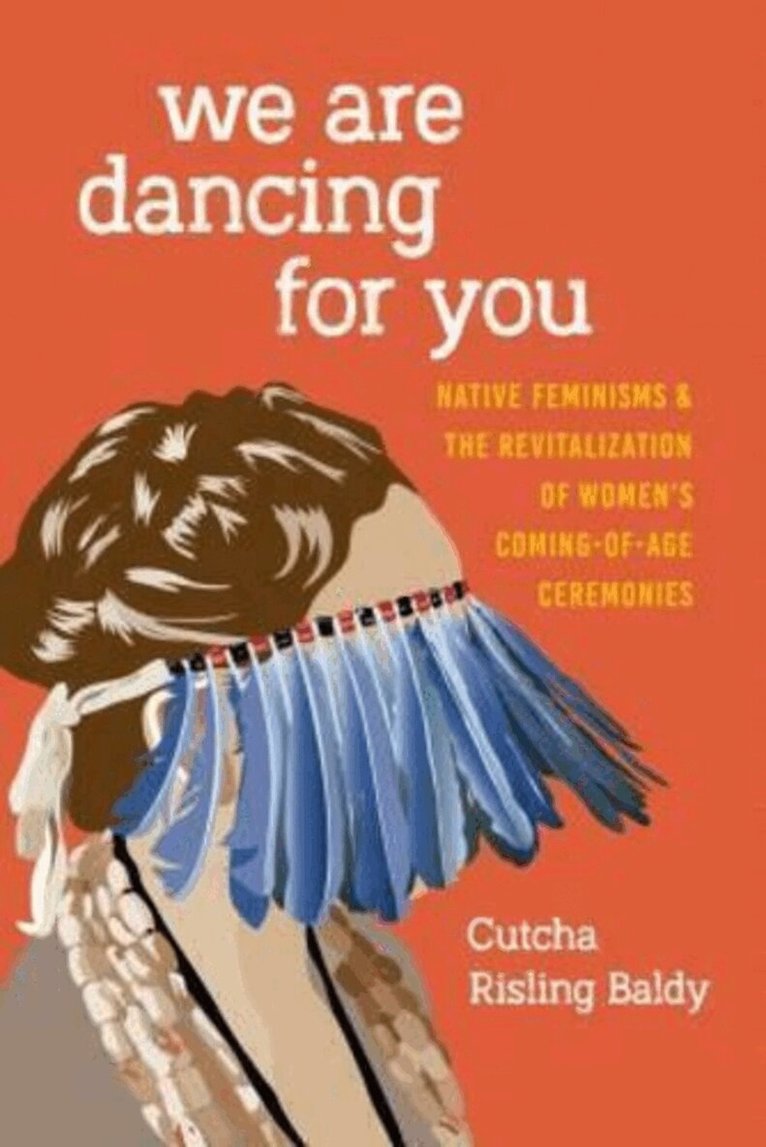
“I am here. You will never be alone. We are dancing for you.” So begins Cutcha Risling Baldy’s deeply personal account of the revitalization of the women’s coming-of-age ceremony for the Hoopa Valley Tribe. At the end of the twentieth century, the tribe’s Flower Dance had not been fully practiced for decades. The women of the tribe, recognizing the critical importance of the tradition, undertook its revitalization using the memories of elders and medicine women and details found in museum archives, anthropological records, and oral histories.Deeply rooted in Indigenous knowledge, Risling Baldy brings us the voices of people transformed by cultural revitalization, including the accounts of young women who have participated in the Flower Dance. Using a framework of Native feminisms, she locates this revival within a broad context of decolonizing praxis and considers how this renaissance of women’s coming-of-age ceremonies confounds ethnographic depictions of Native women; challenges anthropological theories about menstruation, gender, and coming-of-age; and addresses gender inequality and gender violence within Native communities.
Häftad, Engelska, 2018
450 kr
Skickas inom 5-8 vardagar
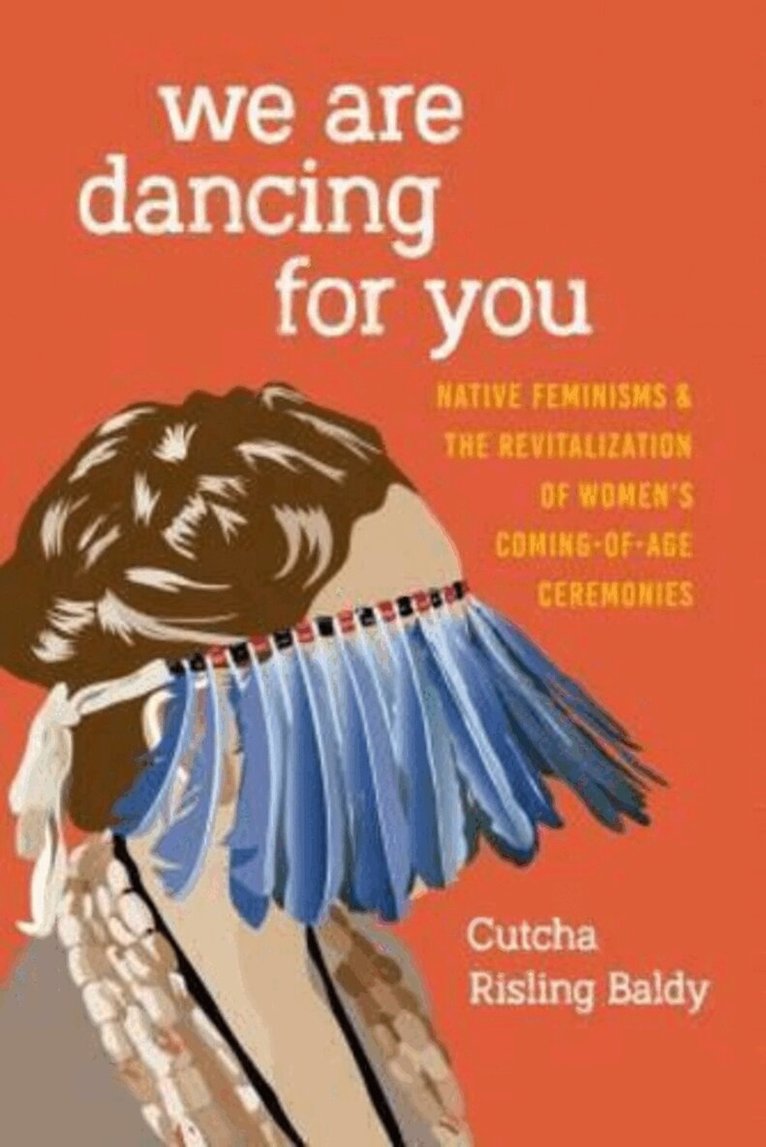
“I am here. You will never be alone. We are dancing for you.” So begins Cutcha Risling Baldy’s deeply personal account of the revitalization of the women’s coming-of-age ceremony for the Hoopa Valley Tribe. At the end of the twentieth century, the tribe’s Flower Dance had not been fully practiced for decades. The women of the tribe, recognizing the critical importance of the tradition, undertook its revitalization using the memories of elders and medicine women and details found in museum archives, anthropological records, and oral histories.Deeply rooted in Indigenous knowledge, Risling Baldy brings us the voices of people transformed by cultural revitalization, including the accounts of young women who have participated in the Flower Dance. Using a framework of Native feminisms, she locates this revival within a broad context of decolonizing praxis and considers how this renaissance of women’s coming-of-age ceremonies confounds ethnographic depictions of Native women; challenges anthropological theories about menstruation, gender, and coming-of-age; and addresses gender inequality and gender violence within Native communities.
Häftad, Engelska, 2023
450 kr
Skickas inom 5-8 vardagar
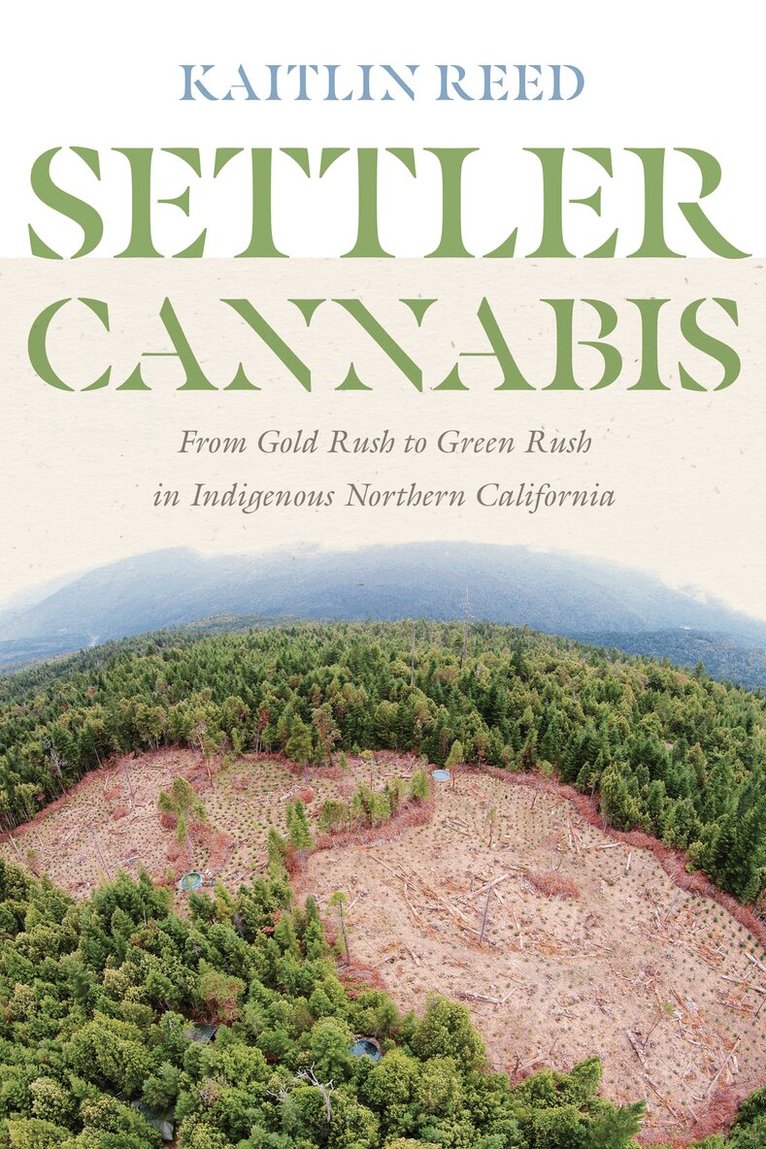
Connects California cannabis production to the violence and dispossession of Indigenous land and peopleYoung countercultural back-to-the-land settlers flocked to northwestern California beginning in the 1960s, and by the 1970s, unregulated cannabis production proliferated on Indigenous lands. As of 2021, the California cannabis economy was valued at $3.5 billion. In Settler Cannabis, Kaitlin Reed demonstrates how this "green rush" is only the most recent example of settler colonial resource extraction and wealth accumulation. Situating the cannabis industry within this broader legacy, the author traces patterns of resource rushing—first gold, then timber, then fish, and now cannabis—to reveal the ongoing impacts on Indigenous cultures, lands, waters, and bodies. Reed shares this history to inform the path toward an alternative future, one that starts with the return of land to Indigenous stewardship and rejects the commodification and control of nature for profit. Combining archival research with testimonies and interviews with tribal members, tribal employees, and settler state employees, Settler Cannabis offers a groundbreaking analysis of the environmental consequences of cannabis cultivation that foregrounds Indigenous voices, experiences, and histories.
Inbunden, Engelska, 2024
1 693 kr
Skickas inom 3-6 vardagar
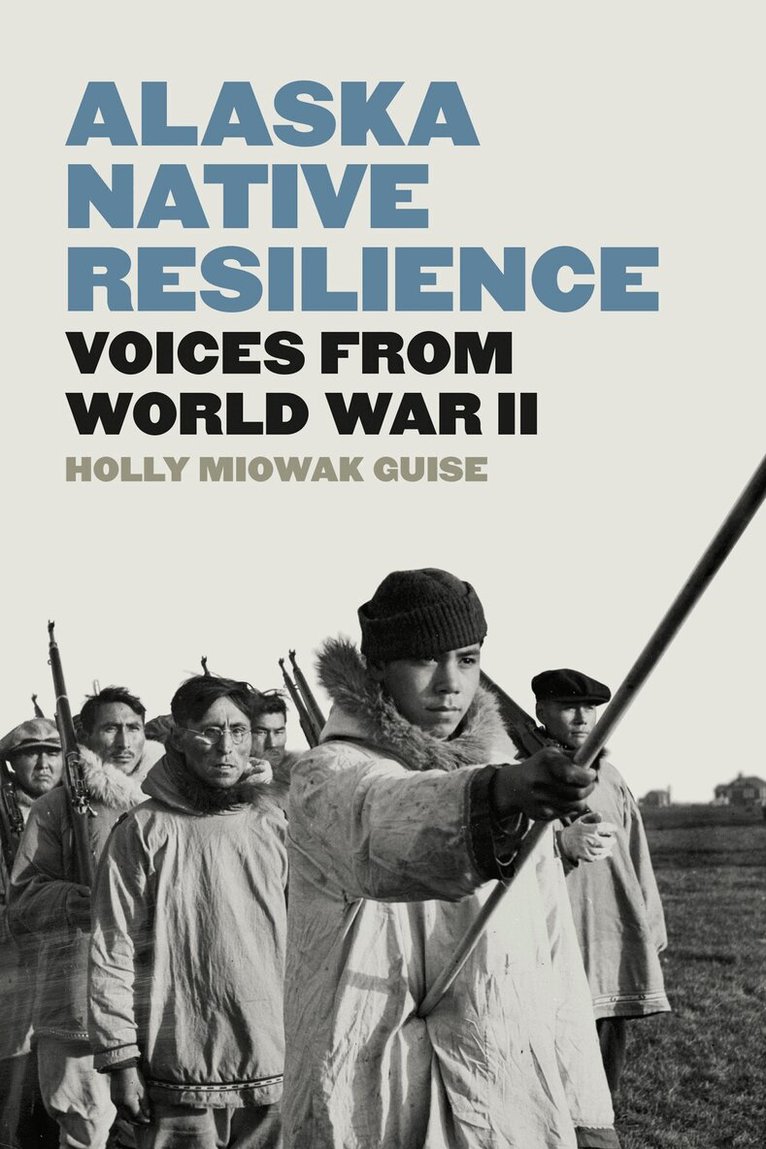
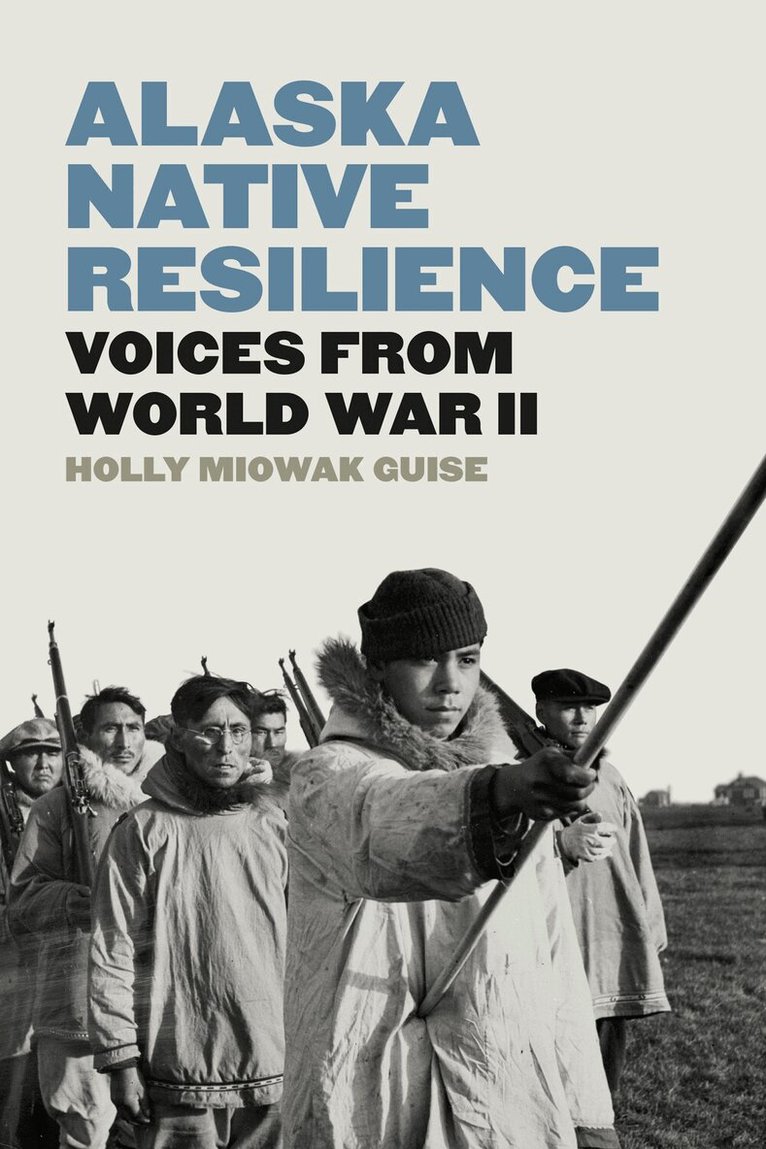
Winner of the 2025 Robert M. Utley Award, Western History AssociationWinner of the 2025 John C. Ewers Award, Western History AssociationWinner of the 2025 Robert G. Athearn Award, Western History AssociationWinner of the 2025 Caroline Bancroft History Prize, Denver Public Library’s Special Collection and ArchivesFinalist for the 2025 Shapiro Book Prize, Huntington LibraryHonorable Mentionn for the 2025 Erminie Wheeler-Voegelin Prize, American Society for EthnohistoryAlaska Native elders remember wartime invasion, relocation, and land reclamationThe US government justified its World War II occupation of Alaska as a defense against Japan’s invasion of the Aleutian Islands, but it equally served to advance colonial expansion in relation to the geographically and culturally diverse Indigenous communities affected. Offering important Alaska Native experiences of this history, Holly Miowak Guise draws on a wealth of oral histories and interviews with Indigenous elders to explore the multidimensional relationship between Alaska Natives and the US military during the Pacific War.The forced relocation and internment of Unangax̂ in 1942 proved a harbinger of Indigenous loss and suffering in World War II Alaska. Violence against Native women, assimilation and Jim Crow segregation, and discrimination against Native servicemen followed the colonial blueprint. Yet Alaska Native peoples took steps to enact their sovereignty and restore equilibrium to their lives by resisting violence and disrupting attempts at US control. Their subversive actions altered the colonial structures imposed upon them by maintaining Indigenous spaces and asserting sovereignty over their homelands.A multifaceted challenge to conventional histories, Alaska Native Resilience shares the experiences of Indigenous peoples from across Alaska to reveal long-overlooked demonstrations of Native opposition to colonialism.
Häftad, Engelska, 2024
450 kr
Skickas inom 5-8 vardagar
Winner of the 2025 Robert M. Utley Award, Western History AssociationWinner of the 2025 John C. Ewers Award, Western History AssociationWinner of the 2025 Robert G. Athearn Award, Western History AssociationWinner of the 2025 Caroline Bancroft History Prize, Denver Public Library’s Special Collection and ArchivesFinalist for the 2025 Shapiro Book Prize, Huntington LibraryHonorable Mentionn for the 2025 Erminie Wheeler-Voegelin Prize, American Society for EthnohistoryAlaska Native elders remember wartime invasion, relocation, and land reclamationThe US government justified its World War II occupation of Alaska as a defense against Japan’s invasion of the Aleutian Islands, but it equally served to advance colonial expansion in relation to the geographically and culturally diverse Indigenous communities affected. Offering important Alaska Native experiences of this history, Holly Miowak Guise draws on a wealth of oral histories and interviews with Indigenous elders to explore the multidimensional relationship between Alaska Natives and the US military during the Pacific War.The forced relocation and internment of Unangax̂ in 1942 proved a harbinger of Indigenous loss and suffering in World War II Alaska. Violence against Native women, assimilation and Jim Crow segregation, and discrimination against Native servicemen followed the colonial blueprint. Yet Alaska Native peoples took steps to enact their sovereignty and restore equilibrium to their lives by resisting violence and disrupting attempts at US control. Their subversive actions altered the colonial structures imposed upon them by maintaining Indigenous spaces and asserting sovereignty over their homelands.A multifaceted challenge to conventional histories, Alaska Native Resilience shares the experiences of Indigenous peoples from across Alaska to reveal long-overlooked demonstrations of Native opposition to colonialism.
Inbunden, Engelska, 2024
1 697 kr
Skickas inom 3-6 vardagar
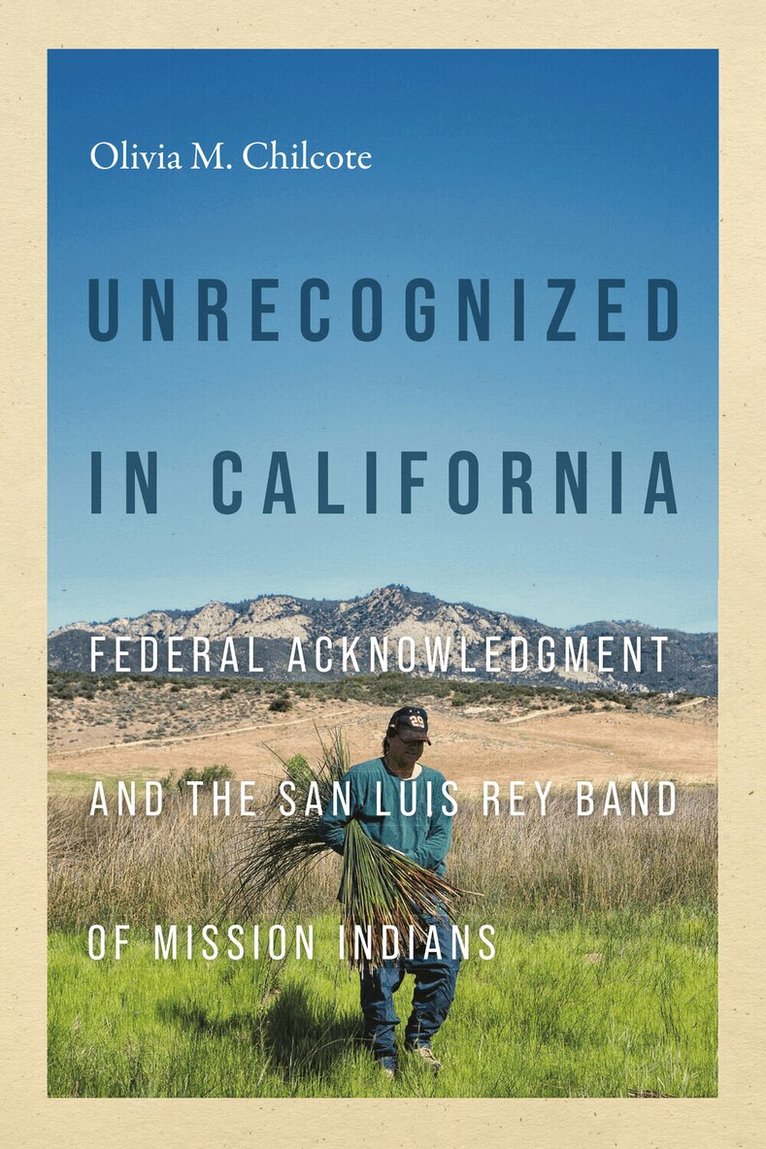
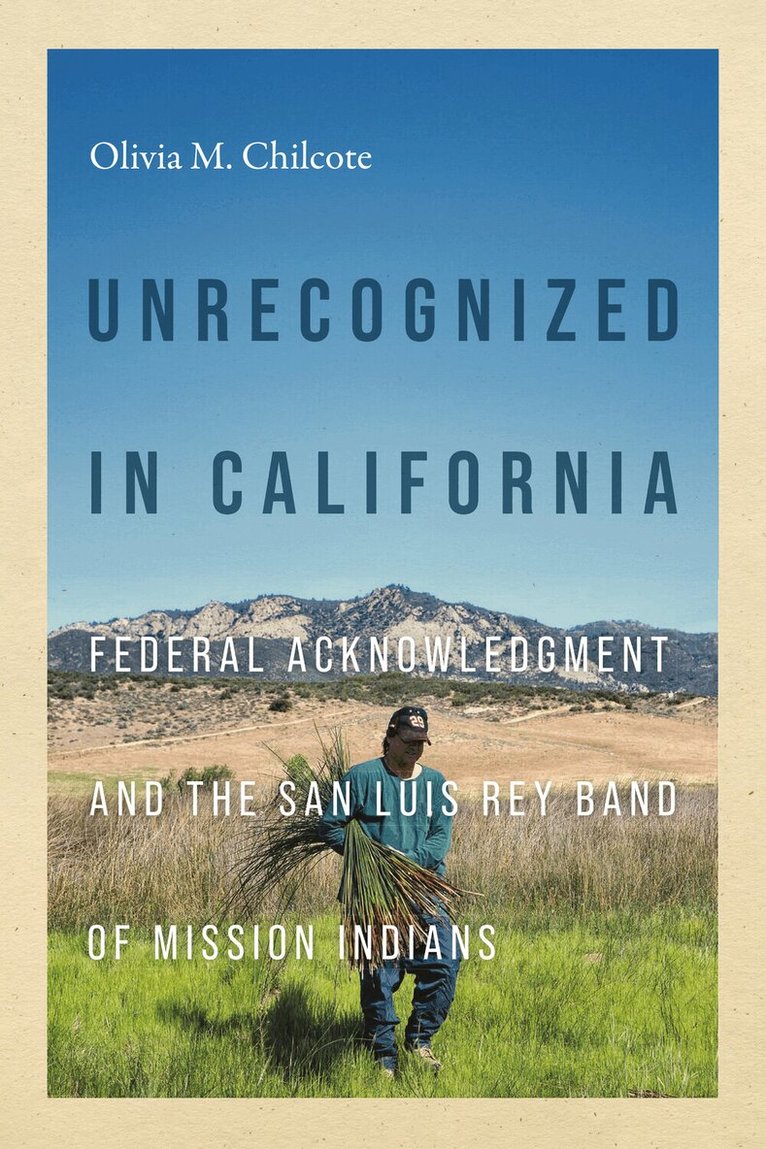
An inside account of one Luiseño tribe's history and their efforts to be recognized by the United StatesWith the largest number of Native Americans as well as the most non-federally recognized tribes in the United States, the state of California is a key site for sovereignty struggles, including federal recognition. In Unrecognized in California, Olivia M. Chilcote, member of the San Luis Rey Band of Mission Indians of San Diego County, demonstrates how the state’s colonial history is foundational to the ongoing crisis over tribal legal status. In the context of the history and experience of her tribal community, Chilcote traces the tensions and contradictions—but also the limits and opportunities—surrounding federal recognition for California Indians. Based on the author's experiences, interviews with tribal leaders, and hard-to-access archives, the book tells the story of the San Luis Rey Band's efforts to gain recognition through the Federal Acknowledgment Process.The tribe's recognition movement originated in historic struggles against colonization and represents the most recent iteration of ongoing work to secure the tribe’s rightful claims to land, resources, and respect. As Chilcote shows, the San Luis Rey Band successfully uses its inherent legal powers to maintain its community identity and self-determination while the tribe's Luiseño members endeavor to ensure that the tribe endures.Perceptive and comprehensive, Unrecognized in California explores one tribe's confrontations with the federal government, the politics of Native American identity, and California's distinct crisis of tribal federal recognition.
Häftad, Engelska, 2024
450 kr
Skickas inom 5-8 vardagar
An inside account of one Luiseño tribe's history and their efforts to be recognized by the United StatesWith the largest number of Native Americans as well as the most non-federally recognized tribes in the United States, the state of California is a key site for sovereignty struggles, including federal recognition. In Unrecognized in California, Olivia M. Chilcote, member of the San Luis Rey Band of Mission Indians of San Diego County, demonstrates how the state’s colonial history is foundational to the ongoing crisis over tribal legal status. In the context of the history and experience of her tribal community, Chilcote traces the tensions and contradictions—but also the limits and opportunities—surrounding federal recognition for California Indians. Based on the author's experiences, interviews with tribal leaders, and hard-to-access archives, the book tells the story of the San Luis Rey Band's efforts to gain recognition through the Federal Acknowledgment Process.The tribe's recognition movement originated in historic struggles against colonization and represents the most recent iteration of ongoing work to secure the tribe’s rightful claims to land, resources, and respect. As Chilcote shows, the San Luis Rey Band successfully uses its inherent legal powers to maintain its community identity and self-determination while the tribe's Luiseño members endeavor to ensure that the tribe endures.Perceptive and comprehensive, Unrecognized in California explores one tribe's confrontations with the federal government, the politics of Native American identity, and California's distinct crisis of tribal federal recognition.
Häftad, Engelska, 2024
450 kr
Skickas inom 5-8 vardagar
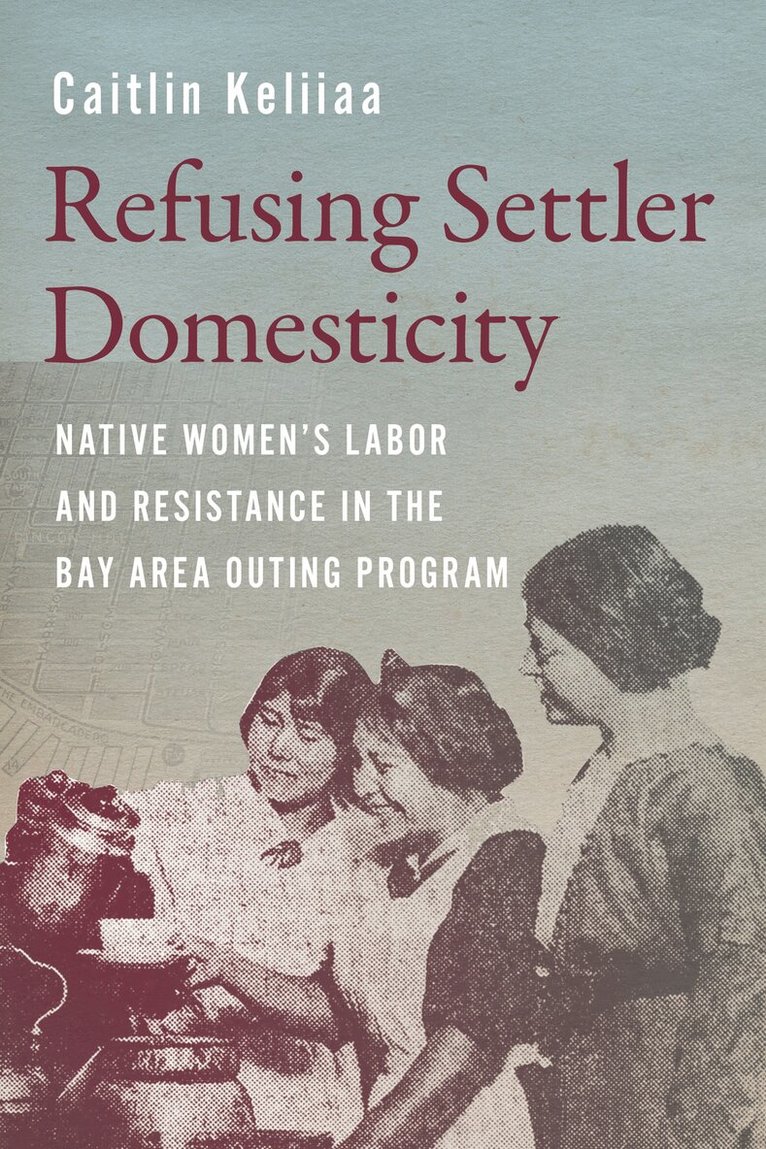
Winner of the 2025 Erminie Wheeler-Voegelin Book Award, American Society for EthnohistoryHonorable Mention for the 2025 Labriola Center American Indian National Book AwardHonorable Mention for the 2025 Pacific Coast Branch Award, American Historical AssociationTraces young Native women’s lives and experiences as Bay Area domestic workersIn the early twentieth century, the Bay Area Outing Program coercively recruited over a thousand Native girls and women from boarding schools to labor as live-in domestic workers across the San Francisco Bay Area. Outing removed Native people from their communities and transferred them to white homes, farms, and businesses to work as menial laborers. In exchange for room, board, and meager pay, Native women and girls as young as twelve cooked, cleaned, and lived in the homes of their employers. Despite oppressive living and working conditions, they strategically resisted the worst aspects of outing, including Indian child removal, sexual surveillance, criminalization, and exploitation. Throughout, they forged social connections and navigated relationships to refuse domestication and assert their agency. In this groundbreaking work, historian Caitlin Keliiaa examines Native women’s lived experiences of federal policy and connects outing to the region’s longer history of coerced Native labor. Refusing Settler Domesticity explores the unexpected story of Native women in the Bay Area, decades before Indian Relocation, illuminating the women who helped shape the Bay Area Indian community as we know it today. This book, as indictment, expands the existing work on Indian boarding schools, urban Indians, and the history of California and the West.
Häftad, Engelska, 2024
450 kr
Skickas inom 5-8 vardagar
Challenges the romantic portrayal of Spanish missionsSites of slavery and spiritual conquest, the California missions played a central role in the brutal subjugation of the region’s Indigenous peoples. Mainstream California history, however, still largely presents a romanticized portrait of the creation of the twenty-one Spanish missions between San Diego and Sonoma in the late eighteenth and early nineteenth centuries. Providing a corrective to this benign historiography, Charles A. Sepulveda reconstructs the violence toward Native people as well the resistance and refusals of his ancestors and other Native people during and after the Spanish genocide. The conquest enforced the attempted spiritual possession of Native souls and the physical position of Native bodies and the land. At the same time, it strengthened the Spanish view of California’s Indigenous people as disposable. Sepulveda demonstrates how enslavement was a key method of conquest, putting to rest the myth of the Spanish as benevolent and beneficial. Centering the experiences of Native peoples, Sepulveda brings to light the gendered dimensions of the conquest and genocide. His fuller history confronts the erasure of Indian individuality and resistance and historicizes the relationship between enslavement, dispossession, and environmental degradation. He also illuminates the mission system’s central role in destroying Indigenous people’s relationships to the land while examining the practice’s centuries-long impact on the lives of Native people. A groundbreaking reconsideration, Native Alienation transforms our understanding of California Indian history.
Inbunden, Engelska, 2017
386 kr
Skickas inom 5-8 vardagar
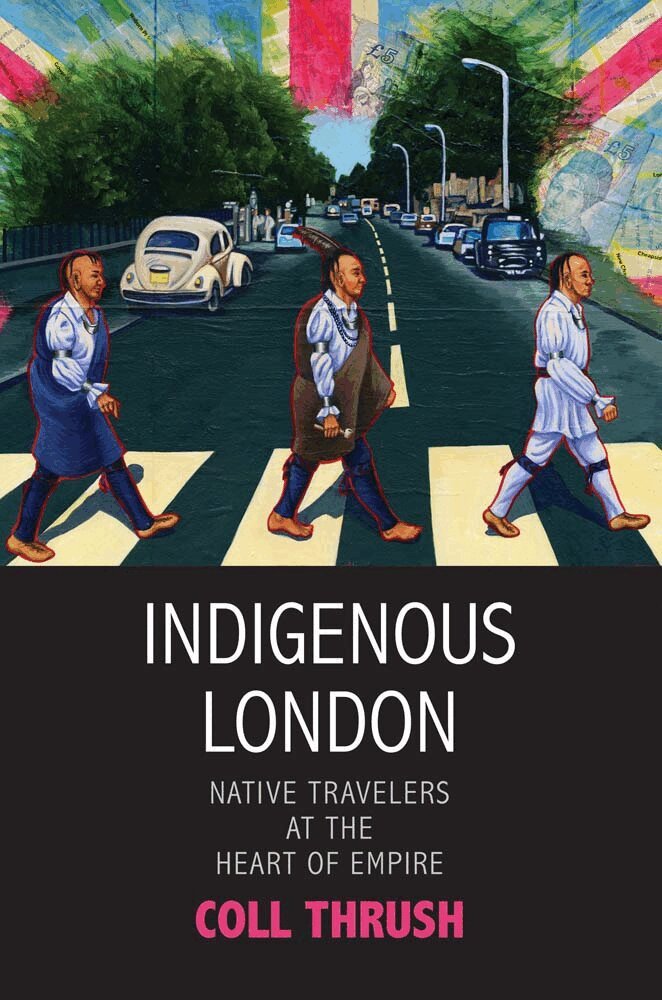
An imaginative retelling of London’s history, framed through the experiences of Indigenous travelers who came to the city over the course of more than five centuries “Thrush has certainly offered a powerful corrective to the usual geographies imagined for Indigenous people in the past, as well as a new layer to the palimpsest history of Britain’s imperial capital.”—Kate Fullagar, William and Mary Quarterly London is famed both as the ancient center of a former empire and as a modern metropolis of bewildering complexity and diversity. In Indigenous London, historian Coll Thrush offers an imaginative vision of the city’s past crafted from an almost entirely new perspective: that of Indigenous children, women, and men who traveled there, willingly or otherwise, from territories that became Canada, New Zealand, Australia, and the United States, beginning in the sixteenth century. They included captives and diplomats, missionaries and shamans, poets and performers. Some, like the Powhatan noblewoman Pocahontas, are familiar; others, like an Odawa boy held as a prisoner of war, have almost been lost to history. In drawing together their stories and their diverse experiences with a changing urban culture, Thrush also illustrates how London learned to be a global, imperial city and how Indigenous people were central to that process.
Häftad, Engelska, 2025
196 kr
Skickas inom 5-8 vardagar
An imaginative retelling of London’s history, framed through the experiences of Indigenous travelers who came to the city over the course of more than five centuries “Thrush has certainly offered a powerful corrective to the usual geographies imagined for Indigenous people in the past, as well as a new layer to the palimpsest history of Britain’s imperial capital.”—Kate Fullagar, William and Mary Quarterly London is famed both as the ancient center of a former empire and as a modern metropolis of bewildering complexity and diversity. In Indigenous London, historian Coll Thrush offers an imaginative vision of the city’s past crafted from an almost entirely new perspective: that of Indigenous children, women, and men who traveled there, willingly or otherwise, from territories that became Canada, New Zealand, Australia, and the United States, beginning in the sixteenth century. They included captives and diplomats, missionaries and shamans, poets and performers. Some, like the Powhatan noblewoman Pocahontas, are familiar; others, like an Odawa boy held as a prisoner of war, have almost been lost to history. In drawing together their stories and their diverse experiences with a changing urban culture, Thrush also illustrates how London learned to be a global, imperial city and how Indigenous people were central to that process.
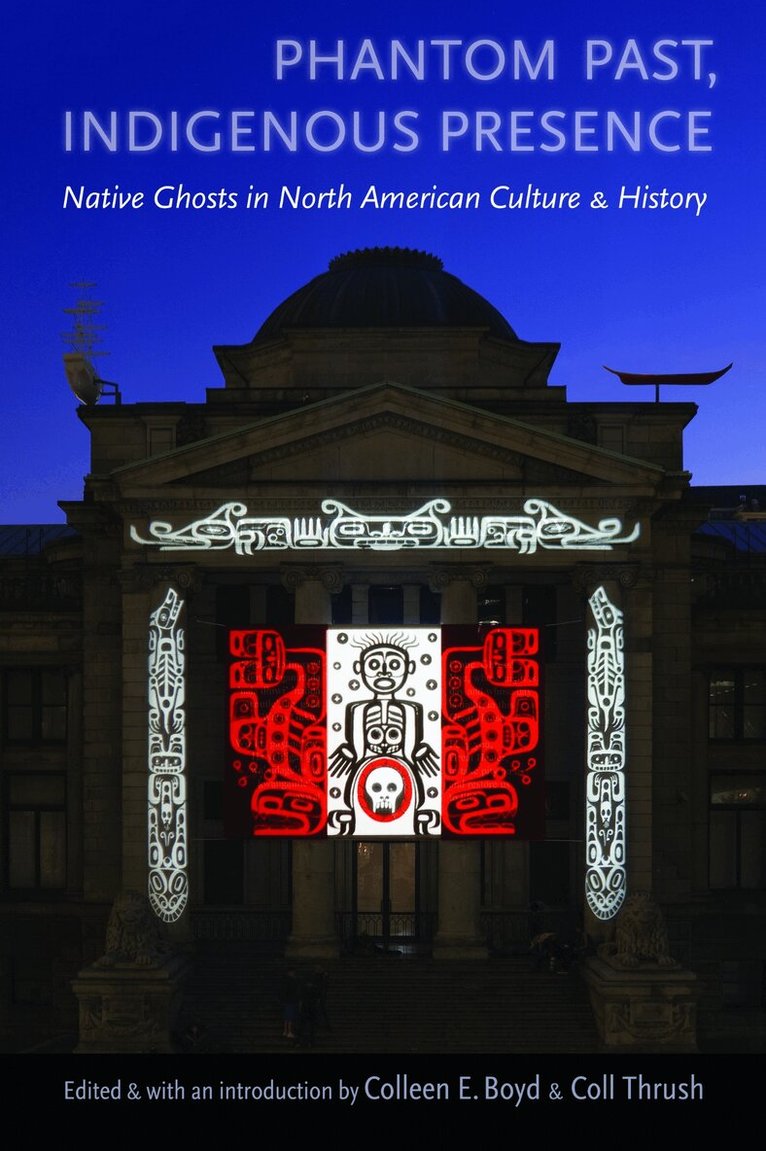
Häftad, Engelska, 2011
426 kr
Skickas inom 10-15 vardagar
The imagined ghosts of Native Americans have been an important element of colonial fantasy in North America ever since European settlements were established in the seventeenth century. Native burial grounds and Native ghosts have long played a role in both regional and local folklore and in the national literature of the United States and Canada, as settlers struggled to create a new identity for themselves that melded their European heritage with their new, North American frontier surroundings. In this interdisciplinary volume, Colleen E. Boyd and Coll Thrush bring together scholars from a variety of fields to discuss this North American fascination with "the phantom Native American." Phantom Past, Indigenous Presence explores the importance of ancestral spirits and historic places in Indigenous and settler communities as they relate to territory and history—in particular cultural, political, social, historical, and environmental contexts. From examinations of how individuals reacted to historical cases of "hauntings," to how Native phantoms have functioned in the literature of North Americans, to interdisciplinary studies of how such beliefs and narratives allowed European settlers and Indigenous people to make sense of the legacies of colonialism and conquest, these essays show how the past and the present are intertwined through these stories.