Colleen Elizabeth Kelley - Böcker
Visar alla böcker från författaren Colleen Elizabeth Kelley. Handla med fri frakt och snabb leverans.
5 produkter
5 produkter
1 873 kr
Skickas inom 5-8 vardagar
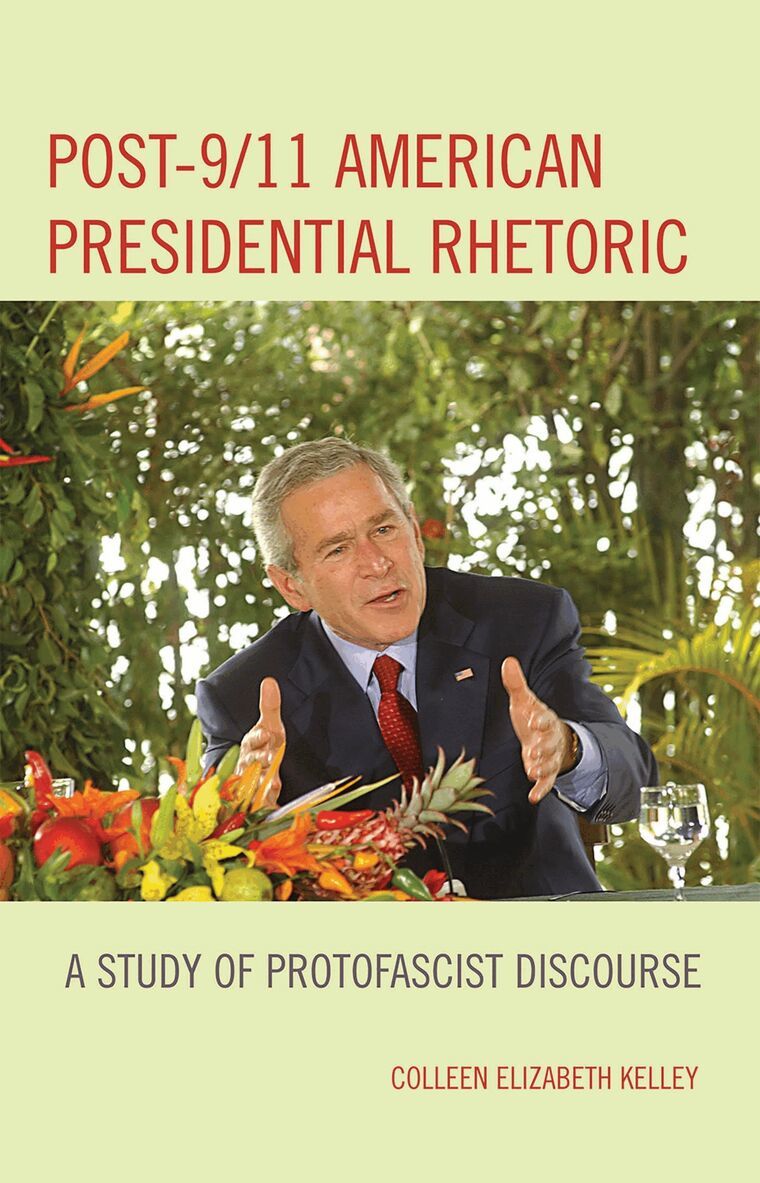
Post-9/11 American Presidential Rhetoric examines the communication offensive orchestrated by George W. Bush and the members of his administration between the initial terrorism crisis of September 11, 2001, and the March 20, 2003, invasion of Iraq. Colleen Elizabeth Kelley argues that the president relied on a set of particular strategies that coalesced into protofascist talk in order to discursively manage the post-9/11 situation and justify its 2003 war against Iraq. This book suggests a framework for analyzing emergent fascist public discourse and its potential for producing additional substantial antidemocratic speech and action. Kelley further reviews the role of the media in conveying President Bush's rhetorical doctrine to the American public. The rhetoric of democratic discourse is presented as a firewall to guarantee that such speech-based behaviors, which are endorsed by willing publics and developed within democracies, fail to thrive and do not destroy the very systems that enabled them in the first place. Post-9/11 American Presidential Rhetoric is a stimulating text that will strike up discussion among scholars of political communication and those interested in cultural studies.
675 kr
Skickas inom 10-15 vardagar
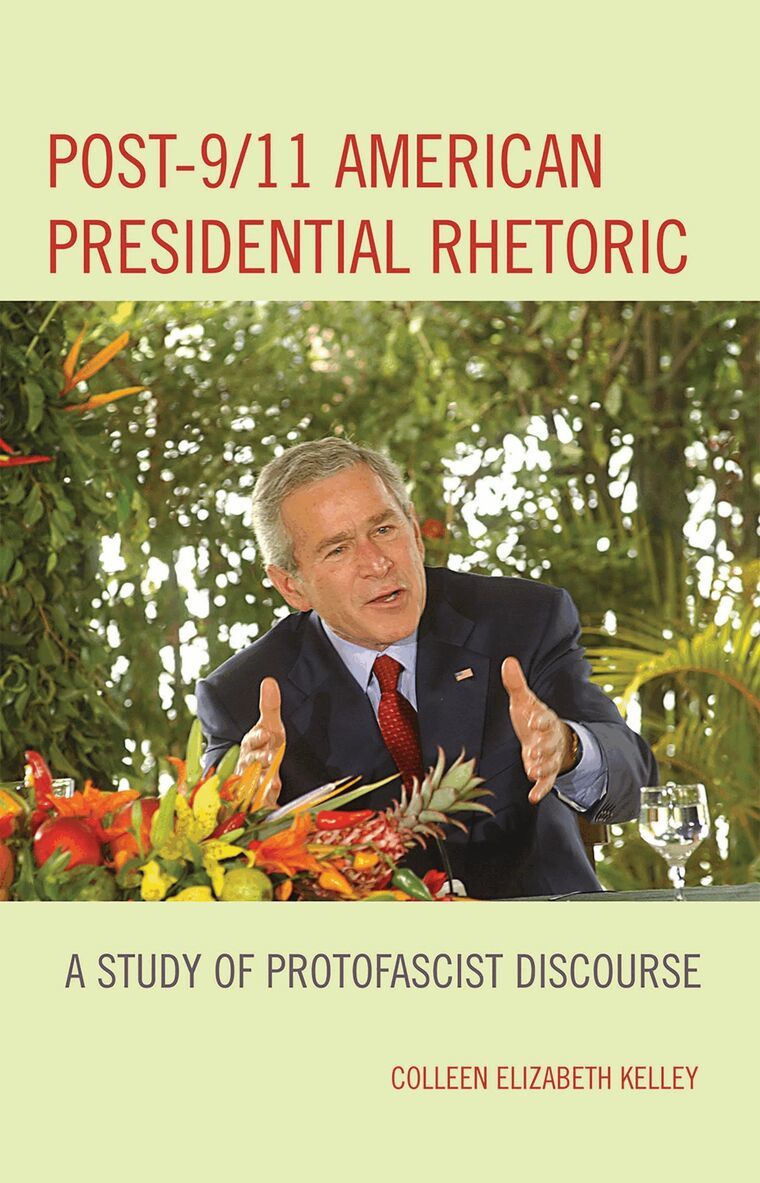
Post-9/11 American Presidential Rhetoric examines the communication offensive orchestrated by George W. Bush and the members of his administration between the initial terrorism crisis of September 11, 2001, and the March 20, 2003, invasion of Iraq. Colleen Elizabeth Kelley argues that the president relied on a set of particular strategies that coalesced into protofascist talk in order to discursively manage the post-9/11 situation and justify its 2003 war against Iraq. This book suggests a framework for analyzing emergent fascist public discourse and its potential for producing additional substantial antidemocratic speech and action. Kelley further reviews the role of the media in conveying President Bush's rhetorical doctrine to the American public. The rhetoric of democratic discourse is presented as a firewall to guarantee that such speech-based behaviors, which are endorsed by willing publics and developed within democracies, fail to thrive and do not destroy the very systems that enabled them in the first place. Post-9/11 American Presidential Rhetoric is a stimulating text that will strike up discussion among scholars of political communication and those interested in cultural studies.
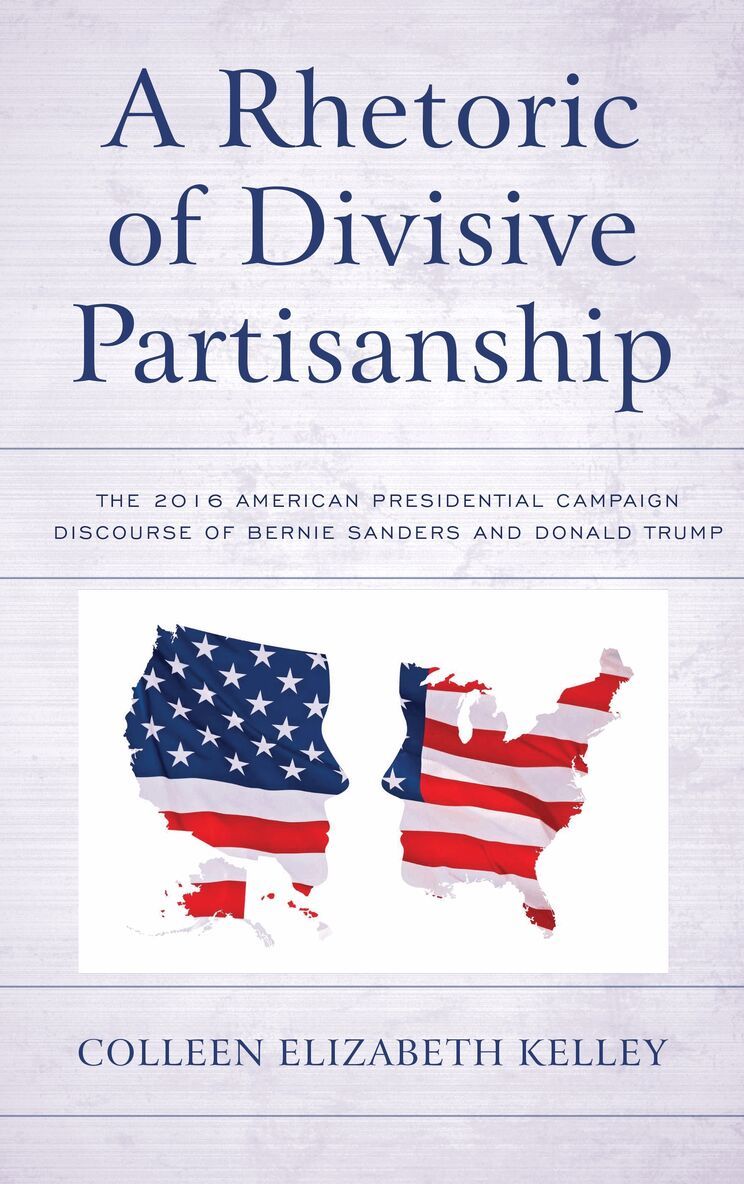
Rhetoric of Divisive Partisanship
The 2016 American Presidential Campaign Discourse of Bernie Sanders and Donald Trump
Häftad, Engelska, 2020
515 kr
Skickas inom 10-15 vardagar
A Rhetoric of Divisive Partisanship: The 2016 American Presidential Campaign Discourse of Bernie Sanders and Donald Trump examines the campaign speeches of Bernie Sanders and Donald Trump as they targeted members of the American public that were ideologically different but equally emotionally vulnerable. Each appealed to marginalized segments of the electorate, groups at opposite ends of the political spectrum, joined through a shared distrust and fear of politics instead of political or even party affiliation. Both Sanders and Trump polarized and reinforced their respective bases as “outsiders.” Both relied on anti-establishment arguments and discussions grounded in personal attacks against “enemies” during which they joined their target audiences as marginalized outsiders united through a desire to overthrow the status quo and re-claim America. The book expands on previous ideas about dialogue and political talk and asserts that rather than serving as a model of civic and civil discourse, the rhetoric of Sanders and Trump was reactionary and divisive, begun with different intentions and producing different results.
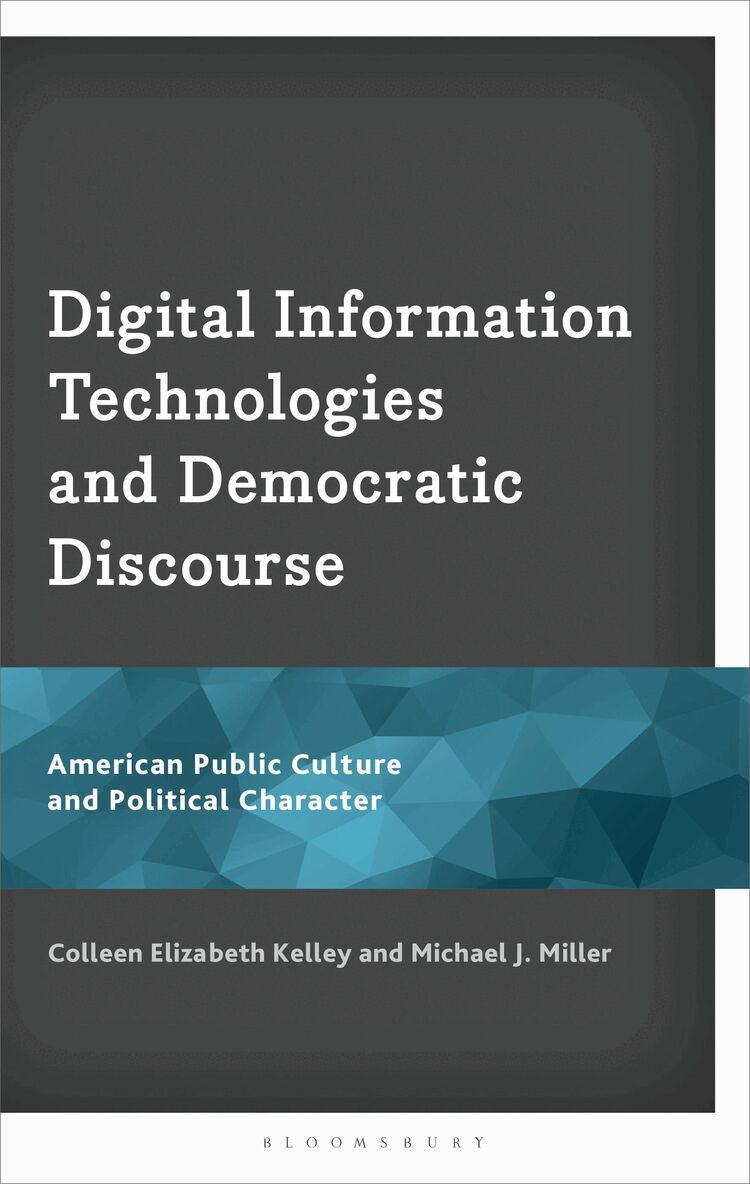
Digital Information Technologies and Democratic Discourse
American Public Culture and Political Character
Inbunden, Engelska, 2026
1 571 kr
Kommande
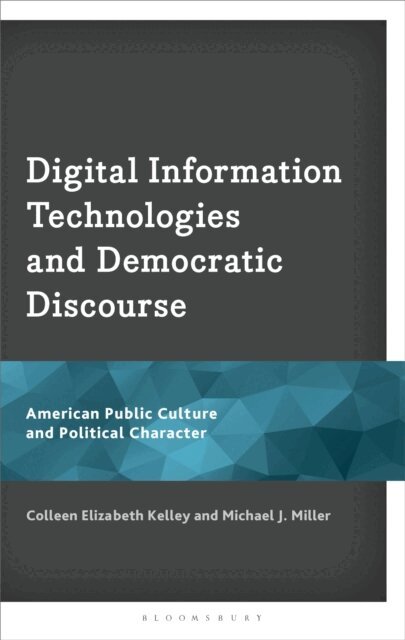
Colleen Elizabeth Kelley and Michael J. Miller explore how democracy both functions and falters when media, politics, and rhetorical discourses collide.Democracy thrives on information and public engagement. Digital spaces and technologies, while significantly enriching our cyberculture and playing a crucial role in our interconnected global system, have introduced significant threats to our democracy including misinformation, privacy concerns, and public polarization as platforms emerge as increasingly powerful intermediaries. Examining discursive manifestations of these problematic intersections during the 2024 presidential election cycle, Kelley and Miller demonstrate the impact of digital media and a digitally disrupted political ecosystem on democracy in the United States.Kelley and Miller provide a salient reminder that political frameworks – especially democracy – are mediated systems constituted and agreed upon through communication behaviors. Our political future, they contend, can still be shaped by the people.
434 kr
Skickas inom 10-15 vardagar
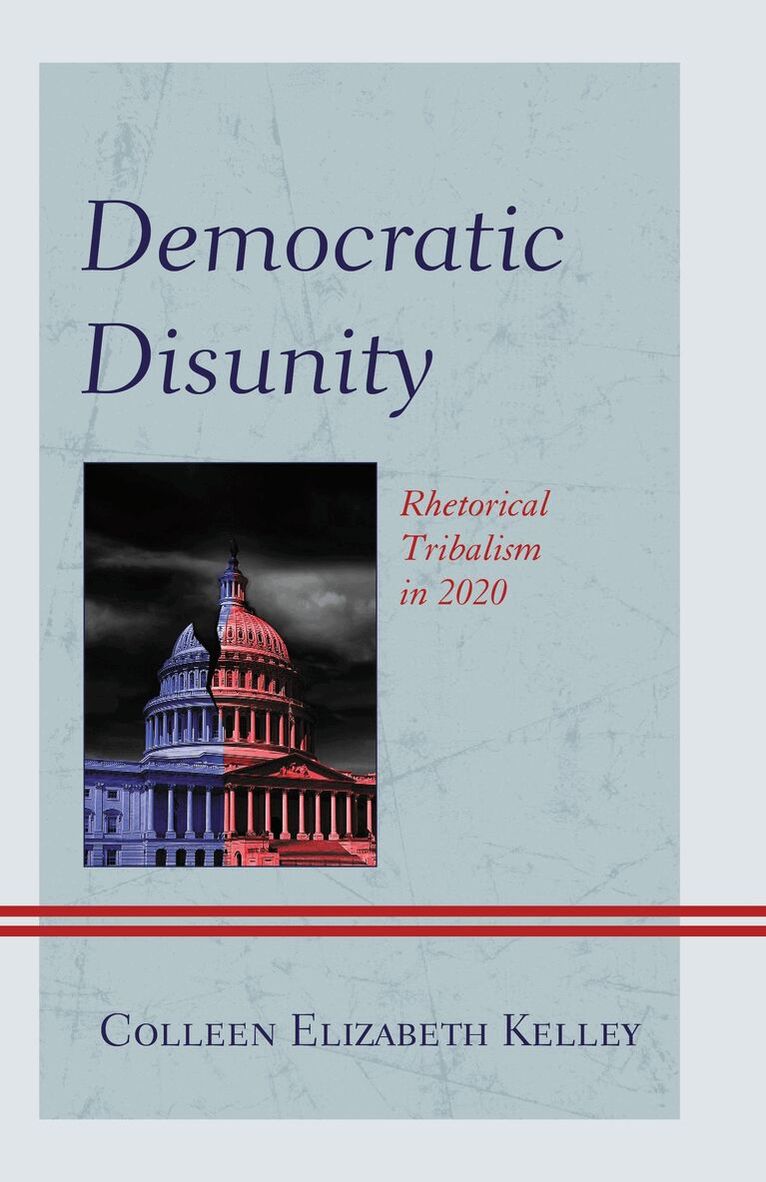
Democratic Disunity: Rhetorical Tribalism in 2020 addresses that while attention has recently and rightly been paid to the tribal bifurcation of the GOP, the Democratic Party is similarly divided. Americans live in a democratic republic rather than a direct democracy and choices regarding governing concerns are configured through communicative action. These choices include those made between and within American political parties. Without rhetorical mediation and intervention, toxic partisan tribalism within the two major American political parties is likely to destabilize the nations’ federalist system of government. Kelley argues that intraparty tribalism poisons public life and consumes public space within which electoral politics, including discussion, deliberation and compromise, should be thriving. Democratic Disunity considers intraparty tribalism as a rhetorical form, uniquely positioned within the twenty-first century. Details are provided regarding language-in-use strategies with which to anchor a rhetoric of governing through a mindful, deliberative dialogue which diminishes the effect of political partisanship, including its toxic variations both between and within American political parties. Scholars and students of rhetoric, political communication, and political science will find this book particularly interesting.