Committee on Independent Scientific Review of Everglades Restoration Progress – författare
849 kr
Läs direkt efter köp
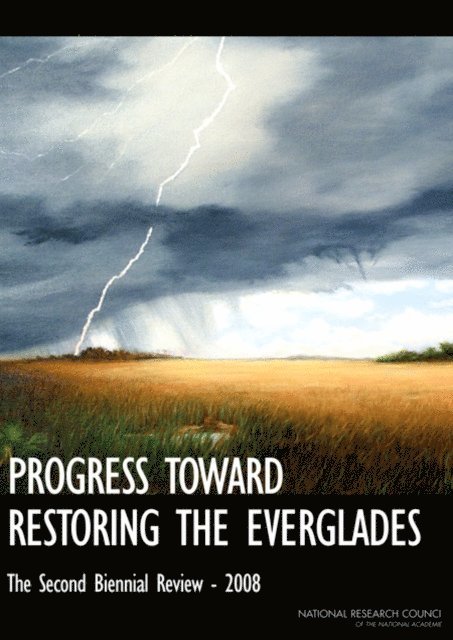
This book is the second biennial evaluation of progress being made in the Comprehensive Everglades Restoration Plan (CERP), a multibillion-dollar effort to restore historical water flows to the Everglades and return the ecosystem closer to its natural state. Launched in 2000 by the U.S. Army Corps of Engineers and the South Florida Water Management District, CERP is a multiorganization planning process that includes approximately 50 major projects to be completed over the next several decades.Progress Toward Restoring the Everglades: The Second Biennial Review 2008 concludes that budgeting, planning, and procedural matters are hindering a federal and state effort to restore the Florida Everglades ecosystem, which is making only scant progress toward achieving its goals. Good science has been developed to support restoration efforts, but future progress is likely to be limited by the availability of funding and current authorization mechanisms. Despite the accomplishments that lay the foundation for CERP construction, no CERP projects have been completed to date. To begin reversing decades of decline, managers should address complex planning issues and move forward with projects that have the most potential to restore the natural ecosystem.
858 kr
Läs direkt efter köp
Although the progress of environmental restoration projects in the Florida Everglades remains slow overall, there have been improvements in the pace of restoration and in the relationship between the federal and state partners during the last two years. However, the importance of several challenges related to water quantity and quality have become clear, highlighting the difficulty in achieving restoration goals for all ecosystem components in all portions of the Everglades. Progress Toward Restoring the Everglades explores these challenges. The book stresses that rigorous scientific analyses of the tradeoffs between water quality and quantity and between the hydrologic requirements of Everglades features and species are needed to inform future prioritization and funding decisions.
925 kr
Läs direkt efter köp
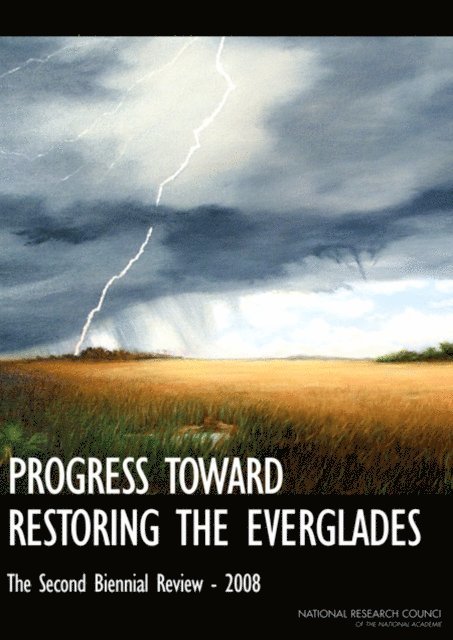
This book is the second biennial evaluation of progress being made in the Comprehensive Everglades Restoration Plan (CERP), a multibillion-dollar effort to restore historical water flows to the Everglades and return the ecosystem closer to its natural state. Launched in 2000 by the U.S. Army Corps of Engineers and the South Florida Water Management District, CERP is a multiorganization planning process that includes approximately 50 major projects to be completed over the next several decades.Progress Toward Restoring the Everglades: The Second Biennial Review 2008 concludes that budgeting, planning, and procedural matters are hindering a federal and state effort to restore the Florida Everglades ecosystem, which is making only scant progress toward achieving its goals. Good science has been developed to support restoration efforts, but future progress is likely to be limited by the availability of funding and current authorization mechanisms. Despite the accomplishments that lay the foundation for CERP construction, no CERP projects have been completed to date. To begin reversing decades of decline, managers should address complex planning issues and move forward with projects that have the most potential to restore the natural ecosystem.
1 177 kr
Läs direkt efter köp
Although the progress of environmental restoration projects in the Florida Everglades remains slow overall, there have been improvements in the pace of restoration and in the relationship between the federal and state partners during the last two years. However, the importance of several challenges related to water quantity and quality have become clear, highlighting the difficulty in achieving restoration goals for all ecosystem components in all portions of the Everglades. Progress Toward Restoring the Everglades explores these challenges. The book stresses that rigorous scientific analyses of the tradeoffs between water quality and quantity and between the hydrologic requirements of Everglades features and species are needed to inform future prioritization and funding decisions.
740 kr
Läs direkt efter köp
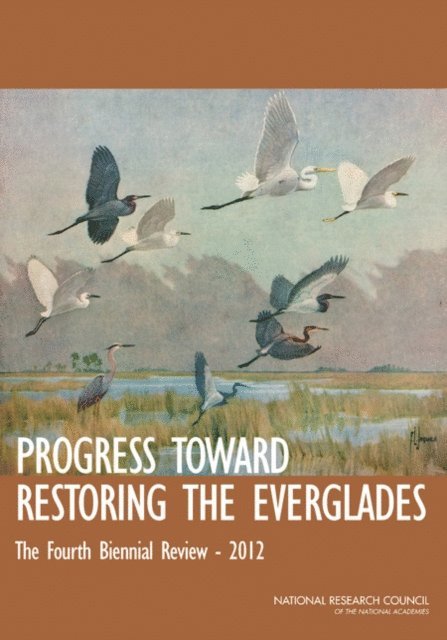
Twelve years into the Comprehensive Everglades Restoration Project, little progress has been made in restoring the core of the remaining Everglades ecosystem; instead, most project construction so far has occurred along its periphery. To reverse ongoing ecosystem declines, it will be necessary to expedite restoration projects that target the central Everglades, and to improve both the quality and quantity of the water in the ecosystem.
The new Central Everglades Planning Project offers an innovative approach to this challenge, although additional analyses are needed at the interface of water quality and water quantity to maximize restoration benefits within existing legal constraints. Progress Toward Restoring the Everglades: The Fourth Biennial Review, 2012 explains the innovative approach to expedite restoration progress and additional rigorous analyses at the interface of water quality and quantity will be essential to maximize restoration benefits.
1 177 kr
Läs direkt efter köp
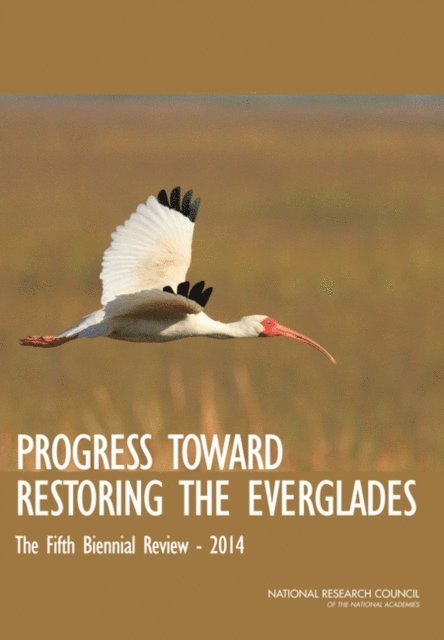
The Everglades ecosystem is vast, stretching more than 200 miles from Orlando to Florida Bay, and Everglades National Park is but a part located at the southern end. During the 19th and 20th centuries, the historical Everglades has been reduced to half of its original size, and what remains is not the pristine ecosystem many image it to be, but one that has been highly engineered and otherwise heavily influenced, and is intensely managed by humans. Rather than slowly flowing southward in a broad river of grass, water moves through a maze of canals, levees, pump stations, and hydraulic control structures, and a substantial fraction is diverted from the natural system to meet water supply and flood control needs. The water that remains is polluted by phosphorus and other contaminants originating from agriculture and other human activities. Many components of the natural system are highly degraded and continue to degrade.
Progress Toward Restoring the Everglades is the fifth biennial review of progress made in meeting the goals of the Comprehensive Everglades Restoration Plan (CERP). This complex, multibillion-dollar project to protect and restore the remaining Everglades has a 30-40 year timeline. This report assesses progress made in the various separate project components and discusses specific scientific and engineering issues that may impact further progress. According to Progress Toward Restoring the Everglades, a dedicated source of funding could provide ongoing long-term system-wide monitoring and assessment that is critical to meeting restoration objectives. The report makes recommendations for restoration activities, project management strategies, management of invasive nonnative species, and high-priority research needs.
1 177 kr
Läs direkt efter köp
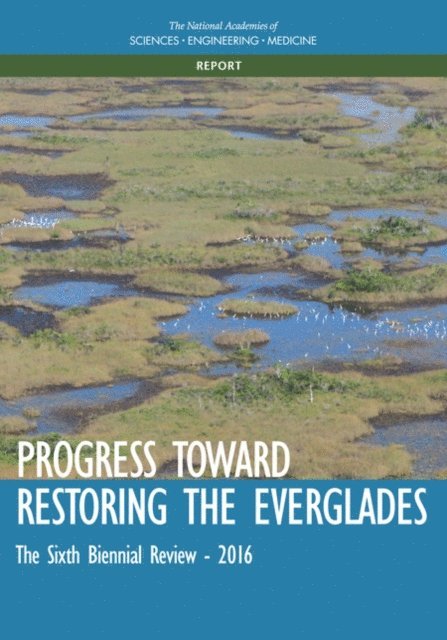
The Everglades ecosystem is vast, stretching more than 200 miles from Orlando to Florida Bay, and Everglades National Park is but a part located at the southern end. During the 19th and 20th centuries, the historical Everglades has been reduced to half of its original size, and what remains is not the pristine ecosystem many image it to be, but one that has been highly engineered and otherwise heavily influenced, and is intensely managed by humans. Rather than slowly flowing southward in a broad river of grass, water moves through a maze of canals, levees, pump stations, and hydraulic control structures, and a substantial fraction is diverted from the natural system to meet water supply and flood control needs. The water that remains is polluted by phosphorus and other contaminants originating from agriculture and other human activities. Many components of the natural system are highly degraded and continue to degrade.
Progress Toward Restoring the Everglades is the sixth biennial review of progress made in meeting the goals of the Comprehensive Everglades Restoration Plan (CERP). This complex, multibillion-dollar project to protect and restore the remaining Everglades has a 30-40 year timeline. This report assesses progress made in the various separate project components and discusses specific scientific and engineering issues that may impact further progress. According to Progress Toward Restoring the Everglades, a dedicated source of funding could provide ongoing long-term system-wide monitoring and assessment that is critical to meeting restoration objectives. This report examines the implications of knowledge gained and changes in widely accepted scientific understanding regarding pre-drainage hydrology, climate change, and the feasibility of water storage since the CERP was developed.
1 177 kr
Läs direkt efter köp
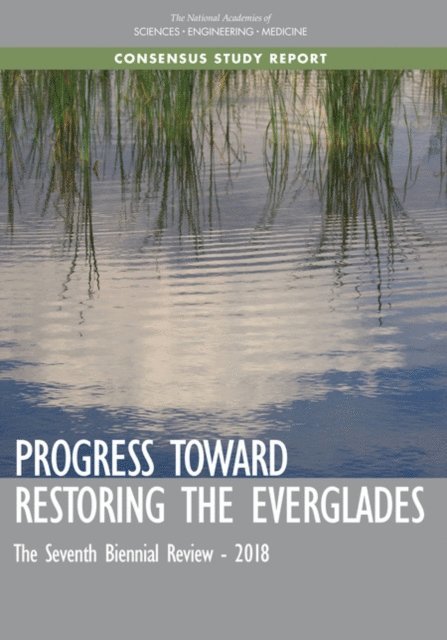
During the past century, the Everglades, one of the world''s treasured ecosystems, has been dramatically altered by drainage and water management infrastructure that was intended to improve flood management, urban water supply, and agricultural production. The remnants of the original Everglades now compete for water with urban and agricultural interests and are impaired by contaminated runoff from these two sectors. The Comprehensive Everglades Restoration Plan (CERP), a joint effort launched by the state and the federal government in 2000, seeks to reverse the decline of the ecosystem. The multibillion-dollar project was originally envisioned as a 30- to 40-year effort to achieve ecological restoration by reestablishing the natural hydrologic characteristics of the Everglades, where feasible, and to create a water system that serves the needs of both the natural and the human systems of South Florida.
Over the past two years, impressive progress has been made in planning new CERP projects, and the vision for CERP water storage is now becoming clear. Construction and completion of authorized CERP projects will likely take several decades, and at this pace of restoration, it is even more imperative that agencies anticipate and design for the Everglades of the future.
This seventh biennial review assesses the progress made in meeting the goals of the CERP and provides an in-depth review of CERP monitoring, with particular emphasis on project-level monitoring and assessment. It reviews developments in research and assessment that inform restoration decision making, and identifies issues for in-depth evaluation considering new CERP program developments, policy initiatives, or improvements in scientific knowledge that have implications for restoration progress.
1 177 kr
Läs direkt efter köp
During the past century, the Everglades, one of the world''s treasured ecosystems, has been dramatically altered by drainage and water management infrastructure to improve flood management, urban water supply, and agricultural production. The remnants of the original Everglades now compete for water with urban and agricultural interests and are impaired by contaminated runoff from these two sectors. The Comprehensive Everglades Restoration Plan (CERP), a joint effort launched by the state and the federal government in 2000, seeks to reverse the decline of the ecosystem. The multibillion-dollar project was originally envisioned as a 30- to 40-year effort to achieve ecological restoration by reestablishing the natural hydrologic characteristics of the Everglades, where feasible, and to create a water system that serves the needs of both the natural and the human systems of South Florida.
In establishing the CERP, Congress also requested that an independent scientific review be conducted on progress toward restoration with biennial reports. The National Academies'' Committee on Independent Scientific Review of Everglades Restoration Progress has provided biennial reviews of restoration progress and advice on scientific and engineering issues that may impact progress since 2004. This eighth study of the series describes substantive accomplishments over the past 2 years and reviews developments in research, monitoring, and assessment that inform restoration decision making. Progress Toward Restoring the Everglades: The Eighth Biennial Review - 2020 also reviews the recently developed Combined Operational Plan, which is a prerequisite for CERP progress in the central Everglades, and examines issues facing the northern and southern estuaries, including priorities for science to support restoration decision making.
740 kr
Läs direkt efter köp
Over the past century, the Everglades has been dramatically altered by drainage and water management infrastructure intended to improve flood management, urban water supply, and agricultural production. Less than half of the original Everglades remain, and these remnants compete for water with urban and agricultural interests, all the while being impaired by contaminated runoff. The Comprehensive Everglades Restoration Plan (CERP) was established in 2000 as a joint effort by the state and federal government to reverse the decline of the ecosystem. The multibillion project aims to restore the ecosystem over the course of 30 to 40 years by reestablishing the natural hydrological characteristics of the Everglades where feasible and ultimately creating a water system that serves both the natural and human needs of South Florida. Since 2004, a National Academies committee has provided a series of independent, peer-reviewed assessments of CERP progress.
Implementation of CERP projects has occurred at a remarkable pace over the past two years due to record funding levels. Ecosystem responses are evident over large areas of the central and western Everglades after implementation of recent restoration initiatives. This progress in implementation has increased the importance of analyzing and synthesizing natural system responses. The committee review of ongoing progress highlights the need for rigorous scientific support for water quality improvement in stormwater treatment areas and modeling for a wider range of plausible climate conditions. Progress Toward Restoring the Everglades: The Ninth Biennial Review - 2022 recommends the development of a multiagency Everglades restoration science plan to ensure the needed tools, research, analysis, and synthesis are available to support critical restoration management decisions.
690 kr
Läs direkt efter köp
862 kr
Tillfälligt slut
1 039 kr
Tillfälligt slut
494 kr
Tillfälligt slut
814 kr
Tillfälligt slut
814 kr
Tillfälligt slut
778 kr
Tillfälligt slut
778 kr
Tillfälligt slut
494 kr
Tillfälligt slut
458 kr
Tillfälligt slut