Constancio Gonzalez - Böcker
Visar alla böcker från författaren Constancio Gonzalez. Handla med fri frakt och snabb leverans.
8 produkter
8 produkter
3 269 kr
Skickas inom 10-15 vardagar
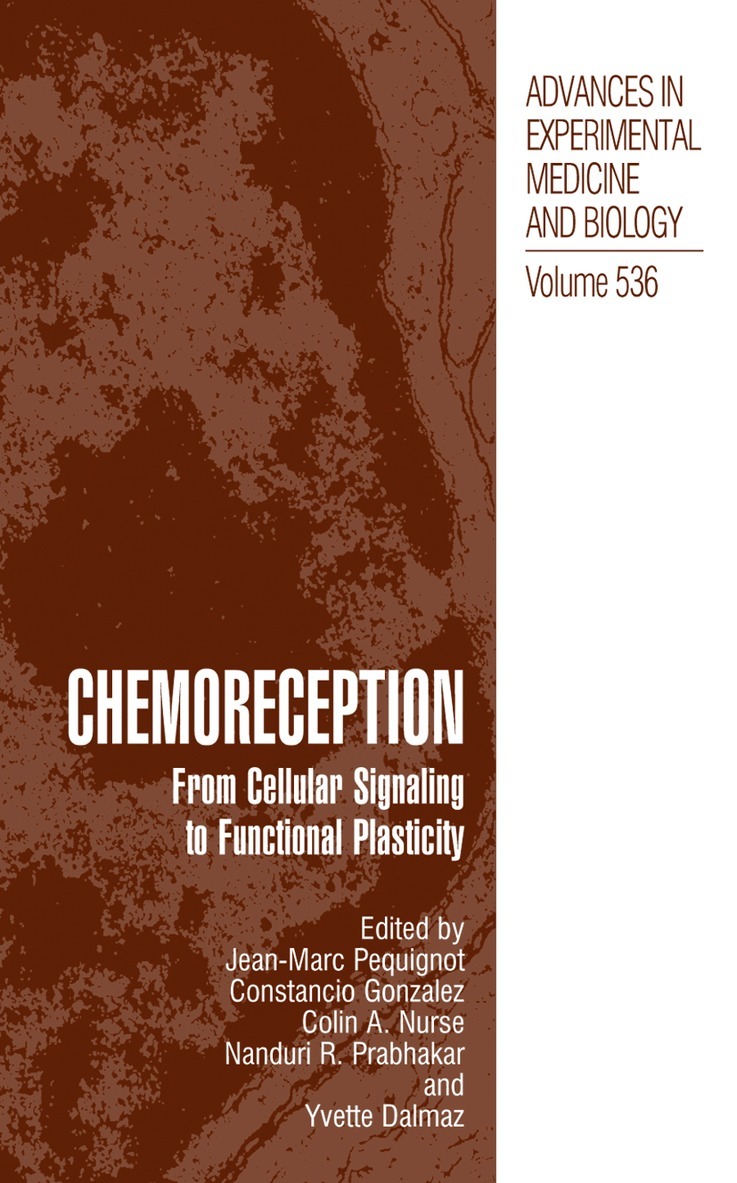
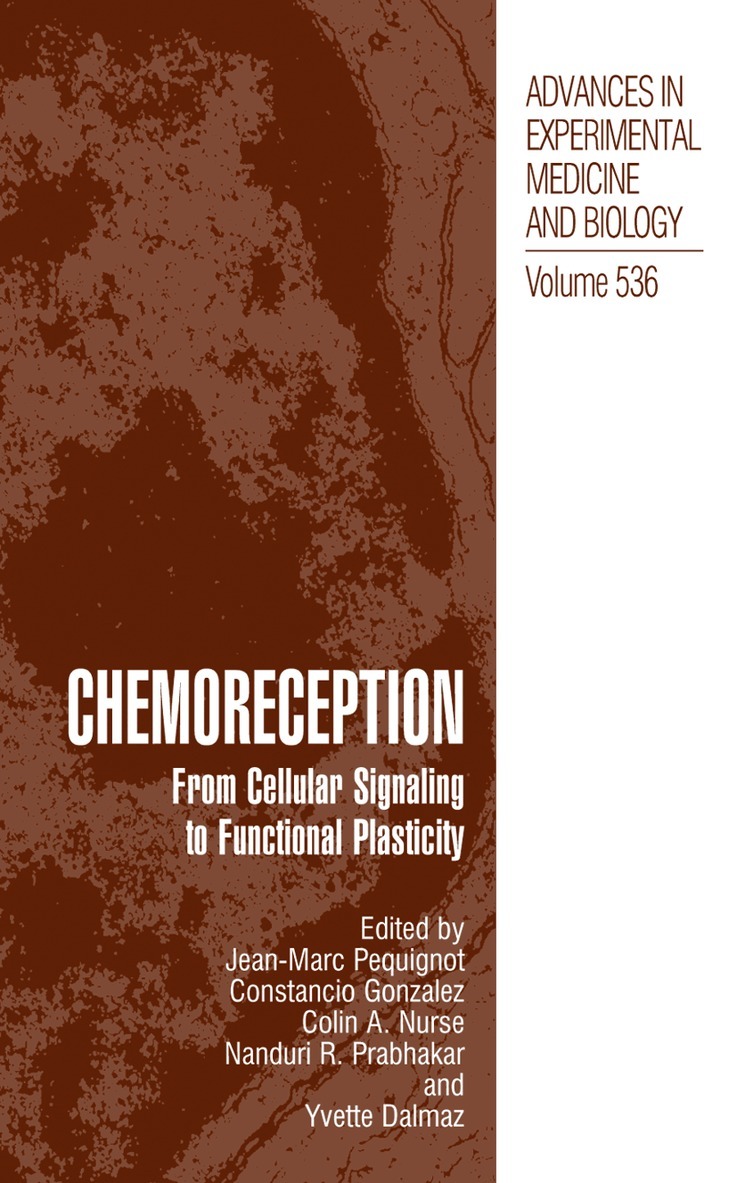
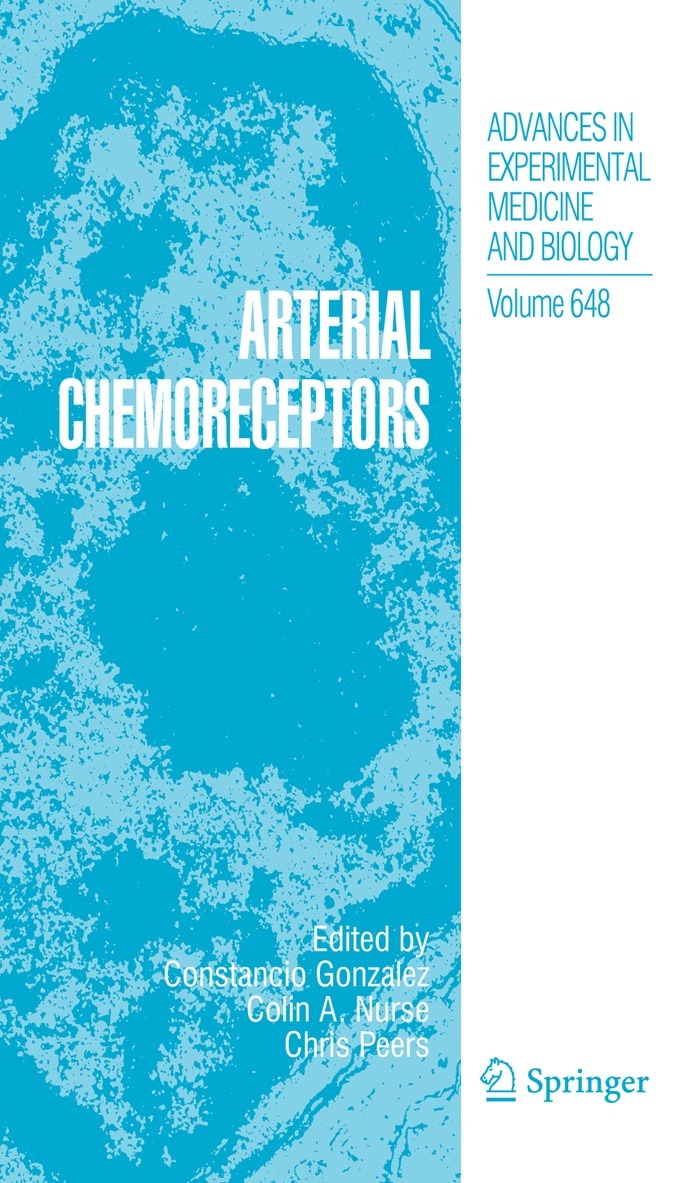
Since the early 1990s, the field of oxygen-sensing has evolved from the findings of further oxygen sensing cells both in peripheral and central tissues, of molecules and channels implicated in chemoreception, and of transcriptional factors controlling the expression of a number of genes involved in physiological responses to hypoxia. In order to take into account these new aspects of chemoreception, this volume presents a multidisciplinary approach at the interface of cellular, molecular biology and integrative physiology with the main objective to elucidate the chemosensory processes and associated cardiorespiratory functions in hypoxic/hypercapnic environmental conditions. Specifically, the volume presents up to date major aspects of the chemoreceptor pathway from molecular and cellular signalling processes in the carotid body and other oxygen-sensing structures to central integration of chemosensory inputs and systemic implications.Because sustained changes in oxygen homeostasis are able to induce morphofunctional remodelling which remains poorly understood but may provide further ways of research in physiology and pathophysiology, two sessions were devoted to the mechanisms involved in the processes of plasticity induced by long-term or intermittent hypoxia during the perinatal period or at adulthood.
3 269 kr
Skickas inom 10-15 vardagar
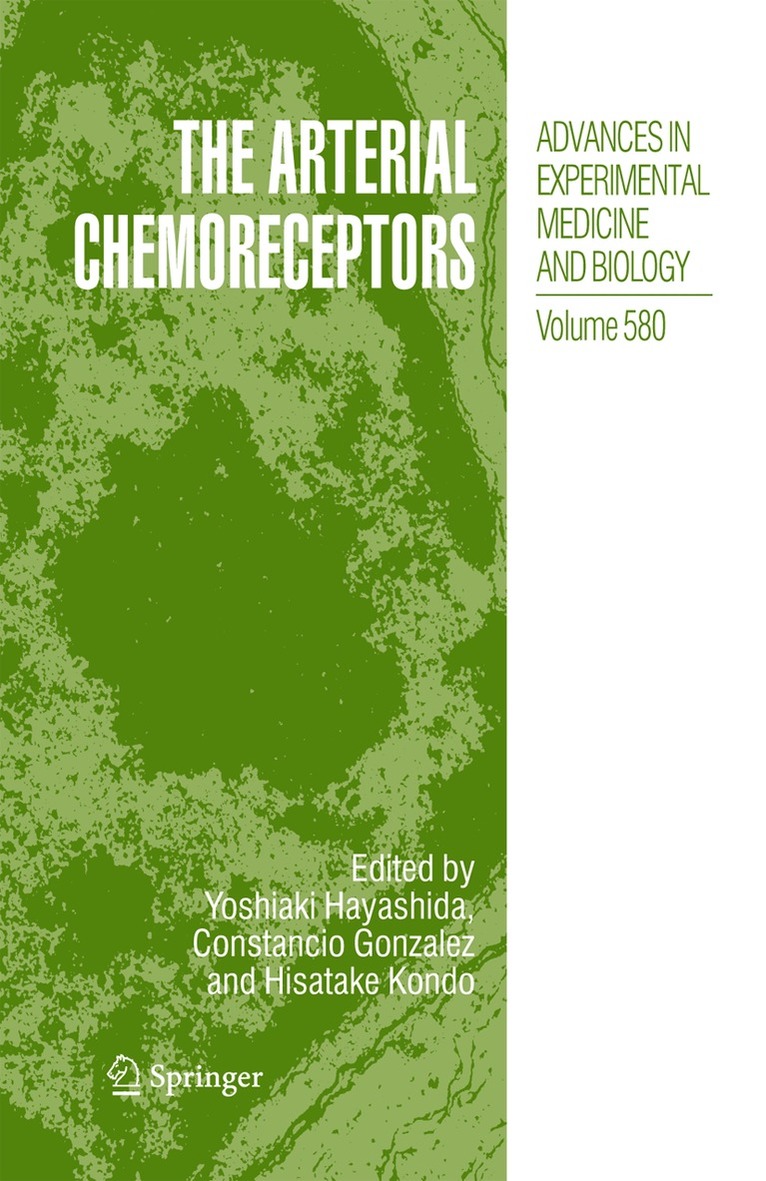
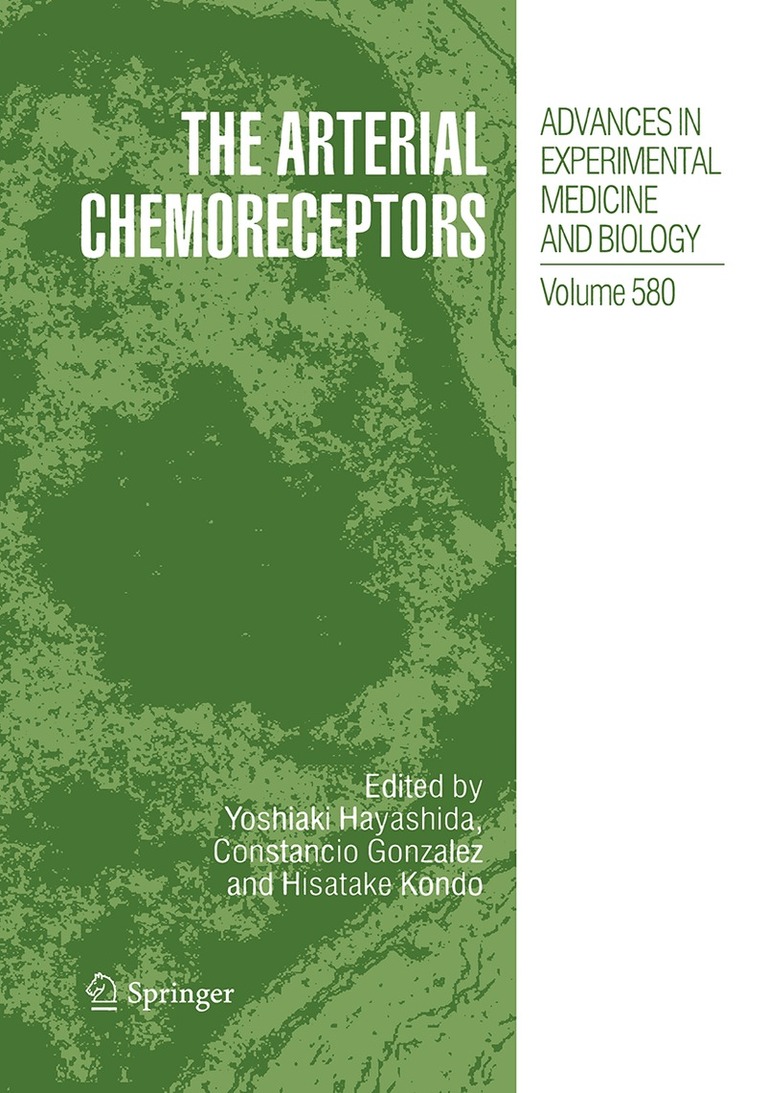
This book represents an updated review of the physiology of the carotid body chemoreceptors. It contains results in the topics at the frontiers of future developments in O2-sensing in chemoreceptor cells. Additionally, this volume provides data from studies carried out in other O2-sensing tissues including pulmonary vasculature and erythropoietin producing cells. It is a prime source of information and a guideline for arterial chemoreception researchers.
3 269 kr
Skickas inom 10-15 vardagar
Since 1959, the International Society of Arterial Chemoreception (ISAC) has organized in a variety of countries fifteen scientific meetings devoted to the mechanisms of peripheral arterial chemoreception and chemoreceptor reflexes. After the meeting held in Philadelphia with Sukhamay Lahiri as president, ISAC membership elected Lyon (CNRS, University Claude Bernard, France) as the site of the xv" ISAC Symposium. The Symposium was effectively held in Lyon from the 18th to the 22nd of November 2002 and Jean-Marc Pequignot was its president. The organizers were Jean-Marc Pequignot and Yvette Dalmaz Lyon (CNRS, University Claude Bernard, France) and the Scientific Committee was formed by John Carroll (University of Arkansas for Medical Sciences, USA), Constancio Gonzalez (University of Valladolid, Spain), Prem Kumar (University of Birmingham, U. K. ), Sukhamay Lahiri (University of Pennsylvania, Philadelphia, USA), Colin Nurse (McMaster University, Hamilton, Ontario, Canada), and Nanduri Prabhakar (Case Western University, Cleveland, Ohio, USA). The Symposium in Lyon intended to follow the path opened in Philadelphia gathering people working at the interface of cellular and molecular biology with researchers in the more classical topics of chemoreception pathways and reflexes. The aim was to join experts with different perspectives. Along these lines, some participants are engaged in the exploration of the intimate mechanisms of oxygen sensing and cellular responses, with their work centered in a great number of preparations covering a broad spectrum from bacteria, to chemoreceptor cells or to central nervous systems neurons.
3 247 kr
Skickas inom 11-20 vardagar
2 181 kr
Skickas inom 10-15 vardagar
This volume contains the Proceedings of the XVIIth ISAC Meeting held in Valladolid, Spain, July 1-5, 2008. As such, it contains the most permanent records of the combined efforts of all attendants. The meeting was held at the School of Medicine of Valladolid, that had the privilege of a recent celebration. The celeb- tion was none other than its 600th anniversary, implying that all participants were surrounded by historical landmarks, from the historical building of the University, to the Museum of polychrome sculpture of Valladolid, to the Monastery of Clarisas in Tordesillas, to the beauty and charm of Salamanca. In this ambience we had three days of intense work, distributed in several oral sessions, preceded by plenary lectures given by our invited speakers who were kind enough to provide us with the latestprogressintheirspeci c elds. We also hadtimeallottedtoposterviewing. As regularattendantsto the XVIIth ISACMeeting, we want to expressourappreciation forthevaluablediscussionssurroundingeachposter,theenthusiasticpresentationof data, the comments of colleagues with suggestions for improvement, and the plans for collaborations that emerged from these discussions.Needless to say that XVIIth ISAC Meeting was the fruit of many collabo- tive efforts. The Local Organizing Committee pro ted from the advice of several colleagues from around the world, namely, Prof. Chris Peers from Leeds, UK, Prof. Prem Kumar from Birmingham, UK, Prof. Nanduri Prabhakar from Chicago, USA, Prof. Colin Nurse from Hamilton, Canada, and Prof. Rodrigo Iturriaga from Santiago, Chile.
2 181 kr
Skickas inom 10-15 vardagar
This volume contains the Proceedings of the XVIIth ISAC Meeting held in Valladolid, Spain, July 1-5, 2008. As such, it contains the most permanent records of the combined efforts of all attendants. The meeting was held at the School of Medicine of Valladolid, that had the privilege of a recent celebration. The celeb- tion was none other than its 600th anniversary, implying that all participants were surrounded by historical landmarks, from the historical building of the University, to the Museum of polychrome sculpture of Valladolid, to the Monastery of Clarisas in Tordesillas, to the beauty and charm of Salamanca. In this ambience we had three days of intense work, distributed in several oral sessions, preceded by plenary lectures given by our invited speakers who were kind enough to provide us with the latestprogressintheirspeci c elds. We also hadtimeallottedtoposterviewing. As regularattendantsto the XVIIth ISACMeeting, we want to expressourappreciation forthevaluablediscussionssurroundingeachposter,theenthusiasticpresentationof data, the comments of colleagues with suggestions for improvement, and the plans for collaborations that emerged from these discussions.Needless to say that XVIIth ISAC Meeting was the fruit of many collabo- tive efforts. The Local Organizing Committee pro ted from the advice of several colleagues from around the world, namely, Prof. Chris Peers from Leeds, UK, Prof. Prem Kumar from Birmingham, UK, Prof. Nanduri Prabhakar from Chicago, USA, Prof. Colin Nurse from Hamilton, Canada, and Prof. Rodrigo Iturriaga from Santiago, Chile.
2 181 kr
Skickas inom 10-15 vardagar
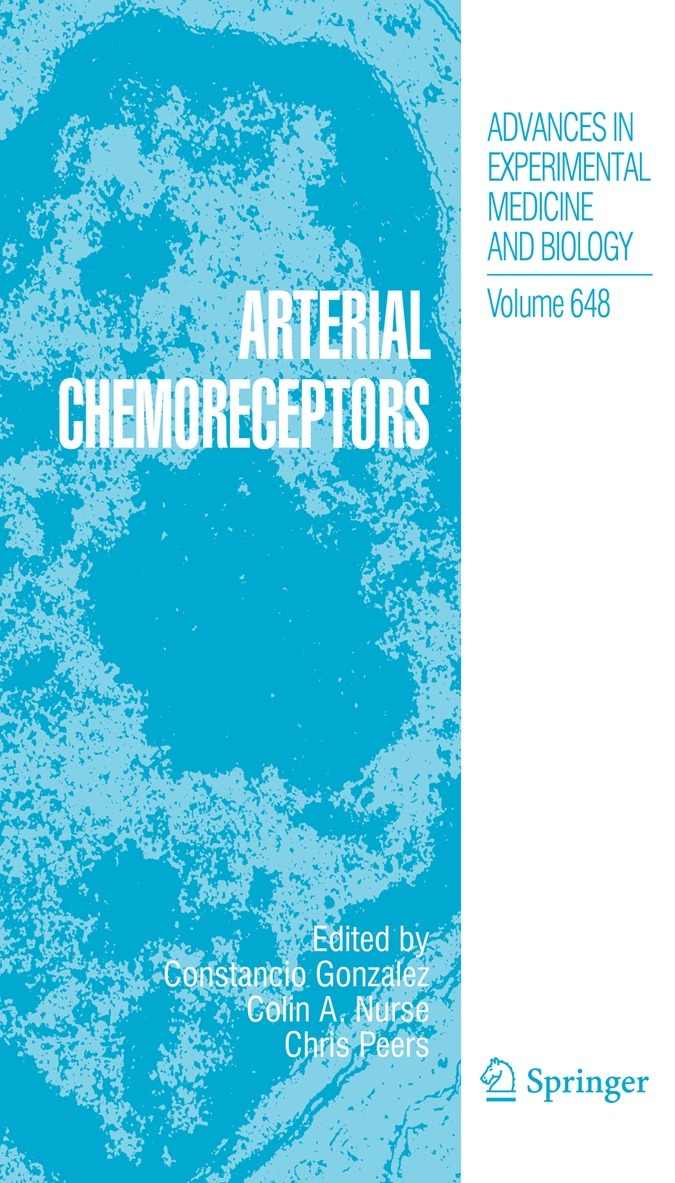
Arterial chemoreceptors are unique structures which continuously monitor changes in arterial blood oxygen, carbon dioxide, glucose, and acid. Alterations in these gases are almost instantaneously sensed by arterial chemoreceptors and relayed into a physiological response which restores blood homeostasis. Arterial Chemoreception contains updated material regarding the physiology of the primary arterial chemoreceptor; the carotid body. Moreover, this book also explores tantalizing evidence regarding the contribution of the aortic bodies, chromaffin cells, lung neuroepithelial bodies, and brainstem areas involved in monitoring changes in blood gases. Furthermore this collection includes data showing the critical importance of these chemoreceptors in the pathophysiology of human disease and possible therapeutic treatments.This book is a required text for any researcher in the field of arterial chemoreception for years to come. It is also a critical text for physicians searching for bench-to-bedside treatments for heart failure, sleep apnea, and pulmonary hypertension.
2 181 kr
Skickas inom 10-15 vardagar
Arterial chemoreceptors are unique structures which continuously monitor changes in arterial blood oxygen, carbon dioxide, glucose, and acid. Alterations in these gases are almost instantaneously sensed by arterial chemoreceptors and relayed into a physiological response which restores blood homeostasis. Arterial Chemoreception contains updated material regarding the physiology of the primary arterial chemoreceptor; the carotid body. Moreover, this book also explores tantalizing evidence regarding the contribution of the aortic bodies, chromaffin cells, lung neuroepithelial bodies, and brainstem areas involved in monitoring changes in blood gases. Furthermore this collection includes data showing the critical importance of these chemoreceptors in the pathophysiology of human disease and possible therapeutic treatments.This book is a required text for any researcher in the field of arterial chemoreception for years to come. It is also a critical text for physicians searching for bench-to-bedside treatments for heart failure, sleep apnea, and pulmonary hypertension.